
Low Income Senior Housing Idaho Falls Idaho


Lightweight Vacuum Cleaner

Back Massager with Heat

Smart Health Watch for Seniors
Finding low income senior housing in Idaho Falls is essential for older adults who need affordable, safe, and dignified living options. With rising costs of living and limited retirement savings, many seniors face tough choices when it comes to where they’ll call home in their golden years. Fortunately, Idaho Falls offers several programs and housing communities that help make senior living more accessible through subsidies, nonprofit support, and local partnerships. Whether you’re looking for subsidized apartments or assisted living with financial aid, this guide walks you through everything you need to know—from eligibility to application tips. You’re not alone, and help is available.
Living on a fixed income can be tough, especially as a senior in a city like Idaho Falls, where the cost of living has risen steadily over the past decade. For many older adults, finding affordable housing isn’t just about comfort—it’s about safety, dignity, and peace of mind. That’s why access to low income senior housing in Idaho Falls is so important. These housing options are specifically designed for seniors who may be on Social Security, pensions, or disability benefits, offering rent-controlled units, supportive services, and a sense of community.
Idaho Falls, located in the heart of the Intermountain West, has a growing population of older adults, many of whom are seeking ways to downsize or remain independent while keeping costs manageable. Fortunately, there are several programs and housing communities in the area that provide affordable, high-quality living spaces for seniors. Whether you’re a lifelong resident or planning to move to the Treasure Valley region, understanding your options can make all the difference in your retirement journey.
In this comprehensive guide, we’ll walk you through the different types of low income senior housing available in Idaho Falls, how to qualify, where to apply, and what support services you might be eligible for. We’ll also share practical tips from real seniors and case managers who’ve navigated the process successfully. By the end, you’ll have a clear roadmap to securing safe, affordable housing that fits your needs and budget.
Key Takeaways
- Idaho Falls offers multiple low-income senior housing options: From subsidized apartments to supportive living communities, there are resources tailored to seniors with limited income.
- Eligibility is based on income and age: Most programs require applicants to be 62+ and have an income below 50–80% of the area median income (AMI).
- Waiting lists can be long: Popular housing programs often have waitlists, so applying early is crucial.
- Nonprofits and HUD programs play a big role: Organizations like the Idaho Housing and Community Development Authority (IHCDA) and local nonprofits help fund and manage affordable housing.
- Support services are often included: Many low-income senior housing options offer meals, transportation, and wellness programs at no extra cost.
- Local resources can simplify the search: Senior centers, Area Agency on Aging offices, and case managers can guide you through applications and benefits.
- Don’t overlook tax credits and utilities assistance: Programs like LIHEAP and property tax deferrals can reduce monthly expenses further.
📑 Table of Contents
- Understanding Low Income Senior Housing in Idaho Falls
- How to Apply for Low Income Senior Housing in Idaho Falls
- Financial Assistance and Support Services
- Community Resources and Support in Idaho Falls
- Success Stories: Seniors Thriving in Idaho Falls
- Looking Ahead: Future of Senior Housing in Idaho Falls
Understanding Low Income Senior Housing in Idaho Falls
Low income senior housing refers to affordable living arrangements specifically designed for adults aged 62 and older who have limited financial means. These housing options are typically subsidized through federal, state, or nonprofit programs to ensure that rent remains within reach for seniors on fixed incomes. In Idaho Falls, these housing solutions come in various forms—apartment complexes, senior living communities, and supportive housing units—each offering different levels of care and amenities.
One of the most common types is public housing for seniors, which is managed by the U.S. Department of Housing and Urban Development (HUD) and operated locally through public housing authorities. Another popular option is Project-Based Section 8 housing, where private landlords receive federal subsidies to offer reduced rent to qualified tenants. There are also nonprofit-run senior communities that partner with IHCDA or local charities to keep costs low. Each of these models ensures that rent stays at or below 30% of a senior’s monthly income, making housing more sustainable.
What sets low income senior housing apart is the combination of affordability and support. Many communities include meal programs, housekeeping, transportation to medical appointments, and social activities—all designed to promote independence and well-being. For seniors living alone or managing chronic health conditions, these services can be lifesavers.
Who Qualifies for Low Income Senior Housing?
To qualify for low income senior housing in Idaho Falls, applicants must meet certain criteria related to age, income, and residency. Generally, applicants must be at least 62 years old, although some programs accept those as young as 55 if they are disabled or have a qualifying condition. Income limits are based on the area median income (AMI) for Ada and Canyon counties, with most programs capping income at 50% of AMI or lower.
For example, in 2024, a single senior earning less than $35,000 annually may qualify for many subsidized housing units. Couples applying together may earn up to $45,000 and still be eligible. It’s important to note that assets are also considered in some cases, though many programs focus primarily on income rather than net worth. This helps ensure that the most financially vulnerable seniors are prioritized.
Residency requirements vary by program. Some housing is open to anyone in Idaho, while others prioritize residents of Ada or Canyon County. Veterans and Native Americans may have additional pathways to qualify through tribal or VA-assisted programs.
Types of Affordable Senior Housing in Idaho Falls
Idaho Falls offers a range of housing options tailored to seniors with limited income. Understanding the differences can help you choose the best fit for your lifestyle and needs.
Public housing is one of the most widely known options. Managed by the Idaho Falls Housing Authority, these properties offer rent based on income and include access to basic maintenance, security, and community spaces. Units are often two-bedroom apartments, ideal for couples or seniors with mobility aids.
Project-Based Section 8 housing allows seniors to live in private apartment buildings where the landlord receives federal funding to cover part of the rent. This model expands availability beyond what public housing alone can offer. Seniors pay 30% of their income toward rent, and the rest is covered by the subsidy.
Nonprofit senior communities, such as those run by the Idaho Council on Aging or local churches, often provide more personalized care and social programming. These facilities may include communal dining, wellness classes, and volunteer-driven activities. Some even offer transportation to nearby hospitals or grocery stores.
Assisted living with income-based pricing is another growing option. While full-time assisted living can be expensive, some facilities in the area have sliding-scale fees based on income. These communities provide help with daily tasks like bathing, medication management, and meal preparation, all at a reduced rate.
Finally, there are shared housing or co-housing models where seniors rent rooms in homes owned by caregivers or family members. While not formal housing programs, these arrangements can be a creative, low-cost solution when traditional options are unavailable.
How to Apply for Low Income Senior Housing in Idaho Falls
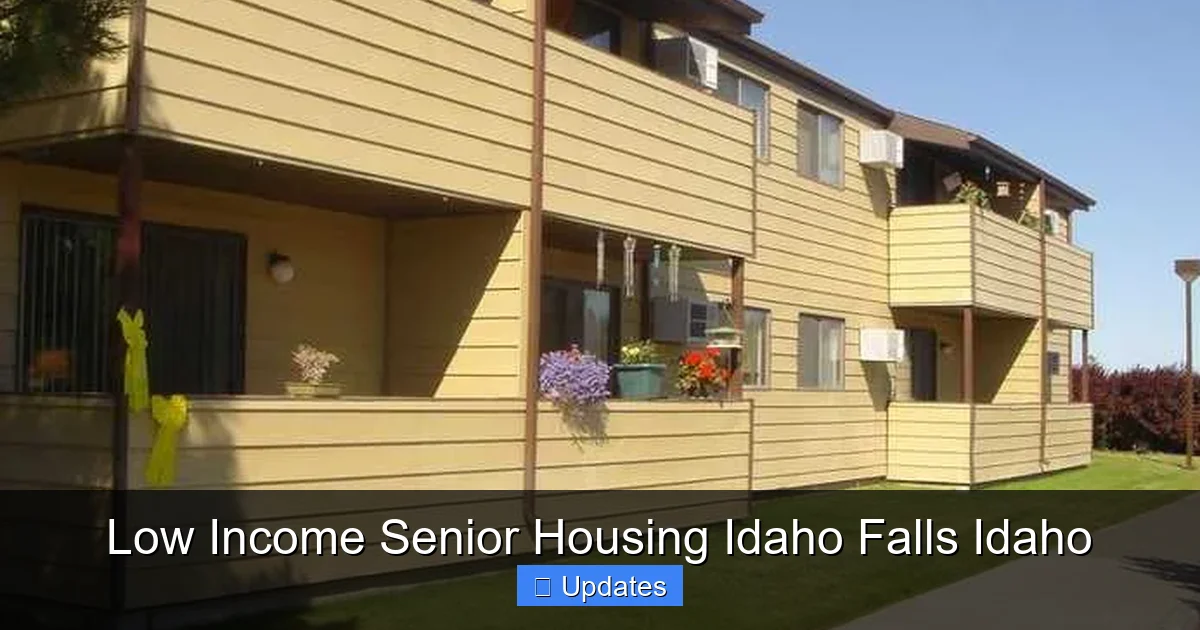
Visual guide about Low Income Senior Housing Idaho Falls Idaho
Image source: lowincomehousing.us
The application process for low income senior housing can seem overwhelming, but breaking it down into steps makes it much more manageable. The first step is identifying which programs you might qualify for. Start by checking the income limits and eligibility requirements for each type of housing—public housing, Section 8, or nonprofit communities.
Next, gather necessary documents. You’ll typically need proof of age (like a driver’s license or birth certificate), income statements (Social Security letters, pension checks, or bank statements), residency (utility bill or lease agreement), and possibly medical records if applying for supportive housing.
Once you have your documents ready, submit an application. Public housing applications are available online through the Idaho Falls Housing Authority website or in person at their office. For Section 8, you’ll apply through the same authority, though wait times can be longer due to high demand. Nonprofit housing may require referrals from case managers or senior centers.
After submitting your application, you’ll be placed on a waiting list. Unfortunately, many low income senior housing programs in Idaho Falls have lengthy waitlists—sometimes 1–3 years. To improve your chances, consider applying to multiple programs simultaneously. Also, ask if you can be added to a “preference list” if you qualify for factors like disability, veteran status, or being a victim of domestic violence.
Regularly check in with the housing authority or nonprofit to update your information and confirm your position on the list. Sometimes spots open up sooner than expected, and being proactive can get you moved up.
Tips for a Strong Application
When applying for low income senior housing, presentation matters. Make sure your application is complete and accurate. Missing documents or errors can delay processing. Double-check income calculations—some programs allow slight flexibility if your income fluctuates monthly.
Include a personal statement if allowed. This is your chance to explain your situation briefly, mention any hardships, and highlight why stable housing is important to you. Keep it honest and respectful.
Also, don’t hesitate to ask for help. Case managers at senior centers or the Area Agency on Aging can review your application and offer guidance. They often have experience helping seniors navigate these systems and can advocate on your behalf.
Financial Assistance and Support Services
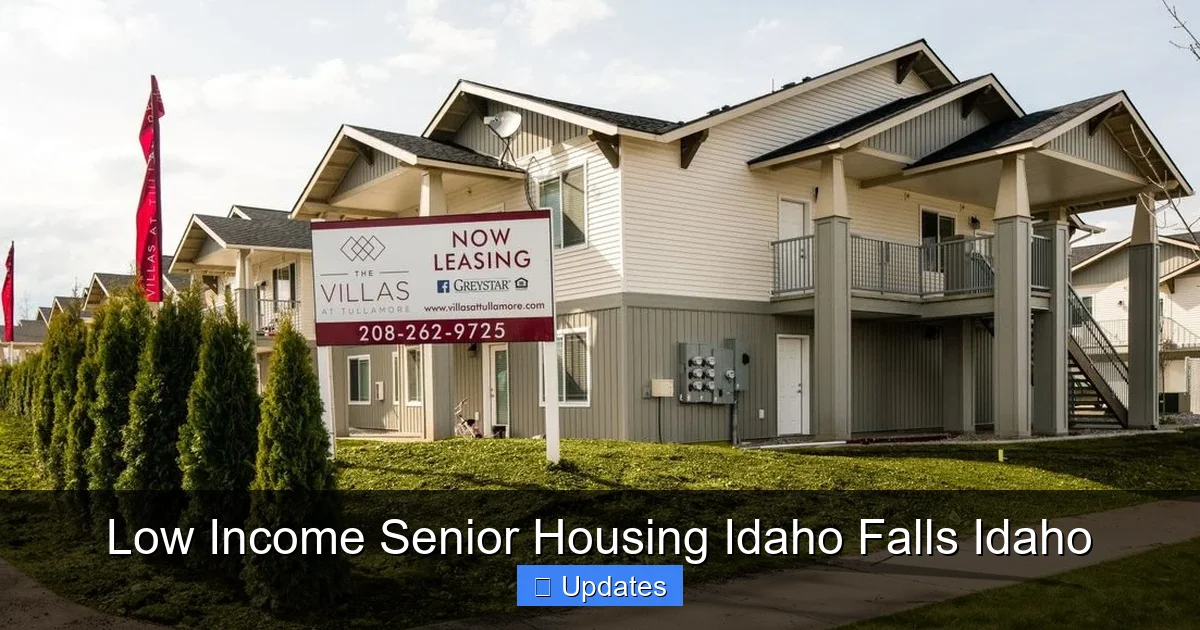
Visual guide about Low Income Senior Housing Idaho Falls Idaho
Image source: s3.amazonaws.com
Affordable housing is only part of the equation. Many seniors in Idaho Falls rely on additional financial and social support to maintain their quality of life. Fortunately, several programs can help reduce out-of-pocket expenses and improve overall well-being.
The Low-Income Home Energy Assistance Program (LIHEAP) helps pay winter heating bills and summer cooling costs. Seniors with low income can receive direct payments to utility companies, reducing the risk of service disconnection. Applications are accepted year-round, though funds are often more available during peak seasons.
Property tax deferral programs allow eligible seniors to pause or reduce property tax payments. Idaho offers a statewide deferral program for homeowners over 65, which can free up hundreds of dollars each month. This money can then go toward rent, groceries, or medical expenses.
Medicaid and Medicare savings programs are also available. If you’re enrolled in Medicare but struggle with premiums or prescriptions, you might qualify for the Part D Low-Income Subsidy (LIS). Similarly, Medicaid can cover long-term care costs if you meet income and asset thresholds.
Transportation assistance is another key resource. The Ada County Transit System offers discounted fares for seniors, and some nonprofit organizations provide free rides to medical appointments or grocery stores. Ride-sharing services like Uber Health may also be reimbursed through certain programs.
Meal programs, such as Meals on Wheels, deliver nutritious food directly to your door. This service not only supports nutrition but also provides regular wellness checks from volunteers. In Idaho Falls, Meals on Wheels operates Monday through Friday, with special diets available upon request.
Social engagement shouldn’t be overlooked either. Many low income senior housing communities organize bingo nights, book clubs, exercise classes, and holiday celebrations. Staying connected reduces isolation and improves mental health.
How to Access Financial Help
To apply for LIHEAP, contact the Idaho Department of Health and Welfare or visit their website. You’ll need proof of income, utility bills, and residency. Approval is usually quick, and payments are made directly to your provider.
For property tax deferral, homeowners must file Form 50-138 with the county assessor’s office. Once approved, taxes are deferred until you sell the home or move out. Interest accrues, but it’s typically lower than market rates.
Medicare Savings Programs are administered through the Idaho Department of Health and Welfare. Call the Elderly and Disabled Services unit to start an application. Eligibility is based on income and resources, and enrollment can lower your healthcare costs significantly.
Transportation assistance varies by provider. Contact the Idaho Falls Transit District for discounted passes. For medical transport, ask your doctor’s office about referral programs or non-emergency ambulance services covered by Medicaid.
Meals on Wheels accepts self-referrals. Call their intake line to schedule a delivery. They serve seniors 60+ or caregivers of seniors, regardless of income.
Community Resources and Support in Idaho Falls
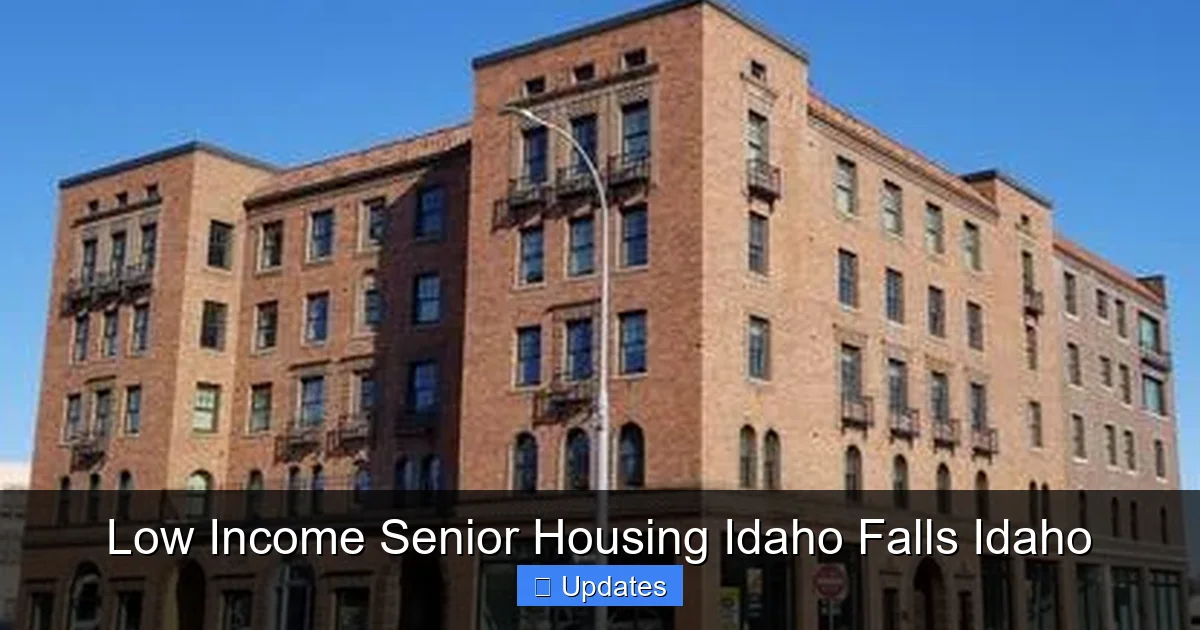
Visual guide about Low Income Senior Housing Idaho Falls Idaho
Image source: s3.amazonaws.com
Living in Idaho Falls means having access to a strong network of community organizations dedicated to supporting older adults. These groups not only help with housing but also offer friendship, advocacy, and emergency aid when needed.
The Idaho Council on Aging is a central hub for senior services. Based in Boise, they maintain regional offices in Idaho Falls and provide case management, legal aid referrals, and benefit counseling. Their staff can walk you through housing applications, assist with appeals, and connect you with local nonprofits.
The Area Agency on Aging (AAA) for Southwest Idaho serves Ada and Canyon counties. They offer free consultations, home safety assessments, and caregiver support. AAA staff can also help you apply for housing, energy assistance, and transportation programs.
Senior centers like the Idaho Falls Senior Center host daily activities, including fitness classes, arts and crafts, and educational seminars. Many also serve lunch, and some offer discounted memberships for low-income residents. The center is a welcoming space where you can build friendships and stay active.
Faith-based organizations, such as First Presbyterian Church and St. John’s Lutheran, often operate meal programs, housing assistance funds, and volunteer networks. These groups frequently partner with housing authorities to identify at-risk seniors and help them apply for subsidies.
Legal aid clinics, including those run by Idaho Volunteer Lawyers Program, offer free or low-cost help with housing disputes, eviction prevention, and benefit applications. Having legal support can prevent wrongful terminations and ensure your rights are protected.
Emergency assistance programs, such as the Idaho Foodbank’s Senior Pantry, distribute groceries and hygiene items to low-income seniors. Some pantries even offer home delivery for those with mobility challenges.
Building a Support Network
Creating a support system is just as important as securing housing. Talk to neighbors, join a senior group, or participate in community events. Isolation can lead to depression and health decline, so staying engaged is vital.
Ask your doctor or social worker for recommendations. They often know which resources are available locally and can write a letter of support for housing applications.
Consider volunteering yourself. Helping others can boost your mood and expand your social circle. Many organizations welcome senior volunteers for everything from reading to administrative tasks.
Remember, asking for help is a strength, not a weakness. Idaho Falls has plenty of people and programs ready to assist you.
Success Stories: Seniors Thriving in Idaho Falls
Real stories show that affordable senior housing can transform lives. Take Margaret, 78, who moved into a Section 8 apartment after her fixed income couldn’t cover rising rents. With help from the Idaho Council on Aging, she accessed Meals on Wheels and joined a weekly yoga class at the senior center. “I was lonely before,” she says. “Now I have friends and a routine.”
Then there’s Robert, 65, a Vietnam veteran who struggled to find housing after his wife passed. Through the VA’s grant and loan program, he secured a subsidized unit near a hospital. “It gave me dignity back,” he shares. “I can live independently and still afford my meds.”
These stories reflect a broader trend: seniors in Idaho Falls are finding stability, community, and hope through targeted housing programs. With the right support, aging with grace becomes possible.
Lessons Learned
From case managers to seniors themselves, one message stands out: start early. Don’t wait until you’re evicted or behind on bills. Begin researching options as soon as you turn 60.
Second, be persistent. Waitlists are frustrating, but staying on top of updates increases your odds. Third, lean on trusted advisors—doctors, clergy, caseworkers—they know the system.
Finally, don’t underestimate the power of community. You’re not alone.
Looking Ahead: Future of Senior Housing in Idaho Falls
As Idaho Falls grows, so does its need for inclusive, affordable housing. Local leaders are exploring new models, such as tiny home villages for seniors or mixed-income developments that blend market-rate and subsidized units.
Statewide initiatives, like the Idaho Housing and Community Development Authority’s strategic plan, aim to increase the number of affordable housing units by 20% over the next five years. This includes partnerships with private developers to build more senior-friendly properties.
Technology is also playing a role. Online portals now let seniors apply for housing and track waitlist status. Telehealth and virtual senior center meetings make services more accessible for those with mobility issues.
Climate resilience is another consideration. As extreme weather events increase, housing providers are retrofitting buildings with better insulation, backup power, and emergency supplies—features that matter deeply to older adults.
Ultimately, the goal is simple: ensure every senior in Idaho Falls has a safe, affordable place to call home.
How You Can Help
If you’re not applying for housing yourself, consider helping others. Volunteer at a senior center, donate to local nonprofits, or advocate for policy changes. Even spreading the word about available resources can make a difference.
Legislators are more likely to support funding when constituents speak up. Write to your city council or state representative about expanding affordable housing options.
Together, we can build a community where every senior thrives.
Frequently Asked Questions
What is the average wait time for low income senior housing in Idaho Falls?
Wait times vary by program but typically range from 6 months to 2 years. Public housing and Section 8 have the longest lists, while nonprofit housing may be faster. Applying to multiple programs increases your chances.
Can I apply for senior housing if I own a home?
Yes, homeowners can apply, though some programs consider home equity in eligibility. However, many prioritize income over assets. Property tax deferral programs can help free up cash flow.
Are pets allowed in low income senior housing?
Many communities allow small pets, especially emotional support animals, under fair housing laws. Larger pets may require approval or deposits. Check specific policies before applying.
Do I need to be a U.S. citizen to qualify?
Most HUD-funded housing requires U.S. citizenship or eligible immigration status. Nonprofit programs may have more flexible rules, but documentation is still required.
Is transportation provided to grocery stores and doctors?
Some housing communities offer shuttle services, and local transit discounts exist. Nonprofits like Meals on Wheels and AAA can also arrange rides for medical visits.
What if I misspell my name or forget a document on the application?
Errors can cause delays. Review your application carefully before submitting. You can often correct minor mistakes later, but major discrepancies may require reapplication. Ask staff for help if unsure.
