
Senior Home Care in Elmhurst


Folding Walking Cane

Reading Light for Bed

Electric Mobility Scooter
Senior home care in Elmhurst offers personalized, in-home support that helps older adults maintain independence, dignity, and quality of life. From daily living assistance to specialized dementia care, local agencies provide flexible, reliable services tailored to individual needs.
Key Takeaways
- Personalized Care Plans: Every senior receives a customized care plan based on their health, lifestyle, and preferences, ensuring they get exactly the support they need.
- Trained and Compassionate Caregivers: Reputable agencies in Elmhurst employ certified, background-checked professionals who are trained in elder care, medication management, and emergency response.
- Flexible Scheduling Options: Services range from a few hours a week to 24/7 live-in care, allowing families to choose what fits their budget and schedule.
- Support for Daily Living Activities: Caregivers assist with bathing, dressing, meal preparation, mobility, and transportation, helping seniors stay safe and comfortable at home.
- Specialized Care for Chronic Conditions: Many providers offer dementia, Alzheimer’s, Parkinson’s, and post-stroke care with trained specialists who understand complex needs.
- Peace of Mind for Families: Regular updates, care coordination, and family support reduce stress and ensure loved ones are in good hands.
- Local Expertise and Community Connection: Elmhurst-based agencies understand the area’s healthcare resources, transportation options, and community services, offering well-rounded support.
📑 Table of Contents
Why Choose Senior Home Care in Elmhurst?
As our loved ones age, their needs change—sometimes gradually, sometimes suddenly. For many families in Elmhurst, Illinois, the idea of moving a parent or grandparent into a nursing home or assisted living facility can feel overwhelming. It often means leaving behind a lifetime of memories, familiar routines, and the comfort of home. That’s where senior home care in Elmhurst steps in—offering a compassionate, practical alternative that allows older adults to age in place with dignity and support.
Elmhurst, a vibrant suburb just west of Chicago, is known for its tree-lined streets, strong community spirit, and excellent healthcare access. It’s also home to a growing number of seniors who want to remain independent as long as possible. Whether it’s help with daily tasks, companionship, or medical monitoring, in-home care services are designed to meet seniors where they are—both physically and emotionally. With the right support, aging at home isn’t just possible; it can be a joyful, fulfilling experience.
The demand for senior home care in Elmhurst has risen steadily over the past decade. According to the U.S. Census Bureau, over 18% of Elmhurst’s population is aged 65 or older, and that number is expected to grow. This shift has led to an increase in local agencies offering everything from basic companionship to advanced medical care. The best part? These services are tailored to fit each individual’s lifestyle, health status, and personal preferences. Whether your loved one needs a few hours of help each week or round-the-clock supervision, there’s a solution that works.
What Is Senior Home Care?
At its core, senior home care in Elmhurst refers to non-medical and medical support services provided to older adults in their own homes. Unlike institutional care, home care focuses on preserving independence while ensuring safety, comfort, and well-being. It’s a holistic approach that addresses not just physical needs, but emotional and social ones too.
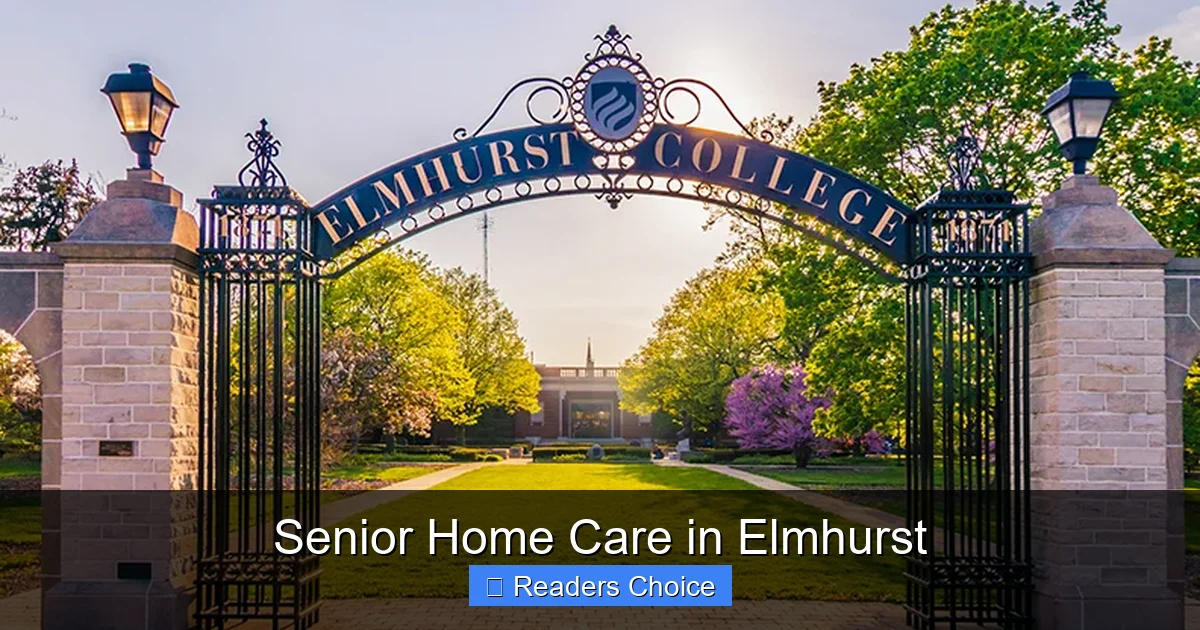
Visual guide about Senior Home Care in Elmhurst
Image source: elmhurst.edu
Types of Home Care Services
Home care services fall into two main categories: non-medical (also called personal care or companion care) and medical (often referred to as home health care). Non-medical care includes help with daily living activities like bathing, dressing, meal prep, light housekeeping, and transportation. These services are typically provided by certified nursing assistants (CNAs) or home health aides (HHAs).
Medical home care, on the other hand, involves skilled nursing, physical therapy, wound care, medication administration, and monitoring of chronic conditions. These services are delivered by licensed professionals such as registered nurses (RNs) or licensed practical nurses (LPNs), often under the supervision of a physician. Many agencies in Elmhurst offer both types of care, allowing for seamless transitions as a senior’s needs evolve.
Who Benefits from Home Care?
Home care isn’t just for seniors who are frail or ill. It’s also ideal for those who are relatively independent but need occasional support. For example, an 80-year-old who lives alone might struggle with grocery shopping or managing medications but doesn’t require full-time nursing. A caregiver can visit twice a week to help with errands, prepare meals, and provide social interaction—keeping the senior safe and engaged.
Others may need more intensive support due to conditions like dementia, Parkinson’s, or recovery from surgery. In these cases, home care can prevent hospital readmissions, reduce the risk of falls, and improve overall health outcomes. Families also benefit, gaining peace of mind knowing their loved one is being cared for by trained professionals in a familiar environment.
Benefits of Aging in Place with Home Care
One of the biggest advantages of senior home care in Elmhurst is that it enables aging in place—the ability to live safely and comfortably at home as you grow older. Research consistently shows that seniors who remain in their own homes experience better mental health, higher satisfaction, and fewer hospitalizations compared to those in institutional settings.
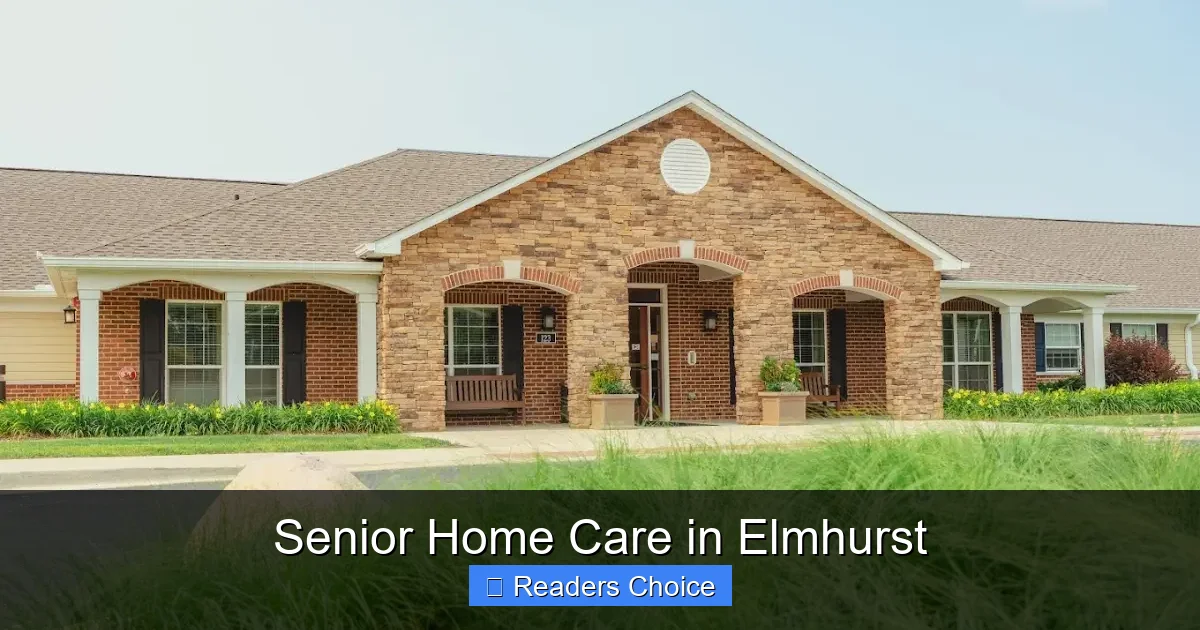
Visual guide about Senior Home Care in Elmhurst
Image source: jaybirdseniorliving.com
Familiarity and Emotional Well-Being
Home is more than just a physical space—it’s filled with memories, routines, and personal belongings that provide comfort and identity. Moving to a facility can be disorienting and stressful, especially for those with cognitive impairments. Staying at home allows seniors to maintain their sense of self and continue enjoying their favorite activities, whether it’s gardening in the backyard, watching birds from the kitchen window, or hosting family dinners.
Caregivers often become trusted companions, offering not just practical help but emotional support. They might play cards, look through photo albums, or simply sit and chat. This kind of connection combats loneliness and depression, which are common among older adults. In fact, a study by the National Institute on Aging found that social isolation increases the risk of premature death by 50%—making companionship a vital part of senior care.
Improved Safety and Health Outcomes
Falls are the leading cause of injury among seniors, and many happen at home. But with a caregiver present, risks are significantly reduced. Caregivers can help with mobility, ensure walkways are clear, and remind seniors to use assistive devices like walkers or grab bars. They also monitor for signs of illness or medication side effects, often catching problems early.
For seniors with chronic conditions like diabetes or heart disease, consistent monitoring is key. Home care providers can track blood pressure, blood sugar, and other vital signs, reporting any changes to family members or healthcare providers. This proactive approach helps prevent complications and reduces the need for emergency room visits.
Cost-Effective Compared to Institutional Care
While home care isn’t free, it’s often more affordable than assisted living or nursing home care—especially when services are tailored to actual needs. For example, hiring a caregiver for 20 hours a week may cost significantly less than a monthly facility fee. Plus, many families use a combination of paid care, family support, and community resources to stretch their budgets.
Medicare, Medicaid, and long-term care insurance may also help cover costs, depending on the type of service and eligibility. Local agencies in Elmhurst can assist with navigating these options and finding financial assistance programs.
How to Choose the Right Home Care Agency in Elmhurst
With so many providers to choose from, selecting the right home care agency can feel daunting. But taking the time to research and compare options ensures your loved one receives high-quality, reliable care. Here’s what to look for when evaluating senior home care in Elmhurst.

Visual guide about Senior Home Care in Elmhurst
Image source: jaybirdseniorliving.com
Licensing and Accreditation
Start by verifying that the agency is licensed by the Illinois Department of Public Health and accredited by a reputable organization like The Joint Commission or CHAP (Community Health Accreditation Partner). These credentials indicate that the agency meets state and national standards for safety, training, and service delivery.
Ask about the agency’s policies on background checks, drug testing, and ongoing staff training. Reputable providers conduct thorough screenings and offer regular education on topics like dementia care, infection control, and emergency response.
Customized Care Plans
No two seniors are alike, so care should never be one-size-fits-all. A good agency will conduct a comprehensive assessment—either in person or virtually—to understand your loved one’s medical history, mobility, cognitive function, and personal preferences. Based on this evaluation, they’ll create a customized care plan that outlines specific services, schedules, and goals.
For example, if your parent has early-stage Alzheimer’s, the plan might include memory exercises, structured routines, and safety modifications like removing tripping hazards. The plan should be reviewed and updated regularly as needs change.
Caregiver Matching and Compatibility
The relationship between a senior and their caregiver is crucial. A great match can make all the difference in comfort and trust. Look for agencies that prioritize compatibility, considering factors like personality, language, cultural background, and shared interests.
Many agencies in Elmhurst offer trial periods or introductory visits so families can meet caregivers before committing. Don’t hesitate to request a different caregiver if the first one isn’t a good fit—your loved one’s comfort comes first.
Transparent Communication and Family Involvement
Open communication is essential. Choose an agency that provides regular updates—via phone, email, or a mobile app—on your loved one’s condition, activities, and any concerns. Some agencies even offer family portals where you can view care notes, schedules, and medication logs.
You should also feel comfortable asking questions or requesting changes to the care plan. A responsive, respectful agency will listen to your feedback and work with you to ensure the best possible experience.
Specialized Care Services Available in Elmhurst
As seniors age, their health needs often become more complex. Fortunately, many home care agencies in Elmhurst offer specialized services to address conditions like dementia, Parkinson’s, stroke recovery, and more. These programs are designed to provide expert support while maintaining quality of life.
Dementia and Alzheimer’s Care
Caring for someone with dementia requires patience, knowledge, and a structured approach. Specialized dementia care providers in Elmhurst are trained in techniques like validation therapy, redirection, and sensory stimulation to reduce agitation and confusion.
They also help families create a safe, predictable environment—using labels, routines, and calming activities to minimize stress. For example, a caregiver might use music from the senior’s youth to spark memories or guide them through familiar tasks like folding laundry to maintain motor skills.
Post-Hospitalization and Rehabilitation Support
After a hospital stay, many seniors need help regaining strength and independence. Home care agencies often partner with physical, occupational, and speech therapists to provide in-home rehabilitation. This continuity of care speeds recovery and reduces the risk of readmission.
Caregivers assist with exercises, monitor progress, and ensure medications are taken correctly. They might also help with mobility aids, home modifications, and transportation to follow-up appointments.
Palliative and End-of-Life Care
For seniors with serious illnesses, palliative care focuses on comfort, pain management, and emotional support. While not the same as hospice care, it can be provided alongside curative treatments. Agencies in Elmhurst often collaborate with hospice providers to ensure seamless transitions when needed.
Caregivers in these situations are trained to handle sensitive conversations, provide spiritual support, and help families navigate difficult decisions with compassion.
Cost of Senior Home Care in Elmhurst
Understanding the cost of senior home care in Elmhurst is essential for planning and budgeting. Prices vary based on the type of service, level of care, and number of hours needed. On average, non-medical home care in the Chicago area costs between $25 and $35 per hour, while skilled nursing services may range from $75 to $125 per hour.
Factors That Influence Cost
Several factors affect pricing, including:
- Level of Care: Basic companion care is less expensive than skilled medical services.
- Hours Needed: Part-time care (e.g., 20 hours/week) costs less than full-time or live-in care.
- Caregiver Experience: Highly trained or specialized caregivers may charge more.
- Agency vs. Private Hire: Agencies include insurance, training, and oversight, which can increase costs but reduce risk.
Payment Options and Financial Assistance
Many families use a mix of personal funds, insurance, and government programs to cover home care costs. Medicare may pay for short-term skilled nursing or therapy after a hospital stay, but it doesn’t cover long-term custodial care. Medicaid, however, may help low-income seniors through the Illinois Home and Community-Based Services (HCBS) waiver program.
Long-term care insurance is another option—check your policy to see what’s covered. Veterans and their spouses may qualify for benefits through the VA’s Aid and Attendance program. Local agencies often have financial counselors who can help explore these options.
Tips for Families Considering Home Care
Starting the home care journey can feel overwhelming, but a few simple steps can make the process smoother and more effective.
Start the Conversation Early
Don’t wait for a crisis to discuss care options. Talk to your loved one about their preferences, fears, and goals while they’re still able to participate in decisions. This ensures their voice is heard and reduces family conflict later.
Involve the Senior in the Process
Whenever possible, include your loved one in choosing the agency and caregiver. Let them meet potential providers and share their thoughts. Feeling in control can boost confidence and cooperation.
Prepare the Home
Make simple modifications to improve safety: install grab bars in the bathroom, remove loose rugs, improve lighting, and ensure easy access to essentials. A home safety assessment by a professional can identify hidden risks.
Stay Involved
Even with professional care, family involvement is key. Visit regularly, attend care meetings, and stay in touch with the agency. Your presence provides emotional support and helps ensure the care plan stays on track.
Conclusion
Senior home care in Elmhurst offers a compassionate, flexible solution for aging adults who want to maintain their independence and quality of life. With personalized care plans, trained professionals, and a focus on dignity and comfort, in-home services empower seniors to thrive in the place they love most—their own home.
Whether your loved one needs a little help with daily tasks or specialized medical support, Elmhurst’s home care providers are equipped to deliver reliable, high-quality care. By choosing the right agency, staying involved, and planning ahead, families can ensure their aging relatives receive the support they deserve—while preserving their autonomy, safety, and happiness.
Frequently Asked Questions
What is the difference between home care and home health care?
Home care typically refers to non-medical support like bathing, meal prep, and companionship, provided by aides or CNAs. Home health care involves skilled medical services such as nursing, therapy, and wound care, delivered by licensed professionals under a doctor’s orders.
How do I know if my loved one needs home care?
Signs include difficulty with daily tasks (dressing, cooking), frequent falls, missed medications, social withdrawal, or changes in hygiene. A professional assessment can help determine the right level of support.
Can I hire a caregiver directly instead of using an agency?
Yes, but private hires require you to handle payroll, taxes, insurance, and background checks. Agencies manage these responsibilities and provide backup caregivers if needed, offering more reliability and peace of mind.
Does Medicare pay for senior home care in Elmhurst?
Medicare covers short-term skilled nursing or therapy after a hospital stay, but not long-term custodial care. Medicaid and private insurance may help cover ongoing services for eligible individuals.
How quickly can home care services start in Elmhurst?
Many agencies can begin services within 24 to 48 hours, especially in emergencies. Scheduling a consultation and assessment is the first step to getting care underway.
What if my loved one refuses home care?
Start with small, non-intrusive help like grocery delivery or light housekeeping. Frame care as support, not loss of independence. Involve trusted family members or doctors to gently encourage acceptance.