
Senior Exercise at Home for Mobility That Boosts Balance


Portable Wheelchair

Smart Doorbell Camera
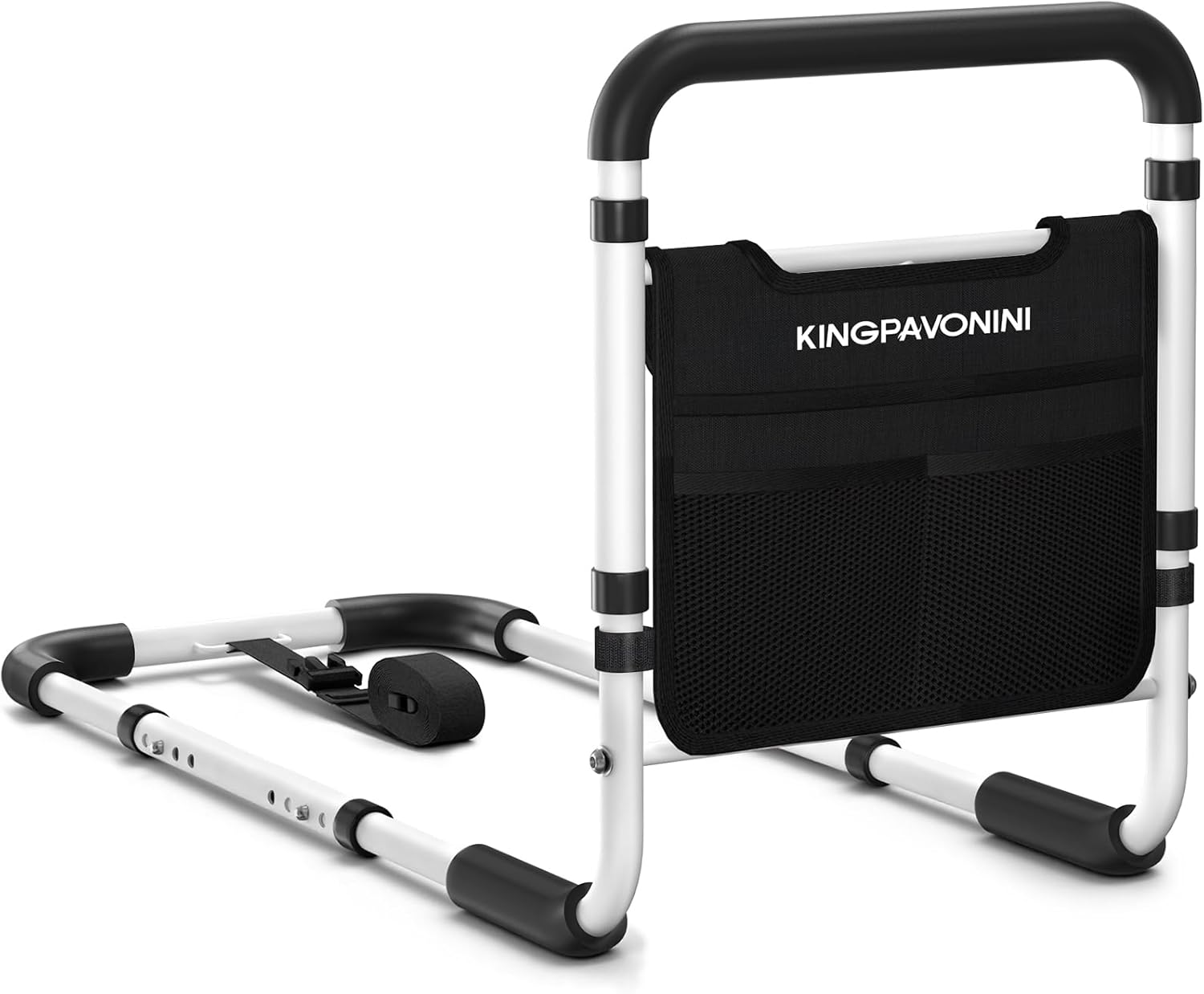
Bed Rail for Seniors
Senior exercise at home for mobility can help older adults stay steadier, stronger, and more confident with daily movement. The safest routines use a sturdy chair, slow progress, and medical guidance when health concerns or falls are involved.
Staying steady at home matters more than ever as we age. A simple senior exercise at home for mobility routine can help older adults move more comfortably, feel safer on their feet, and keep up with everyday tasks like standing up, walking to the kitchen, or turning in a hallway.
This guide from the SeniorsProTalk Editorial Team explains how to start safely, which movements help most, and how to make the routine fit different ability levels. If you have health concerns, recent surgery, or a history of falls, talk to your doctor before beginning.
- Start simple: Use seated and supported exercises first.
- Focus on safety: Clear the space and use stable support.
- Build balance slowly: Add standing work only as confidence improves.
- Watch for warning signs: Stop if dizziness, chest pain, or new pain appears.
Why Senior Exercise at Home for Mobility Matters in 2026
Mobility is not just about walking. It affects how easily you get out of a chair, climb a step, reach for a shelf, and recover if you lose your footing. When movement becomes harder, balance often becomes less reliable too.
Home exercise can help maintain strength in the legs, hips, and ankles, which are key for stability. It also gives seniors a practical way to stay active without needing a gym, a long drive, or expensive equipment.
How mobility affects balance, independence, and daily routines
Good mobility supports balance because the body can make small corrections more quickly. If your legs are weak or stiff, it can be harder to catch yourself after a stumble or turn safely in tight spaces.
Mobility also affects independence. Simple tasks like carrying laundry, getting into bed, or stepping into the shower can become more difficult when movement is limited. A steady routine at home may help those daily tasks feel less tiring and less risky.
- Better leg strength for standing and walking
- Improved balance for safer daily movement
- More confidence during routine tasks
- Lower stiffness from regular gentle motion
Who this routine is best for: beginners, caregivers, and older adults with limited movement
This type of routine is a good fit for beginners who want a gentle start, caregivers helping a loved one move more safely, and older adults with limited movement who need simple exercises they can do near a chair or wall.
It is also useful for people who are not ready for a formal class or who prefer privacy at home. If you use a walker, cane, or mobility aid, the routine can still be adapted. If pain, dizziness, or a medical condition limits your movement, consult your healthcare provider first.
Mobility needs vary by age, diagnosis, medications, and recovery status. What feels safe for one person may not be safe for another, so it is wise to get personalized advice when needed.
Safe Ways to Start a Home Mobility Routine
Safety comes first, especially if you have fallen before or feel unsteady when standing. A few simple precautions can make home exercise much safer and more effective.
Health checks, fall-risk awareness, and when to get medical clearance
Before starting, think about recent changes in your health. New weakness, poor vision, foot pain, dizziness, or changes in medication can all affect balance.
If you have heart problems, arthritis flare-ups, osteoporosis, neuropathy, joint replacements, or a recent fall, talk to your doctor before beginning. You may need guidance on what movements are safe and what should be avoided.
Get medical clearance if you have chest pain, severe shortness of breath, repeated falls, new swelling, or a condition that affects walking or balance.
Setting up a safe exercise space with a chair, wall support, and non-slip footwear
Pick a clear area with enough room to stand, step sideways, and turn slowly. Remove loose rugs, cords, and clutter. Good lighting matters too, especially for older adults with vision changes.
Use a sturdy chair that does not roll and can support your weight. A wall, countertop, or rail can add extra support. Wear shoes with a non-slip sole rather than socks alone, since bare feet or slippery footwear can increase fall risk.
- Stable chair with no wheels
- Clear floor space
- Good lighting
- Support nearby, like a wall or counter
- Non-slip footwear
How often seniors should exercise at home for mobility
For many older adults, short sessions most days of the week work better than long workouts. A few minutes of gentle movement can be a good starting point, then you can build up slowly as your strength and confidence improve.
Try to avoid doing too much too soon. If you feel tired after a routine, that is normal. If you feel wiped out, shaky, or sore for more than a day, scale back and talk to your doctor or physical therapist if needed.
Best Senior Exercise at Home for Mobility That Improves Balance
The best exercises for mobility are usually simple, controlled, and repeatable. Focus on movements that wake up the legs, ankles, hips, and core while also helping the body stay steady.
Seated marches and ankle circles for warm-up and circulation
Start with seated marches by lifting one knee at a time while sitting tall in a sturdy chair. This helps warm up the hips and legs without requiring you to stand right away.
Ankle circles are another gentle choice. Lift one foot slightly and slowly circle the ankle in each direction. These moves can improve circulation and prepare the lower body for balance work.
Lift one knee, lower it, then switch sides in a slow rhythm.
Rotate each ankle gently to loosen stiffness and warm the joints.
Chair stands, heel raises, and toe lifts for lower-body strength
Chair stands are one of the most useful mobility exercises because they train the movement of getting up from a seat. Use your hands on the chair arms or seat if needed, and stand slowly.
Heel raises help strengthen the calves and improve ankle control. Toe lifts, which raise the front of the foot while the heels stay down, can help with foot clearance during walking and reduce shuffling.
- Supports standing from chairs more easily
- Strengthens ankles and calves
- Improves foot control during walking
- Can be tiring if done too quickly
- May need hand support at first
- Not ideal during active knee or hip pain without advice
Side steps, weight shifts, and tandem stance for balance control
Side steps train your body to move safely in more than one direction. Take small steps to the side while holding a counter or chair if needed.
Weight shifts are also helpful. Stand with feet apart and gently move your weight from one leg to the other. Tandem stance, where one foot stands slightly in front of the other, can challenge balance more, so only try it with support and enough space nearby.
Balance exercises can increase fall risk if you rush, multitask, or practice near unstable furniture. Always keep support within reach.
Gentle stretching for hips, calves, shoulders, and back
Stretching can ease stiffness that makes movement feel harder. Gentle calf stretches, seated hip stretches, shoulder rolls, and easy back extension movements may help you feel looser before or after exercise.
Stretch only to a mild pull, not pain. Breathing normally matters here too. If you hold your breath or force a stretch, you may tense up instead of relaxing.
Many seniors feel steadier when they combine light strength work with balance practice and gentle stretching instead of doing just one type of exercise.
Step-by-Step Home Routine for Different Mobility Levels
Not every older adult starts from the same place. The right routine depends on current strength, pain level, and whether you can stand comfortably.
Beginner routine for frail seniors or those recovering from inactivity
If you are frail or have been inactive, begin with seated movement and short standing practice only if it feels safe. A simple routine might include seated marches, ankle circles, shoulder rolls, and a few assisted chair stands.
Rest between exercises. The goal is not to finish fast. The goal is to move safely and build a habit you can repeat tomorrow.
Intermediate routine for older adults who can stand with support
If you can stand with support, add heel raises, toe lifts, side steps, weight shifts, and a brief tandem stance near a counter. You can also repeat chair stands a few times to build lower-body strength.
Move slowly and keep your eyes forward. If you feel steady, you may gradually reduce hand support, but only when you are confident and safe.
Modified options for walkers, canes, or limited joint movement
People who use walkers or canes can still do many mobility exercises, but the setup should be adapted. A walker is not always the right support for standing exercises unless a therapist says it is safe to use that way.
If your joints do not bend comfortably, shorten the range of motion. For example, do smaller knee lifts, gentler side steps, or seated heel raises. If you are unsure, ask a physical therapist to show you safe modifications.
| Option | Best For | Note |
|---|---|---|
| Seated routine | Frail seniors or low energy days | Good starting point when standing feels hard |
| Standing with support | Older adults with moderate balance | Use a chair, wall, or counter for safety |
| Therapist-guided plan | Recent falls or medical recovery | Best when movement limits are more complex |
Common Mistakes That Reduce Results or Increase Fall Risk
Even a simple routine can become less helpful if it is rushed or done without the right support. Knowing the common mistakes can help you stay safe and see better results.
Skipping warm-ups or moving too fast
Cold muscles and stiff joints need a little time to wake up. Skipping the warm-up can make movement feel harder and less controlled.
Moving too fast can also throw off balance. Slow, steady motion is usually safer and more effective for older adults.
Using unstable furniture instead of proper support
Do not use a wheeled chair, light table, or unstable sofa arm for balance. These can slide or tip when you put weight on them.
Choose support that is sturdy and fixed in place. A wall or solid countertop is often better than a piece of furniture that was not meant to hold your weight.
Overstretching, holding breath, or ignoring pain signals
Stretching should feel gentle, not sharp. If you push too far, you may irritate joints or muscles instead of helping them.
Some people also hold their breath during effort, especially while standing up. Try to breathe normally. If pain is new, strong, or lingering, stop and consult your healthcare provider.
Doing balance work without enough supervision or rest
Balance training can be useful, but it should not be done when you are exhausted, dizzy, or distracted. Even a small loss of focus can cause a fall.
If you are at high risk for falls, ask a caregiver, family member, or therapist to be nearby. That extra support can make practice safer and more consistent.
How to Track Progress and Know the Routine Is Working
Progress is not always dramatic. For many seniors, the signs show up in small ways first, like feeling less stiff or needing less effort to stand up from a chair.
Signs of better balance, easier walking, and improved confidence
You may notice you feel steadier when turning, walking across a room, or stepping off a curb. Some people also feel more confident doing daily tasks that once seemed risky.
Another good sign is less hesitation. When you stop worrying as much about losing your footing, that often means your body is adapting well to the routine.
Simple ways to measure progress at home without special equipment
You do not need special tools to track improvement. You can note how many chair stands you can do, how long you can stand with support, or whether you need less hand help than before.
A notebook or calendar can help. Write down your routine days, what exercises you did, and how you felt afterward. That record makes it easier to spot patterns over time.
- Track chair stands, standing time, and walking comfort
- Watch for less stiffness and more confidence
- Keep notes so changes are easier to see
When to increase repetitions, time, or difficulty
Increase only when the current level feels manageable for several sessions in a row. A small change, such as one or two more repetitions, is usually better than a big jump.
If you feel sore, shaky, or overly tired after increasing the routine, go back to the previous level. Slow progress is still progress.
Cost, Convenience, and Home Exercise vs. In-Person Programs
One reason home exercise is so popular is that it is affordable and flexible. It can fit into daily life without the cost or travel time of many outside programs.
Low-cost equipment options: chair, resistance band, light hand weights
Most mobility exercises need very little equipment. A sturdy chair is the main item. A resistance band or light hand weights may be helpful later, but they are not required to begin.
Because home exercise is usually low-cost, it can be easier to maintain long term. If you are comparing options, ask your healthcare provider whether any equipment or therapy visits might be covered by Medicare or your insurance plan. Coverage can vary by plan and medical need.
Comparing home routines with senior fitness classes or physical therapy visits
Home routines are convenient and private. They are a good choice if you want simple daily movement or need to start gently.
Senior fitness classes can add social support and structure, while physical therapy offers individualized guidance for pain, weakness, or recovery after an injury. If your balance problems are getting worse, a therapist may be the safer choice.
| Option | Best For | Note |
|---|---|---|
| Home routine | Convenience and low cost | Good for regular practice |
| Fitness class | Motivation and group support | May not fit severe mobility limits |
| Physical therapy | Pain, falls, or recovery | Most personalized option |
How caregivers can support consistency without adding much expense
Caregivers can help by setting out the chair, clearing the floor, and offering a steady arm or nearby supervision. That support can make a routine feel safer and easier to repeat.
They can also help with reminders. A simple daily cue, such as doing the exercises after breakfast or before lunch, often works better than trying to remember a random time each day.
When to Stop and Get Expert Help
Home exercise should feel challenging in a gentle way, not alarming. If something feels wrong, stop and get help rather than trying to push through.
Warning signs such as dizziness, chest pain, shortness of breath, or new pain
Stop right away if you feel dizzy, lightheaded, short of breath, have chest pain, or notice sudden weakness. New joint pain or pain that gets worse during exercise also deserves attention.
These symptoms can have different causes, and some need urgent care. When in doubt, contact your doctor or healthcare provider.
Do not continue exercising through chest pain, faintness, or sudden changes in breathing, balance, or strength.
When balance problems may need a physical therapist, doctor, or fall-prevention specialist
If you keep losing your balance, avoid walking because you feel unsafe, or have already had several falls, professional help is a smart next step. A physical therapist can look at strength, posture, and walking patterns in a more detailed way.
Your doctor may also check for medication side effects, blood pressure issues, vision problems, or nerve changes. Those factors can make a big difference in balance.
When home exercise should be adjusted after surgery, illness, or a recent fall
After surgery, illness, or a recent fall, your body may need a slower return to activity. What was safe before may not be safe now.
Get clear instructions from your doctor, surgeon, or therapist before restarting or changing your routine. A few extra weeks of caution can help you recover more safely.
Final Recap: Building a Safer, Stronger Mobility Routine at Home
A good senior exercise at home for mobility routine is simple, steady, and safe. It usually includes warm-ups, lower-body strength, balance practice, and gentle stretching, all matched to the person’s current ability.
With the right support, older adults can build confidence at home without expensive equipment or complicated workouts. If you are unsure where to start, talk to your doctor or a physical therapist so the plan fits your health needs.
Key takeaways for staying consistent, safe, and balanced
Start with support, move slowly, and keep sessions short enough to repeat often. Use a sturdy chair, clear space, and non-slip shoes to reduce fall risk.
Track small improvements, and adjust the routine gradually. If symptoms change or balance gets worse, get professional guidance instead of guessing.
Encouragement for making small daily movement a long-term habit
Even a few minutes a day can matter when done consistently. Small steps often lead to better confidence, easier movement, and a safer home routine over time.
For many older adults, the best plan is the one they can keep doing. Gentle daily movement may be the most practical way to support mobility for the long run.
Frequently Asked Questions
The best routine usually combines seated warm-ups, chair stands, heel raises, balance practice, and gentle stretching. The right mix depends on your current strength and balance, so talk to your doctor if you are unsure what is safe.
Many seniors do best with short sessions most days of the week. Start slowly and build up only if the routine feels manageable and does not leave you overly tired or sore.
Yes, many can, but the setup must be safe. Use a sturdy chair or wall for support, clear the floor, and ask a healthcare provider or physical therapist for guidance if falls are a concern.
Avoid rushing, holding your breath, using unstable furniture, or stretching into pain. Stop if you feel dizzy, short of breath, or have chest pain, and contact your doctor if symptoms continue.
Usually no. A sturdy chair and a safe open space are enough to begin, and light bands or hand weights can be added later if your healthcare provider says they are appropriate.
See a physical therapist if you have repeated falls, feel unsteady often, or have pain or weakness that makes walking harder. A therapist can adjust exercises to fit your needs more safely.