
Senior Citizen Day Care Activities


Tablet for Seniors

Upright Walker

Orthopedic Sandals
Senior citizen day care activities are designed to keep older adults engaged, healthy, and socially connected. These programs offer everything from arts and crafts to light exercise and cognitive games, all in a safe and welcoming environment. Participating in these activities can reduce loneliness, support physical health, and enhance overall well-being for seniors.
Imagine stepping into a warm, welcoming space filled with laughter, the soft strum of a guitar, and the clinking of cups during tea time. This is the heart of a senior citizen day care center—a place where aging isn’t just accepted but celebrated. For many older adults, especially those who live alone or have limited mobility, these programs become more than just supervision; they’re lifelines. They offer companionship, purpose, and a sense of belonging.
Senior citizen day care activities are carefully crafted to meet the unique needs of older adults. Whether it’s a morning stretch session, an afternoon book club, or a weekly art class, each activity supports physical health, mental clarity, and emotional well-being. These aren’t one-size-fits-all programs. Instead, they adapt to different abilities, cultural backgrounds, and personal interests. The goal? To create joy, foster independence, and remind participants that they still have so much to contribute.
In this article, we’ll explore the wide range of senior citizen day care activities available today. From creative expression to physical movement, from learning new skills to sharing old stories, we’ll show you how these programs enrich lives—and why they matter more than ever.
Key Takeaways
- Social Engagement: Senior day care centers provide opportunities for meaningful interaction, helping reduce isolation and promote emotional health.
- Physical Wellness: Activities like chair yoga, walking clubs, and gentle stretching help maintain mobility, balance, and strength.
- Mental Stimulation: Puzzles, memory games, and group discussions keep the mind active and may slow cognitive decline.
- Cultural Enrichment: Many programs include music, dance, storytelling, or local history lessons to celebrate life experiences.
- Family Involvement: Family events and volunteer opportunities allow loved ones to participate and strengthen bonds.
- Personalized Care: Activities are often tailored to individual abilities, interests, and health conditions for maximum benefit.
- Holistic Support: Beyond fun, these programs offer nutrition, transportation, and wellness education as part of a full-service model.
📑 Table of Contents
- Why Are Senior Citizen Day Care Activities Important?
- Types of Senior Citizen Day Care Activities
- How to Choose the Right Senior Citizen Day Care Program
- Innovative Ideas to Enhance Day Care Activities
- Benefits Beyond Entertainment
- Supporting Families and Caregivers
- Looking Ahead: The Future of Senior Citizen Day Care Activities
- Conclusion: Investing in Joyful Aging
Why Are Senior Citizen Day Care Activities Important?
As people age, daily routines can become isolating. Retirement, loss of friends or spouses, and reduced mobility often lead to loneliness. That’s where senior citizen day care activities shine. They break up the monotony of home life and replace it with connection, challenge, and fun.
These activities do more than entertain. They support brain health by stimulating memory and problem-solving skills. They encourage physical activity, which helps prevent falls and chronic disease. And most importantly, they build community. Seniors who attend day care programs report higher satisfaction with life and lower rates of depression.
Consider Maria, a 78-year-old widow who moved to a smaller apartment after her husband passed away. At first, she felt lost and disconnected. But when she started attending a local day care center, everything changed. She joined a knitting circle, took part in trivia games, and even helped organize bingo nights. Within months, she said, “I feel like myself again.”
That’s the power of well-designed senior citizen day care activities. They don’t just fill time—they restore dignity, spark joy, and prove that aging can be vibrant and fulfilling.
Types of Senior Citizen Day Care Activities

Visual guide about Senior Citizen Day Care Activities
Image source: dependableseniorcare.com
The beauty of modern day care programs lies in their diversity. There’s something for everyone, regardless of background, ability, or interest. Let’s look at some popular categories:
1. Arts and Crafts
Creative expression is a cornerstone of many senior day care programs. Painting, drawing, pottery, and scrapbooking allow seniors to tap into their imagination. These activities improve fine motor skills and hand-eye coordination while providing a sense of accomplishment.
For example, at the Martin Janis Senior Citizen Center in Texas, residents paint landscapes inspired by their travels. One woman created a series of watercolors depicting her childhood farm—her pride and joy. Not only did she enjoy the process, but she also sold prints at a local market, earning extra income and confidence.
2. Music and Movement
Music has a magical way of connecting generations. Sing-alongs, dance classes, and even karaoke sessions bring smiles and energy. Chair aerobics and tai chi are excellent options for those with limited mobility.
At a Florida-based program, retirees gather every Tuesday for “Salsa Sundays.” Led by a local instructor, the class includes seated salsa steps, rhythm exercises, and partner dancing. Participants say it’s not about perfection—it’s about feeling alive.
3. Cognitive Games and Learning
Mental stimulation is key to healthy aging. Word puzzles, crosswords, memory games, and trivia challenges keep the brain sharp. Some centers even host lectures on current events, history, or science.
One innovative program in Charlotte, NC, partners with local universities to bring college students for “Brain Buddies” sessions. Seniors and young adults play chess, solve logic problems, and discuss books. The mutual benefit is remarkable: seniors stay engaged, and students gain real-world experience.
4. Physical Fitness Programs
Regular physical activity reduces fall risk, improves circulation, and strengthens muscles. Senior day care centers offer adapted versions of popular workouts:
– Chair yoga improves flexibility without strain
– Water aerobics eases joint pain
– Walking clubs promote cardiovascular health
Many centers also incorporate balance training using simple tools like foam pads or resistance bands.
5. Social and Recreational Events
Bingo, card games, board games, and movie mornings are staples. But today’s programs go further—hosting potlucks, holiday celebrations, talent shows, and outings to museums or parks.
For instance, the Open Door Senior Citizen Center in Ohio organizes monthly field trips. Last year, they visited a winery, toured a historic lighthouse, and even went ice skating (with heated benches!). These adventures create lasting memories and stories to share.
6. Volunteer and Leadership Opportunities
Giving back fosters purpose. Some seniors mentor younger volunteers, teach a craft class, or lead a discussion group. Others help run the center itself—organizing events, managing supplies, or greeting guests.
One retired teacher now co-leads a weekly “Story Circle,” where participants share life experiences. Her passion inspires others to open up, creating deep bonds across generations.
How to Choose the Right Senior Citizen Day Care Program
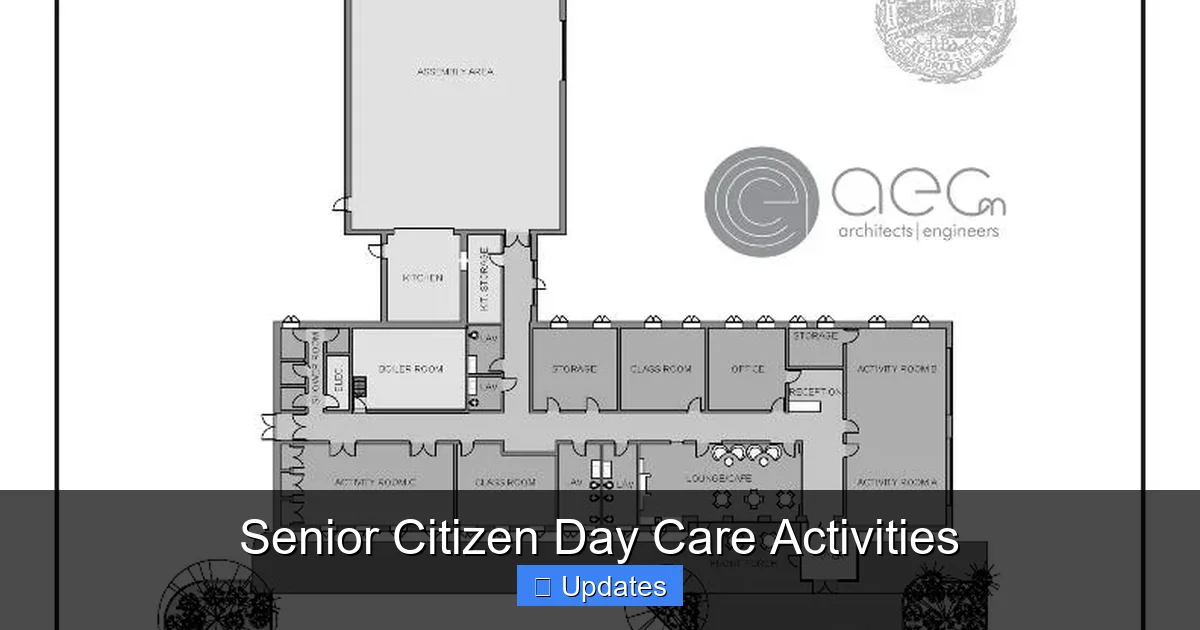
Visual guide about Senior Citizen Day Care Activities
Image source: cityofportsmouth.com
With so many options available, how do families find the best fit? Start by considering your loved one’s needs and preferences. Does he or she enjoy quiet reflection or lively group settings? Are there dietary restrictions or medical considerations?
Visit potential centers in person. Observe how staff interact with residents. Is the environment clean, cheerful, and safe? Talk to other families. Ask about daily schedules, emergency procedures, and staff qualifications.
Cost is another factor. While some programs are subsidized, others charge fees. Be sure to ask whether financial aid or sliding-scale payments are available. You might also check if your insurance covers part of the cost.
Also, consider location and transportation. A center within walking distance or near public transit makes attendance easier. Flexibility matters too—does the program offer half-day, full-day, or respite options?
Finally, trust your gut. If something feels off—if the staff seems rushed or the activities lack variety—keep looking. The right senior citizen day care should feel like a second home.
Innovative Ideas to Enhance Day Care Activities
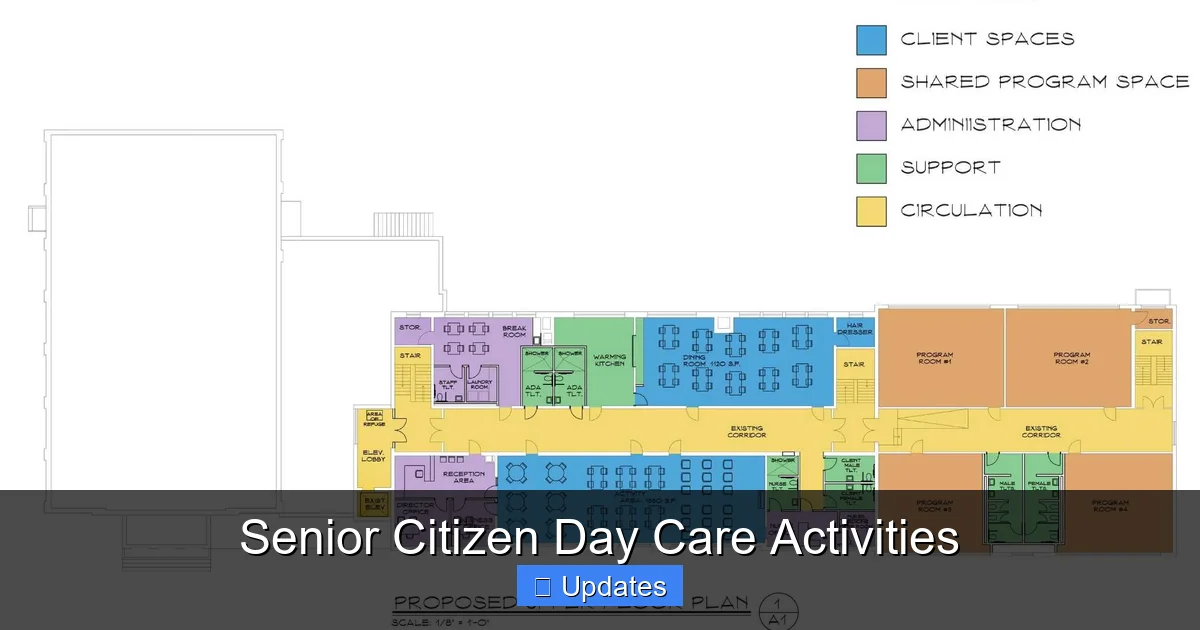
Visual guide about Senior Citizen Day Care Activities
Image source: s.hdnux.com
Day care centers are always evolving. Here are fresh ideas to inspire creativity and engagement:
Technology Integration
Not all seniors are tech-averse. Introducing tablets for virtual visits with grandchildren or online museum tours can bridge generational gaps. Simple apps for meditation or language learning also add value.
Intergenerational Programs
Pairing seniors with schoolchildren for reading sessions, garden work, or art projects builds empathy and combats ageism. Kids learn compassion; seniors feel needed.
Therapeutic Gardening
Raising herbs, flowers, or vegetables teaches responsibility and provides sensory enjoyment. Plus, sunlight boosts vitamin D levels naturally.
Pet Therapy
Visits from trained therapy animals reduce anxiety and increase social interaction. Even watching fish swim in an aquarium can calm the mind.
Cooking Classes
Teaching healthy recipes or traditional family dishes connects culture and nurtures independence. Seniors often relish the chance to cook for others.
Virtual Reality Experiences
For adventurous souls, VR headsets can transport them back in time—visiting places they loved decades ago or exploring distant lands.
These innovations show that senior citizen day care activities don’t have to be static. With imagination, they can grow alongside the needs of the community.
Benefits Beyond Entertainment
While fun is a big part of the equation, the real magic happens behind the scenes. Senior day care activities deliver measurable benefits:
– Improved Mood: Social interaction releases oxytocin, the “feel-good” hormone.
– Better Sleep: Daily routines and light exercise regulate circadian rhythms.
– Stronger Immunity: Reduced stress supports a healthier immune system.
– Increased Confidence: Mastering new skills builds self-esteem.
– Delayed Onset of Dementia: Mental engagement slows cognitive decline.
Dr. Elena Torres, a geriatric specialist in San Antonio, notes, “We’ve seen firsthand how consistent participation in structured activities correlates with longer independence and fewer hospitalizations.”
Moreover, families gain peace of mind. Knowing their parent is safe, nourished, and happy lets caregivers focus on other responsibilities.
Supporting Families and Caregivers
Caregiving is demanding. Many adult children struggle to balance work, parenting, and elder care. That’s why day care programs often include resources for families too.
Workshops on communication, legal planning, and stress management help caregivers navigate complex decisions. Respite care—short-term relief—allows family members to recharge.
Some centers even offer “family days” where relatives join activities together. These shared moments strengthen relationships and clarify expectations.
If you’re a caregiver, remember: asking for help isn’t weakness—it’s wisdom. Senior citizen day care isn’t about replacing family love; it’s about extending support networks.
Looking Ahead: The Future of Senior Citizen Day Care Activities
The landscape of aging is shifting. More people are living longer, and society is embracing aging as a natural part of life. As a result, senior citizen day care programs are becoming more sophisticated, inclusive, and personalized.
Emerging trends include:
– Telehealth integration for remote check-ins
– AI-powered activity matching based on interests and health data
– Sustainability initiatives like composting and solar energy
– Multicultural programming honoring diverse heritage
Centers are also expanding beyond recreation. Many now offer on-site health screenings, medication management, and partnerships with physical therapists.
Ultimately, the future belongs to programs that see seniors not as patients or dependents—but as valued members of the community with gifts to give.
Conclusion: Investing in Joyful Aging
Senior citizen day care activities are far more than entertainment—they’re investments in dignity, health, and happiness. In a world that sometimes overlooks older adults, these programs affirm their worth and vitality.
Whether it’s a painting class, a walk around the block, or simply sharing coffee with friends, every moment counts. By choosing active, engaging lifestyles, seniors prove that age doesn’t diminish life—it deepens it.
For families, supporting these choices means honoring the wisdom and legacy of loved ones. For society, it’s a reminder that caring for our elders enriches us all.
So next time you hear about a day care center, consider what it offers beyond supervision. Think of it as a hub of possibility—where laughter echoes, minds sparkle, and hearts connect.
After all, aging beautifully starts with being seen, heard, and included. And that’s exactly what senior citizen day care activities provide.
Frequently Asked Questions
What types of activities are offered at senior citizen day care centers?
Senior citizen day care centers typically offer a mix of recreational, educational, and therapeutic activities such as arts and crafts, music sessions, light exercise classes, cognitive games, social gatherings, and intergenerational programs. These activities are designed to support physical health, mental sharpness, and emotional well-being in a safe, social environment.
Are senior citizen day care activities suitable for individuals with dementia or Alzheimer’s?
Yes, many day care programs specialize in serving seniors with dementia or cognitive impairments. Activities are often modified to accommodate memory loss and may include reminiscence therapy, simplified crafts, guided relaxation, and familiar music. Staff are usually trained in dementia care to ensure safety and engagement.
How much does it cost to attend a senior day care program?
Costs vary widely depending on location, services provided, and whether the center is nonprofit or for-profit. Some programs are low-cost or subsidized by government or charitable organizations. On average, fees range from $20 to $60 per day. For details, check How Much Does Senior Day Care Cost Per Month.
Can seniors with limited mobility participate in day care activities?
Absolutely. Most modern day care centers offer adaptive activities such as chair yoga, seated exercises, tabletop games, and wheelchair-accessible outings. Physical accessibility is a priority, and staff often customize participation to match individual abilities.
Do I need to be retired to attend a senior citizen day care center?
No, retirement status isn’t required. Anyone over the age of 55 or 60 (depending on local definitions) can usually attend. Some centers welcome working adults who want socialization outside the office, while others cater specifically to retirees seeking structure and friendship.
How can I find a reputable senior day care center near me?
Start by searching online directories or contacting local Area Agencies on Aging. You can also read reviews, visit centers in person, and ask about staff qualifications, safety protocols, and activity variety. For help finding options in your area, see Senior Day Care Centers Near Me Find Options.