
Senior Bridge Home Health Care


Bathtub Transfer Bench

Back Massager with Heat

Spill-Proof Travel Mug
Senior bridge home health care bridges the gap between hospital discharge and full recovery, offering personalized medical and non-medical support at home. It helps older adults regain independence, manage chronic conditions, and avoid unnecessary readmissions—all in the comfort of their own space.
When an older adult is discharged from the hospital after surgery, illness, or a medical event like a stroke or heart attack, the journey home can feel overwhelming. They may still be weak, confused about medications, or unsure how to manage daily tasks. This is where **senior bridge home health care** steps in—like a safety net during a vulnerable time. It’s not just about getting someone home; it’s about helping them stay there, recover fully, and avoid bouncing back to the hospital.
Think of senior bridge home health care as a temporary but essential support system. It’s designed for seniors who no longer need inpatient care but aren’t yet ready to manage on their own. Whether it’s recovering from a hip replacement, managing diabetes after a hospitalization, or regaining strength after pneumonia, this type of care fills the gap. It brings professional medical services directly to the home, offering peace of mind to both seniors and their families.
What makes this model so effective is its holistic approach. It’s not only about treating symptoms or administering medications—it’s about restoring independence, improving quality of life, and building confidence. From helping with bathing and dressing to teaching safe mobility techniques, every service is aimed at helping seniors regain control of their lives. And because care happens at home, it’s more comfortable, less stressful, and often more effective than extended facility stays.
Key Takeaways
- Senior bridge home health care provides transitional support after hospitalization to help older adults recover safely at home with professional oversight.
- Services include skilled nursing, physical therapy, medication management, and personal care tailored to each individual’s recovery goals.
- It reduces hospital readmission rates by ensuring continuity of care and close monitoring during the critical post-discharge period.
- Care plans are customized and supervised by licensed healthcare professionals, including nurses, therapists, and home health aides.
- Family caregivers benefit from reduced stress and increased confidence knowing their loved one is receiving expert care at home.
- Medicare and many insurance plans often cover senior bridge home health care when prescribed by a physician and meeting eligibility criteria.
- It promotes aging in place with dignity by combining medical support with emotional and practical assistance in a familiar environment.
📑 Table of Contents
What Is Senior Bridge Home Health Care?
Senior bridge home health care is a short-term, medically supervised program that supports older adults during the critical transition from hospital to home. The term “bridge” reflects its role: connecting acute medical care with long-term wellness and independence. This type of care typically lasts a few weeks to a few months, depending on the individual’s recovery progress.
Unlike long-term home care, which may focus on companionship or daily living support, senior bridge care is clinical in nature. It’s prescribed by a doctor and delivered by licensed professionals such as registered nurses, physical therapists, occupational therapists, and home health aides. The goal is to stabilize the patient’s condition, prevent complications, and ensure they can safely manage their health at home.
For example, imagine an 80-year-old woman who had knee replacement surgery. After a few days in the hospital, she’s discharged but still needs help with pain management, wound care, and physical therapy. A senior bridge home health care team visits her three times a week. A nurse checks her incision, manages her medications, and monitors for signs of infection. A physical therapist works with her on exercises to regain strength and mobility. An aide helps with bathing and dressing until she can do it herself. This coordinated care helps her heal faster and reduces the risk of falling or being readmitted.
Who Needs Senior Bridge Home Health Care?
This type of care is ideal for seniors who are medically stable enough to leave the hospital but still require professional support. Common situations include recovery from surgery, hospitalization for heart failure, stroke, pneumonia, or chronic obstructive pulmonary disease (COPD). It’s also beneficial for those managing multiple medications, wound care, or mobility challenges.
Seniors with cognitive impairments, such as mild dementia, can also benefit—especially if they need reminders to take medications or assistance with daily routines. The presence of a trained caregiver helps prevent confusion and ensures safety.
Family caregivers often play a vital role, but they may not have the medical training or time to provide the level of care needed during recovery. Senior bridge home health care complements their efforts, offering expert support while allowing family members to focus on emotional support and companionship.
How It Differs from Other Types of Home Care
It’s important to distinguish senior bridge home health care from other services like non-medical home care or hospice care. Non-medical home care focuses on companionship, light housekeeping, and personal care—great for long-term support but not equipped for medical needs. Hospice care is for end-of-life comfort, not recovery.
Senior bridge care, on the other hand, is medical and goal-oriented. It’s time-limited and focused on rehabilitation and stabilization. Once the patient reaches their recovery goals—like walking independently or managing medications without help—the services typically end. This makes it a cost-effective solution that targets specific health needs without long-term commitments.
Key Services Offered in Senior Bridge Home Health Care

Visual guide about Senior Bridge Home Health Care
Image source: bridgehh.com
The services provided in senior bridge home health care are comprehensive and tailored to each individual’s medical and functional needs. They are delivered by a multidisciplinary team and coordinated under a physician-approved care plan.
Skilled Nursing Care
Registered nurses (RNs) or licensed practical nurses (LPNs) visit the home to perform medical tasks that require clinical expertise. This includes wound care, IV therapy, catheter care, and monitoring vital signs. Nurses also assess the patient’s overall condition, watch for complications, and communicate with the doctor if changes occur.
For instance, a senior recovering from a heart attack might need daily blood pressure checks and medication adjustments. The nurse ensures the medications are taken correctly and reports any irregularities, such as swelling or shortness of breath, that could signal heart failure.
Physical, Occupational, and Speech Therapy
Therapists play a crucial role in helping seniors regain strength, mobility, and independence. Physical therapists design exercise programs to improve balance, strength, and walking ability. Occupational therapists focus on daily living skills—like dressing, cooking, and using the bathroom—and may recommend adaptive equipment such as grab bars or shower chairs.
Speech therapists assist those who’ve had a stroke or suffer from swallowing difficulties. They work on communication skills and safe eating techniques to prevent choking or aspiration pneumonia.
These therapies are not just about physical recovery—they rebuild confidence. When a senior can walk to the bathroom without help or prepare a simple meal, it’s a major milestone in their healing journey.
Medication Management
After hospitalization, seniors often return home with complex medication regimens—multiple pills, different dosages, and strict timing. Mismanagement can lead to serious complications or readmission.
Home health nurses or aides help by organizing medications, setting up pill planners, and reminding patients when to take doses. They also educate patients and families about side effects and interactions. For example, a nurse might explain why a blood thinner must be taken at the same time each day and what foods to avoid.
Personal Care and Assistance with Daily Living
While the focus is medical, many seniors also need help with personal tasks during recovery. Home health aides assist with bathing, grooming, dressing, and toileting. They may also help with light housekeeping, meal preparation, and mobility support.
This support is especially important for seniors who live alone or have limited family help. It ensures they stay clean, nourished, and safe while their strength returns.
Health Monitoring and Education
A key component of senior bridge care is ongoing monitoring. Nurses track symptoms, weight, blood pressure, and other indicators to catch problems early. They also educate patients and families about warning signs—like increased swelling, confusion, or chest pain—that require immediate medical attention.
Education extends to lifestyle changes. For example, a senior with congestive heart failure might learn about low-sodium diets, fluid restrictions, and the importance of daily weight checks. This empowers them to manage their condition long-term.
Benefits of Choosing Senior Bridge Home Health Care
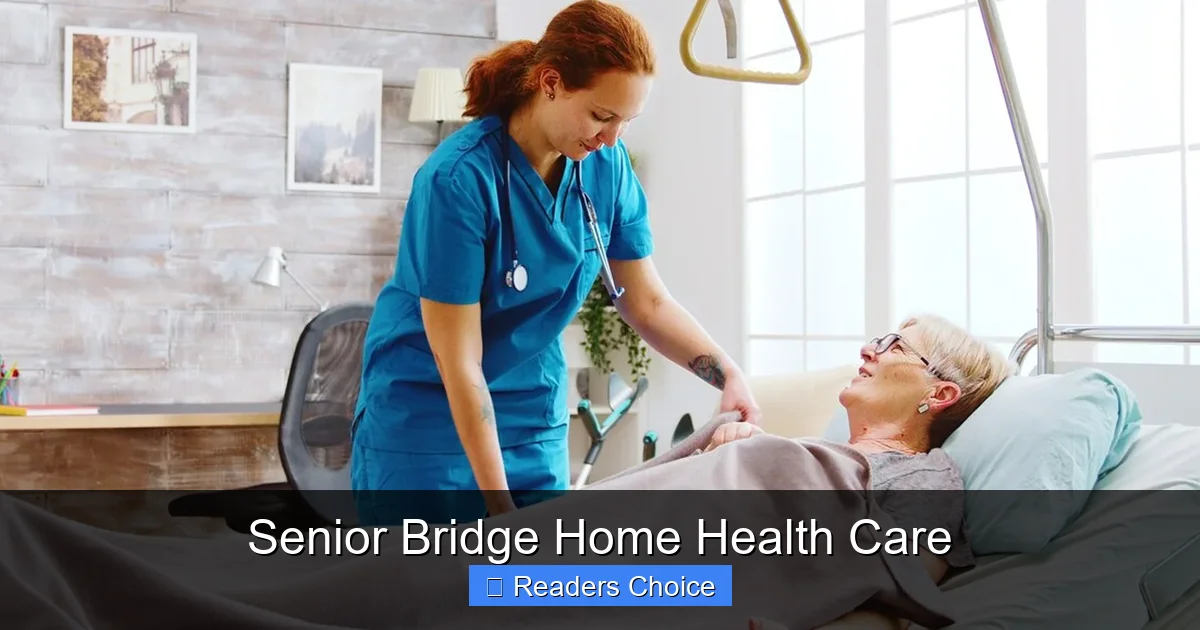
Visual guide about Senior Bridge Home Health Care
Image source: bridgehomehealthcare.com
The advantages of senior bridge home health care go beyond medical recovery. It supports emotional well-being, family dynamics, and long-term health outcomes.
Faster Recovery and Improved Outcomes
Studies show that patients who receive structured home health care after hospitalization recover faster and have better functional outcomes. Being in a familiar environment reduces stress and promotes healing. Plus, consistent therapy and monitoring prevent setbacks.
For example, a study published in the Journal of the American Geriatrics Society found that seniors who received home health care after a stroke were more likely to regain independence in daily activities compared to those who didn’t.
Reduced Risk of Hospital Readmission
Hospital readmissions are common—especially within the first 30 days after discharge. Senior bridge care helps prevent this by ensuring proper medication use, early detection of complications, and adherence to treatment plans.
The Centers for Medicare & Medicaid Services (CMS) reports that home health care can reduce 30-day readmission rates by up to 25%. This not only improves patient outcomes but also lowers healthcare costs.
Support for Family Caregivers
Caring for a recovering loved one can be physically and emotionally exhausting. Senior bridge home health care gives family caregivers a much-needed break. They no longer have to manage complex medical tasks or worry about missing something important.
Knowing that a professional is checking in regularly reduces anxiety and allows families to focus on emotional support—like sharing meals, watching movies, or simply talking. This strengthens relationships and improves the overall care experience.
Cost-Effective Care
Compared to extended hospital stays or rehabilitation facilities, home health care is significantly more affordable. Medicare covers most senior bridge services when they’re deemed medically necessary and ordered by a doctor. Many private insurance plans offer similar coverage.
Even when out-of-pocket costs apply, the savings from avoiding readmissions and long-term facility care often outweigh the expense.
Personalized and Flexible Care
Every senior’s recovery journey is different. Senior bridge care adapts to individual needs, schedules, and goals. Visits can be daily, several times a week, or as needed. The care plan evolves as the patient improves, ensuring they receive the right level of support at the right time.
How to Access Senior Bridge Home Health Care
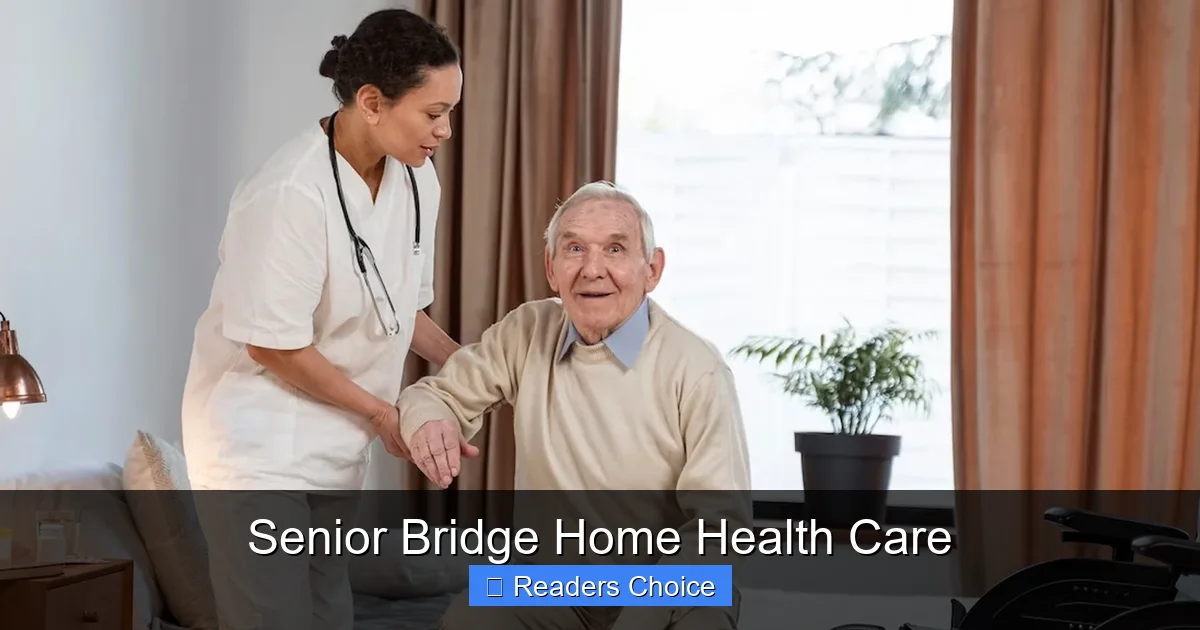
Visual guide about Senior Bridge Home Health Care
Image source: bridgehomehealthcare.com
Getting started with senior bridge home health care is straightforward, but it requires coordination between healthcare providers and agencies.
Step 1: Physician Referral
The process begins with a doctor’s order. After hospitalization, the attending physician assesses whether the patient qualifies for home health care. Criteria typically include being homebound (unable to leave home without considerable effort) and needing skilled services.
The doctor completes a certification form and develops a care plan outlining the required services, frequency of visits, and expected duration.
Step 2: Choosing a Medicare-Certified Agency
Not all home health agencies offer the same level of care. It’s important to choose one that is Medicare-certified, which ensures they meet federal standards for quality and safety.
Families can ask for recommendations from the hospital discharge planner, doctor, or friends. They should also research agencies online, read reviews, and verify licensing and accreditation.
Step 3: Initial Assessment and Care Planning
Once an agency is selected, a nurse or therapist visits the home for an initial assessment. They evaluate the patient’s medical condition, mobility, cognitive function, and home environment. This information is used to create a personalized care plan.
The plan includes goals—such as walking 50 feet with a walker or managing medications independently—and a timeline for achieving them.
Step 4: Ongoing Monitoring and Adjustments
Care is not static. The team regularly reviews progress and adjusts the plan as needed. If a patient improves faster than expected, visits may decrease. If complications arise, services may increase.
Communication with the doctor is continuous, ensuring everyone is aligned on the patient’s condition and treatment.
What to Expect During the Care Process
Understanding what happens during senior bridge home health care helps families prepare and participate effectively.
First Few Days
The first visits focus on stabilization. Nurses check wounds, review medications, and assess vital signs. Therapists begin gentle exercises and evaluate mobility. Aides may assist with personal care if needed.
Families are encouraged to ask questions and learn how to support their loved one’s recovery.
Middle Phase
As the patient improves, the focus shifts to rehabilitation and independence. Therapy sessions become more active, and patients are encouraged to practice skills on their own. Nurses may reduce visit frequency but remain available for check-ins.
Education becomes a bigger part of care—teaching patients how to manage their condition long-term.
Transition Out of Care
When goals are met, the care team begins the discharge process. They provide a summary of progress, recommend follow-up appointments, and suggest community resources if ongoing support is needed.
Some seniors may transition to non-medical home care for companionship or light assistance. Others may no longer need any formal support.
Family Involvement
Families are integral to the process. They attend care meetings, help with exercises, and provide emotional support. The care team keeps them informed and involved every step of the way.
Tips for Maximizing the Benefits of Senior Bridge Care
To get the most out of senior bridge home health care, families can take a few proactive steps.
Stay Engaged and Ask Questions
Don’t hesitate to speak up. Ask the nurse about medication side effects, the therapist about exercise safety, or the aide about hygiene best practices. The more you know, the better you can support your loved one.
Prepare the Home
Make the home safe and accessible. Remove tripping hazards, install grab bars in the bathroom, and ensure good lighting. Have a comfortable chair and walker ready if needed.
Keep a Health Journal
Track symptoms, medication times, and therapy progress. This helps the care team spot patterns and make informed decisions.
Attend Appointments
Go to follow-up doctor visits with your loved one. Share insights from the home health team and ask for clarification on the care plan.
Encourage Participation
Motivate your loved one to engage in therapy and follow medical advice. Celebrate small victories—like walking to the kitchen or dressing independently.
Plan for the Future
Even as recovery progresses, think ahead. Discuss long-term care needs, advance directives, and support options with your loved one while they’re feeling well.
Conclusion
Senior bridge home health care is a lifeline for older adults navigating the challenging period after hospitalization. It offers skilled medical support, rehabilitation, and daily assistance—all in the comfort and familiarity of home. By bridging the gap between hospital and independence, it helps seniors recover faster, avoid readmissions, and regain confidence in their abilities.
For families, it provides peace of mind and relief from the burden of complex caregiving. With personalized plans, professional oversight, and a focus on dignity and independence, senior bridge care is more than a service—it’s a pathway to better health and quality of life.
If your loved one is preparing for discharge or struggling at home after a hospital stay, consider exploring senior bridge home health care. Talk to their doctor, research local agencies, and take the first step toward a safer, smoother recovery. The right support can make all the difference.
Frequently Asked Questions
What is the difference between senior bridge home health care and regular home care?
Senior bridge home health care is medical and short-term, focusing on recovery after hospitalization with services like nursing and therapy. Regular home care is non-medical and long-term, providing companionship, housekeeping, and personal care.
Does Medicare cover senior bridge home health care?
Yes, Medicare Part A and Part B typically cover senior bridge home health care if it’s prescribed by a doctor, the patient is homebound, and services are provided by a Medicare-certified agency.
How long does senior bridge home health care last?
It usually lasts a few weeks to a few months, depending on the patient’s recovery progress and medical needs. The care plan is reviewed regularly and ends when goals are met.
Can I choose my own home health agency?
Yes, you have the right to choose any Medicare-certified home health agency. Ask your doctor or hospital discharge planner for recommendations, but the final decision is yours.
What if my loved one doesn’t want home health care?
It’s important to have an open conversation about their concerns. Explain how the care will help them recover faster and stay at home. Involve them in choosing the agency and care plan to increase their comfort and cooperation.
What happens if my loved one’s condition worsens during care?
The home health team monitors the patient closely and communicates with the doctor. If there’s a significant decline, they may increase visits, adjust the care plan, or recommend hospitalization if necessary.