
Senior and Disabled Services Eugene Or


Sudoku Puzzle Book

Large Display Clock with Date

LED Clip Reading Light
Senior and Disabled Services in Eugene, Oregon offer vital support to help older adults and individuals with disabilities live safely and independently. From home care assistance to accessible housing and transportation, these services ensure dignity, comfort, and community connection. Whether you’re seeking help for yourself or a loved one, Eugene’s comprehensive network of resources makes life easier and more fulfilling.
Key Takeaways
- Comprehensive Support: Eugene offers a wide range of services including in-home care, meal delivery, transportation, and housing assistance tailored specifically for seniors and disabled individuals.
- Accessible Housing Options: There are several senior living communities and affordable housing units designed with accessibility features to meet the needs of elderly and disabled residents.
- Transportation Solutions: Non-emergency medical transport and paratransit services make it easier for seniors and disabled individuals to attend appointments and stay connected.
- Meal and Nutrition Programs: Organizations like Meals on Wheels provide nutritious meals delivered directly to homes, supporting health and reducing isolation.
- Community Engagement: Senior centers and recreational programs encourage social interaction, fitness, and lifelong learning for active adults over 55.
- Financial and Legal Aid: Assistance is available for navigating Medicare, Medicaid, and disability benefits, as well as legal aid for housing and guardianship issues.
- Family and Caregiver Support: Respite care and counseling help family members manage caregiving responsibilities while maintaining their own well-being.
[FEATURED_IMAGE_PLACEHOLDER]
📑 Table of Contents
- Introduction: A Compassionate Network for Eugene’s Most Vulnerable Residents
- Understanding the Landscape: Types of Senior and Disabled Services in Eugene
- Top Organizations Providing Senior and Disabled Services in Eugene
- Practical Tips for Accessing Senior and Disabled Services in Eugene
- Success Stories: Real People, Real Impact
- Looking Ahead: Innovations and Future Directions
- Conclusion: A Community Rooted in Respect and Care
Introduction: A Compassionate Network for Eugene’s Most Vulnerable Residents
If you or someone you love is navigating the challenges that come with aging or living with a disability, know this—you’re not alone. In Eugene, Oregon, a caring and well-organized system of senior and disabled services exists to support independence, dignity, and quality of life. These services span everything from daily living assistance to housing, transportation, and emotional support, all designed with compassion and expertise.
Whether you’re looking for help at home, need reliable transportation to medical appointments, or want to connect with others through community programs, Eugene offers a rich tapestry of resources. This article walks you through the key services, organizations, and support systems available across Lane County. We’ll break down how to access these programs, highlight real-life examples, and share practical tips so you can feel confident making informed decisions for yourself or your loved one.
From nonprofit agencies to government-funded initiatives, Eugene’s approach to elder and disability care blends innovation with tradition. With strong partnerships between local governments, healthcare providers, and community volunteers, residents have access to personalized, high-quality support. Let’s explore what makes Eugene a standout when it comes to serving its senior and disabled populations.
Understanding the Landscape: Types of Senior and Disabled Services in Eugene
The phrase “senior and disabled services Eugene Or” covers a broad spectrum of support systems. While some services are managed by public agencies, many are offered through nonprofit organizations, faith-based groups, and volunteer networks. Together, they form a safety net that helps people maintain autonomy and enjoy meaningful lives.

Visual guide about Senior and Disabled Services Eugene Or
Image source: images.squarespace-cdn.com
In-Home Support and Personal Care
One of the most valuable offerings in Eugene is in-home personal care. This includes assistance with activities like bathing, dressing, meal preparation, medication reminders, and light housekeeping. Agencies such as Home Instead Senior Care and Right at Home provide trained caregivers who work closely with clients and families to create customized care plans. These professionals not only support physical needs but also offer companionship—a crucial element in combating loneliness among seniors.
For disabled individuals, home modifications may be necessary. Services like those offered by Lane County Developmental Disabilities Program can help fund ramps, grab bars, widened doorways, and other adaptations to improve safety and accessibility. These changes allow people to remain in their homes longer, avoiding the stress and expense of relocating.
Transportation and Mobility Assistance
Getting around can be one of the biggest challenges for seniors and disabled residents. Fortunately, Eugene has several solutions. The Lane Transit Paratransit Service provides door-to-door transportation for individuals with disabilities who cannot use fixed-route buses. Eligibility is based on mobility assessments, and rides can be scheduled up to two weeks in advance.
Medical transportation is another vital service. Non-emergency medical transport (NEMT) providers coordinate rides to doctor visits, dialysis treatments, therapy sessions, and even grocery store trips. Some agencies partner with health insurance companies to cover costs, making it easier for patients to stay on top of their care.
Housing Options: Living with Comfort and Independence
Finding safe, affordable, and accessible housing is a top priority for many seniors and disabled individuals. In Eugene, options include independent living communities, assisted living facilities, memory care units, and subsidized apartments. Many of these locations feature wheelchair-accessible designs, emergency call systems, and wellness programs tailored to older adults.
Programs like the Oregon Housing and Community Services (OHCS) offer rental assistance and supportive housing for low-income seniors and people with disabilities. These subsidies help reduce financial strain and ensure stability. Additionally, the Eugene Housing Authority manages public housing and Section 8 vouchers, prioritizing applicants with special needs.
For those seeking more natural settings, there are even eco-friendly senior villages and cohousing communities where residents share resources and build close-knit neighborhoods. These models promote sustainability while fostering social connections.
Top Organizations Providing Senior and Disabled Services in Eugene
When searching for senior and disabled services Eugene Or, it helps to know which organizations lead the way. Here are some of the most trusted names in the area, each offering unique programs and expertise.

Visual guide about Senior and Disabled Services Eugene Or
Image source: images.squarespace-cdn.com
Senior and Disability Services (SDS) – Lane County
The cornerstone of elder and disability support in Eugene, Senior and Disability Services (SDS) is a division of Lane County Human Services. Their mission is to empower older adults and people with disabilities to live with dignity, choice, and control over their lives. SDS administers a wide array of programs, including case management, caregiver support, nutrition services, and protective services.
One standout program is the Adult Protective Services (APS), which investigates reports of abuse, neglect, or exploitation of vulnerable adults. Staff work discreetly to intervene when needed, connecting victims with legal aid, counseling, and shelter if necessary. Meanwhile, the Case Management Program helps clients navigate complex systems by coordinating medical care, housing, and social services.
SDS also runs the Senior Center Network, which includes centers in Springfield, Junction City, and Florence. These hubs host fitness classes, arts workshops, educational seminars, and holiday celebrations. They serve as gathering places where people can build friendships and stay mentally engaged.
Meals on Wheels of Lane County
Nutrition plays a critical role in maintaining health, especially for seniors and disabled individuals who may struggle with cooking or shopping. Meals on Wheels of Lane County delivers fresh, balanced meals directly to homes every weekday. Each meal is nutritionally assessed and can be customized for dietary restrictions like diabetes or kidney disease.
In addition to food delivery, volunteers offer friendly check-ins that help identify signs of isolation or health decline. This human touch often leads to early intervention—such as connecting a client with mental health services or home care—before a crisis occurs.
Families can sponsor meals for neighbors in need, or even join as volunteers. The organization also partners with local restaurants and farms to source ingredients, supporting both sustainability and community economies.
Easterseals Oregon
Though based in Portland, Easterseals Oregon extends services throughout the Willamette Valley, including Eugene. They provide comprehensive support for people with disabilities of all ages, including physical, developmental, and intellectual challenges. Services range from early childhood intervention to employment training and independent living skills.
In Eugene, Easterseals offers Residential Habilitation, where trained staff assist individuals with daily tasks in a group home setting. They also run vocational programs that teach job readiness, resume writing, and interview techniques. For families, they provide respite care so parents can take breaks from constant supervision.
Easterseals’ commitment to inclusion means they advocate for policy changes that benefit disabled citizens statewide. Their outreach events educate the public about accessibility, anti-discrimination laws, and inclusive design principles.
Practical Tips for Accessing Senior and Disabled Services in Eugene
Navigating the world of senior and disabled services Eugene Or can feel overwhelming at first. But with a little guidance, you can find the right fit for your needs. Here are some actionable steps to get started.
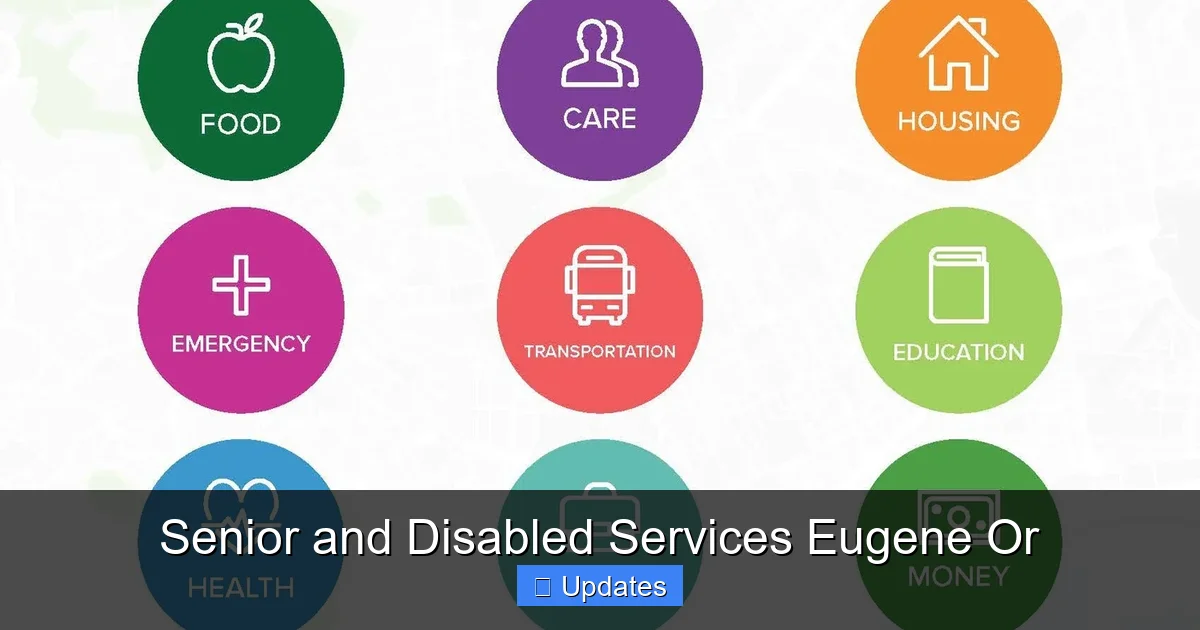
Visual guide about Senior and Disabled Services Eugene Or
Image source: images.squarespace-cdn.com
1. Start with a Needs Assessment
Before choosing a service, take time to assess what kind of support you truly need. Are you struggling with mobility? Do you require help managing medications? Is social isolation becoming a concern? Writing down specific goals—like “I want to walk my dog again” or “I need reliable rides to chemo”—can clarify priorities.
Many agencies, including SDS, offer free assessments conducted by licensed professionals. These evaluations consider physical health, cognitive function, emotional well-being, and environmental factors like home safety.
2. Contact Your Local Senior Center
Senior centers act as gateways to dozens of programs. At the Eugene Senior Center, staff members are knowledgeable about available resources and can refer you to appropriate services. You might start by attending a “Resource Fair,” where representatives from housing, transportation, legal aid, and healthcare set up booths.
Don’t hesitate to ask questions—staff are there to help! They can explain eligibility requirements, application processes, and waitlist timelines in plain language.
3. Apply Early and Be Persistent
Some services—especially subsidized housing and specialized care—have waiting lists. Applying early increases your chances of securing placement. Keep copies of all documents: ID, income statements, medical records, and letters of recommendation.
If your initial application is denied, don’t give up. Ask for feedback and reapply if circumstances change. Sometimes a new diagnosis or improved financial situation qualifies you for additional aid.
4. Leverage Technology and Online Tools
Many Eugene-based organizations now offer digital platforms to streamline access. For example, Lane Transit District (LTD) allows online scheduling for paratransit rides. SDS provides virtual counseling and telehealth options for clients unable to travel.
Smartphones can also connect you to emergency alert systems, medication timers, and video calling apps that keep you linked to family and caregivers.
5. Build a Support Team
Caregiving isn’t just for professionals—family members often play a central role. Enlist trusted friends, neighbors, or clergy to help research services, attend meetings, and provide moral support. Consider joining a caregiver support group, either in-person or online. Sharing experiences reduces burnout and builds resilience.
Remember: asking for help is not a sign of weakness—it’s an act of courage and self-care.
Success Stories: Real People, Real Impact
The true measure of any service lies in the lives it transforms. Here are a few stories from Eugene residents whose journeys illustrate the power of senior and disabled services Eugene Or.
Martha, 78, had recently lost her husband and found herself unable to leave her apartment due to arthritis pain and fear of falling. After contacting SDS, she was enrolled in Meals on Wheels and paired with a volunteer who checked in weekly. Within months, she joined a gentle yoga class at the Eugene Senior Center and began volunteering at a community garden. “I thought I’d spend my last years alone,” she says. “But now I have friends, purpose, and a routine that keeps me strong.”
Carlos, 42, uses a wheelchair after a spinal injury. He struggled to commute to his job at a Eugene coffee shop until he learned about LTD’s paratransit service. With consistent rides, he maintained employment and regained confidence. “It wasn’t just transportation,” he explains. “It was freedom.”
Dorothy, 89, lives alone and has dementia. Her daughter arranged 24/7 in-home care through Right at Home. The caregiver handles medication, prepares meals, and engages Dorothy in music therapy twice a week. “She lights up when she hears her favorite songs,” the daughter shares. “We wouldn’t survive without this support.”
These stories remind us that behind every service statistic is a person deserving of respect, compassion, and opportunity.
Looking Ahead: Innovations and Future Directions
The field of elder and disability care continues to evolve. In Eugene, forward-thinking initiatives aim to address emerging needs and improve outcomes for all residents.
Telehealth and Remote Monitoring
With advancements in technology, doctors can now monitor chronic conditions like heart disease or diabetes remotely using wearable devices and video consultations. This reduces hospital visits and empowers patients to manage their health proactively.
Agencies like PeaceHealth and Sutter Health offer virtual primary care, mental health counseling, and medication reviews—all accessible from home. For disabled individuals with limited mobility, this is a game-changer.
Universal Design Principles
More builders and developers in Eugene are adopting universal design—architectural features that accommodate everyone, regardless of age or ability. Think lever-style faucets, roll-in showers, and visual fire alarms. These touches benefit not only seniors and disabled residents but also children, pets, and temporary injury recovery.
Community-Based Alternatives to Institutional Care
There’s growing momentum toward keeping people in their homes and neighborhoods rather than placing them in nursing homes or group facilities. Eugene supports this shift through home modification grants, flexible funding pools, and peer support networks.
One promising model is the Village Movement, where volunteers offer rides, errands, and social visits to members aged 50+. Participants pay a modest annual fee that funds the program, creating sustainable, member-driven support systems.
Workforce Development
As demand for caregivers rises, so does the need for qualified, compassionate professionals. Local colleges and training centers now offer certifications in dementia care, palliative support, and disability advocacy. Scholarships and loan forgiveness programs help attract new talent to the field.
Conclusion: A Community Rooted in Respect and Care
When it comes to senior and disabled services Eugene Or, the city stands out for its holistic, person-centered approach. Rather than treating support as a checklist of tasks, Eugene emphasizes relationships—between clients and caregivers, neighbors and volunteers, families and policymakers.
This philosophy ensures that every individual feels seen, valued, and capable of shaping their own path. Whether you’re seeking help for a parent, planning for your future, or simply want to understand how to better support your community, remember: small actions add up. Volunteer at a senior center. Donate to Meals on Wheels. Advocate for accessible infrastructure. Share resources with friends.
Together, we can build a Eugene where aging and disability are not barriers to joy, connection, or independence—but invitations to deeper meaning.
Frequently Asked Questions
What types of services are available for seniors and disabled individuals in Eugene?
Eugene offers a wide range of services including in-home care, meal delivery, transportation, housing assistance, adult protective services, case management, and social programs. These are provided by agencies like Senior and Disability Services (SDS), Meals on Wheels of Lane County, and Easterseals Oregon.
How do I qualify for paratransit or non-emergency medical transportation?
To qualify for Lane Transit District’s paratransit service, you must have a disability that prevents use of regular bus routes. An evaluation determines eligibility. For medical transport, contact providers like MediVan or Ride Connection; some accept insurance or offer sliding-scale fees.
Are there affordable housing options for seniors and disabled residents in Eugene?
Yes. The Oregon Housing and Community Services (OHCS) offers rental assistance, while the Eugene Housing Authority provides public housing and Section 8 vouchers. Accessible senior apartments and supportive housing units are also available through nonprofits and faith-based organizations.
Can I get help paying for home modifications like ramps or grab bars?
Absolutely. Programs like Lane County’s Home Modification Loan Program offer low-interest loans or grants for accessibility improvements. Applications require proof of income and residency. Contact SDS for guidance and referrals.
Is there respite care available for family caregivers?
Yes. Organizations such as Easterseals Oregon and SDS provide short-term respite care, allowing primary caregivers to take breaks. Services may include in-home aide visits, adult day programs, or overnight stays in residential settings.
How can I volunteer or donate to senior and disabled service organizations in Eugene?
You can volunteer at the Eugene Senior Center, deliver meals for Meals on Wheels, mentor through the Village Movement, or donate to SDS’s protective services fund. Visit their websites for current opportunities and impact reports.