
Pacifica Senior Living Near Me


Anti-Slip Shower Stickers

Smart Digital Photo Frame

Large Display Clock with Date
Finding the right senior living community is a deeply personal journey. Pacifica Senior Living is a prominent provider known for its range of care levels and vibrant community cultures. This guide helps you understand what Pacifica offers, how to effectively search for a location “near me,” what to expect during your search, and key factors to consider for making a confident, loving decision for your family.
Let’s be honest. The phrase “senior living near me” often starts as a quiet worry in the back of your mind. Maybe it’s a comment from a parent about managing the house. Perhaps it’s a subtle shift you’ve noticed—forgetting a pot on the stove, a growing isolation, or a recovery from a hospital stay that feels harder this time. You begin to type into the search engine, your heart a little heavy, hoping for an easy answer. But what you find is a landscape of terms: independent living, assisted living, memory care, skilled nursing. And names. Lots of names. One that frequently appears is Pacifica Senior Living.
Pacifica is a large, national operator with communities across the United States. Their model often emphasizes a “resort-style” environment with a focus on wellness, engagement, and a continuum of care. But a name on a website is not a home. The real question isn’t just “What is Pacifica?” but “Is there a Pacifica Senior Living near me that feels like the right next chapter?” This article is your roadmap. We’ll break down what Pacifica typically offers, how to strategically search for locations in your area, and most importantly, how to evaluate them with both your head and your heart.
Key Takeaways
- Pacifica offers a continuum of care: From independent living to memory care and skilled nursing, many Pacifica communities provide multiple levels on one campus, allowing for aging in place.
- The “near me” search is about more than distance: Proximity to family, preferred doctors, and familiar neighborhoods is crucial, but the community’s culture and fit are equally important.
- Touring is non-negotiable: Photos and websites are starting points. You must visit, smell the air, feel the energy, and talk to residents and staff to gauge a true fit.
- Costs vary significantly by location and care level: Understanding the fee structure—monthly rent vs. buy-in, care packages, and what’s included—is essential for financial planning.
- Trust your gut and involve your loved one: The emotional resonance for the senior moving in is a powerful predictor of long-term satisfaction and adjustment.
📑 Table of Contents
Understanding the Pacifica Senior Living Brand and Model
Before you dive into the “near me” search, it helps to understand the architecture of what you’re looking at. Pacifica Senior Living is not a single community but a portfolio. Think of it like a restaurant chain; the core menu and service style are consistent, but each location has its own unique “flavor” based on its local team, design, and resident population.
The Continuum of Care Advantage
One of Pacifica’s most significant features is its frequent commitment to a “continuum of care.” This is a major buzzword in senior living, and for good reason. It means a single campus or company offers multiple levels of support:
- Independent Living: For active seniors who want a maintenance-free lifestyle, with apartments, social programs, and dining, but little to no personal care.
- Assisted Living: Provides help with activities of daily living (ADLs) like bathing, dressing, medication management, and toileting. This is the most common entry point.
- Memory Care: A secure, specially designed environment for individuals with Alzheimer’s disease or other dementias, with tailored programming and staffing.
- Skilled Nursing/Rehabilitation: For those needing 24/7 medical care or post-hospital rehabilitation therapy.
The beauty of this model is that if a resident’s needs change, they can often transition to a different area within the same community. This can prevent the traumatic dislocation of moving to an entirely new facility later. When you search for “Pacifica Senior Living near me,” check if the specific community you’re looking at offers all these levels, or just one or two.
Signature Amenities and Culture
Pacifica markets itself heavily on lifestyle. You’ll typically see amenities like:
- Resort-style pools and fitness centers
- Full-service dining rooms with chef-prepared meals
- Robust activity calendars with classes, outings, and clubs
- Beauty salons, libraries, and movie theaters
- Beautifully landscaped grounds and walking paths
The goal is to create an environment that feels less like an institution and more like a vibrant, active adult community. The “culture” is everything—the vibe you get when you walk in. Is it warm and bustling, or quiet and sterile? This is highly dependent on the local executive director and staff. A great Pacifica in one city can feel different from one in another, even if the floor plans look similar online.
The Strategic “Near Me” Search: Beyond the Google Pin
Typing “Pacifica Senior Living near me” into Google is your first, logical step. It will show you the closest locations based on your IP address. But here’s where you need to get strategic.

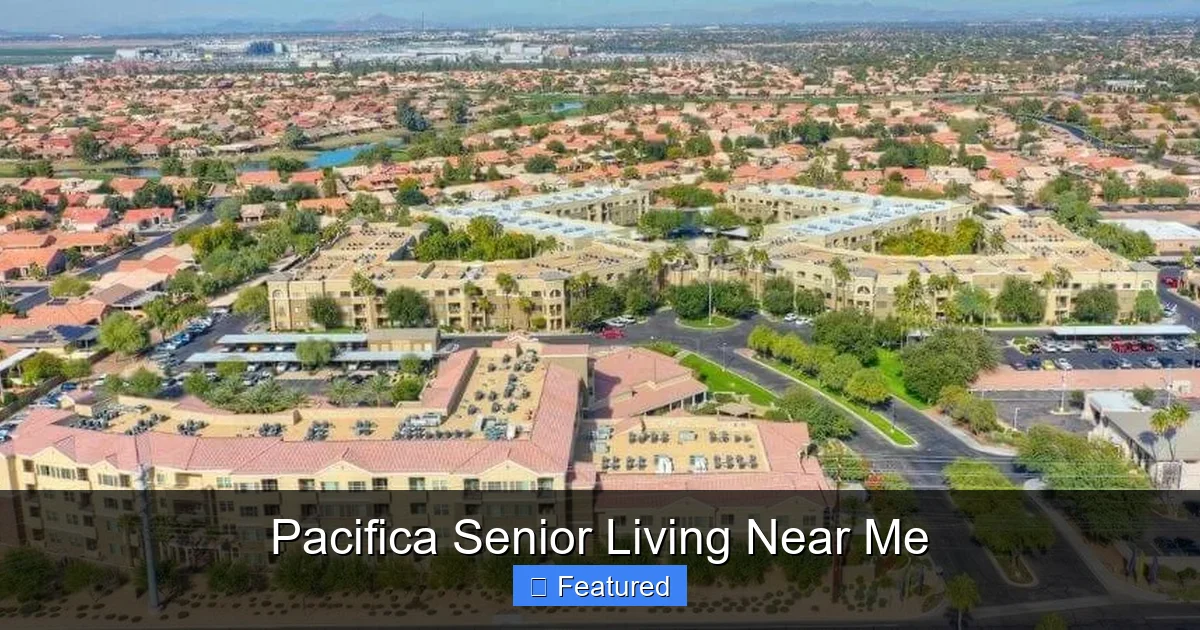
Visual guide about Pacifica Senior Living Near Me
Image source: thumbor.forbes.com
Define Your “Near”
“Near” means different things to different families. For some, it’s a 5-minute drive to allow for daily visits. For others, it’s within a 30-minute radius to accommodate work schedules. Be explicit with yourself. Open a map and draw a circle around your home, your sibling’s home, or your parent’s favorite doctor’s office. Which Pacifica communities fall inside that circle? Also, consider the commute for the primary family caregiver. A community that’s a 45-minute drive from your house might be a 10-minute drive from your parent’s, which is a massive difference for daily check-ins.
Use Specific Location-Based Searches
Don’t just rely on the generic search. Get granular. Search for:
- “Pacifica Senior Living [Your City/County]”
- “Pacifica Senior Living [Your Zip Code]”
- “Assisted living near [Your Parent’s Address]”
- Then, cross-reference the results. You might find a Pacifica in a neighboring town that’s actually closer to your parent’s home than the one in your city center.
This process also helps you see which Pacifica communities are actively marketing in your specific area, which can be a clue about their waitlist status or occupancy rates.
Check for Specialty Focus
While most Pacificas offer a continuum, some locations may have a particular reputation or specialty focus. One community might be renowned for its innovative memory care program, while another might have an exceptional restaurant-style dining experience. Look for local reviews on sites like Care.com reviews for senior care (though always read critically) or senior-focused Facebook groups in your area. Search “[Community Name] reviews” or “[Community Name] memory care.” This local intelligence is gold.
The In-Person Evaluation: Your Tour Checklist
You’ve narrowed your “near me” list to 2-3 communities. Now, the critical phase begins: the tour. This is not a passive walk-through. It’s an active investigation. Go in with a list, but more importantly, go in with your senses.
Visual guide about Pacifica Senior Living Near Me
Image source: robsonseniorliving.com
First Impressions & The Smell Test
Your first 30 seconds tell a story. Pull into the parking lot. Is it clean and orderly? Walk in the front door. What does it smell like? A clean, fresh scent (often from good cleaning products or baking) is a positive sign of attentive housekeeping. A heavy smell of air freshener, urine, or food can indicate underlying issues. Look at the lighting. Is it bright and cheerful, or dim and institutional? Note the staff—do people in the hallways make eye contact and smile, or are they hurried and avoidant?
Ask the Right Questions
Go beyond the glossy brochure. Ask the sales director (often called a Community Relations Director) specific, scenario-based questions:
- “What happens if my mom has a fall at 2 AM?” Their answer will reveal staffing ratios at night, emergency protocols, and relationships with local hospitals.
- “Can you show me the exact apartment we might get, not just a model?” Model units are staged. You need to see a real, occupied unit to understand size, storage, and wear-and-tear.
- “What is the staff turnover rate?” High turnover is a massive red flag for resident care and consistency. A good answer is “We aim for below 30% annually.”
- “How do you handle transportation for appointments?” Is it included? Is there a fee? How far in advance must it be scheduled?
Talk to Residents and Families
This is the most important part of the tour. Politely ask if you can speak with a resident or two, not just the ones the staff selects. Say, “We’d love to hear from someone who’s been here about a year.” Their unvarnished perspective is invaluable. Also, if possible, ask the community for references—families of current residents who have agreed to be contacted. A 10-minute phone call with a peer can tell you more than an hour with a salesperson. Ask them: “What’s the one thing you wish you’d known before moving here?”
Understanding Costs: The Price of “Home”
Senior living is a significant financial commitment. Pacifica’s pricing, like most providers, is complex. Transparency varies by state, as regulations differ.

Visual guide about Pacifica Senior Living Near Me
Image source: seniorlivingnearme.com
Decoding the Fee Structure
You’ll typically encounter two main models:
- Rental Model (Most Common): A monthly fee that covers the apartment, utilities, meals, and basic community access. Care services (like help with bathing) are added on as a separate “care package” or “level of care” fee, often priced per day. This is more common in assisted living.
- Buy-In/Entrance Fee Model: A large, upfront payment (often $100k-$500k+) to secure an apartment, plus a lower monthly service fee. This is more typical of Continuing Care Retirement Communities (CCRCs), which guarantee lifetime care. Some Pacifica communities are CCRCs, others are rental. Ask directly: “Is this a rental community or does it have an entrance fee?”
What’s Included? What’s Extra?
Get a line-item list. The monthly base fee might include:
- Apartment rent & utilities (except phone/TV)
- Three meals a day in the dining room
- Housekeeping and linen service
- Access to all amenities (pool, gym, activities)
- Basic emergency call system
Extra costs almost always include:
- Level of care fees (assisted living services)
- Medication management
- Private duty aides for additional hours
- Haircuts, personal items, guest meals
- Transportation beyond a set number of trips
Ask for a sample monthly bill for a resident with “medium” care needs. This is your true cost projection. Also, always ask about the community’s history of annual fee increases. A 3-5% increase per year is common and must be budgeted for.
Making the Decision: Logistics and Emotions
You have the information. You have the tour notes. Now comes the hard part: the decision. This is where logic meets love.
Involve Your Loved One (As Much As Possible)
Unless there are severe cognitive issues or safety concerns, the senior should be an active participant. Forcing a move is a recipe for depression and failure. Share the information you’ve gathered. Show them photos and videos from tours. Ask their opinions. What did they like? What scared them? Their buy-in is critical. Frame it not as “losing independence,” but as “gaining a new kind of freedom” from home maintenance and cooking, with more time for hobbies and friends.
Plan the Logistics
If you decide to move, start planning the downsizing early. This is an emotional marathon. Consider hiring a senior move manager or a professional organizer who specializes in working with seniors. They are worth every penny. They help sort through a lifetime of possessions with compassion and efficiency. Also, handle the practicalities: change of address forms, forwarding mail, updating doctors, and setting up the new apartment to feel like home from day one with familiar furniture and photos.
Trust the Feeling
After all the data is collected, sit with the feeling. Which community did you leave feeling hopeful, not worried? Where did the staff seem genuinely happy to be there? Where did the residents look content and engaged? The “vibe” is a real, measurable factor. A community with slightly fewer amenities but a stellar, warm staff culture will often provide a better quality of life than a flashy, cold facility. This is a decision about happiness, safety, and dignity. Let your informed intuition guide you.
Conclusion: Your Next Step
The search for “Pacifica Senior Living near me” is the beginning of a new chapter, not an ending. It’s about finding a supportive, engaging environment where your loved one can thrive with the right help. Remember, Pacifica is one of many excellent options. Use this guide to evaluate them critically. Define your “near,” tour with purpose, decode the costs, and above all, listen to your loved one’s voice and your own instincts. The perfect community is out there—it’s the one where you can picture your parent not just living, but truly living, with purpose and joy. Start your search, take a deep breath, and know that doing this research is one of the most loving acts you can perform.
Frequently Asked Questions
How do I find the exact Pacifica Senior Living community closest to my zip code?
The most accurate method is to use the “Find a Community” tool directly on the official Pacifica Senior Living website. You can search by state, city, or zip code. This will give you an official, up-to-date list of all their locations and their specific care offerings, which is more reliable than a general “near me” search engine query.
What is the average cost for Pacifica Senior Living in my area?
Costs vary dramatically by geographic region, apartment size, and level of care needed. Nationally, assisted living averages $4,000-$6,000 per month, but in high-cost states like California or New York, it can exceed $8,000. The best way to get an accurate figure is to contact the specific Pacifica communities you are considering for their current rate sheet and a personalized care assessment.
Does Medicare or Medicaid cover Pacifica Senior Living costs?
Generally, no. Medicare does not cover long-term senior living costs like rent or care. Medicaid may cover the cost of long-term care in a skilled nursing facility for eligible individuals, but it has strict financial requirements and does not cover independent or assisted living in most states. Some Pacifica communities may accept Medicaid for a limited number of skilled nursing beds, but this is not the norm. Always consult with a senior financial advisor or elder law attorney for your specific situation.
Can I take my parent’s pet to a Pacifica Senior Living community?
Pet policies vary by individual Pacifica location. Many communities are now pet-friendly, often with weight and breed restrictions, and may require a pet deposit or monthly fee. Some have “pet therapy” programs with resident dogs. You must ask the specific community you are touring about their current policy, as it is not a universal company-wide rule.
What is the typical staff-to-resident ratio in Pacifica assisted living?
There is no single mandated ratio across all states or Pacifica communities, as it depends on state regulations and the time of day. Ratios are often expressed as “x number of caregivers for y number of residents” during a shift. You must ask the executive director at each community for their specific ratio during day, evening, and night shifts. A higher ratio (more staff per resident) generally indicates better, more responsive care.
