
Nonprofit Organizations That Help Senior Citizens


Kindle E-Reader

Digital Thermometer

Audiobook Player
Nonprofit organizations are the backbone of support for senior citizens, filling critical gaps in healthcare, nutrition, housing, and social connection. They range from large national networks to local grassroots groups, often providing services at low or no cost. Understanding how to find and engage with these organizations is key to ensuring seniors age with dignity and community. This guide explores the vital categories of aid, practical steps to access help, and how you can contribute to their mission.
Imagine your parents, once the pillars of the family, now facing the quiet challenges of aging. Maybe Mom struggles to cook a nutritious meal, or Dad feels isolated after losing his driving privileges. These are the moments where the safety net of family meets the complex realities of senior life. This is where the quiet, powerful work of nonprofit organizations that help senior citizens becomes not just helpful, but transformative. They are the bridges over the gaps in our social systems, the hands that lift, and the voices that advocate. This isn’t just about charity; it’s about community, dignity, and ensuring that a life fully lived is supported until the very end.
The landscape of senior support is vast and varied. It includes the well-known names you see on TV and the humble, hyper-local groups operating out of a church basement. Their common thread is a mission-driven focus on improving quality of life, often relying on donations, grants, and volunteers. For the 54 million Americans aged 65 and older, and the millions more approaching that milestone, navigating this ecosystem can feel overwhelming. That’s why understanding the categories, finding the right fit, and knowing how to engage—whether as a recipient, volunteer, or donor—is so important. Let’s explore the vital world of nonprofits dedicated to our seniors.
Key Takeaways
- Nonprofits address multifaceted needs: They provide essential services beyond what government programs cover, including specialized social support, companionship, and tailored community programs.
- Local chapters are often most impactful: National organizations like AARP or Alzheimer’s Association have local affiliates that understand community-specific resources and challenges.
- Eligibility is typically need-based, not income-heavy: Many senior services focus on age (usually 60+ or 65+) and residency, with sliding fee scales rather than strict poverty guidelines.
- Volunteering is a two-way street: Seniors can both receive help and contribute as volunteers, providing mentorship and maintaining a sense of purpose.
- Research is crucial to avoid scams: Verify nonprofits through databases like Charity Navigator or GuideStar, and ask for references from local senior centers.
- Partnerships amplify impact: Many nonprofits collaborate with government agencies, healthcare systems, and businesses to create comprehensive support networks.
📑 Table of Contents
- The Vital Role of Nonprofits in the Senior Support Ecosystem
- Essential Service Categories: A Breakdown of How Nonprofits Help
- How to Find and Choose the Right Nonprofit for Your Situation
- Getting Involved: Beyond Receiving Help
- Measuring Impact and Navigating Challenges
- The Future: Innovation and Collaboration
- Conclusion: A Call to Connection
The Vital Role of Nonprofits in the Senior Support Ecosystem
To understand why these organizations are indispensable, we must look at what they do that government and for-profit businesses often cannot or do not. Government programs like Social Security, Medicare, and Medicaid are foundational, but they are designed for broad, financial-based support. They don’t deliver a hot meal to a homebound senior, organize a weekly bridge game to combat loneliness, or help modify a bathroom to prevent a fall. That is the domain of the nonprofit sector—nimble, community-rooted, and passionate about person-centered care.
Historically, the modern senior nonprofit movement grew from a combination of necessity and advocacy. In the mid-20th century, as life expectancy rose and traditional multi-generational households became less common, the vulnerabilities of aging in isolation became starkly apparent. Groups like the AARP (originally the American Association of Retired Persons) and local Area Agencies on Aging were formed to advocate for policy changes and create direct service programs. Their work established the principle that aging is not just a medical issue but a social one, requiring a holistic approach.
Filling the Cracks in the System
Think of the social safety net as a woven blanket. Government programs form the thick, strong threads. Nonprofits are the finer, intricate weaving that fills the holes and makes the blanket warm and functional. For example:
- Complementary Services: A senior might have Medicare to cover doctor visits but need non-medical transportation to get there. A nonprofit volunteer driver program fills that exact need.
- Advocacy and Voice: Organizations like the National Council on Aging (NCOA) lobby for laws that protect seniors from scams, improve pension rights, and strengthen Social Security. They give a collective voice to a demographic that can be politically marginalized.
- Innovation and Pilot Programs: Nonprofits can test new models of care, like intergenerational housing or technology training for dementia patients, that governments later adopt on a larger scale.
- Community and Belonging: Senior centers, run by nonprofits, are not just meal sites; they are hubs of friendship, learning, and purpose. The social determinant of health—having a reason to get up in the morning—is powerfully addressed here.
This ecosystem is also a powerful economic engine. Nonprofits employ millions in the healthcare and social assistance sectors and mobilize even more in volunteer hours. They create a ripple effect of goodwill that strengthens the entire community fabric. When a senior is supported, their family experiences less stress, local healthcare systems see reduced emergency visits, and communities retain the wisdom and experience of their elder members.
Essential Service Categories: A Breakdown of How Nonprofits Help
The support offered by nonprofits is beautifully diverse. To make sense of it, we can categorize their work into several key pillars. Most seniors will interact with services from multiple categories throughout their aging journey.
Visual guide about Nonprofit Organizations That Help Senior Citizens
Image source: seniorsite.org
Healthcare and Medical Assistance
While Medicare pays for doctors and hospitals, nonprofits address the surrounding ecosystem. This includes:
- Health Education and Screening: Organizations like the American Cancer Society or local health departments run free mammogram screenings, diabetes management workshops, and smoking cessation programs tailored for older adults.
- Medication Assistance: Programs like the Patient Access Network Foundation (PAN Foundation) or disease-specific foundations (e.g., for cancer or MS) provide co-pay assistance for expensive medications. Local nonprofits may also run prescription delivery services.
- Dental and Vision Care: These are often poorly covered by Medicare. Nonprofits like Mission of Mercy or Remote Area Medical (RAM) host free clinic days where seniors can get extractions, fillings, and eye exams.
- Caregiver Support: This is a massive area. The Alzheimer’s Association offers 24/7 helplines, support groups, and education for families. Local hospices and Area Agencies on Aging provide respite care vouchers, giving primary caregivers a break.
Navigating the complex world of senior health insurance is a common hurdle. Many nonprofits offer free counseling through programs like the State Health Insurance Assistance Program (SHIP). These trained volunteers help seniors understand Original Medicare versus Medicare Advantage, decipher Part D prescription plans, and appeal denied claims. If you’re feeling overwhelmed by plan choices, connecting with your local SHIP counselor—often hosted by a nonprofit—is one of the best first steps you can take. They provide unbiased guidance that insurance brokers cannot.
Nutrition and Meal Programs
Food insecurity among seniors is a silent crisis, affecting over 5 million older adults. Nonprofits are on the front line:
- Congregate Meals: The iconic “senior lunch” at a local center, often funded through the Older Americans Act (OAA) and administered by a nonprofit, provides a nutritious meal and vital social interaction.
- Home-Delivered Meals (Meals on Wheels): This national network, operating through local independent nonprofits, delivers meals to homebound seniors. The daily check-in from a volunteer driver is often as important as the food itself, serving as a wellness check.
- Food Pantries and Commodity Distribution: Specialized senior food pantries offer lighter, easy-to-open packages and focus on nutrient-dense foods. Some distribute USDA Commodity Supplemental Food Program boxes.
- Nutrition Education: Teaching seniors on fixed budgets how to shop for and prepare healthy, affordable meals is a key service, often involving cooking demos and recipe cards.
The social element of eating cannot be overstated. A shared meal reduces depression and isolation. Many nonprofits pair their meal programs with activities—a birthday celebration, a holiday dinner, or a simple conversation—transforming nutrition from a biological need into a social ritual.
Housing, Home Modification, and In-Home Support
Aging in place—staying in one’s own home—is the preference for over 90% of seniors, but it often requires support. Nonprofits provide:
- Home Repair and Modification: Rebuilding Together and local habitat affiliates offer critical home repairs, ramps, grab bars, and bathroom modifications to prevent falls and improve accessibility, often at no cost for low-income seniors.
- Financial Counseling and Foreclosure Prevention: Seniors are vulnerable to predatory lending and property tax scams. Nonprofits like the National Foundation for Credit Counseling (NFCC) provide HUD-certified housing counselors.
- Companion and Homemaker Services: For seniors who are not yet eligible for Medicaid-funded personal care, nonprofit volunteers or subsidized staff can help with light housekeeping, laundry, and grocery shopping, allowing them to maintain their home.
- Senior Housing Development: Many nonprofits develop and manage affordable senior housing communities, from independent apartments to assisted living facilities, with income-based rent.
Securing safe, affordable, and appropriate housing is the bedrock of senior stability. Nonprofits in this space often work with local government housing authorities and use federal grants like the Section 202 Supportive Housing for the Elderly program to create vital housing stock.
Social Connection, Engagement, and Lifelong Learning
Isolation is as dangerous to health as smoking 15 cigarettes a day. Nonprofits combat this through:
- Senior Centers: These are the community living rooms for older adults. They offer everything from fitness classes (like chair yoga) and art workshops to field trips and intergenerational programs with local schools.
- Intergenerational Programs: Organizations like Generations United connect seniors with youth for mentoring, storytelling, and shared projects. This combats ageism and gives seniors a sense of legacy.
- Transportation Services: Beyond medical trips, non-emergency medical transportation (NEMT) and general ride programs for shopping or social outings are run by nonprofits, volunteer driver networks, and some faith-based groups.
- Activity-Specific Clubs: From book clubs and walking groups to specialized programs for veterans or LGBTQ+ seniors, these affinity-based nonprofits create safe, welcoming spaces.
Engagement isn’t just about passing time; it’s about cognitive stimulation, physical activity, and emotional well-being. A senior who plays weekly cards with friends or attends a computer class is building resilience. For ideas on accessible activities, resources like guides on sit-down games for senior citizens can provide excellent starting points for nonprofits and families alike.
Legal, Financial, and Advocacy Services
Seniors face unique legal and financial vulnerabilities. Nonprofits provide:
- Free or Low-Cost Legal Aid: Through programs funded by the Legal Services Corporation (LSC), nonprofits help with wills, powers of attorney, consumer debt issues, and elder abuse cases. Pro bono programs connect seniors with volunteer attorneys.
- Tax Preparation: The IRS’s Tax Counseling for the Elderly (TCE) program, often run by nonprofits like AARP Foundation Tax-Aide, offers free tax help specifically for seniors, ensuring they claim all eligible credits (like the Pension Credit or property tax refunds).
- Financial Literacy and Fraud Prevention: Groups like the Consumer Financial Protection Bureau (CFPB) partner with nonprofits to educate seniors on scams, reverse mortgages, and safe investment practices.
- Advocacy and Policy Change: Organizations at the state and national level fight for senior rights, such as protecting nursing home residents, strengthening nursing workforce standards, and opposing cuts to Social Security.
Empowering seniors with knowledge is a form of prevention. A well-drafted advance directive can prevent family conflict, and understanding a scam can protect a lifetime of savings. These services are the guardians of senior autonomy and wealth.
How to Find and Choose the Right Nonprofit for Your Situation
With thousands of nonprofits operating, finding the right one can feel like searching for a needle in a haystack. The key is to start with your specific need and location.
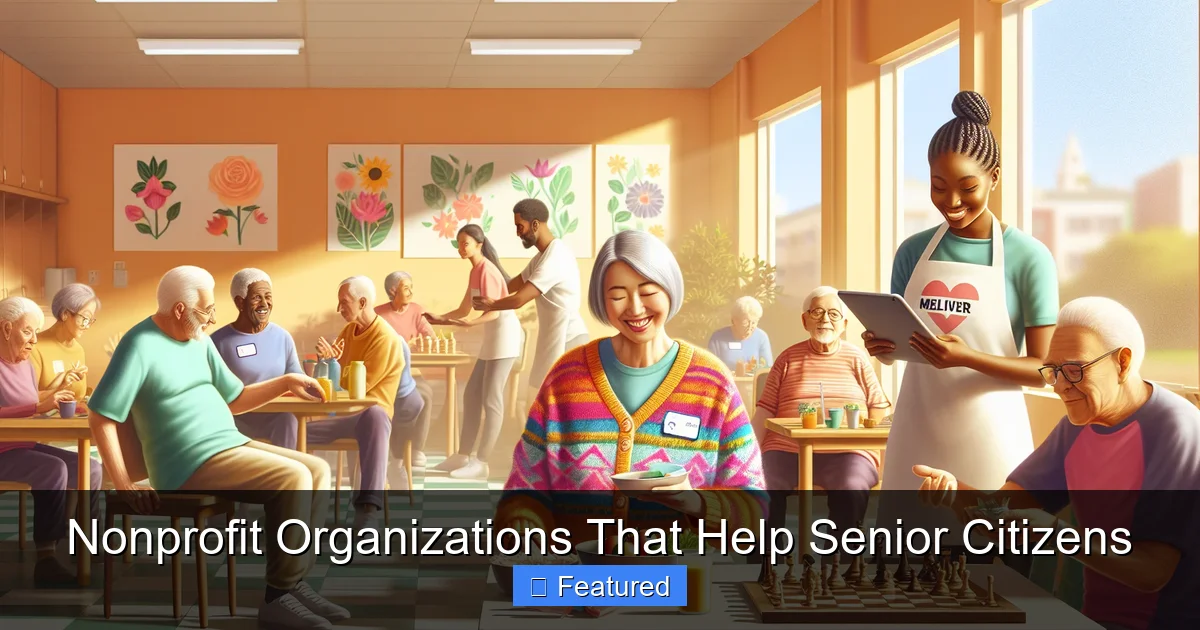
Visual guide about Nonprofit Organizations That Help Senior Citizens
Image source: seniorsite.org
Start with Trusted National Directories
Your first stops should be government and established non-commercial hubs:
- Eldercare Locator: This is the premiere service of the U.S. Administration on Aging. Call 1-800-677-1116 or visit their website. A specialist will help you find local resources for any need—transportation, caregiver support, legal aid, you name it. It’s a free, confidential, and incredibly comprehensive starting point.
- 211: Dial 2-1-1 or visit 211.org. This service connects people to essential community services, including those for seniors. It’s a broader human services database that often includes senior-specific programs.
- Area Agency on Aging (AAA): There are nearly 600 AAAs across the U.S. They are the central planning and service delivery entities for their region. Even if they don’t provide a service directly, they will know every nonprofit and government program in their area that does. Find yours through the Eldercare Locator or the National Association of Area Agencies on Aging (n4a) website.
Research National Nonprofits with Local Chapters
Many large organizations have a national office for advocacy and research but deliver services through local affiliates. When searching:
- Use precise keywords: Instead of “senior help,” search “meals on wheels [Your City/County]” or “Alzheimer’s Association chapter [Your State].”
- Check their website for a “Find Local Help” or “Get Involved” section. This will direct you to the correct local entity, which is the one providing services and needing volunteers/donations.
- Call the national number. They can verify the legitimacy of a local chapter and provide contact information.
Vetting and Choosing: What to Ask
Once you have a name, do a quick check:
- Is it a registered 501(c)(3)? You can verify this on the IRS’s Tax Exempt Organization Search tool or on charity evaluation sites like Charity Navigator or GuideStar. Look at their financial health—what percentage of revenue goes directly to program services (aim for 75% or higher)?
- What are the eligibility requirements? Age? Residency? Income? Some programs are universal for a certain age group (e.g., all 60+), while others are means-tested.
- What is the cost? Many services are free or by donation. Some have a sliding scale fee based on income. Get this in writing.
- Can you speak to a current participant or their family? A reputable organization will be happy to provide references or testimonials.
- What is the waitlist like? For popular services like subsidized housing or certain caregiver programs, waitlists can be years long. Know this upfront to manage expectations.
For families exploring financial aid options for senior care, understanding the intersection of nonprofit services with public benefits is crucial. Nonprofits often help seniors navigate programs that provide free stuff for senior citizens from government sources, such as SNAP (food stamps), energy assistance, and Medicaid waivers that can fund in-home care. These navigators are invaluable in piecing together a sustainable support plan.
Getting Involved: Beyond Receiving Help
The power of the nonprofit sector is that it’s participatory. You are not just a client; you can be a partner, a volunteer, or a donor. Your involvement sustains the ecosystem.
Visual guide about Nonprofit Organizations That Help Senior Citizens
Image source: 12oaks.net
Volunteering: The Heartbeat of the Sector
Senior nonprofits run on volunteer power. Opportunities are incredibly diverse:
- Direct Service: Delivering meals, driving seniors to appointments, assisting in a senior center dining room, making friendly phone calls (friendly caller programs).
- Skilled Pro Bono: Lawyers can provide legal clinics, accountants can help with tax prep, handymen can do minor home repairs, tech-savvy individuals can teach smartphone classes.
- Administrative and Board Service: Helping with mailings, data entry, or serving on a board of directors provides crucial governance and strategic support.
For the volunteer, the rewards are profound. Many seniors themselves volunteer, using their lifetime of skills to tutor children, mentor young professionals, or serve as museum docents. This combats isolation and reinforces a sense of purpose and value. When searching for opportunities, be clear about your available time, skills, and interests. A good volunteer coordinator will find the right fit.
Donating: Treasure and Time
Financial donations are the lifeblood of nonprofits. Here’s how to give wisely:
- Designate your gift: Ask if you can specify that your donation goes to a particular program (e.g., “meals” or “transportation”).
- Consider monthly giving: This provides nonprofits with predictable revenue, allowing for better long-term planning.
- In-kind donations: Many organizations have specific wish lists (e.g., paperback books for a center, grocery store gift cards for a food pantry). Call first to see what’s needed.
- Planned giving: Including a nonprofit in your will or as a beneficiary of an IRA is a powerful legacy that supports seniors for generations.
Before donating, review their financials. Transparency is key. A legitimate nonprofit will readily share its annual report and 990 tax form.
Measuring Impact and Navigating Challenges
It’s important to recognize that this sector, while heroic, faces significant challenges. Understanding them helps us be better supporters and consumers.
The Funding Puzzle
Nonprofits operate in a constant state of resource scarcity. Funding comes from a mix of:
- Government grants and contracts: Often the largest source, but these come with strict rules and can be unpredictable with budget cycles.
- Foundation grants: Competitive and project-specific.
- Individual donations: The most flexible funding but hardest to secure consistently.
- Earned income: Some nonprofits run social enterprises (like thrift stores or cafes) to fund their mission.
The constant chase for funding can lead to program instability and staff burnout. It also means services can change or disappear if a grant ends. This is why diversified, individual donor support is so critical for sustainability.
Workforce and Burnout
The direct care workforce—home health aides, personal care attendants—is predominantly female and minority, and it is notoriously underpaid. Nonprofits struggle to compete with retail or warehouse wages. This leads to high turnover, which disrupts the consistency of care that seniors need. Supporting nonprofits that pay a living wage is a direct investment in quality care.
Equity and Access Gaps
Despite their best efforts, gaps remain. Rural seniors often have fewer services and longer travel distances. LGBTQ+ seniors may face discrimination in some programs. Seniors with limited English proficiency encounter language barriers. The most effective nonprofits are those that conduct cultural competency training, partner with community leaders from diverse groups, and actively seek to dismantle these barriers. When choosing where to volunteer or donate, ask about their equity initiatives.
The Future: Innovation and Collaboration
The nonprofit senior services sector is evolving rapidly, driven by technology, demographic shifts, and new models of care.
Technology as a Force Multiplier
From telehealth and remote monitoring to apps that connect volunteers with seniors for virtual check-ins, technology is expanding reach. Nonprofits are using VR for reminiscence therapy with dementia patients or tablets to deliver exercise classes to homebound seniors. However, the digital divide is real; many nonprofits also run critical programs to provide devices and training to bridge that gap.
Integrated Care Models
The silos are breaking down. We see more “healthcare and beyond” partnerships where a hospital system funds a nonprofit’s meal delivery program to reduce readmissions, or a health insurer covers a nonprofit’s exercise class to prevent falls. These value-based care arrangements recognize that health is created in the community, not just the clinic.
Empowering the “Senior Consumer”
There is a growing movement toward person-directed care, where seniors have more control over their budgets and service choices. Nonprofits are playing a key role as navigators and coaches in programs like Medicaid Consumer-Directed Care. They help seniors understand their options and hire and manage their own caregivers, promoting autonomy.
Focus on Social Prescribing
This is a growing trend where doctors and nurses “prescribe” non-clinical activities—like joining a walking group at the local senior center or taking an art class—to combat loneliness and improve health outcomes. Nonprofits are the perfect partners for these prescriptions, providing the actual programs and welcoming new participants.
The future of senior support is collaborative, tech-enabled, and fiercely committed to dignity. Nonprofits will be at the center, adapting to new needs while holding fast to their core mission of community and compassion.
Conclusion: A Call to Connection
The landscape of nonprofit organizations that help senior citizens is a testament to the enduring power of community. It is a sprawling, heartfelt network that steps in where policy ends and personal need begins. For a senior or their family, the path forward begins with a simple act: reaching out. Call the Eldercare Locator. Contact your local Area Agency on Aging. Ask your doctor or pharmacist for recommendations. These actions open doors to a world of support that can transform the aging journey from one of isolation and struggle to one of connection and continued growth.
For those of us not yet in need, the call is different but equally important. It is a call to see this sector not as a charity case, but as an essential infrastructure we must all help maintain. Volunteer an hour a week. Donate, even a small amount, to a local senior center. Advocate for policies that support elder care. By engaging with these nonprofits, we are not just helping “them”; we are investing in the very fabric of our own future communities. We are building a world where growing older is not a sentence of withdrawal, but a phase of life rich with support, purpose, and belonging. That is the promise these organizations work every day to fulfill.
Frequently Asked Questions
How do I find reputable nonprofit organizations for seniors in my local area?
Start with the national Eldercare Locator (1-800-677-1116) or your local Area Agency on Aging. These are trusted hubs that connect you to vetted, local services. You can also use 211 or search for specific needs like “Meals on Wheels [your city]” on the organization’s official website.
Are services from senior nonprofits really free, or are there hidden costs?
Many core services, like congregate meals, information counseling, and support groups, are free. Some programs, like home-delivered meals or transportation, may request a small donation or have a sliding scale fee based on income. Always ask about costs upfront when you contact an organization.
Can I volunteer if I am a senior citizen myself?
Absolutely! Many nonprofits actively seek senior volunteers. Your life experience is a tremendous asset for roles like mentoring, tutoring, friendly visiting, or sharing professional skills. Volunteering is also a proven way for seniors to stay socially engaged and maintain a sense of purpose.
How can I be sure a nonprofit is legitimate and not a scam targeting seniors?
Verify its 501(c)(3) status through the IRS Tax Exempt Organization Search or charity evaluators like Charity Navigator. Be wary of high-pressure tactics or requests for payment via gift cards. Legitimate nonprofits will be transparent about their mission, finances, and local programs. You can also check with your local Better Business Bureau.
What is the difference between a nonprofit senior service and a government program?
Government programs (like Medicare or Social Security) provide foundational financial benefits and insurance. Nonprofit organizations typically deliver direct, hands-on services and community-based support that government programs don’t cover, such as delivered meals, social activities, volunteer driver programs, and caregiver respite. They often partner with and help seniors access government benefits.
My parent needs help at home but doesn’t qualify for Medicaid. Can nonprofits assist?
Yes, this is a common scenario. Many nonprofits offer subsidized homemaker or companion services on a sliding fee scale. They may also provide minor home modifications (like grab bars) to improve safety. Contact your local Area Agency on Aging and ask about “non-Medicaid long-term support services” or “community-based services” available in your area.