
Low Income Senior Housing Louisville Ky


Fall Detection Smart Watch

Easy Grip Kitchen Utensils

Tablet for Seniors
Finding low income senior housing in Louisville, Kentucky can provide peace of mind for older adults and their families. With rising costs and limited savings, many seniors rely on subsidized housing programs to maintain independence and dignity in their golden years. This guide walks you through everything you need to know—from eligibility requirements to application tips and available communities.
Finding safe, comfortable, and affordable housing as a senior shouldn’t feel overwhelming—but for many older adults in Louisville, Kentucky, it often does. Whether you’re transitioning from your own home after downsizing, relocating closer to family, or simply seeking a more manageable living situation, low income senior housing in Louisville, KY offers real hope. These specially designed communities combine financial assistance with supportive environments tailored to the unique needs of older adults.
But navigating the system can be confusing. Where do you start? What qualifies as “low income”? Are there any communities with no waiting list? How much does rent really cost? This article breaks it all down—so you can make informed decisions about where to live, how to apply, and what to expect once you move in.
Key Takeaways
- Multiple housing types: Low income senior housing in Louisville includes Section 202, HUD-assisted apartments, and nonprofit developments—each offering different levels of support and affordability.
- Eligibility matters: Most programs require applicants to be 62+ years old and meet strict income limits, often at or below 50% of the area’s median income.
- No waiting lists aren’t guaranteed: Even with urgent needs, availability varies by location and funding; planning ahead is essential.
- Services vary widely: Some complexes offer meal programs, transportation, healthcare access, and social activities—be sure to ask what’s included before moving in.
- Local resources help: Agencies like Louisville Metro Aging & Disability Resource Center (ADRC) and KY Housing Corporation can guide you through applications and benefits.
- Pet policies differ: If your companion animal is important, check pet-friendly housing options early—many low income senior communities restrict pets due to liability concerns.
- Documentation saves time: Have proof of age, income, residency, and identity ready when applying to avoid delays.
📑 Table of Contents
- What Is Low Income Senior Housing?
- Types Of Low Income Senior Housing In Louisville, KY
- How To Qualify For Low Income Senior Housing In Louisville
- Top Affordable Senior Housing Options Near Louisville
- Application Tips & Common Mistakes To Avoid
- Support Services & Community Resources
- Financial Planning For Senior Housing
- Future Outlook For Low Income Senior Housing In Kentucky
- Conclusion: Your Next Steps Toward Comfortable Aging
What Is Low Income Senior Housing?
Low income senior housing refers to federally funded or nonprofit-supported residential options specifically designed for adults aged 62 and over who have limited financial means. Unlike market-rate apartments, these properties receive subsidies through programs like HUD’s Section 202 Supportive Housing for the Elderly or state-level initiatives managed by the Kentucky Housing Corporation (KHC). The goal? To ensure that aging adults can age in place safely without sacrificing quality of life.
These housing units are typically one- or two-bedroom apartments within secure buildings or garden-style complexes. Many include features such as wheelchair accessibility, emergency call systems, and community rooms for gatherings. And because they’re subsidized, monthly rents are based on your income—not the full market rate—which keeps costs affordable even for those living on Social Security alone.
In Louisville and surrounding areas, this type of housing isn’t just about shelter—it’s about dignity, security, and connection.
Types Of Low Income Senior Housing In Louisville, KY
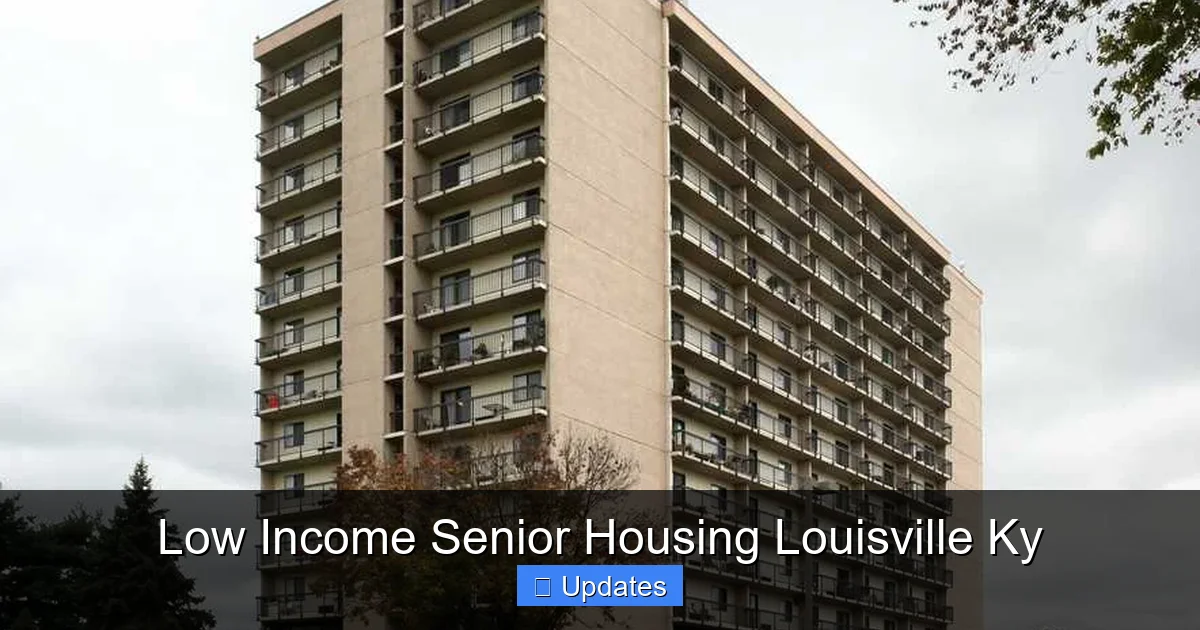
Visual guide about Low Income Senior Housing Louisville Ky
Image source: lowincomehousing.us
Not all senior housing is created equal—and that’s especially true when it comes to affordability. In the Louisville metro area, you’ll find several distinct categories of low income senior housing. Understanding the differences helps you choose the best fit for your lifestyle and budget.
1. HUD-Assisted Senior Apartments
Administered by the U.S. Department of Housing and Urban Development (HUD), these properties serve seniors earning no more than 50% of the area’s median income. Rent is calculated using HUD’s formula: generally between 30–40% of your monthly adjusted gross income. Utilities may or may not be included, so always clarify that upfront.
Examples near downtown Louisville include:
– Park Place Senior Residences: Located near Norton Hospital, offers studio and one-bedroom units with on-site health services.
– River Ridge Commons: Situated along the Ohio River, features private balconies and weekly group activities.
2. Section 202 Supportive Housing
This federal program provides capital advances and project-based rental assistance for developers to build or rehabilitate housing for very low-income seniors. Units are permanently affordable, meaning prices don’t fluctuate with market changes.
While fewer in number than HUD-assisted units, Section 202 properties often come with added services like meal delivery, housekeeping, or wellness checks. Unfortunately, waitlists can stretch months—or even years—due to high demand.
3. Nonprofit & Faith-Based Communities
Organizations like Catholic Charities or Louisville Presbyterian Theological Seminary operate senior housing that blends affordability with spiritual or community support. These aren’t always fully subsidized but still keep rents well below market rates.
For example, St. Anthony Village in eastern Jefferson County offers affordable one-bedroom units plus chapel services and volunteer opportunities. While not every unit qualifies as “low income” under HUD standards, they remain accessible to seniors on fixed incomes.
4. Veterans Affairs Supportive Housing (VASH)
If you served in the military, VA-funded housing may be an option. VASH combines HUD vouchers with case management for homeless veterans or those at risk of homelessness. Though primarily aimed at veterans, non-veterans may qualify under certain circumstances if they meet income and disability criteria.
How To Qualify For Low Income Senior Housing In Louisville
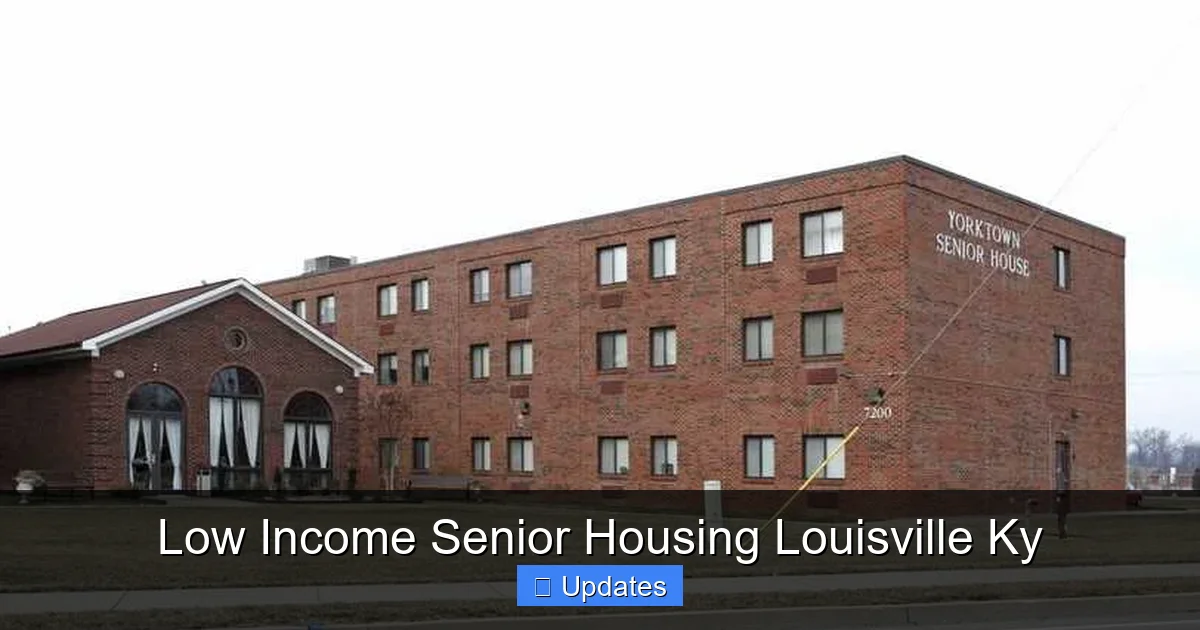
Visual guide about Low Income Senior Housing Louisville Ky
Image source: lowincomehousing.us
Eligibility rules vary slightly between providers, but most follow a similar framework. Here’s what you’ll typically need:
Age Requirement
You must be at least 62 years old. Some exceptions exist for disabled individuals younger than 62, but those are rare and require additional documentation.
Income Limits
For 2024, the income limit for a one-person household in Jefferson County is approximately $36,950 annually. Larger households face higher caps—up to $46,800 for four people. Remember, “low income” here means earning less than 50% of the area median income (AMI).
Citizenship & Residency Status
U.S. citizens or qualified non-citizens (like lawful permanent residents) are eligible. Proof of residency (e.g., utility bill, driver’s license) is usually required during screening.
Background Checks & Credit History
Most landlords run background checks focusing on eviction history and criminal records. However, unlike private rentals, many public housing authorities offer more leniency for minor infractions or past financial hardships.
Asset Limits
Some programs cap how much property you can own. For instance, you might not qualify if you hold more than $50,000 in countable assets (excluding your primary residence and retirement accounts). Again, rules differ—so always verify with the specific housing authority.
Top Affordable Senior Housing Options Near Louisville
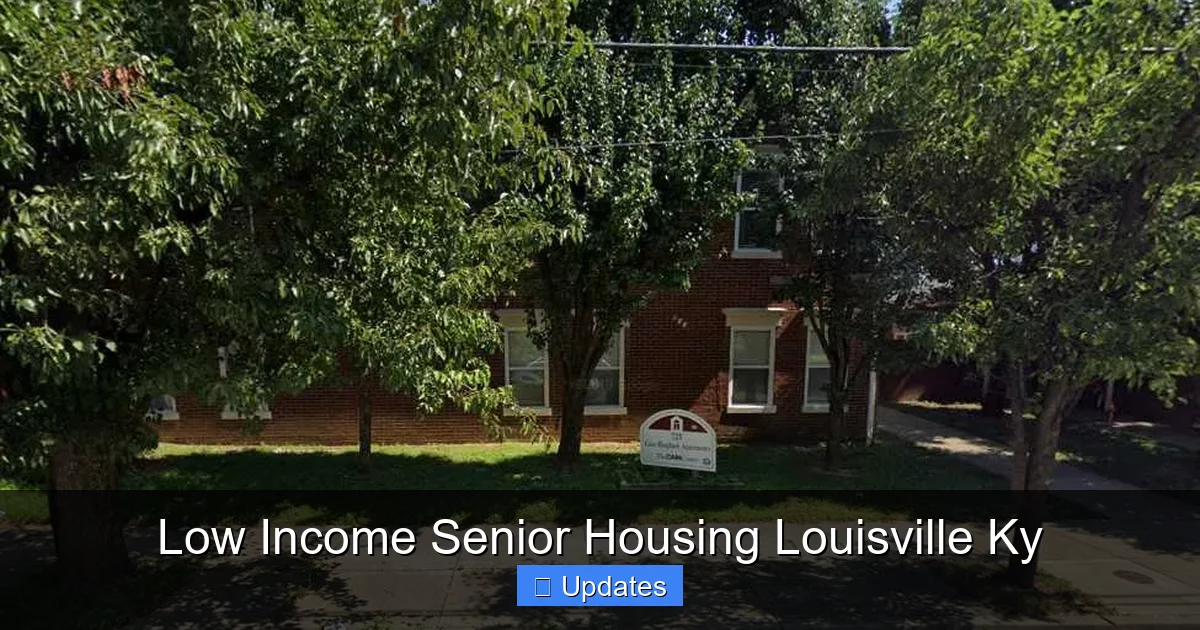
Visual guide about Low Income Senior Housing Louisville Ky
Image source: lowincomehousing.us
While Louisville itself has several excellent options, nearby suburbs and counties also offer quality low income senior housing. Below are some standout communities worth exploring:
1. Park Place Senior Residences – Louisville
– Address: 3000 S 4th St, Louisville, KY 40214
– Features: Studio & 1BR units, ADA-compliant design, on-site nurse
– Waitlist Status: Open (accepting applications)
– Contact: (502) 774-5500 | [email protected]
2. River Ridge Commons – Prospect, KY
– Address: 10000 River Ridge Blvd, Prospect, KY 40059
– Features: Private balconies, fitness center, shuttle service
– Waitlist Status: Closed until Q3 2026
– Note: Consider joining the waitlist now—they occasionally open spots for emergencies
3. St. Anthony Village – Louisville
– Address: 3800 Bardstown Rd, Louisville, KY 40218
– Features: Chapel, library, garden plots
– Affordability: Rents start around $400/month for one-bedroom
– Eligibility: Age 62+, income ≤ $30,000/year
4. Cedar Creek Senior Living – Shepherdsville, KY
– Address: 1000 Cedar Creek Dr, Shepherdsville, KY 40165
– Features: Emergency alert system, walking trails
– Special Program: Partners with Baptist Health for discounted medical screenings
5. Highland Springs – Louisville
– Address: 3000 S 4th St (same campus as Park Place)
– Features: Memory care wing, therapy pool
– Waitlist: Accepting new applicants quarterly
Remember: availability changes frequently. Always call ahead to confirm current status.
Application Tips & Common Mistakes To Avoid
Applying for low income senior housing can feel intimidating—but being prepared makes all the difference. Follow these practical steps to boost your chances:
Gather Documents Early
Have ready:
– Birth certificate or passport (proof of age)
– Social Security cards for all household members
– Recent pay stubs or benefit statements (last 30 days)
– Bank statements (last 3 months)
– Lease agreements or mortgage info (if applicable)
– Medical records (for disability-related exemptions)
Complete Applications Accurately
Double-check every box. Missing fields delay processing. Use blue or black ink—no pencils!
Submit Multiple Applications
Don’t put all your eggs in one basket. Apply to 3–5 different properties to increase odds. Some have faster turnarounds than others.
Avoid These Pitfalls
- Waiting too long: Start researching 6–12 months before you need housing.
- Assuming “no waitlist”: Even advertised openings fill quickly. Call daily to check for cancellations.
- Overlooking nearby cities: Expanding your search to Fort Knox or Elizabethtown increases options.
- Not asking about services: Meals, transportation, or health clinics nearby add real value.
Support Services & Community Resources
Living independently doesn’t mean going it alone. Many low income senior housing communities partner with local agencies to deliver wraparound support. Here’s what to look for:
On-Site Amenities
– Daily meals or meal vouchers
– Housekeeping or linen service
– Laundry facilities (often coin-operated)
– Activity calendars (bingo, book clubs, exercise classes)
– Transportation to grocery stores or doctor visits
Off-Site Partnerships
– Louisville Metro ADRC: Offers free counseling, benefit enrollment help, and caregiver respite programs.
– Area Agencies on Aging (AAA): Provide meal delivery (Meals on Wheels), home repair grants, and legal aid.
– Senior Centers: Free fitness classes, computer labs, and social events at locations like the Southwest Senior Center.
Pro Tip: Ask current residents about their favorite perks—real feedback reveals hidden gems!
Financial Planning For Senior Housing
Even with subsidies, unexpected costs pop up. Budget wisely:
Rent Calculations
Example: If your monthly Social Security is $1,500, your rent might be capped at $600 (40%). But utilities could add another $100–$200. Total out-of-pocket: $700–$800.
Additional Fees
– Application fee: Usually waived for seniors
– Pet deposit: May apply if allowed
– Parking fees: Rare, but possible
– Utility deposits: Sometimes required
Supplemental Assistance
– LIHEAP: Helps pay winter heating bills
– SNAP (food stamps): Reduces grocery expenses
– Property tax relief: Kentucky offers exemptions for seniors over 65
Talk to your caseworker at the Louisville ADRC—they can connect you with dozens of aid programs.
Future Outlook For Low Income Senior Housing In Kentucky
The need is growing. By 2030, over 20% of Kentuckians will be 65 or older—a 30% jump since 2020. Yet federal funding hasn’t kept pace with demand. That means waitlists will likely stay long, and new construction slow.
However, advocates are pushing back. Recent legislation proposes expanding Section 202 funding and streamlining application processes. Nonprofits like Habitat for Humanity also plan to build more affordable senior units in underserved neighborhoods.
Stay informed by subscribing to newsletters from:
– Kentucky Housing Corporation
– National Council on Aging (NCOA)
– Louisville Office of Performance Improvement
And remember: you’re not powerless. Join local senior advocacy groups to voice your needs to policymakers.
Conclusion: Your Next Steps Toward Comfortable Aging
Navigating low income senior housing in Louisville, KY takes effort—but it’s absolutely achievable. Start by visiting the Louisville Metro ADRC website or calling (502) 574-1600. They’ll walk you through eligibility, match you with open listings, and even assist with paperwork.
Don’t wait until you’re desperate. Reach out today. Because everyone deserves a safe, welcoming place to call home—especially in their later years.
Frequently Asked Questions
Is there low income senior housing in Louisville with no waiting list?
Occasionally, openings appear unexpectedly—but truly “no waitlist” housing is rare. Parks like River Ridge Commons may have temporary vacancies, but most reputable complexes maintain active waitlists. Monitoring multiple sites daily increases your chance of snagging a spot.
What income level qualifies for low income senior housing in Louisville?
For a single person, the 2024 limit is about $36,950/year. Two-person households max out near $42,000. These figures represent 50% of Jefferson County’s median income—the standard used by HUD and KHC programs.
Can I bring my pet into low income senior housing?
It depends on the complex. Some allow small dogs or cats with a refundable deposit; others ban all animals due to insurance restrictions. Always ask during your application inquiry—don’t assume pets are welcome.
Are utilities included in low income senior housing rent?
Not always. Many HUD-assisted units exclude utilities, requiring tenants to pay separately. Clarify this detail before signing—unexpected utility bills can strain tight budgets.
How long does it take to get approved for senior housing in Louisville?
Typically 30–60 days after submitting a complete application. Processing speed varies by landlord and backlog. Applying to several places simultaneously shortens your overall timeline.
Do I need to be disabled to qualify for low income senior housing?
No—most programs only require age (62+) and income eligibility. However, some faith-based or mission-driven communities prioritize disabled seniors. Check each property’s specific criteria.