
Low Income Senior Housing in Delaware County Pa


Anti-Slip Shower Stickers

Electric Mobility Scooter

Medication Reminder Alarm
Finding affordable housing as a low-income senior in Delaware County, PA is possible with the right resources and planning. This guide walks you through government-assisted programs, nonprofit partnerships, and local assistance that can help secure a stable, comfortable home. Whether you’re exploring options near Media, Chester, or Upper Darby, we’ll show you where to start, how to qualify, and what support is available.
Finding safe, affordable housing as a senior in Delaware County, Pennsylvania, can feel overwhelming—especially when you’re living on a fixed income. But here’s the good news: you don’t have to figure it all out alone. From government-funded apartments to nonprofit-supported communities, there are real options available for low-income seniors across Delaware County. Whether you’re looking for a quiet apartment in Media, a supportive community in Upper Darby, or accessible units near healthcare, this guide will walk you through everything you need to know about low income senior housing in Delaware County, PA.
The challenge many seniors face is navigating a complex system of rules, waitlists, and paperwork. That’s why understanding your options—and knowing who can help—is key. In this article, we’ll break down the types of housing available, how to qualify, where to apply, and what resources are available locally. We’ll also share practical tips to speed up your search and connect you with trusted partners who’ve helped thousands of seniors in Delaware County find their next home.
Key Takeaways
- Delaware County offers several state and federal programs designed specifically for low-income seniors seeking affordable housing.
- Eligibility is based on income, age (62+), and residency, with many programs capping rent at 30% of monthly income.
- Nonprofit organizations like SeniorLAW Center provide free legal aid and application help for senior housing.
- Public housing authorities manage waiting lists, so applying early and checking status regularly increases your chances.
- Additional benefits like PACE and SNAP can stretch your budget further when combined with housing support.
- Transportation and healthcare access are often included or nearby in senior housing communities.
- Online tools and hotlines make it easier than ever to find and apply for low-income senior housing in Delaware County.
📑 Table of Contents
- Types of Low Income Senior Housing in Delaware County
- How to Qualify for Low Income Senior Housing in Delaware County
- Top Resources for Finding Low Income Senior Housing
- Tips for Successfully Applying to Low Income Senior Housing Programs
- Additional Benefits That Can Help Low-Income Seniors
- Real Stories: How Seniors Found Homes in Delaware County
- What to Expect Once You Secure Housing
- Common Mistakes to Avoid
- Looking Ahead: Future of Senior Housing in Delaware County
- Final Thoughts
Types of Low Income Senior Housing in Delaware County
There isn’t just one kind of affordable senior housing—there are several models, each designed to meet different needs and budgets. Understanding the differences helps you choose the best fit for your lifestyle.
Public Housing for Seniors
Managed by the Delaware County Division of Housing and Community Development, public housing offers rent-based apartments for low-income residents aged 62 and older. These units are subsidized so that rent typically costs no more than 30% of your monthly income. You’ll find these properties scattered throughout the county, including areas like Springfield, Haverford, and Lansdowne. While availability varies, they’re often the most direct path to long-term affordability.
Section 8 Housing Choice Vouchers
If you prefer more choice in where you live, the Section 8 program might be right for you. Instead of being assigned a specific building, you receive a voucher that covers a portion of your rent in any qualifying apartment or home in Delaware County. The amount you pay depends on your income and local rental prices. This flexibility allows you to stay close to family, doctors, or favorite services. However, wait times can be long due to high demand.
Nonprofit and Faith-Based Senior Communities
Organizations like the Lutheran Services in America network or local faith groups often operate senior apartments with sliding-scale rents. These communities emphasize neighborly support, social activities, and accessibility features like grab bars and emergency call systems. Many are located near churches or community centers, making them ideal for those who value both independence and connection.
Continuing Care Retirement Communities (CCRC)
For seniors who want a full-service option, CCRCs offer a blend of independent living, assisted care, and nursing care—all under one roof. Some CCRCs in the region, such as those affiliated with Penn Medicine or local retirement foundations, include financial assistance programs for qualifying low-income residents. While entry fees may seem high upfront, they often include utilities, meals, and transportation.
Shared Housing and Co-Housing Models
Some seniors thrive in shared living situations where costs are split among multiple households. These arrangements can reduce rent significantly while still offering privacy and companionship. Local community boards and senior centers sometimes help match compatible roommates. It’s not for everyone, but for those open to collaboration, it can be a smart way to stretch limited funds.
How to Qualify for Low Income Senior Housing in Delaware County
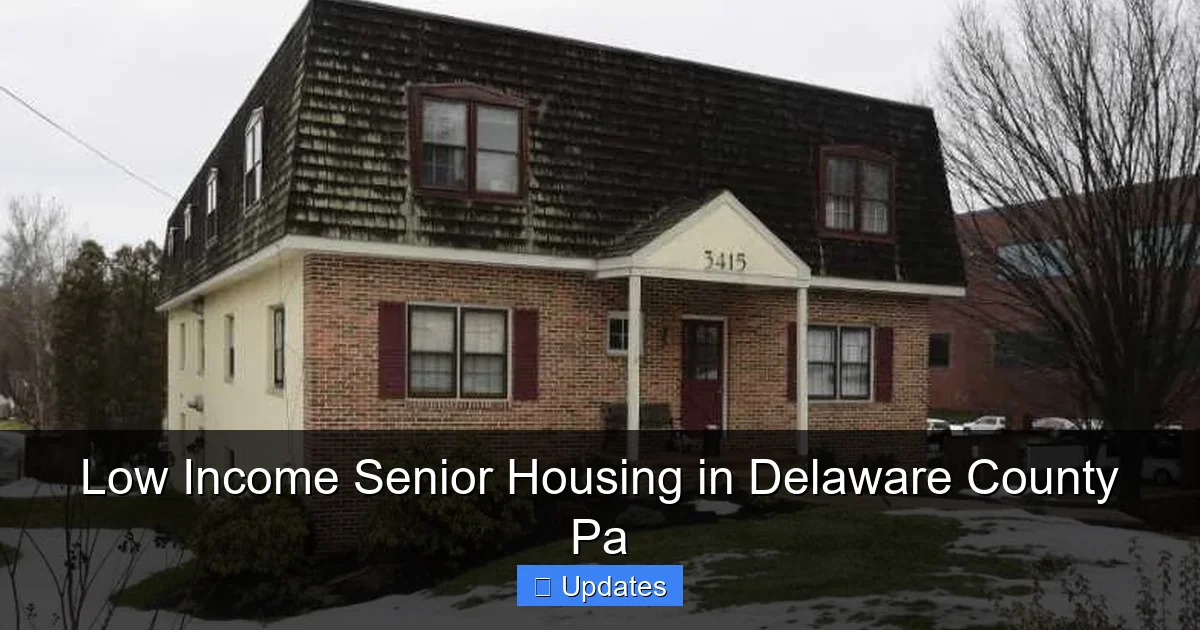
Visual guide about Low Income Senior Housing in Delaware County Pa
Image source: lowincomehousing.us
Qualifying for low-income senior housing involves meeting income limits, age requirements, and sometimes asset thresholds. Here’s what you need to know:
Income Limits Vary by Program
Most programs use federal guidelines set by HUD (U.S. Department of Housing and Urban Development). In Delaware County, income limits for seniors typically range from 30% to 50% of the area median income (AMI). For example, if the AMI is $75,000 annually, you might qualify if your household income is below $37,500. Single seniors usually have slightly higher limits than couples.
Age and Residency Requirements
You must be at least 62 years old to access most dedicated senior housing programs in Delaware County. Some mixed-age developments allow younger adults with disabilities, but priority goes to those 62+. You also need to prove you’ve lived in Delaware County for a certain period—usually six months to a year—though exceptions exist for medical or family reasons.
Assets and Credit Are Considered
Unlike some states, Pennsylvania looks at both income and assets when evaluating eligibility. Bank accounts, retirement funds, and property ownership may affect your ranking on waiting lists. However, many programs exempt primary residences and personal belongings like furniture and vehicles.
Documentation You’ll Need
Be ready to provide:
– Proof of age (birth certificate or driver’s license)
– Recent tax returns or Social Security statements
– Bank statements showing income sources
– Lease agreements or utility bills proving residency
– Medical records if applying for disability-related accommodations
Top Resources for Finding Low Income Senior Housing
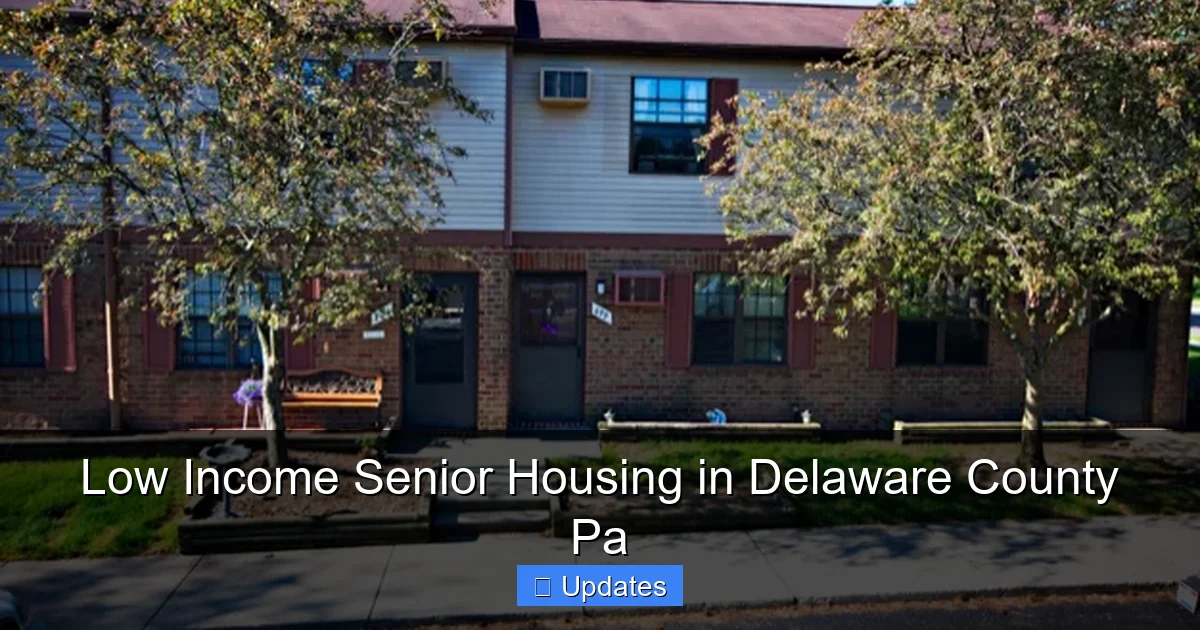
Visual guide about Low Income Senior Housing in Delaware County Pa
Image source: lowincomehousing.us
Navigating applications and waitlists can be tricky, but these local resources make it easier:
Delaware County Division of Housing and Community Development
This agency oversees public housing and Section 8 vouchers in the county. Their website includes an online portal to check waiting list statuses and submit new applications. They also host monthly information sessions at locations like the Springfield Public Library.
SeniorLAW Center
One of the most valuable allies for seniors in Delaware County, SeniorLAW Center offers free legal advice on housing rights, tenant protections, and application issues. They’ve helped hundreds of seniors avoid evictions and secure affordable units. Call their helpline at (215) 981-3700 or visit their office in Media.
Pennsylvania Housing Finance Agency (PHFA)
PHFA administers statewide programs like Keystone Homeownership and Affordable Rental Housing. They partner with local developers to create new affordable units, including senior-focused projects. Their website has a searchable database of available properties.
Local Senior Centers
Places like the Delaware County Area Agency on Aging run centers in Upper Darby, Haverford, and West Chester. Staff there can connect you with housing counselors, assist with applications, and offer workshops on budgeting and health benefits.
Online Tools and Hotlines
Use websites like HUD’s resource locator or call the National Housing Hotline at (800) 424-8544 for guidance tailored to your situation. Both offer multilingual support and can point you toward Delaware County-specific opportunities.
Tips for Successfully Applying to Low Income Senior Housing Programs
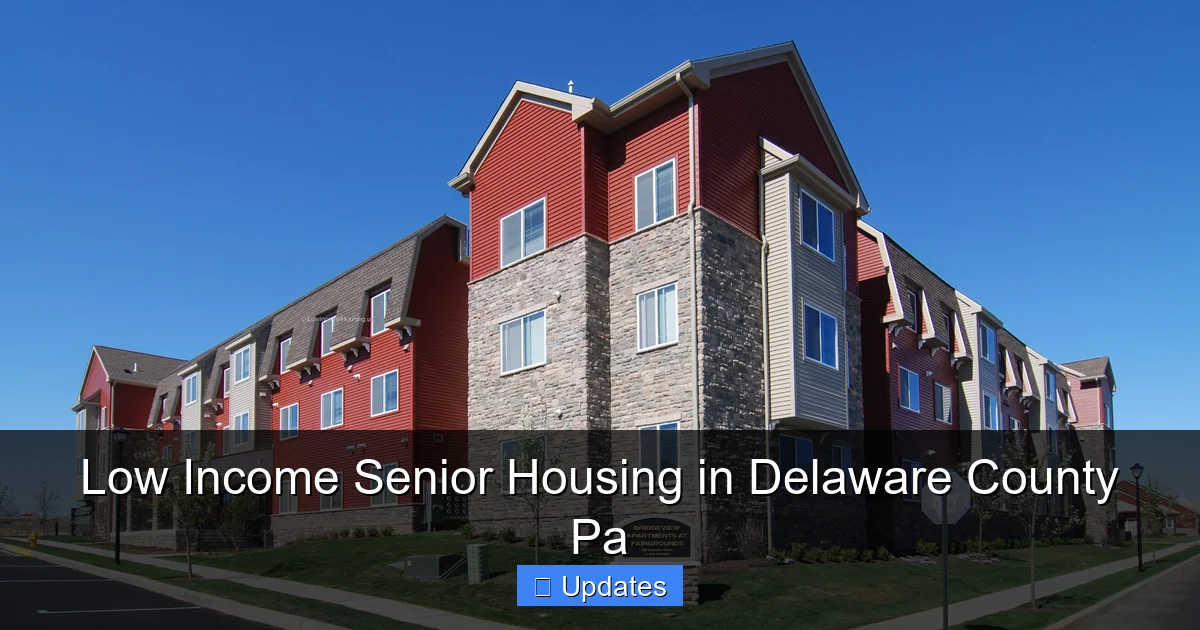
Visual guide about Low Income Senior Housing in Delaware County Pa
Image source: lowincomehousing.us
Even with the right qualifications, getting into a popular program takes strategy. Here’s how to improve your chances:
Apply Early and Often
Waiting lists move slowly, and new applicants join constantly. Submit your application as soon as you’re eligible—even if you’re not ready to move immediately. Some programs give preference to those who apply first.
Update Your Information Regularly
Income changes, job loss, or medical expenses can affect your eligibility. Keep your file current with recent documents so you don’t lose your spot due to outdated info.
Seek Help from Advocates
Volunteer organizations like the Delaware County Volunteer Lawyers Project can review your application, fill out forms correctly, and represent you if disputes arise. Don’t hesitate to ask for help—it’s free and confidential.
Network Within the Community
Talk to friends, neighbors, or church members who’ve gone through the process. Word-of-mouth referrals sometimes lead to faster placements, especially in smaller developments.
Consider Nearby Counties
While we focus on Delaware County, neighboring Montgomery and Chester counties have additional programs. Expanding your search slightly can open new doors without moving far from home.
Additional Benefits That Can Help Low-Income Seniors
Affordable housing isn’t the only support available. Combining housing with other benefits makes life easier:
PACE Program (Pennsylvania’s Chronic Disease Self-Management Program)
PACE helps seniors manage chronic conditions like diabetes or heart disease through group classes and home visits. Many housing providers offer PACE on-site, reducing travel time and increasing participation.
SNAP (Supplemental Nutrition Assistance Program)
If you struggle to buy groceries, SNAP provides monthly food benefits. Apply through the Pennsylvania Department of Human Services—many senior housing sites host enrollment events.
Energy Assistance
Low-income seniors can get help paying heating and electric bills through the LIHEAP program. This reduces the risk of utility shutoffs during winter months.
Transportation Services
Many senior housing communities partner with agencies like DART First State or RideWise to offer free or discounted rides to medical appointments, grocery stores, and social events.
Real Stories: How Seniors Found Homes in Delaware County
Meet Margaret, 72, from Media: After retiring from teaching, Margaret struggled to afford rising rents. She learned about the Section 8 voucher program through the Delaware County Area Agency on Aging. Within eight months, she secured a one-bedroom apartment near her granddaughter’s school. “I was scared at first,” she says, “but the staff walked me through every step. Now I feel safe and connected.”
Then there’s Robert, 68, in Upper Darby: Robert needed accessible housing after a stroke. He reached out to SeniorLAW Center, which helped him apply for a public housing unit with wheelchair-friendly features. “They didn’t just send me forms,” he recalls. “They came to my home, explained everything, and stayed with me during the interview.”
These stories show that persistence and support make a big difference. You’re not alone in this journey.
What to Expect Once You Secure Housing
Moving into low-income senior housing brings peace of mind—but it’s important to understand your rights and responsibilities:
Lease Agreements
All leases are federally regulated. Landlords can’t charge extra fees beyond security deposits or late payments. Rent increases must follow strict timelines, and evictions require court approval.
Maintenance and Repairs
Property managers are required to address urgent repairs within 24–48 hours. Non-emergency issues like painting or appliance replacements should be reported promptly.
Community Rules
Most complexes have guidelines about noise, guest policies, and common areas. Read them carefully before signing, and ask questions if anything seems unclear.
Access to Services
Look for buildings that offer on-site meal programs, exercise rooms, or wellness clinics. These extras can enhance quality of life and reduce out-of-pocket costs.
Common Mistakes to Avoid
Even experienced applicants make errors. Steer clear of these pitfalls:
Not Reading the Fine Print
Skipping over lease details or program rules can lead to surprises later. If something doesn’t make sense, ask for clarification.
Delaying Applications
Postponing until you “feel ready” means missing opportunities. Start now—even if you’re not sure where you’ll move.
Ignoring Waitlist Updates
Agencies rarely call when spots open. Sign up for email alerts or check your status monthly.
Applying Only to One Option
Don’t put all your eggs in one basket. Apply to multiple programs simultaneously to increase your odds.
Overlooking Support Services
Benefits like Meals on Wheels or home health aides aren’t automatic—but they’re often easy to add once you’re settled.
Looking Ahead: Future of Senior Housing in Delaware County
As Delaware County grows older, demand for affordable senior housing will rise. Local leaders are responding with innovative solutions:
New Developments
Projects like the recently approved “Greenfield Commons” in Radnor will include 100 units of affordable senior housing built to energy-efficient standards. Construction begins in late 2024.
Partnerships with Healthcare Providers
Integrated care models are emerging, where housing providers team up with hospitals to offer on-site health screenings and medication management.
Smart Technology Integration
Some newer buildings feature fall detection sensors, voice-activated lighting, and remote monitoring—helping seniors live independently longer.
These trends suggest brighter days ahead for seniors seeking affordable, dignified living in Delaware County.
Final Thoughts
Securing low-income senior housing in Delaware County requires effort, but it’s absolutely achievable. With the right preparation, support from local advocates, and patience through the process, you can find a place that feels like home. Remember: you deserve safety, comfort, and respect in your golden years—no matter your income level.
Take the first step today. Visit the Delaware County Housing website, call SeniorLAW Center, or stop by your local senior center. The community is here to help.
Frequently Asked Questions
Who qualifies for low income senior housing in Delaware County?
Seniors aged 62 or older with income below 50% of the area median income typically qualify. Some programs allow younger individuals with disabilities. Applicants must also reside in Delaware County and pass background checks.
How long is the waiting list for senior housing in Delaware County?
Wait times vary widely—some programs have lists of 2–3 years, while others may take 6 months or less. Public housing waitlists are often longest. Applying early and checking status monthly improves your chances.
Can I apply for multiple senior housing programs at once?
Yes! Most programs allow simultaneous applications. Just ensure you meet all eligibility criteria for each. Organizations like SeniorLAW Center can help manage multiple submissions.
Are pets allowed in low income senior housing?
It depends on the property. Many senior housing communities welcome emotional support animals with documentation. Service dogs are almost always permitted. Always check the pet policy before moving in.
What if I lose my job or income suddenly?
Notify your housing provider immediately. Many programs allow temporary hardship exemptions or payment plans. You may also qualify for emergency rental assistance through Delaware County’s Human Services department.
Is there help with moving costs?
Some nonprofit organizations offer moving stipends or furniture donations for low-income seniors relocating to affordable housing. Contact the Delaware County Area Agency on Aging or SeniorLAW Center for details.