
Low Income Senior Housing Cheyenne Wyoming


Page Magnifier Sheet

Large Display Clock with Date

Weighted Blanket
Finding low income senior housing in Cheyenne, Wyoming can make a big difference for older adults on a fixed budget. These programs offer safe, affordable homes with essential services like meals, transportation, and social activities. While availability may be limited, knowing where to look and how to qualify gives you the best chance of securing stable housing. With the right support, Cheyenne’s senior community can thrive.
As we grow older, one of the biggest concerns becomes finding a place to live that’s both safe and affordable. For low income seniors in Cheyenne, Wyoming, the search for dignified, comfortable housing can feel overwhelming—especially when rising costs and limited supply put quality care out of reach. But the good news? Help is available. Whether through public housing, nonprofit partnerships, or state-supported programs, there are real options for low income senior housing in Cheyenne, Wyoming. These communities aren’t just about four walls and a roof—they’re designed with seniors’ needs in mind, offering support, connection, and peace of mind.
Cheyenne, the capital of Wyoming, has been working to expand its senior housing network over the past decade. With an aging population and increasing awareness of eldercare needs, local government agencies, nonprofits, and private developers have collaborated to create more accessible living environments. From studio apartments to two-bedroom units, many of these properties offer rent subsidies, on-site health services, and activity programs tailored to older adults. While it’s true that demand often exceeds supply, understanding your options and applying strategically can open doors that might otherwise seem closed.
This guide walks you through everything you need to know about finding and applying for low income senior housing in Cheyenne, Wyoming. You’ll learn who qualifies, what types of housing are available, how long waits might be, and where to turn for help along the way. No matter your situation—whether you’re relocating, downsizing, or simply looking for a safer neighborhood—you deserve a place to call home. Let’s explore how Cheyenne is making that possible.
Key Takeaways
- Eligibility is based on income and age: Most low income senior housing programs require applicants to be 62 or older and have household income below 30–50% of area median income.
- Waitlists are common: Due to high demand, many subsidized senior housing options in Cheyenne operate waiting lists—sometimes lasting years.
- Public housing authorities manage key programs: The Cheyenne Housing Authority oversees several affordable senior housing developments across the city.
- Additional support services are often included: Many facilities provide meal programs, wellness checks, transportation, and social events at no extra cost.
- Alternative options exist beyond public housing: Nonprofit organizations and faith-based groups also offer subsidized senior living in the Cheyenne area.
- Applying early increases your chances: Completing applications as soon as possible and providing all required documents helps speed up the process.
- Local agencies can guide you: Contacting Aging Services or Area Agency on Aging staff helps clarify options and access assistance during application.
📑 Table of Contents
- Understanding Low Income Senior Housing in Cheyenne
- Types of Affordable Senior Housing Available in Cheyenne
- How to Qualify for Low Income Senior Housing in Cheyenne
- The Application Process Explained
- Tips for Successfully Securing Housing
- Additional Support Services Beyond Housing
- Challenges and Realities of Senior Housing in Cheyenne
- Conclusion: Finding Your Place in Cheyenne’s Senior Community
Understanding Low Income Senior Housing in Cheyenne
Low income senior housing refers to residential communities specifically designed for adults aged 62 and older who meet strict income guidelines. Unlike market-rate apartments, these properties receive federal, state, or nonprofit funding to keep rents affordable—often as low as 30% of a person’s monthly income. In Cheyenne, most of these homes fall under two main categories: public housing managed by the city, and privately owned buildings that participate in HUD-assisted programs.
What makes this type of housing special isn’t just the price tag—it’s the added layer of support. Residents benefit from regular maintenance, emergency call systems, accessibility features, and sometimes even meal delivery or wellness visits. Some communities host bingo nights, exercise classes, or volunteer opportunities, helping residents stay engaged and reduce isolation. For many seniors, especially those living alone or managing chronic conditions, these services can mean the difference between independence and needing full-time care.
It’s important to note that “low income” doesn’t mean “no income.” It means your earnings must fall within certain thresholds set each year by the U.S. Department of Housing and Urban Development (HUD). For example, in Laramie County (where Cheyenne is located), a single senior might qualify if their annual income is under $38,000, while a couple could earn up to around $43,000. Exact numbers vary slightly by program, but the goal remains consistent: ensure housing stays within reach for those who need it most.
Types of Affordable Senior Housing Available in Cheyenne
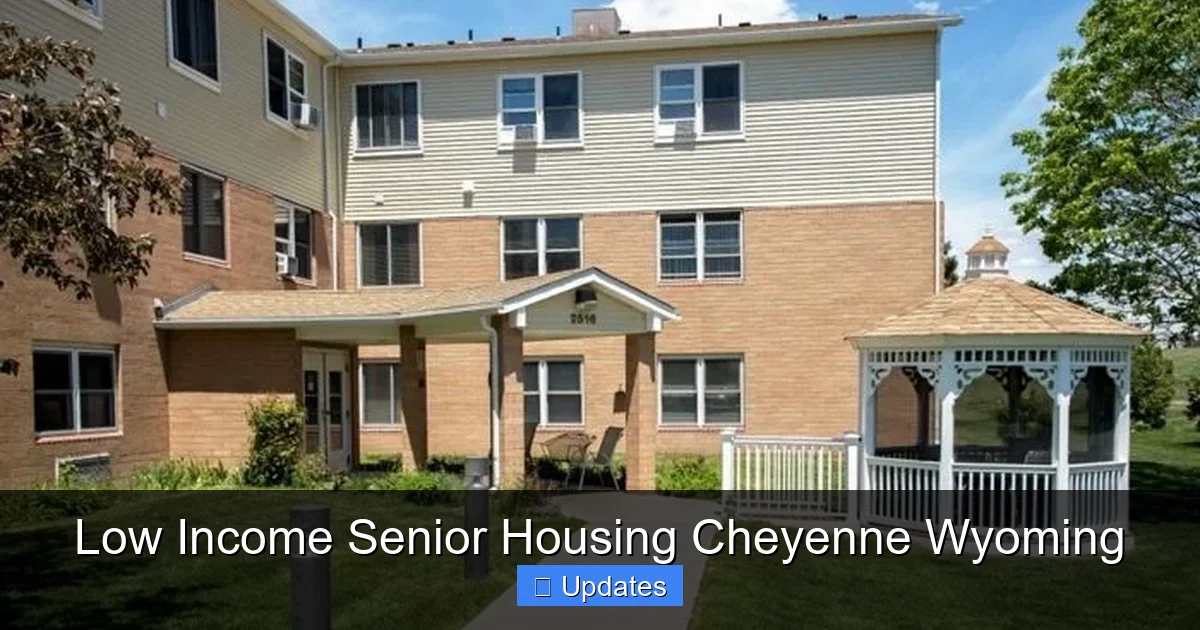
Visual guide about Low Income Senior Housing Cheyenne Wyoming
Image source: publichousing.com
When exploring low income senior housing in Cheyenne, Wyoming, you’ll find several models to consider. Each offers unique benefits depending on your lifestyle, health status, and financial situation.
Public Housing Units Managed by the City
The Cheyenne Housing Authority operates multiple senior-focused developments under Section 202 Supportive Housing for the Elderly program. One prominent example is Lincoln Court Apartments, a 40-unit complex near downtown Cheyenne. Built specifically for low income seniors, Lincoln Court provides one- and two-bedroom units with elevators, emergency response buttons, and shared community rooms. Rent is calculated based on income, and utilities are typically included. Prospective residents must apply through the Cheyenne Housing Authority and may face a waitlist—but once approved, they gain access to reliable, subsidized housing with minimal upfront costs.
Another option is Willow Creek Senior Living, another HUD-subsidized property that emphasizes privacy and comfort. Located near medical clinics and grocery stores, it includes weekly housekeeping and scheduled transportation to appointments. This kind of convenience is invaluable for seniors with mobility challenges or transportation barriers.
Nonprofit and Faith-Based Communities
Beyond city-run programs, Cheyenne hosts smaller-scale senior residences operated by local charities and religious organizations. Groups like the Wyoming Community Action Partnership occasionally partner with landlords to offer rent assistance for qualifying seniors. Similarly, some churches run supportive housing initiatives where volunteers help with minor repairs or companionship visits. While these may not always include formal meal plans or medical monitoring, they foster strong neighborhood ties and personalized attention.
Shared Housing Arrangements
For those open to cohabitation, shared housing—where two seniors split rent and utilities—can stretch budgets further. Local bulletin boards at libraries, senior centers, and community colleges often list leads on compatible roommates. Though less structured than official housing projects, these arrangements allow flexibility and lower overhead while still maintaining safety standards.
How to Qualify for Low Income Senior Housing in Cheyenne
Visual guide about Low Income Senior Housing Cheyenne Wyoming
Image source: geekorea.com
Qualifying for low income senior housing in Cheyenne, Wyoming involves meeting specific criteria related to age, residency, citizenship, and income. Here’s what you should know before applying:
First, you must be at least 62 years old. Some newer developments accept applicants as young as 55 if they have disabilities or chronic illnesses, but the standard threshold remains 62. Second, proof of Wyoming residency (like a driver’s license or utility bill) is usually required. Third, you’ll need to demonstrate that your household income falls below the limit established by HUD for Laramie County. As mentioned earlier, for 2024, that’s roughly $38,000 for individuals and $43,000 for couples.
Your income includes wages, Social Security benefits, pensions, annuities, and other regular sources—but excludes gifts, inheritances, or one-time windfalls. If you have dependents (such as grandchildren living with you), their income is counted too, which may affect eligibility.
Documentation is critical. Be ready to submit:
– Birth certificates or passports confirming age
– Recent pay stubs or benefit statements
– Bank statements showing savings
– Lease agreements or mortgage documents (if applicable)
– Letters from doctors if claiming disability-related exemptions
Once submitted, applications go into a pool reviewed periodically. Priority is often given to extremely low-income applicants, those with disabilities, or individuals facing homelessness. Unfortunately, due to high demand, wait times can range from six months to several years. Staying persistent and checking back regularly improves your odds.
The Application Process Explained

Visual guide about Low Income Senior Housing Cheyenne Wyoming
Image source: i.pinimg.com
Navigating the application for low income senior housing in Cheyenne, Wyoming might sound intimidating, but breaking it down into steps makes it manageable. Start by contacting the Cheyenne Housing Authority directly—either online via their website or by calling their office. They’ll give you the current application form and confirm whether a waitlist is active.
Next, gather all required paperwork. Missing documents delay processing significantly. Bring originals whenever possible; copies alone won’t suffice. If English isn’t your first language, ask about translation services—many agencies partner with bilingual staff or interpreters.
After submitting your packet, expect a background check and possibly a home visit to verify living conditions. Staff may also interview family members or neighbors to assess stability. While this feels invasive, it ensures the community remains safe and supportive for everyone.
If accepted off the waitlist, you’ll attend an orientation session covering lease terms, house rules, and available services. Move-in dates are usually flexible, so coordinate with your current landlord if needed. Remember: accepting an offer doesn’t guarantee permanent placement—some leases require periodic recertification of income every year.
Tips for Successfully Securing Housing
Even with perfect paperwork, competition for low income senior housing in Cheyenne, Wyoming remains fierce. Use these strategies to boost your chances:
Apply to Multiple Programs: Don’t put all your eggs in one basket. Submit applications to both the city housing authority and any nonprofit or faith-based options you qualify for. Diversity increases exposure and reduces risk of rejection from a single source.
Stay Organized: Keep a folder—digital or physical—with copies of every document you send. Note submission dates, names of contacts, and follow-up deadlines. Jotting down phone numbers helps resolve issues quickly.
Leverage Local Resources: Visit the Cheyenne Senior Center or attend workshops hosted by the Wyoming Department of Health and Human Services Division of Aging. Staff there often have insider knowledge about hidden vacancies or expedited review processes.
Network Within Your Circle: Tell friends, relatives, and neighbors about your search. Word-of-mouth can reveal leads not advertised publicly, especially in tight-knit communities like Cheyenne.
Be Patient but Persistent: Waiting lists move slowly, but staying visible shows commitment. Call monthly to update your status and express continued interest.
Remember, this journey isn’t just about finding shelter—it’s about building a new chapter filled with dignity and support. Every step forward brings you closer to stability.
Additional Support Services Beyond Housing
One of the greatest advantages of low income senior housing in Cheyenne, Wyoming is the array of supplemental services offered. These extras transform ordinary apartments into vibrant communities where seniors thrive.
Meal programs are widespread. Many complexes partner with local food banks or offer subsidized breakfast and dinner options. Some even deliver hot lunches to residents unable to cook independently. Nutritional guidance and diabetes management support are common additions.
Transportation services frequently include free shuttles to pharmacies, hospitals, shopping centers, and recreational venues. For drivers, discounted bus passes or vanpool arrangements may also be available. Mobility aids like walkers and grab bars are often installed at no charge.
Social programming ranges from book clubs and art therapy sessions to fitness routines adapted for arthritis or balance issues. Volunteer coordinators organize visits from youth groups, schoolchildren, or therapy animals—all combating loneliness effectively.
Health screenings, flu shots, and blood pressure checks happen on-site regularly. Mental health counselors or chaplains drop by for group talks or private consultations. Legal aid clinics sometimes hold pop-up hours to assist with wills, power of attorney, or Medicaid enrollment.
These integrated supports mean residents rarely need to navigate complex systems alone. Instead, they enjoy holistic care wrapped neatly inside their rent payment.
Challenges and Realities of Senior Housing in Cheyenne
Despite progress, accessing low income senior housing in Cheyenne, Wyoming isn’t without hurdles. Understanding these realities prepares you for potential delays or disappointments.
First, funding limitations restrict unit counts. Wyoming receives less federal money per capita than coastal states, meaning fewer subsidies flow into local projects. Developers hesitate to build new senior housing without guaranteed rental revenue, slowing expansion.
Second, stigma persists around public assistance. Some seniors fear judgment from neighbors or worry about losing autonomy. Overcoming this requires confidence and choosing communities with inclusive cultures.
Third, geographic distribution isn’t ideal. Many subsidized units cluster in older parts of town, far from hospitals, pharmacies, or public transit hubs. Seniors with cars may struggle if vehicle reliability declines.
Lastly, staffing shortages plague maintenance and security roles. Longer repair times or inconsistent janitorial service can impact quality of life. Advocacy groups urge policymakers to prioritize worker wages in senior housing contracts.
That said, grassroots efforts are improving things. The Wyoming Coalition for the Elderly lobbies annually for increased appropriations. Grassroots fundraising helps retrofit buildings with ramps, handrails, and fire alarms. Community gardens and intergenerational mentorship programs fill gaps left by bureaucracy.
Conclusion: Finding Your Place in Cheyenne’s Senior Community
Securing low income senior housing in Cheyenne, Wyoming takes effort, but it’s absolutely achievable. By starting early, applying broadly, and leaning on local experts, you position yourself for success. Remember, you’re not just renting a room—you’re joining a network of peers, caregivers, and advocates dedicated to healthy aging.
Whether you dream of quiet mornings sipping coffee on a porch swing or lively afternoons playing cards with neighbors, Cheyenne offers pathways to make those dreams real. Don’t let fear of rejection stop you. Reach out today. Call the Cheyenne Housing Authority. Attend a senior center event. Talk to someone who’s walked this path before.
Your golden years deserve more than survival—they deserve belonging. And in Cheyenne, that future starts with a single application.
Frequently Asked Questions
Who qualifies for low income senior housing in Cheyenne?
Applicants must be at least 62 years old, reside in Wyoming, and have household income below 30–50% of area median income. Proof of age, residency, and income is required.
How long are typical waitlists for senior housing in Cheyenne?
Waitlists vary but often last 6 months to 2 years due to high demand. Prioritization goes to extremely low-income individuals, disabled seniors, or those experiencing homelessness.
Are utilities included in low income senior housing rent?
In most cases, yes—utilities like water, trash, and electricity are covered as part of the subsidized rent package. Heating costs may fluctuate seasonally.
Can I bring my pet to low income senior housing?
Policies differ by property. Many allow small dogs or cats with breed/size restrictions. Ask during application about pet deposits or liability waivers.
Is there transportation provided to medical appointments?
Yes, many Cheyenne senior housing communities offer scheduled shuttle services to clinics, pharmacies, and hospitals at no additional cost.
What if my income changes after moving in?
Rent is recalculated annually based on updated income. Notify your housing manager promptly if your finances shift significantly to avoid penalties.
