
Low Income Senior Apartments in Oakland Ca


Automatic Pill Dispenser

Digital Thermometer

Electric Mobility Scooter
Finding low income senior apartments in Oakland, CA can be a lifeline for older adults seeking affordable, supportive housing. With rising living costs and limited retirement savings, many seniors rely on subsidized programs to maintain independence and dignity. This guide walks you through eligibility, top communities, application tips, and local resources—so you can confidently navigate your next steps toward stable, comfortable housing.
Finding a safe, affordable place to live as a senior in Oakland, California, doesn’t have to feel overwhelming. Whether you’re retiring locally, relocating from another state, or simply looking for more financial flexibility in your golden years, low income senior apartments in Oakland offer real solutions. With rising rents across the Bay Area and inflation squeezing fixed incomes, thousands of older adults depend on subsidized housing to stay independent, connected, and secure.
Oakland has made significant strides in expanding accessible senior housing over the past decade. From federally funded Section 202 properties to locally developed affordable complexes, there’s a growing network of homes designed specifically for seniors with limited budgets. But navigating this landscape requires knowing where to look, what to expect, and how to apply before spots fill up.
This guide gives you everything you need: insider tips on qualifying, a rundown of top-rated communities, details about waitlists and move-in timelines, plus local resources that can make all the difference. By the end, you’ll feel confident taking action—and hopefully moving into a home that feels just right.
—
Key Takeaways
- Understanding low income senior apartments in oakland ca: Provides essential knowledge
📑 Table of Contents
- What Are Low Income Senior Apartments?
- Who Qualifies for Low Income Senior Housing in Oakland?
- Top Low Income Senior Apartment Communities in Oakland
- How Long Are Waitlists for Low Income Senior Apartments?
- Tips for a Successful Application
- Additional Resources for Seniors in Oakland
- Final Thoughts: You Deserve a Place to Call Home
What Are Low Income Senior Apartments?
Low income senior apartments are purpose-built housing units reserved for people aged 62 and older who meet strict income guidelines. These aren’t just any apartments—they’re part of federal, state, or nonprofit housing programs that cap rent based on your earnings, not market rates. That means if you’re living on Social Security, pensions, or modest savings, your rent might be as little as $75–$300 per month.
These communities often include shared amenities like dining halls, wellness rooms, exercise areas, and organized social events—all aimed at fostering connection and well-being. Unlike standard apartments, residents benefit from supportive staff who understand the unique needs of aging adults, such as accessibility features, emergency call systems, and partnerships with nearby medical providers.
In Oakland, most low income senior apartments fall under one of three main categories:
– **Section 202 Supportive Housing**: Funded by the U.S. Department of Housing and Urban Development (HUD), these properties serve very-low-income seniors and may offer on-site services like nursing care or case management.
– **Low-Income Housing Tax Credit (LIHTC) Projects**: Developed by private developers but regulated by affordability rules, these units prioritize seniors while also allowing younger low-income households.
– **Local Nonprofit Developments**: Groups like Habitat for Humanity or local faith-based organizations build and manage affordable homes tailored to seniors’ preferences.
No matter the type, the goal is the same: provide dignified, stable housing without breaking the bank.
—
Who Qualifies for Low Income Senior Housing in Oakland?
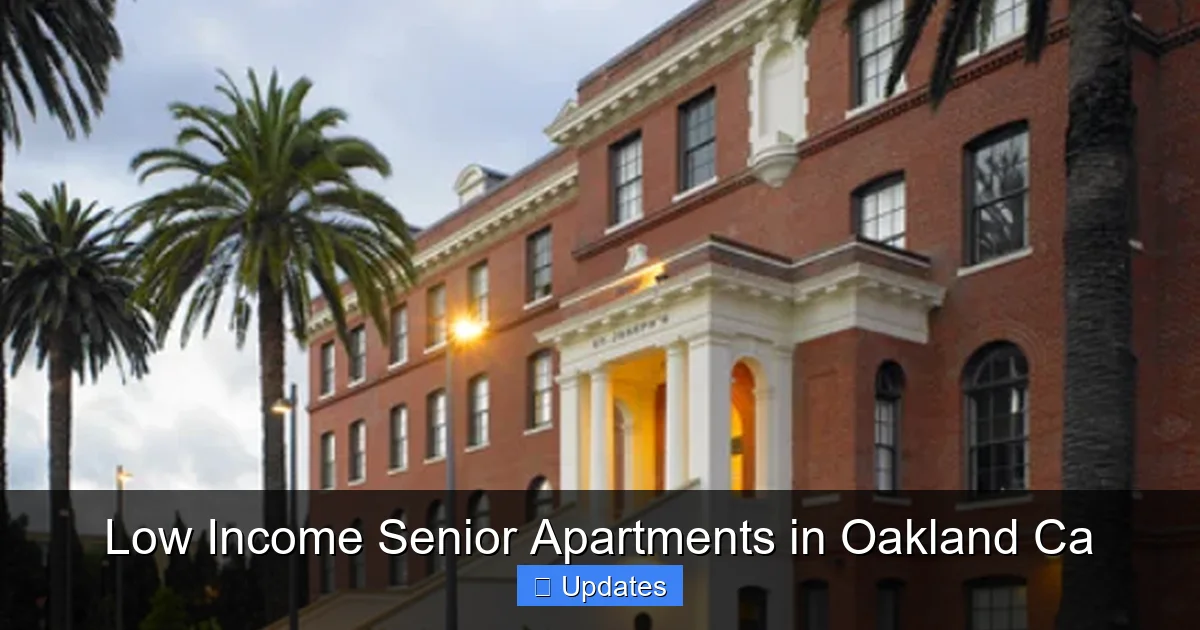
Visual guide about Low Income Senior Apartments in Oakland Ca
Image source: publichousing.com
Before you start touring units or filling out forms, it helps to know if you qualify. The good news? You don’t need to be destitute—just meet certain income thresholds tied to Oakland’s median household income.
For most low income senior apartments in Oakland, eligibility hinges on two factors:
1. **Age Requirement**: At least one person in the unit must be 62 or older.
2. **Income Limit**: Your annual household income must fall below a specific percentage of Oakland’s Area Median Income (AMI). As of 2024, here’s a quick snapshot:
| Household Size | 30% AMI (Extremely Low) | 50% AMI (Very Low) | 60% AMI (Low) |
|—————-|————————–|——————–|—————-|
| 1 Person | $29,000 | $48,350 | $58,020 |
| 2 People | $33,150 | $55,250 | $66,300 |
Most senior housing programs accept applicants earning up to 50% of AMI. Some, especially those offering extra services, cap at 30%. If you’re unsure where you stand, use HUD’s online Income Limits tool or ask the leasing office directly.
Other considerations include:
– **Criminal background**: Most properties allow minor offenses but screen out violent crimes or drug-related activity.
– **Rental history**: While evictions may disqualify you, some programs offer second chances with documentation.
– **Medical needs**: Certain buildings reserve units for seniors with disabilities (ages 62+), requiring proof of disability status.
Don’t let fear of rejection stop you from applying! Many people assume they won’t qualify, only to discover they do. And remember—even if you don’t get into your first choice, being on a waitlist keeps your foot in the door.
—
Top Low Income Senior Apartment Communities in Oakland
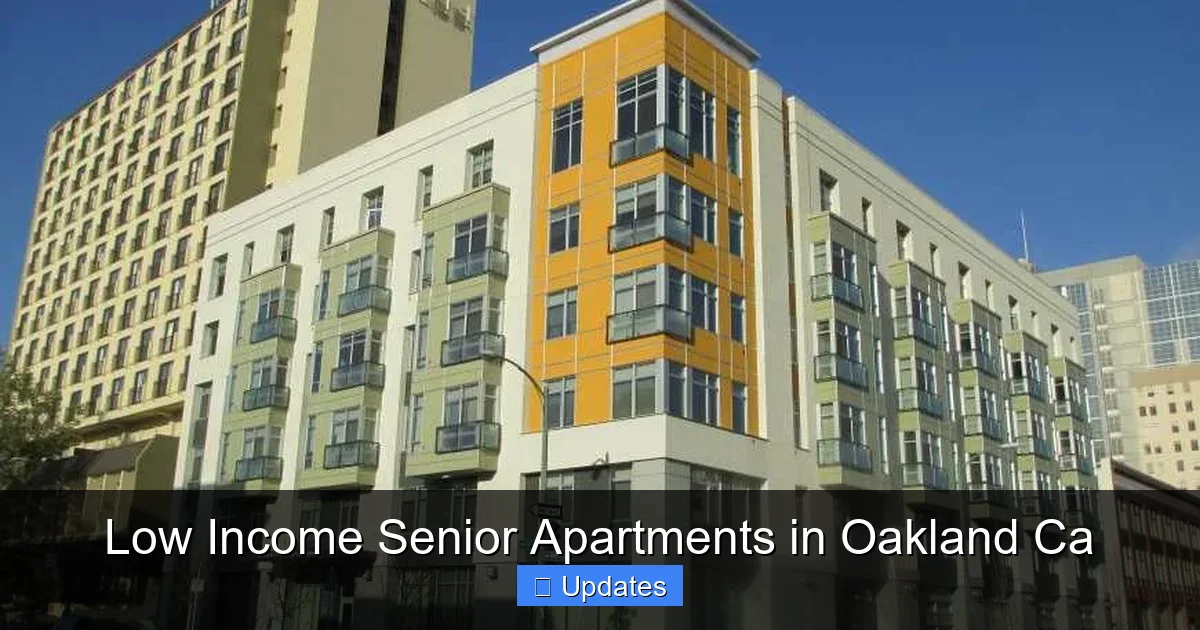
Visual guide about Low Income Senior Apartments in Oakland Ca
Image source: publichousing.com
Oakland boasts dozens of affordable senior housing options, each with its own vibe, location, and perks. Below are some of the most respected and sought-after communities as of 2024.
1. The Gardens at Lake Merritt
Located near downtown Oakland’s scenic lakefront, The Gardens offers studio and one-bedroom units for seniors earning up to 50% AMI. Residents enjoy weekly bingo nights, a fitness center, and free shuttle service to Kaiser Permanente clinics. Waitlist times average 18–24 months, so apply soon if interested.
2. Fruitvale Village Senior Housing
Serving the vibrant Fruitvale neighborhood, this complex provides culturally sensitive services for Latino and African American seniors. Amenities include bilingual staff, communal kitchens, and monthly health fairs. Income limit: 60% AMI.
3. West Oakland Senior Apartments
A newer development managed by Mercy Housing, West Oakland Senior Apartments feature energy-efficient design, community gardens, and on-site physical therapy referrals. Ideal for those wanting proximity to public transit and grocery stores.
4. Temescal Senior Residences
Nestled in the trendy Temescal district, this pet-friendly property includes a rooftop terrace, art classes, and partnerships with local nonprofits for food assistance. Waitlists open seasonally—usually spring and fall.
5. Alameda County Housing Authority Subsidized Units
While not in Oakland proper, Alameda County manages several high-quality senior properties within city limits through joint funding. These often have shorter waitlists than private operators due to larger portfolios.
Each community has its own application process, but all require income verification, references, and sometimes interviews. Be sure to visit in person if possible—you’ll get a better sense of safety, noise levels, and neighborly spirit than any website can convey.
—
How Long Are Waitlists for Low Income Senior Apartments?
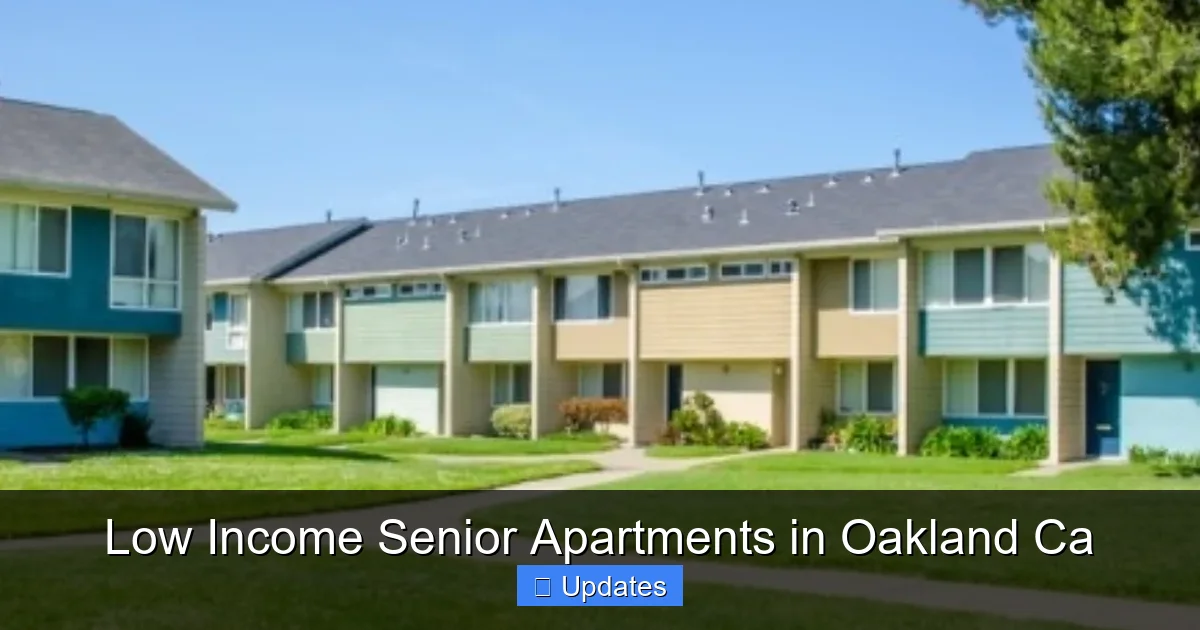
Visual guide about Low Income Senior Apartments in Oakland Ca
Image source: lowincomehousing.us
This is probably your biggest concern: How fast will I get in?
Unfortunately, waitlists for low income senior apartments in Oakland are notoriously long. Some properties have had applicants waiting 2–3 years. Why? Because demand far exceeds supply. According to the California Housing Partnership, Oakland faces a shortage of over 20,000 affordable homes for seniors alone.
That said, timing and strategy can help reduce your wait:
– **Apply to multiple properties**: Don’t put all your eggs in one basket. Submit applications to 3–5 different communities.
– **Stay on every list**: Even if one property rejects you initially, stay on their waitlist—sometimes vacancies open unexpectedly.
– **Check for openings frequently**: Call leasing offices monthly. Staff often forget to update websites when spots become available.
– **Ask about preference points**: Some programs give priority to veterans, formerly homeless individuals, or those with documented mobility issues.
Pro tip: Keep your documents ready—tax returns, pay stubs, ID, birth certificates—so you can respond quickly if called.
Also, consider backup plans: Could you temporarily stay with family while waiting? Or look into rental assistance programs that help bridge the gap until housing opens up?
—
Tips for a Successful Application
Getting approved isn’t magic—it’s preparation. Follow these steps to boost your chances:
Gather Your Documents Early
You’ll typically need:
– Government-issued photo ID
– Social Security cards for all household members
– Proof of income (last 2–3 months of bank statements, pension stubs, SSA award letters)
– Rental history from previous landlords (including dates and contact info)
Write a Strong Personal Statement
Many programs ask why you need the apartment. Use this space to share your story—why stability matters, how isolation affects your health, or what you hope to gain from community life. Be honest, brief, and heartfelt.
Attend an Orientation (If Required)
Some properties host mandatory meetings before accepting applications. These cover rules, resident rights, and next steps. Missing them could delay your spot.
Follow Up Regularly
After submitting, call every 4–6 weeks to check status. Polite persistence shows engagement and keeps your name fresh.
And always—always—use official sources. Never pay money to anyone claiming they “guarantee” placement. Legitimate housing authorities and nonprofts don’t charge application fees.
—
Additional Resources for Seniors in Oakland
Beyond housing, Oakland offers a wealth of support services to help seniors thrive:
– **Alameda County Aging & Adult Services (AAAS)**: Offers case management, Meals on Wheels, and transportation vouchers. Call (510) 567-8800.
– **East Bay Housing Organizations (EBHO)**: Advocates for affordable housing and provides application workshops. Visit [ebho.org](https://ebho.org).
– **Kaiser Permanente Senior Clinics**: Free screenings and chronic disease management at multiple locations.
– **Oakland Public Library Senior Programs**: Tech tutoring, book clubs, and legal aid clinics every Thursday.
These resources aren’t just nice-to-haves—they’re lifelines for maintaining independence and quality of life.
—
Final Thoughts: You Deserve a Place to Call Home
Living on a fixed income in Oakland shouldn’t mean sacrificing comfort, safety, or community. Thanks to dedicated programs and caring organizations, low income senior apartments offer real hope—and real homes—for thousands of older adults each year.
The journey may seem daunting, but you’re not alone. Reach out to neighbors, friends, or local senior centers for moral support. Share your goals with loved ones; they might even help gather documents or practice your interview.
Remember: Getting on a waitlist is progress. Staying informed is power. Taking action, however small, moves you closer to stability.
If you’re ready to begin, start today. Gather your papers, identify 3–5 properties you’d love to join, and submit those applications. In the meantime, explore nearby parks, volunteer opportunities, or senior recreation classes—your future self will thank you for building connections now.
Affordable senior housing exists. It’s waiting for you.
—
Frequently Asked Questions
Are low income senior apartments in Oakland really free?
No, they aren’t free, but rent is heavily subsidized based on your income. Most residents pay between $75 and $300 per month, and utilities are often included. The rest is covered by government grants or nonprofit funding.
Can I bring my pet to a low income senior apartment?
It depends on the property. Many modern developments welcome small dogs or cats, especially if they’re service animals. Always check the pet policy during the application process.
What if I don’t have enough income to qualify?
If your income is too high for standard low income senior apartments, you might qualify for other assistance programs like Section 8 vouchers or subsidized housing for disabled seniors. Contact Alameda County Aging & Adult Services for guidance.
Do I need to have lived in Oakland for a certain time to apply?
Nope. Residency requirements vary by property, but most don’t restrict where you’ve lived previously. What matters most is meeting age and income criteria.
Can my adult child live with me in a senior apartment?
Generally, no—most low income senior apartments are designed for one or two unrelated individuals. However, some properties allow live-in caregivers under special circumstances. Ask the leasing office directly.
What happens after I’m approved?
Once accepted, you’ll sign a lease, pay the first month’s rent (if applicable), and attend an orientation. Move-in dates are usually scheduled within 30 days unless otherwise arranged.
