
Is the Flex Card for Seniors Legit? Truth


Automatic Jar Opener
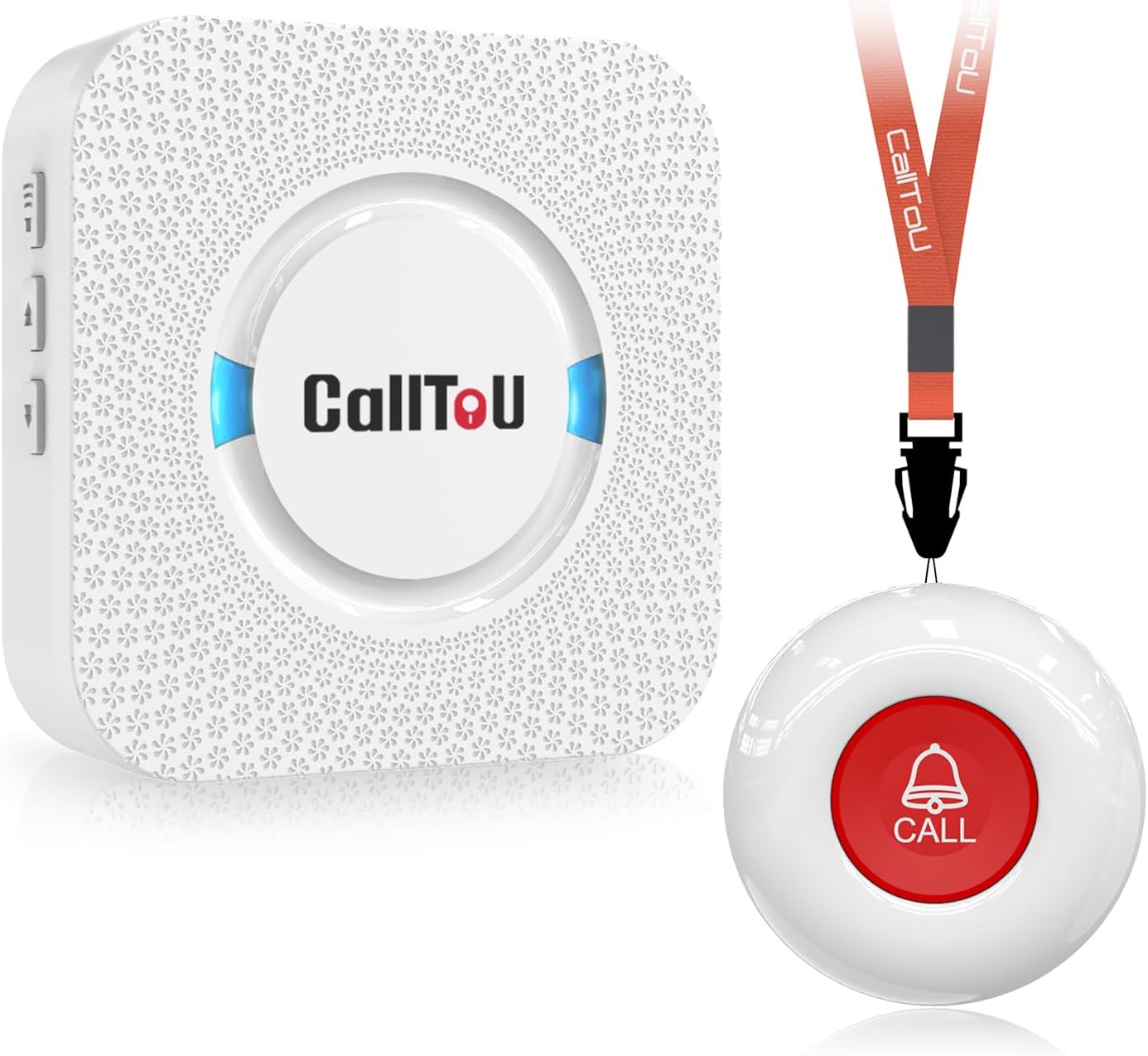
Medical Alert System

Back Massager with Heat
Yes, the Flex Card for seniors is legitimate and designed to help eligible individuals pay for approved over-the-counter health items. It’s part of broader Medicare Advantage plans to enhance senior health and well-being.
Key Takeaways
- Flex Cards offer funds for eligible health items.
- Eligibility is tied to Medicare Advantage plan enrollment.
- Verify approved items directly with your plan provider.
- Fraudulent schemes exist; always confirm source legitimacy.
- It’s a real benefit, not a scam, when part of a reputable plan.
Is the Flex Card for Seniors Legit? Unpacking the Truth
You’ve likely seen ads or heard about the Flex Card, a benefit sometimes offered to seniors. It sounds appealing: money to spend on health items, but is it real? Many seniors wonder, “Is the Flex Card for seniors legit?” It can feel confusing with so many programs out there. This guide will break down exactly what the Flex Card is, how it works, and how to make sure you’re using a legitimate benefit.
We’ll explore its purpose, who qualifies, and what you can use it for. By the end, you’ll understand the truth about the Flex Card and be able to use it confidently if it’s right for you.
What Exactly Is the Flex Card?
The Flex Card is a pre-funded debit card provided by certain Medicare Advantage (MA) plans. Its primary purpose is to help beneficiaries pay for approved health and wellness items. Think of it as a special allowance within your Medicare plan to cover specific needs that contribute to your overall health, beyond traditional medical services.
These cards are part of an effort by MA plans to offer more comprehensive benefits that address the holistic needs of seniors. They often go beyond standard Medicare coverage, aiming to improve quality of life and support preventative care by making essential items more accessible.
Understanding Medicare Advantage and Its Benefits
Medicare Advantage plans are an alternative way to get your Medicare Part A and Part B benefits. These plans are offered by private insurance companies approved by Medicare. While original Medicare covers specific medical services, MA plans often include extra benefits that original Medicare doesn’t cover, such as:
- Vision care
- Dental care
- Hearing aids
- Prescription drug coverage (Part D)
- Fitness memberships
- And, in some cases, the Flex Card.
The Flex Card is one of these “extra” benefits. It’s not a standalone government program but rather an optional addition that some MA plans choose to offer to make their plans more attractive and beneficial to enrollees. This is crucial to understanding its legitimacy – it stems from the insurance plan, not directly from a government handout in the way some might initially assume.
How the Flex Card Works
If your Medicare Advantage plan includes a Flex Card, it will typically be loaded with a certain amount of money each month or quarter. This balance can then be used to purchase specific items at participating retailers or online. The key is that the card is usually restricted to a pre-approved list of products and services.
The funds typically do not roll over indefinitely, meaning you’ll want to use the balance within the designated period. Always check the specific terms and conditions of your plan to understand the expiration of funds and any usage rules.
Who is Eligible for a Flex Card?
Eligibility for a Flex Card is not universal for all seniors. It is determined by your specific Medicare Advantage plan enrollment. Here’s a breakdown of eligibility:
- Enrollment in a Qualifying Medicare Advantage Plan: The most important factor is being enrolled in a Medicare Advantage plan that offers the Flex Card benefit. These are often plans designated as “Special Needs Plans” (SNPs) or plans that cater to individuals with specific chronic conditions, though some standard PPO or HMO MA plans may also include it.
- Specific Health Needs: Sometimes, the Flex Card is tied to specific health needs or chronic conditions managed by the plan.
- Geographic Location: The availability of plans offering Flex Cards can also vary by state and even by county.
Important Note: If you are enrolled in Original Medicare (Parts A and B only) and do not have a Medicare Advantage plan, you are generally not eligible for a Flex Card benefit.
Checking Your Eligibility
The most reliable way to check if you are eligible for a Flex Card is to:
- Review Your Plan Documents: Look at the benefits summary or member handbook provided by your Medicare Advantage insurance company.
- Contact Your Insurance Provider Directly: Call the customer service number on your Medicare Advantage ID card. Ask specifically if your plan includes a Flex Card and what items it covers.
- Visit the Insurance Provider’s Website: Many insurers have dedicated portals for members where you can find detailed information about your plan benefits.
If you are considering enrolling in a Medicare Advantage plan and the Flex Card is an attractive benefit, make sure to confirm its inclusion during the enrollment process.
What Can You Buy with a Flex Card?
This is where the “flexibility” can sometimes be misunderstood. The Flex Card is not a general-purpose debit card for any health-related expense. The items you can purchase are carefully selected by the insurance provider, focusing on things that improve health, well-being, and daily living for seniors.
Commonly approved items include:
- Over-the-Counter (OTC) Medications: Pain relievers, allergy medications, antacids, cough and cold remedies that do not require a prescription.
- First-Aid Supplies: Bandages, antiseptic wipes, gauze, medical tape.
- Personal Care Items: Adult diapers, incontinence pads, skincare products.
- Health Monitoring Devices: Blood pressure monitors, glucose meters, thermometers.
- Nutritional Supplements: Vitamins, minerals, and specific dietary supplements approved by the plan.
- Medical Equipment: walkers, canes, braces, compression socks.
The list can vary significantly between plans. Some plans might even extend to healthy food items or transportation to medical appointments, though this is less common for the traditional Flex Card.
Items Typically Not Covered
It’s equally important to know what you generally cannot buy with a Flex Card. These typically include:
- Prescription medications
- Cosmetics (unless specifically for medical reasons, like post-surgery care)
- General groceries (unless explicitly stated as a covered benefit for specific health conditions)
- Household cleaning supplies
- Electronics not related to health monitoring
- Services like haircuts or spa treatments
Pro Tip: Always double-check the approved item list provided by your specific Medicare Advantage plan. Retailers that accept the Flex Card will also often have clear signage or online lists indicating which products are eligible.
Is the Flex Card a Scam? Separating Fact from Fiction
Given the prevalence of scams targeting seniors, it’s natural to be cautious. However, the Flex Card itself, when offered through a legitimate Medicare Advantage plan, is a real benefit. The confusion often arises from:
- Misinformation: People may hear about the card and assume it’s a government program available to all seniors, leading to disappointment when they discover they don’t qualify.
- Aggressive Marketing: Some brokers or agents might oversell the benefit or fail to clarify the limitations, leading to unmet expectations.
- Actual Scams: Unfortunately, scammers may try to impersonate legitimate programs. They might call seniors claiming to be from Medicare, offering them a “Flex Card” and asking for personal information or a fee to activate it.
How to spot a real Flex Card benefit:
- It’s offered by your Medicare Advantage insurance provider, not directly by the government.
- You have to be enrolled in a specific Medicare Advantage plan that includes it.
- The card has a clear list of approved items and specific retailers.
- There are no upfront fees to get the card or the funds.
If someone calls you out of the blue promising a Flex Card and asking for sensitive information or money, it is almost certainly a scam. Hang up and contact your insurance provider directly to verify.
Comparing Flex Card Benefits Across Plans
Not all Flex Cards are created equal. The value, coverage, and how they are administered can differ significantly between insurance companies and even between different plans from the same insurer. Here’s a comparison table illustrating potential differences:
| Feature | Plan A Example | Plan B Example | Plan C Example |
|---|---|---|---|
| Monthly Allowance | $25 | $50 | $30 |
| Coverage Categories | OTC meds, first aid, bandages | OTC meds, vision, dental, hearing aids | OTC meds, nutritional supplements, diabetic supplies |
| Retailers | Major pharmacy chains | Select pharmacies, online store | Specific health stores, some grocery stores |
| Fund Rollover | No (use it or lose it) | Yes, up to $50 | No |
| Administration | Managed by plan’s third-party vendor | Managed directly by insurer | Managed by plan’s third-party vendor |
As you can see, the value and utility of a Flex Card can vary widely. It’s essential to understand the specifics of the plan you have or are considering.
Understanding OTC Benefits vs. Flex Cards
Sometimes, Medicare Advantage plans offer an “OTC benefit” that is separate from a physical Flex Card. This might work differently:
- Catalog Orders: You might receive a catalog and place orders by phone or online, with items shipped to your home.
- Reimbursement: Some plans might allow you to purchase approved items and then submit receipts for reimbursement.
- Direct Card Use: The Flex Card is the most common method, allowing direct point-of-sale purchases.
While the goal is similar—covering OTC health items—the process can differ. Always clarify with your plan provider which method applies to your benefit.
How to Maximize Your Flex Card Benefit
If you have a Flex Card, you’ll want to make the most of it. Here are some tips:
- Know Your Approved Items: Keep a copy of your plan’s approved item list handy. This prevents frustration at the checkout or when shopping online.
- Track Your Balance: Regularly check your card balance and the expiration date of the funds. Many plans have online portals or customer service lines for this.
- Plan Your Purchases: Instead of impulsive buys, think about what health items you regularly use or might need in the near future. Stock up on essentials like pain relievers, vitamins, or wound care supplies when they are available.
- Compare Prices: Even with a card, it’s wise to shop around if possible. If you have options for retailers or online purchasing, compare prices to get the best value.
- Use It for Preventative Care: Consider using funds for items that support preventative health, such as good quality vitamins, foot care items, or blood pressure monitors, to stay ahead of potential health issues.
- Check Participating Retailers: Ensure the store you’re shopping at accepts the card. Major pharmacies and some larger retailers are common, but it’s best to confirm.
Navigating the Enrollment Process with a Flex Card in Mind
If you are nearing Medicare enrollment age or are unhappy with your current plan, and a Flex Card is a significant draw, here’s how to approach enrollment:
- Understand Medicare Enrollment Periods: Know when you can enroll or make changes. This includes the Initial Enrollment Period (IEP), the Annual Election Period (AEP), and Special Enrollment Periods (SEPs).
- Research Medicare Advantage Plans: Use Medicare.gov’s plan finder tool or consult with a SHIP (State Health Insurance Assistance Program) counselor.
- Verify Flex Card Inclusion: When looking at specific MA plans, don’t just check the box for “OTC benefit.” Call the plan directly or ask detailed questions to confirm it’s a Flex Card benefit, what the monthly allowance is, and precisely what items are covered.
- Read the Fine Print: Pay close attention to the Summary of Benefits and Evidence of Coverage documents. These are the official sources for what your plan covers.
- Don’t Base Your Decision Solely on the Flex Card: While a valuable perk, ensure the plan’s overall benefits, including prescription drug coverage, doctor network, and premiums, meet your primary healthcare needs.
Authority Note: Medicare.gov is the official U.S. government site for Medicare information. It provides unbiased tools and resources to help you understand your options.
Frequently Asked Questions About the Flex Card
Q1: Is the Flex Card for seniors legitimate?
A1: Yes, the Flex Card is a legitimate benefit offered by many Medicare Advantage plans to help seniors pay for approved over-the-counter health items. It is not a scam when provided through an official MA plan.
Q2: Do all seniors get a Flex Card?
A2: No, not all seniors receive a Flex Card. Eligibility depends on enrollment in a specific Medicare Advantage plan that includes this benefit. It is not a universal program for all Medicare beneficiaries.
Q3: Can I use my Flex Card for any health item?
A3: No, the Flex Card can only be used for a pre-approved list of over-the-counter health and wellness items determined by your specific Medicare Advantage plan. Always check your plan’s list of covered items.
Q4: What happens if I don’t use all the money on my Flex Card?
A4: Funds on a Flex Card usually have an expiration date or do not roll over month-to-month. Check your plan’s rules for how unused balances are handled, as you may lose them if not used within the specified period.
Q5: How do I get a Flex Card?
A5: You typically get a Flex Card by enrolling in a Medicare Advantage plan that offers it as a supplemental benefit. If you are already in a qualifying plan, the card may be mailed to you automatically, or you may need to request it.
Q6: Can I get cash back from my Flex Card?
A6: No, Flex Cards are designed for purchasing specific approved items only. You cannot withdraw cash from them or use them for general purchases like groceries or gas.
Q7: How can I report a potential Flex Card scam?
A7: If you suspect a scam related to a Flex Card or any Medicare benefit, report it to Medicare directly at 1-800-MEDICARE or contact your state’s Senior Medicare Patrol (SMP) program.
Conclusion: The Flex Card is Real, But Understand the Details
So, is the Flex Card for seniors legit? The answer is a resounding yes, provided it’s part of a genuine Medicare Advantage plan. It’s a valuable tool that can help eligible seniors manage their health expenses by covering a range of necessary over-the-counter items.
The key to successfully using your Flex Card lies in understanding your specific plan’s benefits. Always verify your eligibility, know the list of approved items, and be aware of how the funds work. By staying informed and cautious of potential misrepresentations or outright scams, you can confidently leverage this benefit to support your health and well-being.