
How to Help Senior Dog Gain Weight


Kindle E-Reader

Cane with LED Light

Electric Kettle with Auto Shutoff
Helping your senior dog gain weight requires patience, proper nutrition, and veterinary guidance. As dogs age, they often lose muscle mass and struggle to maintain a healthy weight due to metabolism changes, dental issues, or underlying health conditions. With the right approach—like high-calorie diets, frequent small meals, and regular check-ups—you can support your aging pet’s vitality and comfort. This guide walks you through practical steps to safely and effectively increase your senior dog’s weight.
Key Takeaways
- Consult your vet first: Rule out medical causes like dental disease, arthritis, or organ dysfunction before adjusting diet or exercise.
- Choose calorie-dense foods: Opt for senior-specific kibble with added fats, proteins, and supplements to support healthy weight gain.
- Feed smaller, more frequent meals: Older dogs digest less efficiently; spreading food throughout the day helps absorption.
- Add healthy toppings: Warm low-sodium broth, cooked eggs, or plain yogurt can boost calories without overwhelming their system.
- Monitor progress weekly: Track body condition score (BCS), appetite, and energy levels to adjust plans as needed.
- Encourage gentle activity: Light exercise like short walks supports circulation and muscle tone without stressing joints.
- Be patient and consistent: Healthy weight gain takes time—expect results over several weeks, not days.
Helping your senior dog gain weight isn’t just about filling their bowl—it’s about restoring their comfort, mobility, and quality of life. Just like humans, dogs slow down with age. Their metabolism dips, their teeth may hurt, and their appetite might fade. But when a senior dog starts losing weight despite eating normally, it’s often a sign that something deeper is going on. Whether it’s chronic pain from arthritis, difficulty chewing dry kibble, or even undiagnosed illness, weight loss in older dogs deserves attention.
The good news? Many cases of underweight senior dogs can be reversed—with love, smart nutrition, and a little know-how. This guide walks you through everything you need to know about helping your aging pup gain weight safely and sustainably. From understanding why weight loss happens in the first place to choosing the best foods and routines, we’ll cover it all so you can watch your furry friend thrive again.
Key Takeaways
- Understanding how to help senior dog gain weight: Provides essential knowledge
📑 Table of Contents
Why Do Senior Dogs Lose Weight?
Before you start adding extra treats or switching foods, it’s important to understand what might be causing your dog’s weight loss. In senior dogs, thinness is rarely normal. While some breeds naturally stay lean, a sudden or gradual drop in weight—especially in dogs over 7 years old—often signals an underlying issue.
One common cause is dental problems. Senior dogs frequently suffer from gum disease, broken teeth, or oral pain that makes chewing uncomfortable. If your dog chews slowly, drops food, or avoids hard kibble altogether, they’re likely not getting enough calories. You might notice bad breath or red gums—classic signs of dental trouble.
Another major factor is reduced appetite due to chronic pain. Arthritis, joint stiffness, or even spinal discomfort can make movement painful, which lowers energy needs—but if your dog isn’t gaining back what they lose, there’s more at play. Pain also directly suppresses hunger.
Metabolic changes are another culprit. As dogs age, their thyroid function may decline (leading to hypothyroidism), or they could develop insulin resistance or diabetes. These hormonal shifts alter how their bodies use nutrients, often resulting in unintended weight loss.
Finally, certain illnesses like kidney disease, liver issues, cancer, or gastrointestinal disorders interfere with digestion and nutrient absorption. For example, inflammatory bowel disease (IBD) can prevent your dog from absorbing fats and proteins from food, no matter how much they eat.
That’s why the first step in helping your senior dog gain weight should always be a visit to the veterinarian. Your vet can run bloodwork, check for infections, assess dental health, and rule out serious conditions before you begin any dietary changes.
How to Tell If Your Senior Dog Is Underweight

Visual guide about How to Help Senior Dog Gain Weight
Image source: furryaging.com
Knowing whether your dog is too thin isn’t always obvious—especially if you see them every day. But there are clear physical signs to look for. One of the most reliable methods is checking your dog’s body condition score (BCS). This is a simple scale from 1 to 9, where 1 means severely underweight and 9 indicates obese. Most healthy adult dogs fall between 4 and 6.
To assess BCS:
– Run your hands along your dog’s ribcage while looking down at them from above.
– You should be able to feel each rib without pressing hard, but not see them prominently.
– There should be a slight waistline behind the ribs when viewed from the side.
– The abdomen should lift slightly off the ground when viewed from above.
If your dog scores below 4, they’re considered underweight and need intervention. Other telltale signs include visible spine and hip bones, a tucked-up belly, and a lack of muscle mass around the shoulders and hindquarters.
Behavioral cues matter too. An underweight senior dog may seem lethargic, uninterested in toys or walks, or even reluctant to get up. They might pant excessively during mild exertion or have a dull coat that lacks shine.
Keep in mind that some senior dogs naturally lose weight as they age—but only gradually and within a normal range. Any rapid or unexplained weight loss warrants a vet visit. Remember: helping your senior dog gain weight starts with accurate assessment.
Choosing the Right Food for Weight Gain

Visual guide about How to Help Senior Dog Gain Weight
Image source: furryaging.com
Once you’ve ruled out medical issues, the next step is feeding. Not all dog foods are created equal—especially when it comes to seniors needing extra calories. Look for high-quality commercial kibbles labeled “for all life stages” or “senior formulas” with these traits:
– High protein content (25–30%): Protein supports muscle repair and helps maintain lean mass, which burns more calories than fat.
– Moderate to high fat (18–25%): Fats are the most calorie-dense macronutrient—about twice as many calories per gram as carbs or protein. Choose sources like chicken fat, fish oil, or flaxseed rather than fillers.
– Easily digestible ingredients: Seniors often have sensitive stomachs. Avoid grains like corn or wheat if your dog has allergies; opt for whole meats, sweet potatoes, or oats instead.
– Added vitamins and minerals: Senior blends usually include antioxidants (like vitamin E and beta-carotene) to support immunity and joint health.
Some popular brands known for supporting weight gain in older dogs include Royal Canin Senior, Hill’s Science Diet Adult 7+, and Purina Pro Plan Senior. Always read labels carefully—some “light” or “low-fat” options are inappropriate for underweight seniors.
If your dog refuses dry food altogether, consider wet or canned varieties. They’re higher in moisture and calories, plus easier to chew. You can also mix canned food into kibble to increase palatability and intake.
For dogs with severe dental issues, softened kibble (steamed briefly in water or broth) or pureed senior food works well. Just ensure the texture is safe—no choking hazards.
Homemade Options and Supplements
While commercial foods are convenient, some owners prefer homemade meals tailored to their dog’s needs. Cooked chicken, turkey, or lean beef (no seasoning!) paired with mashed sweet potato or pumpkin provides balanced nutrition. Add a tablespoon of olive oil or fish oil for extra calories and omega-3s to support skin and coat health.
However, homemade diets require careful planning to avoid deficiencies. Too much of one nutrient—like too many carbs—can lead to malnutrition. Consult a veterinary nutritionist to design a complete recipe if you go this route.
Supplements can also aid weight gain. Products like Nutri-Cal or Vet’s Best Weight Gain Formula are designed specifically for underweight pets. These paste-like additives mix easily into meals and pack a serious calorie punch. Just follow dosage instructions—too much too fast can upset the stomach.
Feeding Strategies That Work
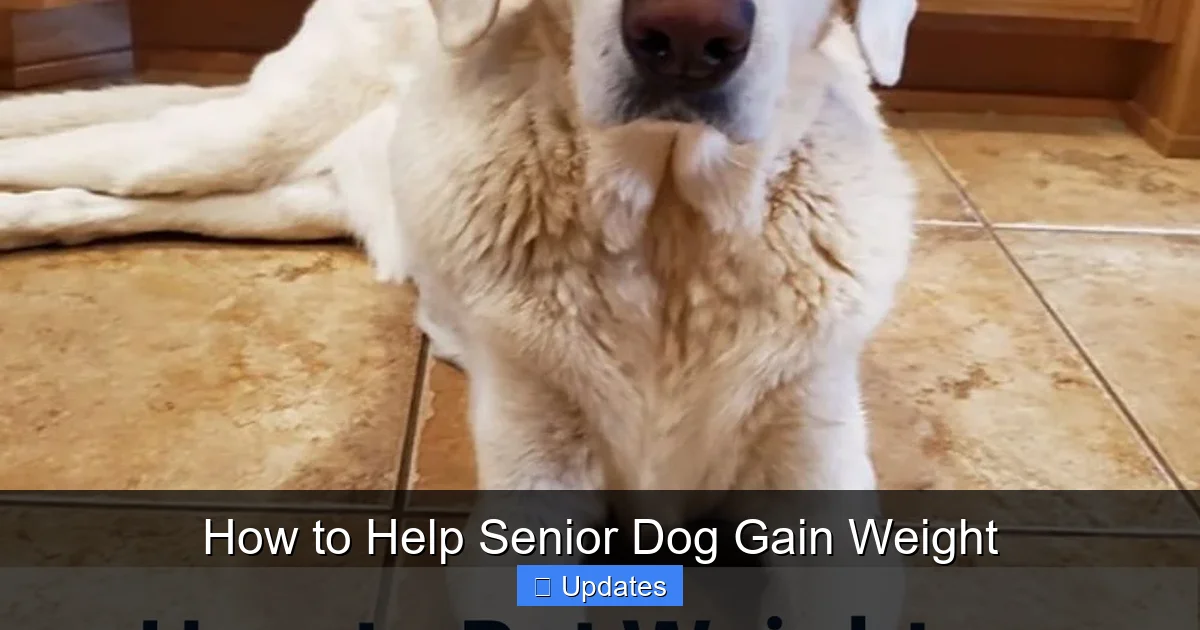
Visual guide about How to Help Senior Dog Gain Weight
Image source: caringforaseniordog.com
Even the best food won’t help if your dog won’t eat it. Senior dogs often have picky appetites, especially if they’re in pain or stressed. Here’s how to make mealtime more appealing:
– Warm the food slightly: Heating dry kibble or canned food releases aromas that stimulate smell—and appetite. Use warm (not hot) water or broth.
– Offer variety: Rotate flavors occasionally. Some dogs get bored with the same meal daily.
– Serve in a quiet space: Loud noises or competition from other pets can cause anxiety. Feed your senior dog alone if possible.
– Use puzzle feeders or slow-feed bowls: Mental stimulation encourages eating and prevents gulping, which reduces digestive efficiency.
But perhaps the most effective strategy is smaller, more frequent meals. Instead of two large portions, try three or four mini-meals throughout the day. Older dogs have slower metabolisms and weaker stomachs—they’re better at processing small amounts at a time. Plus, constant access to food (like an automatic feeder) ensures they’re eating regularly without pressure.
Don’t force your dog to finish every bite. Let them eat what they want—even if it’s less than usual—and offer more later. Overfeeding can cause bloating or diarrhea, especially in seniors with delicate systems.
Exercise and Mobility Tips
You might think “gain weight = stop moving,” but that’s actually counterproductive. Gentle, consistent movement helps your senior dog maintain muscle, improve circulation, and stimulate appetite. Think of it as building a strong foundation before adding pounds.
Start with short, easy walks—just 5–10 minutes at a time. Avoid steep hills or uneven terrain if your dog has joint problems. Swimming is ideal for arthritic dogs since it supports joints without impact. Even indoor games like fetch or tug-of-war with soft toys can count.
Massage therapy can also be beneficial. A gentle rub on sore muscles or stiff joints increases blood flow and may reduce pain-related appetite suppression. Ask your vet for recommendations on canine massage techniques or refer to a certified animal therapist.
Remember: the goal isn’t marathon training. It’s about keeping your dog engaged, comfortable, and mentally sharp. Movement boosts dopamine levels, which naturally lifts mood and hunger.
Monitoring Progress and Adjustments
Gaining weight isn’t a race—it’s a marathon. Most senior dogs put on 1–2 pounds per week safely when fed properly. Track progress weekly using a kitchen scale or by weighing your dog monthly. Also note behavioral changes: improved coat shine, brighter eyes, increased interest in surroundings.
If weight gain stalls after 4–6 weeks, revisit your plan. Maybe the current food isn’t rich enough, or your dog has developed a sensitivity. Consider switching brands or consulting a vet about prescription high-calorie diets.
Be cautious with treats. While occasional cheese or peanut butter is fine, overdoing it leads to obesity—which brings its own health risks (joint strain, diabetes, etc.). Stick to training rewards under 10% of total daily calories.
Lastly, celebrate small wins. Every ounce gained is a victory for your senior dog’s health and happiness.
When to See a Veterinarian
Despite your best efforts, some cases require professional help. Schedule a vet appointment immediately if your dog shows any of these red flags:
– Refuses food for more than 24 hours
– Vomits repeatedly after eating
– Has diarrhea or black/tarry stools
– Shows signs of extreme weakness or collapse
– Develops new symptoms like limping, coughing, or excessive thirst
Chronic diseases like cancer, heart failure, or severe infections may need medication alongside dietary changes. Your vet might prescribe appetite stimulants (like mirtazapine), anti-nausea drugs, or even tube feeding for critical cases.
Regular wellness exams every 6 months are crucial for senior dogs. Early detection of dental disease, thyroid imbalances, or kidney issues prevents complications down the line.
Conclusion: Patience, Love, and Smart Choices
Helping your senior dog gain weight is a journey filled with compassion and care. It’s not just about numbers on a scale—it’s about restoring your companion’s zest for life. With the right food, routine, and medical support, most underweight seniors respond beautifully to intervention.
Start by ruling out health problems, then focus on high-calorie, digestible nutrition. Keep meals small and frequent, encourage light activity, and stay observant. Above all, be patient. Gains will come—slowly, surely, but steadily.
Your senior dog deserves to feel strong, happy, and nourished in their golden years. And with your help, they absolutely can.
Frequently Asked Questions
How much weight should my senior dog gain per week?
Most senior dogs gain 1–2 pounds per week when fed appropriately. Rapid weight loss reversal should be gradual to avoid digestive upset or joint strain from sudden bulk-ups.
Can I use human food to help my senior dog gain weight?
Plain cooked chicken, eggs, or plain yogurt can supplement meals safely in moderation. Avoid fatty, salty, or seasoned human foods that harm dogs.
Is canned food better than dry kibble for weight gain?
Canned food often has higher moisture and calories, making it ideal for picky eaters or dogs with dental issues. Mixing it into kibble can boost intake significantly.
Should I add supplements like fish oil to my senior dog’s diet?
Yes—fish oil adds healthy fats and omega-3s that support weight gain, skin health, and inflammation reduction. Use vet-approved products and follow dosage guidelines.
What if my senior dog still won’t eat even with the best food?
See your vet immediately. Persistent anorexia may signal pain, nausea, or serious illness requiring treatment beyond diet changes.
How long does it take to see results when helping a senior dog gain weight?
Visible improvements usually appear within 3–6 weeks of consistent feeding and care. Full recovery depends on individual health and consistency.