
How Old Is Senior Cat


Electric Heating Pad

Kitchen Timer with Large Display

Hearing Aid Cleaning Kit
A senior cat is typically 7-10 years old, but aging varies by breed and size. Watch for subtle changes in behavior, appetite, and mobility as key indicators of senior needs. Proactive care including diet adjustments and regular vet check-ups can significantly improve quality of life for aging felines.
Have you ever looked at your beloved feline friend and wondered, “Just how old is a senior cat, anyway?” It’s a question many cat owners grapple with as their pets journey from sprightly kittens to wise, older companions. Unlike humans, where “senior” often has a clear legal or social definition, the feline aging process is more nuanced. Understanding this transition isn’t just about a number—it’s about recognizing the shifting needs of your cat to ensure their golden years are truly golden. This guide will walk you through everything you need to know about feline seniorhood, from the exact age ranges to the telltale signs and essential care strategies.
Think of it this way: a 10-year-old cat isn’t equivalent to a 10-year-old human. In fact, by the time a cat reaches its seventh birthday, it’s often entering its senior years. But is it that simple? Not quite. Factors like genetics, breed, lifestyle (indoor vs. outdoor), and overall health all play a role. Just as human senior status can vary by context, so too does it for our feline family members. Let’s break down the biology, the benchmarks, and the actionable steps you can take to be the best caregiver possible for your aging cat.
Key Takeaways
- Age Definition Varies: Most cats are seniors at 7-10 years, but larger breeds may reach this stage sooner.
- Health Changes Are Subtle: Look for weight shifts, dental issues, reduced activity, and altered litter box habits.
- Nutrition Needs Shift: Senior cats often require calorie-controlled, high-protein diets with increased moisture intake.
- Home Environment Matters: Simple modifications like ramps, heated beds, and accessible litter boxes greatly enhance comfort.
- Vet Visits Are Crucial: Bi-annual check-ups help catch age-related diseases like kidney issues or arthritis early.
- Mental Stimulation Is Key: Use puzzle feeders and gentle play to maintain cognitive function and prevent boredom.
- Patience and Love Are Essential: Senior cats need extra understanding as their senses and energy levels change.
📑 Table of Contents
- Understanding Feline Aging: It’s Not Just Cat Years
- The Senior Cat Age Spectrum: Mature, Senior, and Geriatric
- Recognizing the Signs: Is My Cat a Senior?
- Nutrition and Exercise: Fueling the Golden Years
- Common Health Issues in Senior Cats
- Creating a Senior-Friendly Home Environment
- Conclusion: Embracing the Wisdom Years
Understanding Feline Aging: It’s Not Just Cat Years
The old adage that one cat year equals seven human years is a vast oversimplification. The reality is that cats age much more rapidly in their first two years of life and then slow down a bit. A more accurate guideline suggests that by age 1, a cat is roughly equivalent to a 15-year-old human, and by age 2, about a 24-year-old human. After that, each additional cat year is approximately four human years. This means a 10-year-old cat is akin to a human in their mid-50s, while a 15-year-old cat is comparable to a human in their mid-70s.
The Biology Behind the Numbers
Why do cats age so differently? It boils down to metabolism, size, and evolutionary programming. Smaller animals generally have faster metabolisms and shorter lifespans. Cats, as obligate carnivores, have a high metabolic rate designed for hunting bursts of energy. This accelerated physiology means cellular processes, both growth and decay, happen more quickly. Their hearts beat faster, their breaths are quicker, and their bodies undergo wear and tear at a more rapid pace than in larger, slower-metabolizing animals like humans or elephants. This fundamental biological reality is why we must pay close attention to the 7-10 year threshold as a potential turning point.
Breed and Lifestyle Influences
Not all cats are created equal in the aging department. Certain breeds are known for longevity. For instance, Siamese and Burmese cats often live into their late teens or even early twenties, while larger breeds like Maine Coons or Persians may have slightly shorter average lifespans, making their senior phase arrive a bit earlier. Lifestyle is arguably the biggest factor. An indoor-only cat is shielded from cars, predators, infectious diseases, and harsh weather, often living 15+ years. An outdoor cat faces countless hazards and may have a significantly shorter lifespan, sometimes only reaching 5-10 years. Therefore, an indoor-only cat at age 10 is a robust senior, while an outdoor cat at the same age may be geriatric and facing more severe health challenges.
The Senior Cat Age Spectrum: Mature, Senior, and Geriatric
Veterinarians and feline organizations, like the American Association of Feline Practitioners (AAFP), have established more precise life-stage definitions to help guide care. Moving beyond the vague “senior” label provides clearer expectations. You can think of a cat’s adult life in these overlapping stages:

Visual guide about How Old Is Senior Cat
Image source: milkositas.cl
- Mature Adult (7-10 years): This is the entry into the senior phase. Metabolism begins to slow. Your cat may sleep more and be less explosively playful, but they are still generally active and healthy. This is the prime time to implement preventive dietary and environmental changes.
- Senior (11-14 years): The signs of aging become much more apparent. Physical and cognitive changes are common. Weight management becomes critical, and the risk for diseases like kidney failure, diabetes, and cancer increases significantly.
- Geriatric (15+ years): This is the twilight stage. Cats require meticulous care. They may experience severe mobility issues, sensory loss (vision, hearing), and cognitive dysfunction (similar to dementia). Daily life needs substantial adaptation to maintain comfort and dignity.
So, to directly answer “how old is a senior cat?”—technically, the senior stage begins around 11. However, in common veterinary and caregiver parlance, the term “senior cat” is often used broadly for any cat aged 7 and older because the need for adjusted care begins at the mature adult stage. For a definitive, breed-specific look at age definitions, resources like this guide on feline aging stages can offer further clarity. The key is to stop thinking in human years and start observing your individual cat’s vitality and health.
Recognizing the Signs: Is My Cat a Senior?
Age is a number, but the signs of aging are written in your cat’s behavior and body. You might not notice a drastic change overnight; it’s often a gradual shift. Becoming a detective for these subtle clues is the most important skill a senior cat owner can develop.

Visual guide about How Old Is Senior Cat
Image source: thumbs.dreamstime.com
Physical Changes to Watch For
Your cat’s body will tell a story. Keep an eye out for:
- Weight Fluctuations: Both weight gain (due to slower metabolism) and unexplained weight loss (a red flag for hyperthyroidism, kidney disease, or cancer) are common. Feel their ribs and spine regularly; you should be able to feel them with a slight fat covering.
- Coat and Skin: The once-glossy fur may become dull, dry, or matted, especially along the lower back where they can’t groom as effectively. Skin may become thinner and less elastic. Graying fur, particularly around the muzzle, is a classic sign.
- Dental Health: Bad breath, red gums, drooling, or difficulty eating can indicate painful dental disease, which is extremely prevalent in senior cats and can impact overall health.
- Mobility and Posture: Stiffness, difficulty jumping onto favorite perches or into the litter box, limping, or a “hunched” posture are classic signs of arthritis, which affects a huge percentage of senior cats.
- Senses: You might notice your cat is more startled (hearing loss), bumps into things (vision loss), or seems less responsive. Their whiskers may also become brittle.
Behavioral and Cognitive Shifts
The changes inside show up outside. Senior cats may:
- Sleep More: Increased napping is normal, but monitor for excessive lethargy.
- Show Altered Social Patterns: Some become more affectionate and clingy, while others withdraw and seek solitude. A previously social cat hiding away can be a sign of pain or illness.
- Have Litter Box Accidents: This is a huge red flag. It can stem from arthritis making entry/exit painful, kidney disease causing urgency, or cognitive decline causing confusion. Never punish this; it’s a communication of need.
- Exhibit Disorientation: Getting “stuck” in corners, staring at walls, or seeming lost in familiar rooms can indicate cognitive dysfunction syndrome (CDS), or feline dementia.
- Change Vocalization: Increased yowling, especially at night, can be a sign of pain, disorientation, or sensory loss.
For a comprehensive list of behavioral markers that definitively signal the shift into senior care, this resource on senior cat signs is invaluable. Remember, any sudden or dramatic change warrants an immediate veterinary visit.
Nutrition and Exercise: Fueling the Golden Years
Two pillars of senior cat care are diet and gentle activity. What fueled a spry 3-year-old hunter will not optimally support a 12-year-old philosopher. Adjustments here can add years of vitality.
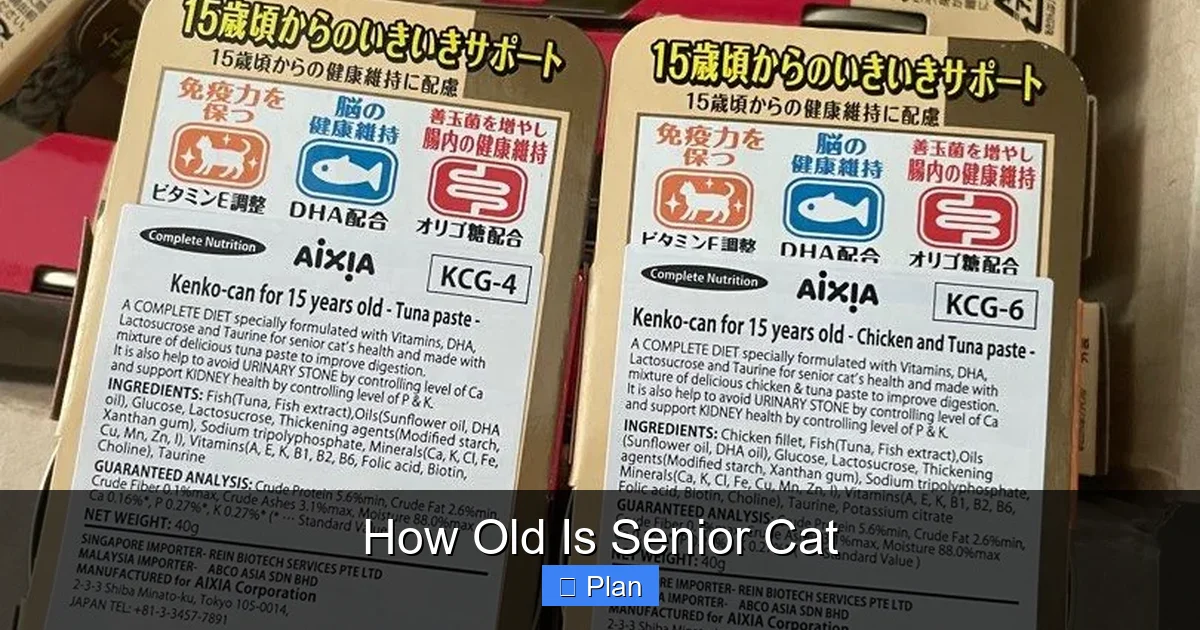
Visual guide about How Old Is Senior Cat
Image source: media.karousell.com
Dietary Adjustments for Aging Bodies
Senior cat foods are formulated with specific goals in mind:
- Calorie Control: Metabolism slows by up to 30%. Overweight seniors face compounded joint stress and disease risk. Switch to a food formulated for “mature” or “senior” cats, which is often lower in fat and calories but still high in protein to preserve muscle mass.
- Enhanced Protein: Cats are obligate carnivores and need high-quality animal protein throughout life to prevent muscle wasting (sarcopenia). Senior foods should have highly digestible protein sources.
- Kidney Support: As cats age, kidney function can decline. Many senior foods have controlled phosphorus levels and added antioxidants (vitamin E, C) and omega-3 fatty acids to support kidney health.
- Palatability and Hydration: Sense of smell can diminish. Warming food or adding a bit of low-sodium broth can entice a picky senior. Crucially, encourage water intake. Chronic dehydration stresses the kidneys. Provide multiple fresh water sources, consider a cat water fountain, and incorporate wet food into their diet, as it provides ~70% moisture.
Exercise: Playful, Not Taxing
Exercise remains vital to maintain muscle tone, joint flexibility, and mental stimulation. The key is to adapt the play:
- Short, Frequent Sessions: Instead of one long playtime, aim for 5-10 minute sessions several times a day. Watch for your cat’s cues—panting or lying down means it’s time to stop.
- Low-Impact Toys: Wand toys that allow them to lounge and swat, crinkle balls they can bat without running, or puzzle feeders that encourage gentle foraging are perfect.
- Environmental Enrichment: Place cat trees, shelves, and window perches in sunlit spots. Ensure they can access these favorite spots easily—a small stool or ramp might be needed.
- Gentle Handling: Be mindful of potential arthritis. Avoid forcing jumps or rough play. Grooming sessions become more important as they may struggle to groom themselves fully.
Common Health Issues in Senior Cats
Aging increases the prevalence of certain diseases. Being aware of these “usual suspects” helps you and your vet act fast. Regular bi-annual wellness exams are non-negotiable for senior cats.
The Big Three: Kidney Disease, Hyperthyroidism, and Diabetes
- Chronic Kidney Disease (CKD): Very common. Symptoms include increased thirst and urination, weight loss, poor coat, and bad breath. Early detection via bloodwork (SDMA, creatinine, BUN) and urine tests is critical for management through diet and fluid therapy.
- Hyperthyroidism: An overactive thyroid gland causes weight loss despite a ravenous appetite, hyperactivity, vomiting, and a rapid heart rate. It’s typically treatable with medication, radioactive iodine, or diet.
- Diabetes Mellitus: Symptoms include increased thirst, urination, and a ravenous appetite with weight loss. Requires daily insulin injections and strict dietary management.
Arthritis and Dental Disease
- Osteoarthritis: Affects over 90% of cats over 10. Look for stiffness, reduced jumping, grumpiness when handled, and litter box avoidance if the box is too high-sided. Management includes pain medication (like solensia, a monthly injection), joint supplements (glucosamine/chondroitin, omega-3s), and home modifications.
- Dental Disease (Stomatitis, Gingivitis): Painful and can lead to systemic infection. Signs include drooling, bad breath, pawing at the mouth, and dropping food. Regular dental cleanings under anesthesia may be necessary.
Other concerns include cancer, hypertension, and inflammatory bowel disease. The mantra is: detect early, treat proactively. Your vigilant observation paired with your veterinarian’s diagnostics is the best defense.
Creating a Senior-Friendly Home Environment
Your home should be a sanctuary, not an obstacle course. Small, inexpensive modifications can prevent injury and reduce stress for your aging cat.
Accessibility is Everything
- Litter Boxes: Provide at least one box per cat plus one extra. Use boxes with low sides (or cut a lower entrance) for easy access. Place them on every floor of the house, away from noisy appliances and food/water. Use soft, unscented litter that is gentle on paws.
- Food and Water Stations: Keep food and water in quiet, easily accessible areas. Use wide, shallow bowls to avoid “whisker fatigue.” Elevate bowls slightly if neck arthritis makes bending difficult. Ensure water is fresh and plentiful.
- Resting Spots: Provide multiple cozy, warm beds in sunny, draft-free locations. Heated pet beds are a luxurious comfort for achy joints. Place beds near their favorite activities so they don’t have to travel far.
- Vertical Space: Cats love height. Install sturdy wall shelves or cat trees with wide, stable platforms. Add ramps or steps to help them reach their favorite perches without jumping.
Reducing Stress and Hazards
- Non-Slip Surfaces: Place rugs or carpet runners on slick hardwood or tile floors, especially in high-traffic areas and near litter boxes, to prevent falls.
- Safe Havens: Ensure there are quiet, enclosed spaces (a covered cat bed, a cardboard box in a closet) where they can retreat if feeling overwhelmed.
- Consistent Routine: Senior cats thrive on predictability. Feed, play, and interact at the same times each day.
- Night Lights: If vision is fading, a small night light in hallways or near the litter box can prevent disorientation and accidents.
Conclusion: Embracing the Wisdom Years
Determining “how old is a senior cat” is the first step in a rewarding journey of deepened companionship. While the milestone generally begins around age 7, the true marker is the individual cat’s changing needs. By educating yourself on the signs of aging, committing to proactive veterinary care, adjusting nutrition, and adapting your home, you become an architect of comfort for your feline elder. This stage of life is not about decline, but about providing the highest quality of life possible. It’s about extra gentle pets, cozy naps in sunbeams, and the profound trust built over a lifetime together. Your senior cat has given you years of love and purrs. Now, it’s your turn to give them the graceful, comfortable, and loving senior experience they deserve. Listen to their subtle cues, partner with your veterinarian, and savor the quiet, wise presence of your aging friend.
Frequently Asked Questions
At what exact age is a cat considered a senior?
Most veterinarians consider cats to be mature adults at 7-10 years and seniors at 11-14 years. However, many start monitoring for age-related changes around age 7, especially for indoor cats. The “senior” label is a guideline; your cat’s individual health is the true measure.
Do all cat breeds age at the same rate?
No. Smaller, mixed-breed cats often live longer and may reach their senior years a bit later than larger purebreds like Maine Coons or Persians, who are more prone to certain hereditary conditions. Lifespan and aging pace are highly individual.
How can I tell if my senior cat is in pain?
>Signs are often subtle: hiding more, decreased appetite, grumpiness when touched (especially around the spine or joints), reduced grooming, litter box accidents, or changes in posture (hunched back). If you suspect pain, consult your vet. Arthritis is extremely common and treatable.
Should I switch my 8-year-old cat to senior food now?
It’s a proactive idea. Around age 7, consider transitioning to a “mature” or “senior” formula, which is typically lower in calories but high in quality protein. This helps prevent obesity and supports kidney and joint health. Always discuss dietary changes with your veterinarian first.
How often should senior cats see the veterinarian?
At minimum, every six months for a comprehensive wellness exam. This should include blood work (to check kidney, thyroid, and liver function), a urine analysis, a thorough dental check, and a weight assessment. More frequent visits may be needed for cats with known health issues.
What are the most common health problems in senior cats?
>The “big three” are Chronic Kidney Disease, Hyperthyroidism, and Diabetes. Arthritis and dental disease are also extremely prevalent. Regular screening is essential because early-stage symptoms are often invisible to owners but detectable through bloodwork and physical exams.