
Homemade Dog Food for Senior Dog


Kindle E-Reader

Back Massager with Heat

Anti-Slip Shower Stickers
Homemade dog food for senior dogs offers a personalized way to support your pet’s changing needs as they age. With easier digestion, joint health, and weight management in mind, home-prepared meals can be both nutritious and comforting. This guide walks you through essential nutrients, safe ingredients, and balanced recipes designed specifically for older dogs.
As your beloved furry companion enters their golden years, their nutritional needs begin to shift in meaningful ways. Just like humans, senior dogs require more thoughtful care when it comes to diet—less fat, fewer calories, but higher quality proteins and vital nutrients that support joint health, immune function, and overall vitality. One increasingly popular option among pet parents is homemade dog food for senior dogs. By preparing meals at home, you gain full control over what goes into your dog’s bowl: no artificial additives, no mystery fillers, and no guesswork about ingredient sourcing.
But before you start chopping vegetables and boiling chicken, it’s important to understand that simply feeding leftovers isn’t enough. Dogs—especially older ones—need a carefully balanced diet that meets AAFCO (Association of American Feed Control Officials) standards for complete and balanced nutrition. That means combining the right mix of animal-based proteins, healthy fats, complex carbohydrates, and essential vitamins and minerals. In this comprehensive guide, we’ll walk you through everything you need to know about creating nutritious, safe, and delicious homemade meals tailored specifically for your aging dog. Whether you’re dealing with arthritis, dental problems, sensitive digestion, or just want to give your pup the best possible quality of life, homemade senior dog food can be a powerful tool in your caregiving toolkit.
Key Takeaways
- Nutrient Balance is Critical: Senior dogs need lower calories but higher-quality protein, glucosamine, and antioxidants to maintain muscle mass and mobility.
- Easier Digestion Matters: Soft textures, easily digestible proteins, and added fiber help reduce strain on aging digestive systems.
- Joint Support Is Essential: Ingredients like omega-3 fatty acids from fish oil and chondroitin sulfate promote healthier joints and reduce arthritis discomfort.
- Portion Control Prevents Obesity: Overfeeding leads to weight gain, which stresses joints and worsens conditions like diabetes or heart disease.
- Freshness Equals Safety: Always use fresh, high-quality ingredients and follow proper food safety guidelines to avoid contamination.
- Consult Your Veterinarian: Before making big dietary changes, talk to your vet—especially if your dog has existing health issues like kidney disease or pancreatitis.
- Consistency Builds Trust: Gradually transition to homemade meals over 7–10 days to prevent stomach upset and ensure acceptance.
📑 Table of Contents
- Why Choose Homemade Food for Senior Dogs?
- Essential Nutrients for Senior Dog Diets
- Common Challenges When Transitioning to Homemade Food
- Simple Homemade Dog Food Recipes for Senior Dogs
- Safety Tips and Best Practices
- When to Avoid Homemade Diets
- Conclusion: Empowering Your Senior Dog Through Nutrition
Why Choose Homemade Food for Senior Dogs?
Many owners turn to homemade diets because they want transparency and control over their pet’s nutrition. Commercial kibble often contains fillers like corn, soy, and by-products—ingredients that offer little nutritional value and may even trigger sensitivities in older dogs. On the other hand, homemade meals allow you to select premium ingredients, avoid allergens, and customize portions based on your dog’s size, activity level, and health status.
Another major advantage is the ability to address specific medical concerns common in aging pets. For example, dogs with kidney disease benefit from reduced phosphorus and protein levels, while those struggling with obesity need calorie-controlled meals rich in lean proteins and fiber. With homemade dog food for senior dogs, you can fine-tune every component to meet these unique requirements.
However, it’s also worth noting that not all homemade diets are created equal. Without proper planning, you risk deficiencies or imbalances that could harm your dog. That’s why understanding canine nutritional science—and consulting with a veterinary nutritionist—is so crucial.
Essential Nutrients for Senior Dog Diets
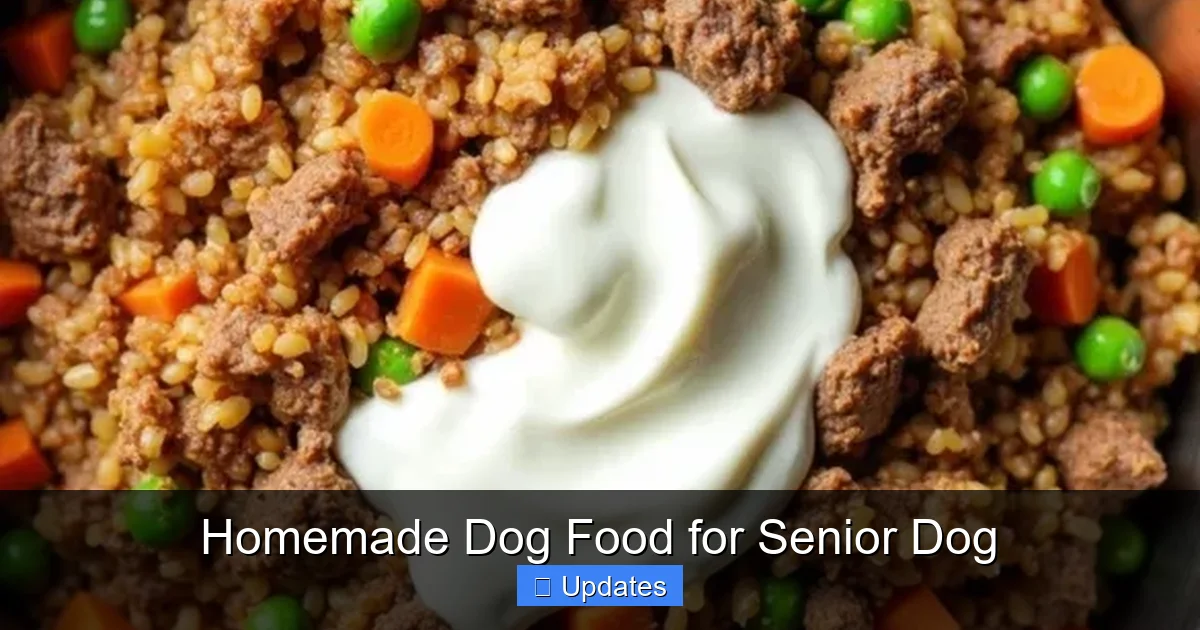
Visual guide about Homemade Dog Food for Senior Dog
Image source: bestdogrecipes.com
Just as human seniors have different dietary needs than younger adults, so do our canine companions. As dogs age, their metabolism slows down, their kidneys become less efficient, and their bodies may struggle to absorb certain nutrients. Here’s what to prioritize when designing a meal plan for your senior pup:
High-Quality Protein Sources
Protein remains essential throughout life, but for senior dogs, it should come from highly digestible sources such as cooked chicken breast, turkey, lean beef, or even eggs. These provide amino acids necessary for maintaining muscle mass—a critical factor since many older dogs experience sarcopenia (age-related muscle loss). Avoid low-quality proteins like meat by-products or excessive red meat, which can increase inflammation.
Healthy Fats and Omega-3 Fatty Acids
Fats supply concentrated energy without spiking blood sugar, making them ideal for calorie-conscious senior diets. More importantly, omega-3 fatty acids—found in salmon, flaxseed, and chia seeds—help reduce joint inflammation, support brain health, and improve skin and coat condition. Aim for about 5–8% fat content in homemade meals, depending on your dog’s activity level.
Glucosamine and Chondroitin for Joint Health
Arthritis affects up to 60% of dogs over seven years old. Adding supplements like glucosamine hydrochloride and chondroitin sulfate to your recipes can significantly ease stiffness and pain. You can purchase these separately or include naturally rich sources like green-lipped mussels or bone broth made from slow-cooked chicken bones.
Digestive Enzymes and Fiber
Older dogs often produce fewer digestive enzymes, leading to bloating, gas, or irregular stools. Incorporating pumpkin puree, sweet potato, or psyllium husk provides gentle fiber that supports gut motility and feeds beneficial bacteria. Probiotics (like plain Greek yogurt) can also be added sparingly to aid digestion.
Antioxidants and Immune Support
Cancer rates rise with age, and oxidative stress plays a role in cellular damage. Bright-colored vegetables like blueberries, spinach, and carrots are packed with antioxidants that help combat free radicals. Turmeric, known for its anti-inflammatory properties, can be sprinkled in small amounts (never raw—it’s toxic).
Low Sodium and Limited Phosphorus
For dogs with heart or kidney issues, minimizing sodium and phosphorus intake is vital. Use herbs and spices instead of salt, and choose lean meats over organ-rich options like liver or kidney.
Common Challenges When Transitioning to Homemade Food
Visual guide about Homemade Dog Food for Senior Dog
Image source: pet-health-advisor.com
Switching from commercial kibble to homemade meals doesn’t always happen overnight—and sometimes, it doesn’t go smoothly either. Be prepared for some bumps along the way:
Dental Issues and Texture Preferences
Some senior dogs have missing teeth, gum disease, or difficulty chewing dry kibble. In these cases, soft foods work best: think stewed vegetables, pureed meats, or moistened kibble mixed with broth. Avoid hard treats unless your dog can chew them safely.
Sensitive Stomachs and Food Allergies
If your dog has a history of vomiting, diarrhea, or chronic ear infections, an elimination diet may be needed to identify triggers. Common culprits include wheat, dairy, soy, and beef. Rotating proteins every few days helps pinpoint problematic ingredients.
Lack of Appetite
Loss of appetite is common in older dogs due to dental pain, medication side effects, or illness. Try warming food slightly to enhance aroma, adding a splash of low-sodium bone broth, or offering nutrient-dense supplements like CBD oil (consult your vet first).
Cost and Time Investment
Homemade diets require more upfront effort than buying bags of kibble—but they don’t have to break the bank. Buying in bulk, using seasonal produce, and batch cooking on weekends can streamline preparation and reduce costs.
Simple Homemade Dog Food Recipes for Senior Dogs
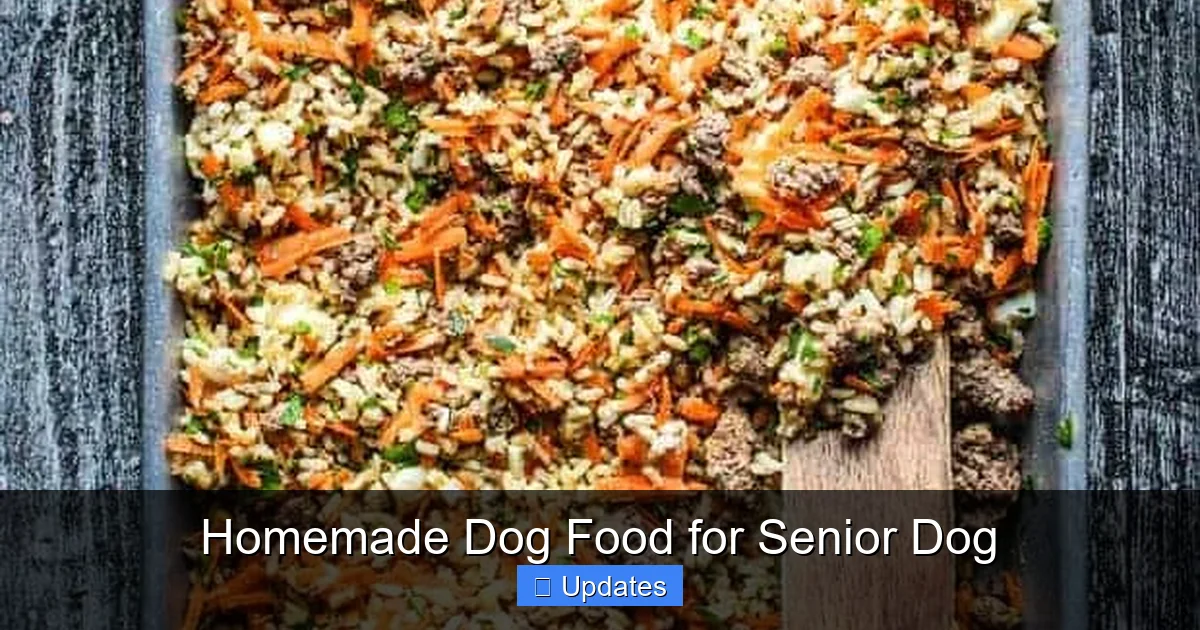
Visual guide about Homemade Dog Food for Senior Dog
Image source: thismessisours.com
Below are three balanced, easy-to-make recipes designed specifically for senior dogs. Each includes approximate macronutrient breakdowns and serving suggestions.
Recipe 1: Lean Chicken & Sweet Potato Bowl
Ingredients:
- 1 lb boneless, skinless chicken breast (cooked and shredded)
- 1 cup cooked sweet potato (no seasoning)
- ½ cup steamed green beans
- 1 tbsp olive oil
- 1 tsp ground flaxseed
- ½ tsp turmeric (optional)
Instructions:
Cook chicken thoroughly, then shred. Steam sweet potato until tender; mash lightly. Combine all ingredients in a large mixing bowl. Serve warm or cool before refrigerating. Store portions in airtight containers for up to 3 days, or freeze for later use.
This recipe delivers ~22g protein, 4g fiber, and healthy fats per 1-cup serving—ideal for medium-sized seniors weighing 30–50 lbs.
Recipe 2: Turkey & Pumpkin Stew
Ingredients:
- 1 lb ground turkey (96% lean)
- 1 cup canned pumpkin puree (not pie filling)
- 1 cup chopped carrots
- ½ cup brown rice (cooked)
- 1 tbsp fish oil
- 1 tsp apple cider vinegar
Instructions:
Brown turkey in a non-stick pan. Add carrots and simmer until soft. Stir in pumpkin, rice, fish oil, and vinegar. Simmer another 10 minutes. Let cool completely before serving. Freeze in ice cube trays for portioned servings.
Great for dogs needing extra fiber and hydration—perfect for seniors with sensitive bowels.
Recipe 3: Beef & Vegetable Medley
Ingredients:
- 1 lb lean ground beef
- 1 cup diced zucchini
- 1 cup chopped kale
- ½ cup quinoa (cooked)
- 1 tbsp coconut oil
- ½ tsp cinnamon (anti-inflammatory)
Instructions:
Cook beef and drain excess fat. Add vegetables and cook until tender. Mix in quinoa, coconut oil, and cinnamon. Cool before serving. Keeps well in the fridge for two days.
Note: Limit beef to once or twice weekly to avoid excess saturated fat.
Safety Tips and Best Practices
Making homemade dog food isn’t just about choosing tasty ingredients—it’s about doing it safely. Follow these guidelines to protect your dog (and yourself):
- Always Cook Meat Thoroughly: Raw or undercooked meat poses serious risks, including salmonella and E. coli. Use a food thermometer to ensure poultry reaches 165°F and beef/pork hits 160°F.
- Wash Hands and Surfaces: Cross-contamination between raw meats and ready-to-eat foods is a common cause of foodborne illness in both humans and pets.
- Rotate Proteins Regularly: Feeding the same protein daily increases allergy risk. Cycle through chicken, turkey, beef, lamb, and fish every 4–6 days.
- Add Supplements Wisely: While multivitamins seem helpful, too much vitamin D or iron can be toxic. Work with your vet to determine if supplements are truly needed.
- Monitor Weight and Energy Levels: Adjust portion sizes monthly based on body condition score (you should feel ribs but not see them).
When to Avoid Homemade Diets
While homemade dog food for senior dogs offers many benefits, there are situations where commercial diets may be safer or more practical:
- Puppies and Nursing Mothers: Require high-energy, growth-specific formulas that are hard to replicate at home.
- Dogs with Severe Medical Conditions: Such as advanced kidney disease or cancer may need prescription renal or oncology diets formulated by veterinary nutritionists.
- Owners Without Access to Veterinary Guidance: Attempting to self-formulate a diet without professional oversight can lead to dangerous deficiencies.
- Time-Constrained Lifestyles: If you lack the time or resources to prepare meals daily, high-quality commercial senior foods remain a reliable alternative.
That said, even if you opt for store-bought food, you can still incorporate homemade elements—like adding bone broth or steamed veggies—to boost flavor and nutrition without overhauling the entire diet.
Conclusion: Empowering Your Senior Dog Through Nutrition
Feeding your senior dog homemade meals is more than just a trend—it’s a loving act rooted in deep understanding and care. By tailoring each dish to your dog’s evolving needs, you’re supporting their mobility, digestion, mental sharpness, and emotional well-being. Of course, success hinges on balance, consistency, and collaboration with your veterinarian. Don’t hesitate to seek guidance from a board-certified veterinary nutritionist if you’re unsure how to formulate a complete diet.
Remember, every spoonful counts. And when your dog wags their tail after dinner, knowing they’ve received wholesome, thoughtfully prepared nourishment—that’s priceless.
—
Frequently Asked Questions
Is homemade dog food safe for senior dogs?
Yes, homemade dog food can be very safe and beneficial for senior dogs when properly balanced and nutritionally complete. However, it requires careful planning to ensure your dog gets all essential nutrients. Always consult your veterinarian before making significant dietary changes, especially if your dog has underlying health conditions.
How do I know if my senior dog needs homemade food?
Signs that your senior dog might benefit from a homemade diet include weight fluctuations, digestive issues, food sensitivities, dental problems, or specific medical conditions like arthritis or kidney disease. If your dog isn’t thriving on commercial kibble despite trying several brands, a customized homemade approach may help.
Can I feed my senior dog only raw food?
Raw diets are controversial and come with risks such as bacterial contamination and nutritional imbalances. While some owners report improvements in coat quality and energy levels with raw feeding, most veterinarians recommend cooked homemade meals for safety and digestibility, particularly for older dogs with weaker immune systems.
How often should I rotate proteins in homemade senior dog food?
It’s recommended to rotate protein sources every 4 to 6 days to minimize the risk of food allergies and ensure variety in amino acid profiles. Common options include chicken, turkey, beef, lamb, and fish. Avoid repeating the same protein too frequently unless advised otherwise by your vet.
What if my senior dog refuses to eat homemade food?
If your dog turns up their nose at new meals, try warming the food slightly to release aromas, adding a small amount of low-sodium bone broth, or mixing in a tiny bit of their favorite commercial kibble initially. Patience and gradual introduction are key. Consult your vet if refusal persists beyond a week.
Do I need to add supplements to homemade senior dog food?
Not always. Many balanced homemade recipes include sufficient nutrients from whole foods, but your vet may recommend specific supplements like fish oil for omega-3s, probiotics for digestion, or joint support formulas. Never add supplements without professional advice, as excess vitamins or minerals can be harmful.
