
Eagle Crest Villa Senior Living


Easy Grip Knife Set

Bathtub Grab Bar

Robot Vacuum Cleaner
Eagle Crest Villa Senior Living offers a premier retirement experience with flexible living options, from independent apartments to specialized memory care. Residents enjoy resort-style amenities, a robust activity calendar, and 24/7 professional support, all within a secure, welcoming community designed for thriving in the next chapter of life.
Key Takeaways
- Person-Centered Care: Eagle Crest Villa provides a full continuum of care, allowing residents to age in place with services tailored to evolving needs, from independent living to skilled nursing.
- Vibrant Community Life: A packed calendar of social, educational, and wellness activities ensures residents stay engaged, connected, and purposeful every day.
- Resort-Style Amenities: The community features chef-prepared dining, fitness centers, beautifully landscaped grounds, and elegant common spaces that rival a luxury resort.
- Safety & Security: With 24-hour staffing, emergency response systems, and a secure environment, families gain peace of mind knowing their loved ones are protected.
- Financial Flexibility: Multiple pricing models, including life care contracts and monthly rental options, provide financial predictability and transparency for various budgets.
📑 Table of Contents
- Welcome to Your New Chapter: An Introduction to Eagle Crest Villa Senior Living
- The Perfect Setting: Location, Layout, and First Impressions
- Your Home Choices: Understanding the Living Options at Eagle Crest Villa
- Amenities & Services That Elevate Everyday Life
- Care & Wellness: Professional Support When You Need It
- Community & Lifestyle: The Heart of the Experience
- Understanding the Investment: Costs, Contracts, and Value
- Making Your Decision: Is Eagle Crest Villa Right for You or Your Loved One?
Welcome to Your New Chapter: An Introduction to Eagle Crest Villa Senior Living
Let’s have a real talk about the next chapter. The idea of moving to a senior living community can feel like a big step, full of questions and emotions. Maybe you’re researching for a parent. Maybe you’re thinking about your own future. Wherever you are on that journey, knowing what’s out there is the first, most powerful move. And today, we’re pulling back the curtain on a standout option: Eagle Crest Villa Senior Living.
This isn’t just a building with rooms. It’s a thoughtfully designed ecosystem for living well. Think of it less as an “institution” and more as a launchpad for a more relaxed, social, and supported lifestyle. We’re going to walk through everything—the feel of the place, the practical details of care, the costs, and the day-to-day magic. Our goal? To give you a crystal-clear picture so you can decide if this vibrant community is the right fit. No fluff, just facts and insights to empower your decision.
The Perfect Setting: Location, Layout, and First Impressions
First impressions matter. When you pull up to Eagle Crest Villa, you’re often greeted by manicured gardens, maybe a fountain, and a sense of calm openness. The architecture typically blends seamlessly into a suburban or peaceful countryside setting, avoiding the institutional feel. It’s designed to be a home, not a hospital.

Visual guide about Eagle Crest Villa Senior Living
Image source: eaglecrestvilla.com
A Neighborhood Built for Connection
The location is chosen for convenience and charm. It’s usually nestled near shopping centers, medical facilities, places of worship, and cultural attractions. This ensures residents maintain strong ties to the wider community while enjoying the sanctuary of their own neighborhood. Proximity to family is also a key consideration in the site selection. You’ll often find walking paths, benches under shade trees, and gardens that invite residents to step outside and breathe. For many, this connection to the outdoors is a huge quality-of-life boost.
Inside the Walls: A Tour of Common Spaces
Step inside, and the vibe shifts from “senior living” to “senior thriving.” Expect soaring ceilings in the main lodge, abundant natural light, and warm, residential-style finishes—hardwood floors, cozy fireplaces, elegant furniture. The heart of the community is the dining room, which often doubles as an activity space. Look for libraries with internet stations, a fitness center with senior-friendly equipment, a salon/barbershop, and maybe a club room for games or guest visits. These spaces are the social glue, designed to encourage spontaneous conversations and planned events alike.
When comparing communities, the feel of these common areas is a huge differentiator. You might notice similarities to the thoughtful design seen in senior living apartments in Houston, where creating an engaging environment is a top priority.
Your Home Choices: Understanding the Living Options at Eagle Crest Villa
One size does not fit all. A major strength of a full-service community like Eagle Crest Villa is its ability to meet you where you are, with plans to grow into higher levels of care without the trauma of moving again. This “continuum of care” is a cornerstone of their model.
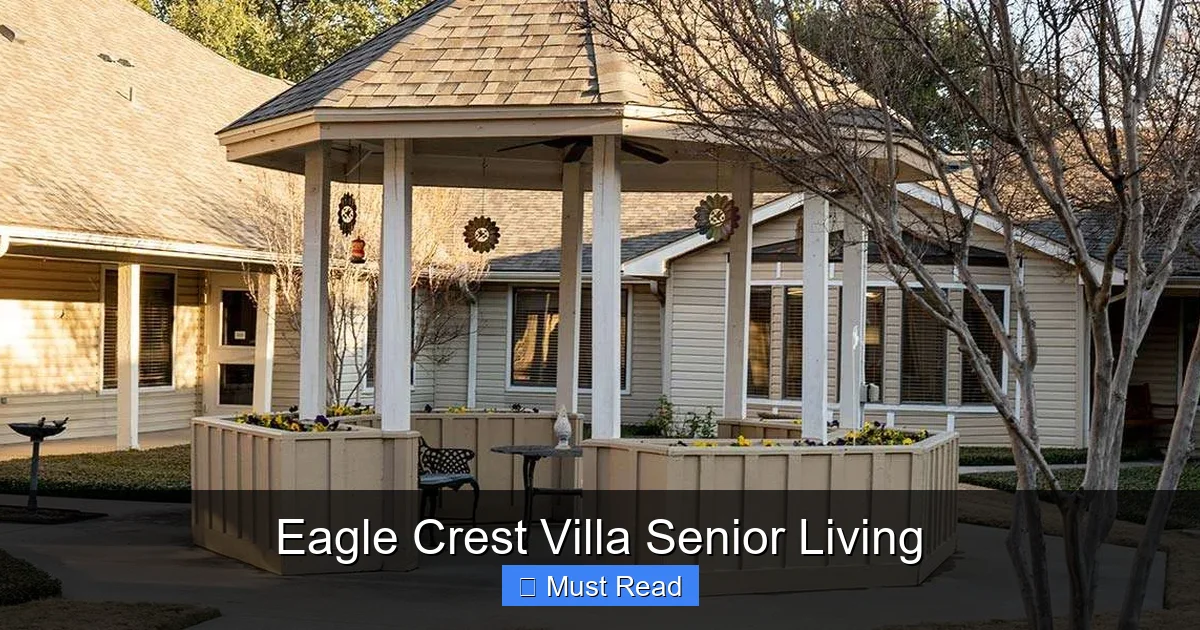
Visual guide about Eagle Crest Villa Senior Living
Image source: eaglecrestvilla.com
Independent Living: Freedom with a Safety Net
This is for active, self-sufficient seniors who want to ditch the hassles of homeownership—no more lawn mowing, snow shoveling, or major repairs. You live in a private apartment or villa, often with a full kitchen, washer/dryer, and balcony or patio. The community handles all exterior maintenance, utilities (often included), and provides a built-in social network. It’s independent living with a major perk: knowing help is just a call away if you ever need it. You cook if you want, use the community chef when you don’t. It’s the best of both worlds.
Assisted Living: Support for Daily Routines
When things like bathing, dressing, medication management, or mobility become a bit challenging, assisted living provides discreet, respectful support. You still have your own apartment, but trained staff are available 24/7 to assist with activities of daily living (ADLs). Meals are typically provided in a communal dining room, and housekeeping and laundry services are included. The focus is on preserving independence while ensuring safety and wellness. The staff-to-resident ratio and the specific services offered (like incontinence care or diabetic management) are critical questions to ask during a tour.
Memory Care: Specialized Support for Cognitive Challenges
For residents living with Alzheimer’s disease or other forms of dementia, Eagle Crest Villa likely offers a dedicated, secure memory care neighborhood or wing. This is a completely different environment, designed with safety (wander guards, secured exits) and therapeutic engagement in mind. The staffing is specialized, with team members trained in dementia care techniques. Activities are structured to reduce anxiety, spark memory, and promote dignity. The physical environment is calming, with clear wayfinding, minimal clutter, and soothing colors. This is often the most emotionally charged decision for families, so touring this area and asking about activity programming is essential.
Amenities & Services That Elevate Everyday Life
What truly makes a community sing is its amenities and services. At Eagle Crest Villa, these are not afterthoughts; they are integral to the resident experience. They remove the mundane burdens of life and inject joy, convenience, and wellness into each day.

Visual guide about Eagle Crest Villa Senior Living
Image source: eaglecrestvilla.com
Dining: More Than Just Meals
Forget the stereotype of bland, institutional food. Modern senior living dining is a highlight. Expect chef-prepared meals with multiple choices daily, accommodating special diets (low sodium, diabetic, pureed). Meals are served restaurant-style in a beautiful dining room. Many communities also offer flexible dining times, room service for those who prefer it, and even guest meals for visiting family. It’s social, it’s nutritious, and it’s delicious. Ask to sample a meal during your visit!
Wellness & Recreation: Body, Mind, and Spirit
A robust activity calendar is non-negotiable. Look for a mix of:
- Fitness: Scheduled exercise classes (chair yoga, water aerobics, balance training), a well-equipped gym, and walking clubs.
- Learning: Guest lecturers, book clubs, art classes, and technology workshops to keep minds sharp.
- Social: Happy hours, movie nights, holiday celebrations, and outings to local attractions.
- Spiritual: Interfaith services or transportation to local places of worship.
- Purposeful: Volunteer opportunities, mentoring programs, or resident committees that give residents a voice.
The best communities tailor programs to resident interests, not just fill a schedule. Ask to see a sample activity calendar.
Convenience Services: The Invisible Benefits
These are the little things that make a huge difference: scheduled transportation for appointments and shopping, on-site salon/barbershop, housekeeping, linen service, and package handling. Having these basics covered frees up incredible mental and physical energy for residents to pursue what they love.
Care & Wellness: Professional Support When You Need It
While amenities enhance life, care ensures safety and health. Eagle Crest Villa’s care model is built on proactive wellness and responsive support.
The 24/7 Staffing Safety Net
Knowing a caring professional is always on-site is the ultimate peace of mind for families. Staffing includes licensed nurses (RNs/LPNs) and certified nursing assistants (CNAs) who are trained in senior care. They conduct regular wellness checks, manage medications, and respond to any urgent needs. The staffing model—how many staff per resident, especially at night—is a key indicator of quality and should be part of your research.
Health Services On-Site and On-Call
Many communities partner with local physicians to provide on-site clinic hours for routine check-ups, reducing the need for travel. Physical, occupational, and speech therapy are often available for rehabilitation needs. For more complex medical care, partnerships with nearby hospitals and specialists are crucial. The community’s care coordination team helps manage doctor appointments, medication schedules, and communicates with families and external healthcare providers.
It’s also worth considering how the community handles transitions. If a resident’s needs increase significantly, can they stay? Eagle Crest Villa, with its continuum of care, is designed for aging in place, which is a massive advantage over moving to a new facility later. Some families initially explore alternatives like Hearts At Home Senior Care for in-home support, but often find the comprehensive, social, and medical infrastructure of a full community better meets evolving long-term needs.
Community & Lifestyle: The Heart of the Experience
Let’s be honest: the amenities and care are table stakes. The real magic—the thing that makes someone feel like they’ve truly found home—is the community culture. This is the intangible vibe of friendship, respect, and shared purpose.
Fostering Connection: It’s Intentional
Great communities don’t rely on chance meetings. They have a dedicated Life Engagement or Activities Director whose job is to know residents’ names, stories, and preferences. They create small-group opportunities that foster deeper bonds—like a gardening club, a bridge group, or a current events discussion. They also empower residents to lead activities themselves, tapping into hidden talents. Look for evidence of resident-led initiatives and a diverse, multi-generational staff who build genuine relationships.
Dining as Social Ritual
We mentioned dining, but it’s worth repeating in this context. The dining room is the primary social hub. Tablemates become friends. The rhythm of sharing a meal together daily builds community in a profound way. The staff’s warmth in the dining room is just as important as the food quality.
Family Involvement: An Open Door
A thriving community welcomes families. Eagle Crest Villa should have flexible visiting hours, family-friendly event spaces, and communication practices that keep families in the loop (regular newsletters, family councils, care plan meetings). The goal is to integrate families into the community fabric, not treat them as outsiders.
Understanding the Investment: Costs, Contracts, and Value
Let’s talk dollars and cents. The cost of senior living is a major concern, and transparency is key. Eagle Crest Villa likely offers a few different financial structures.
Common Pricing Models
- Monthly Rental (Fee-for-Service): A straightforward monthly fee covering rent, meals, and basic services. Care services (like assisted living support) are added à la carte as needed. This offers flexibility.
- Life Care (Type A) Contract: A larger upfront entrance fee (sometimes refundable to a percentage) plus a predictable monthly fee that guarantees care for life, with minimal increases regardless of care level changes. This offers maximum financial predictability.
- Modified (Type B) Contract: A smaller entrance fee with a monthly fee that includes a set number of care days per month. If care needs exceed that, per-diem fees apply.
What’s Typically Included?
Always get a detailed list. The monthly fee usually includes:
- Apartment utilities (electric, water, heat/AC, trash)
- Three meals daily
- Housekeeping and linen service
- All amenities and activities
- Basic maintenance
- Transportation (scheduled)
Care services, medication management, and private-duty aides are almost always additional.
The Real Value Proposition
When comparing the monthly cost to staying at home, remember to include ALL home expenses: mortgage/rent, property taxes, insurance, utilities, maintenance, food, housekeeping, and—critically—the cost of any in-home care or adult day services you might already be paying for. Often, the all-inclusive nature of a community’s fee is surprisingly competitive when you add it all up. More importantly, it provides an invaluable social and safety net that’s hard to quantify but easy to feel.
For context, exploring senior living options in different regions can help gauge value. Resources like guides on Senior Living In Houston Texas illustrate how costs and amenities can vary by market, but the core value pillars remain consistent.
Making Your Decision: Is Eagle Crest Villa Right for You or Your Loved One?
After all this research, how do you decide? It starts with honest reflection and ends with a visit.
Start with the “Why”
Are you/your loved one feeling isolated? Struggling with home maintenance? Having subtle safety concerns (forgetting to turn off the stove, difficulty with stairs)? Seeking more social engagement? The primary driver should be a desire for an improved quality of life, not just a reaction to a crisis.
The Tour is Non-Negotiable
Photos and websites only tell part of the story. Schedule a visit, and better yet, schedule a “trial stay” or a complimentary meal. Observe:
- The smell: Is it clean, or does it smell like disinfectant and food?
- The sound: Is there lively chatter, or an eerie silence?
- The staff: Do they smile? Do they know residents by name? Do they engage?
- The residents: Do they look content and engaged? Do they have friends?
- Your gut: Does it feel warm and welcoming, or cold and clinical?
Ask the Hard Questions
Don’t be shy. Ask about staff turnover rates, what happens if funds run out, the process for handling hospitalizations and returns, and the specific criteria for moving between care levels. Request to see the most recent state inspection survey (for communities that receive funding).
Choosing a senior living community is one of the most significant decisions you’ll make. It’s about finding a place where safety, care, and joy intersect. Eagle Crest Villa Senior Living represents a modern, holistic approach to this next chapter—one built on choice, dignity, and community. Take your time, trust your instincts, and know that seeking this information is the first, most courageous step toward finding peace of mind for everyone involved.
Frequently Asked Questions
What is the average cost of living at Eagle Crest Villa Senior Living?
Costs vary significantly based on apartment size, location, and care level. Monthly fees for independent living typically range from $2,500 to $4,500+, while assisted living averages $4,000 to $6,500+. Memory care is higher, often $5,000 to $7,500+. The community provides personalized quotes after an assessment. Always request a detailed breakdown of what’s included versus additional fees.
Can I bring my own furniture and pet?
Yes, residents are encouraged to personalize their apartments with their own furniture and decor to feel at home. Most communities have pet-friendly policies, often with size/weight limits and a pet deposit or monthly fee. It’s essential to confirm the specific pet policy during your tour, as some may have restricted breeds or require pets to be up-to-date on vaccinations.
How does the move-in process work, and what paperwork is needed?
The process begins with a pre-assessment to determine care needs and apartment availability. You’ll then review and sign a residency agreement (contract), which details all terms, fees, and services. Required paperwork typically includes a medical history form, medication list, physician consent, and financial documentation. The community’s admissions coordinator will guide you through every step to ensure a smooth transition.
What happens if my health needs change after I move in?
This is the key advantage of a continuum of care community. If your needs increase, you can transition to a higher level of care (e.g., from independent to assisted living) within the same community, often in a different apartment. Your care plan is regularly reviewed, and the team will discuss options with you and your family well in advance, minimizing disruption and stress.
Are transportation services provided for medical appointments and shopping?
Yes, Eagle Crest Villa typically offers scheduled transportation services. This includes regular trips to nearby shopping centers, grocery stores, and social outings. For medical appointments, they often provide scheduled transportation to local doctor’s offices and hospitals. It’s important to ask about the schedule, any associated fees, and the process for booking a trip.
How are meals planned, and can dietary restrictions be accommodated?
Meals are planned by a professional chef and dietitian to be nutritious, varied, and appealing. Menus are typically published weekly. The dining team can accommodate most common dietary restrictions, such as low-sodium, diabetic, gluten-free, and food allergies. For more specialized needs (e.g., pureed diets), they will work with residents and families to ensure appropriate modifications are made safely and respectfully.