
Dental Chews for Senior Dogs


Voice Assistant Smart Speaker
Spill-Proof Adult Cup

Smart Digital Photo Frame
As dogs age, their dental health becomes more vulnerable to plaque, tartar, and gum disease. Dental chews for senior dogs offer a simple, tasty way to maintain oral hygiene, reduce bad breath, and support overall wellness—without the stress of brushing.
Key Takeaways
- Senior dogs are more prone to dental issues: By age seven, over 80% of dogs show signs of periodontal disease, making daily oral care essential.
- Dental chews help reduce plaque and tartar: The mechanical action of chewing scrubs teeth and slows buildup, especially when used consistently.
- Choose soft or flexible chews for older teeth: Hard chews can damage worn or fragile teeth—opt for senior-friendly textures.
- Look for vet-recommended ingredients: Avoid artificial additives and prioritize chews with natural enzymes, antioxidants, or dental-specific formulas.
- Supervise chewing sessions: Even digestible chews can pose choking risks, especially for dogs with missing teeth or slow chewing habits.
- Combine chews with regular vet checkups: Chews support—but don’t replace—professional cleanings and oral exams.
- Monitor for allergies or digestive upset: Introduce new chews slowly and watch for signs like vomiting, diarrhea, or excessive drooling.
📑 Table of Contents
Why Dental Health Matters for Senior Dogs
As our beloved dogs grow older, their bodies change in ways we can see—and some we can’t. Graying muzzles, slower walks, and maybe a little stiffness in the joints are common signs of aging. But one area that often gets overlooked? Their teeth. Just like humans, senior dogs are at a much higher risk for dental problems, and ignoring oral health can lead to serious consequences.
By the time a dog reaches seven years old, veterinarians estimate that more than 80% have some form of periodontal disease. That’s not just about bad breath—though no one enjoys “doggy breath” that could peel paint. Dental disease in senior dogs can cause pain, tooth loss, infections, and even spread bacteria to vital organs like the heart, liver, and kidneys. The good news? Many of these issues are preventable with consistent care.
That’s where dental chews for senior dogs come in. These specially designed treats do more than satisfy a dog’s natural urge to chew. They’re crafted to support oral hygiene, reduce plaque and tartar, and promote healthier gums—all while being safe for older pups with sensitive teeth or digestive systems. Think of them as a daily “brush” your dog actually enjoys.
The Hidden Dangers of Poor Dental Health
You might not notice your senior dog’s dental problems at first. Unlike a broken leg or a skin rash, dental pain often shows up subtly. Your dog might eat more slowly, drop food from their mouth, or avoid hard kibble. Some dogs even become irritable or less interactive because chewing hurts.
But the real danger lies beneath the gumline. Plaque—a sticky film of bacteria—builds up on teeth daily. If not removed, it hardens into tartar, which irritates the gums and leads to gingivitis. Over time, this inflammation can destroy the tissues and bone that hold teeth in place. In severe cases, bacteria enter the bloodstream through infected gums, potentially causing heart disease (endocarditis), kidney damage, or liver issues.
A study published in the *Journal of Veterinary Dentistry* found that dogs with advanced periodontal disease had significantly higher levels of systemic inflammation markers. This means that poor oral health doesn’t just affect the mouth—it impacts the entire body.
How Dental Chews Help Senior Dogs
Dental chews work in two main ways: mechanically and chemically. The mechanical action comes from the act of chewing. As your dog gnaws on the treat, the texture—whether it’s ridged, nubbed, or twisted—scrubs against the teeth, dislodging plaque and food particles. This is similar to how brushing removes buildup, but without the hassle of holding a toothbrush.
Many modern dental chews also include active ingredients that enhance their effectiveness. For example, some contain enzymes like glucose oxidase or lactoperoxidase, which help break down bacteria. Others are fortified with antioxidants like vitamin E or green tea extract to reduce inflammation and support gum health.
For senior dogs, consistency is key. Daily use of dental chews can significantly slow the progression of dental disease. A 2020 study by the Veterinary Oral Health Council (VOHC) showed that dogs using approved dental chews had up to 60% less plaque and 40% less tartar than those who didn’t.
Choosing the Right Dental Chew for Your Senior Dog
Visual guide about Dental Chews for Senior Dogs
Image source: iheartdogs.com
Not all dental chews are created equal—especially when it comes to older dogs. What works for a bouncy puppy might be too hard, too large, or too rich for a senior with sensitive teeth or digestive issues. Picking the right chew means considering your dog’s age, size, chewing style, and health status.
First, think about texture. Senior dogs often have worn-down teeth, missing molars, or weakened enamel. Hard, brittle chews like rawhide or antlers can crack teeth or cause choking. Instead, look for soft, flexible, or semi-moist options that are easy to chew but still effective at cleaning.
Size matters too. A chew that’s too big can be intimidating or hard to manage, while one that’s too small might be swallowed whole. Choose a size appropriate for your dog’s weight and jaw strength. Most brands offer guidelines—like “for dogs 10–25 lbs” or “large breed senior”—so follow those recommendations.
Ingredients to Look For—and Avoid
When scanning the ingredient list, aim for simplicity and transparency. The best dental chews for senior dogs use natural, recognizable ingredients. Look for:
– **Natural proteins** like chicken, turkey, or lamb as the first ingredient
– **Digestible fibers** such as sweet potato, pumpkin, or oat fiber
– **Dental-enhancing additives** like parsley (for breath), chlorophyll, or coconut oil (known for antimicrobial properties)
– **VOHC seal of acceptance**, which means the product has been scientifically tested and proven to reduce plaque or tartar
Avoid chews with:
– Artificial colors, flavors, or preservatives (like BHA, BHT, or ethoxyquin)
– Excessive fillers like corn, soy, or wheat (common allergens)
– High sugar content or added sweeteners (xylitol is especially toxic to dogs)
– Rawhide, which can swell in the stomach and cause blockages
For example, a high-quality senior dental chew might list: “Chicken, sweet potato, glycerin, oat fiber, natural flavor, parsley, citric acid, mixed tocopherols (preservative).” This is clean, safe, and effective.
Top Brands Trusted by Veterinarians
Several brands stand out for their commitment to senior dog health. Here are a few vet-recommended options:
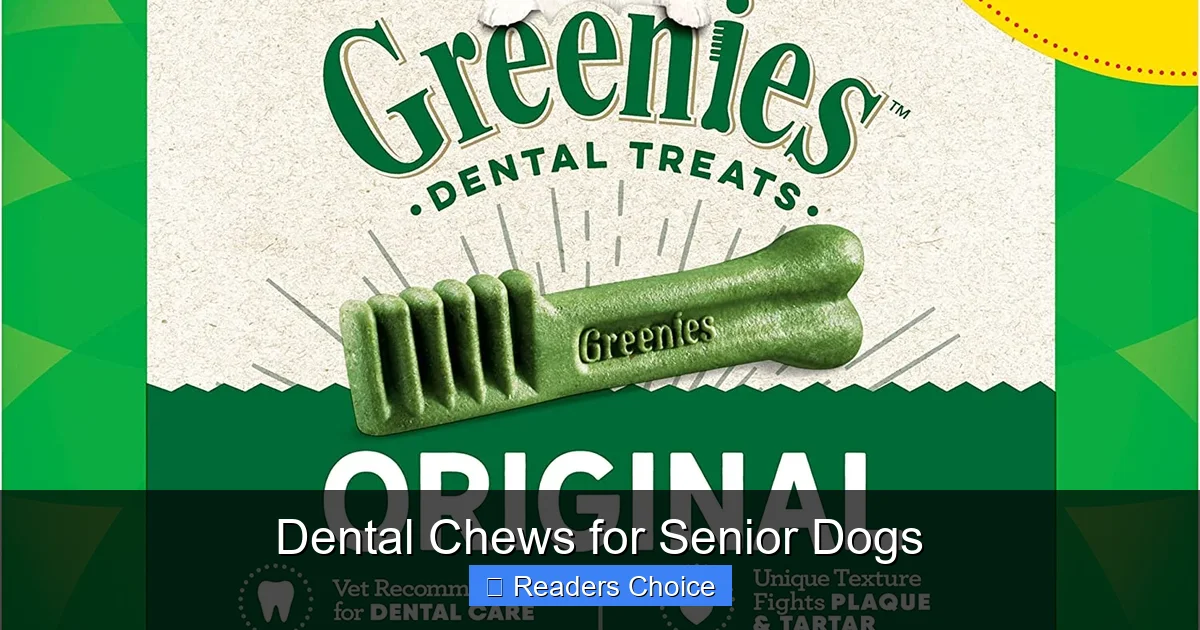
– **Greenies Senior Dental Chews**: Specifically formulated for dogs over seven, these chews are softer than the original version and include added glucosamine and chondroitin for joint support. They’re VOHC-approved and come in sizes for small, medium, and large breeds.
– **Purina Dentalife Daily Oral Care Chews**: These have a unique ridged texture that cleans teeth as your dog chews. The senior formula is softer and includes antioxidants for immune support.
– **Zuke’s Hip Action Dental Chews**: Combine dental care with joint health, featuring glucosamine, omega-3s, and a chewy texture ideal for older dogs.
– **Virbac C.E.T. VeggieDent Chews**: Made with plant-based ingredients and a zigzag shape that reaches back teeth. The senior version is extra soft and includes prebiotics for digestive health.
Always consult your vet before switching to a new chew, especially if your dog has allergies, kidney disease, or is on medication.
Safety First: How to Use Dental Chews Responsibly
Visual guide about Dental Chews for Senior Dogs
Image source: iheartdogs.com
Even the best dental chew can become a hazard if not used properly. Safety should always come first—especially with senior dogs who may have slower reflexes, weaker jaws, or missing teeth.
Supervision Is Non-Negotiable
Never leave your senior dog alone with a dental chew. While many are labeled “fully digestible,” large pieces can still pose a choking risk or cause intestinal blockages if swallowed too quickly. Watch your dog during the entire chewing session, and remove the chew once it becomes small enough to swallow whole.
This is especially important for dogs who “gulp” their food or treats. If your dog tends to inhale chews, consider breaking them into smaller pieces or choosing a softer option that dissolves more easily.
Watch for Signs of Trouble
After giving your dog a new chew, monitor them closely for the next 24 hours. Look for:
– Excessive drooling or gagging
– Vomiting or retching
– Diarrhea or constipation
– Lethargy or loss of appetite
– Difficulty breathing (rare but serious)
If you notice any of these signs, stop using the chew immediately and contact your veterinarian. Some dogs may have sensitivities to certain proteins or ingredients, even if they’ve eaten similar treats before.
Frequency and Portion Control
Most dental chews are meant to be given once daily, as part of a balanced diet. Overfeeding can lead to weight gain, especially in less active senior dogs. Check the packaging for feeding guidelines and adjust your dog’s regular meals accordingly.
For example, if your 15-pound senior dog gets one small dental chew per day (around 50 calories), reduce their kibble by about 50 calories to maintain a healthy weight. Obesity puts extra strain on joints and organs, so keeping your senior dog at an ideal weight is crucial.
Beyond Chews: A Complete Oral Care Routine
Visual guide about Dental Chews for Senior Dogs
Image source: iheartdogs.com
While dental chews are a fantastic tool, they’re most effective when used as part of a broader oral care strategy. Think of them as one piece of the puzzle—not the entire solution.
Brushing Your Senior Dog’s Teeth
Yes, it’s possible—even for older dogs! Daily brushing is the gold standard for preventing dental disease. Use a soft-bristled toothbrush designed for dogs (or a finger brush) and pet-safe toothpaste (never human toothpaste, which contains xylitol and fluoride).
Start slowly. Let your dog sniff the brush and taste the toothpaste. Gradually introduce gentle brushing, focusing on the outer surfaces of the teeth. Even brushing a few times a week makes a difference.
If your dog resists, try dental wipes or water additives that reduce plaque. Products like TropiClean Fresh Breath Water Additive can be added to your dog’s drinking water and help inhibit bacteria growth.
Professional Dental Cleanings
No at-home method can replace a professional cleaning under anesthesia. Vets use ultrasonic scalers to remove tartar above and below the gumline, then polish the teeth to prevent future buildup. They can also take X-rays to check for hidden problems like root abscesses or bone loss.
Most vets recommend annual dental exams starting around age seven. If your dog already has dental disease, cleanings may be needed more frequently. While anesthesia carries some risk for senior dogs, modern protocols and pre-screening (like bloodwork and ECG) make it safer than ever.
Diet and Hydration Matter Too
What your dog eats affects their teeth. Dry kibble is generally better for dental health than wet food, as the crunchy texture helps scrape away plaque. Look for diets labeled “dental” or “oral care,” which are designed to reduce tartar.
Fresh water is also essential. It helps wash away food particles and bacteria. Consider using a pet water fountain to encourage drinking, especially if your senior dog is less active.
Real-Life Success Stories
Meet Max, a 12-year-old Labrador Retriever from Oregon. His owner, Sarah, noticed he was drooling more than usual and avoiding his favorite chew toys. A vet visit revealed moderate periodontal disease and two loose teeth. The vet recommended a daily dental chew routine along with brushing.
Sarah started Max on Greenies Senior Chews and brushed his teeth three times a week. Within three months, his breath improved, and the vet noted a significant reduction in plaque during his next checkup. “He’s acting more like his old self,” Sarah says. “He even started playing with his toys again.”
Then there’s Bella, a 10-year-old Cocker Spaniel with a history of gum disease. Her owner, James, tried several chews before finding Zuke’s Hip Action. “She loves the taste, and her vet says her gums look healthier,” he shares. “Plus, the joint support is a bonus—she’s walking better too.”
These stories highlight a simple truth: small changes can make a big difference. With the right care, senior dogs can enjoy healthier mouths—and happier lives.
Conclusion: A Healthier Smile for Your Senior Dog
Caring for a senior dog means paying attention to the details—like their teeth. Dental chews for senior dogs are more than just treats; they’re a proactive step toward preventing pain, disease, and systemic health issues. When chosen wisely and used consistently, they can significantly improve your dog’s quality of life.
Remember, the best chew is one that’s safe, effective, and tailored to your dog’s needs. Look for soft textures, natural ingredients, and vet approval. Always supervise chewing, and combine chews with brushing, cleanings, and a healthy diet.
Your senior dog has given you years of love and loyalty. Now, it’s your turn to give back—starting with a cleaner, healthier smile.
Frequently Asked Questions
Are dental chews safe for senior dogs with missing teeth?
Yes, but choose soft, easily chewable options. Avoid hard chews that could cause pain or choking. Look for products labeled “senior” or “soft” and supervise your dog during use.
How often should I give my senior dog a dental chew?
Most dental chews are designed for daily use. Follow the package instructions and adjust your dog’s regular food intake to avoid weight gain. Consistency is key for plaque and tartar control.
Can dental chews replace brushing?
No, but they’re a great supplement. Brushing removes plaque most effectively, while chews help maintain cleanliness between brushings. Use both for the best results.
What if my senior dog has kidney disease?
Consult your vet before giving any new treat. Some dental chews contain phosphorus or protein levels that may not be suitable for dogs with kidney issues. Your vet can recommend safe options.
Are rawhide chews safe for older dogs?
Generally not recommended. Rawhide can be hard to digest, swell in the stomach, and pose choking risks—especially for dogs with dental problems. Opt for safer, digestible alternatives.
How do I know if a dental chew is working?
Look for improvements in breath, reduced tartar buildup, and healthier gums. Your vet can assess progress during routine checkups. If you don’t see changes in 4–6 weeks, try a different product.