
Crook Cane Handle Explained: Benefits and Fit


Toilet Seat Bidet Attachment

Kitchen Timer with Large Display
Electric Mobility Scooter
Quick Answer
A crook cane handle is a traditional walking cane grip shaped like a curved hook, similar to a shepherd’s crook. It is also known as a J-shaped or tourist handle. Its main advantages are its classic design and convenience when carrying the cane. However, it may not be the most comfortable option for everyone, particularly people who need a different grip shape or additional support.
A walking cane handle affects how comfortably you can hold and control your cane. The crook handle is one of the most recognizable styles, but its traditional appearance does not automatically make it the best choice for every user. Understanding its design, benefits, limitations, and proper fit can help you decide whether this handle style meets your needs.
What Is a Crook Cane Handle?
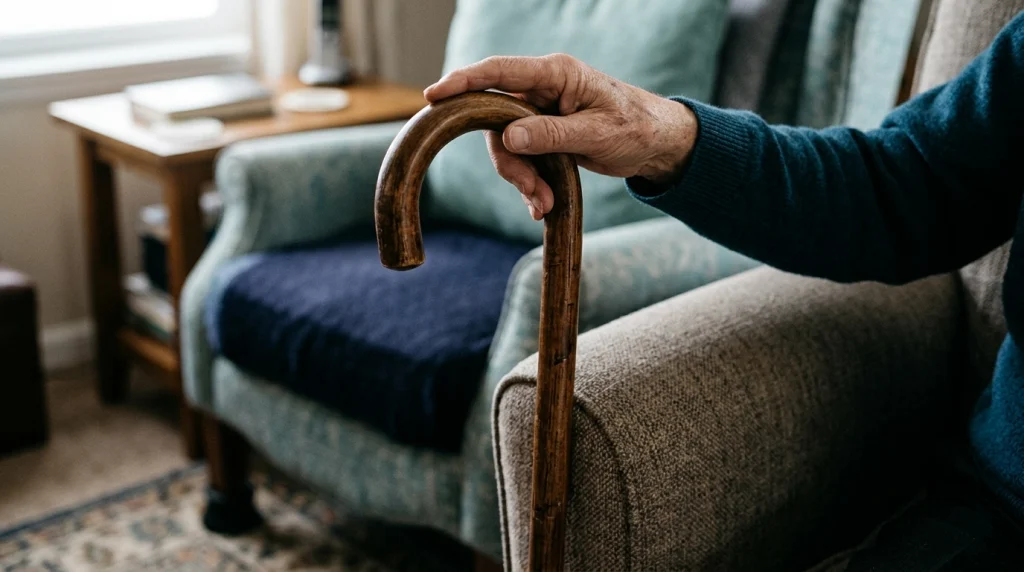
A crook cane handle is a curved grip that bends downward to form a hook-like shape. It resembles a shepherd’s crook, which is where the name comes from. Depending on the manufacturer, it may also be called a J handle or tourist handle.
This handle style is commonly found on traditional wooden walking canes and some lightweight mobility canes. The curved end creates an opening that can make it convenient to carry the cane over your forearm or hang it on a suitable hook when it is not being used.
Crook handles come in different materials, finishes, and sizes. Some have a simple wooden design, while others use polished wood, metal, or other materials. Although their appearance varies, the defining feature is the curved, hook-shaped grip.
It is important to understand that the handle is only one part of a walking cane. The shaft, cane height, rubber tip, construction, and the user’s mobility needs also influence comfort and safety. A crook handle alone does not determine how much weight the cane can safely support.
What Are the Benefits of a Crook Handle?
A crook cane handle offers several practical advantages, especially for people who prefer a traditional design and find the curved grip comfortable.
1. Easy to Carry When Not in Use
The hooked shape can make the cane easier to carry over your forearm when you need both hands free. You may also be able to hang it on a suitable hook when sitting down. Make sure the cane is secure and cannot fall into a walkway where it could cause someone to trip.
2. Traditional and Familiar Design
Crook handles have been used on walking canes for generations. Their familiar shape appeals to people who prefer a classic-looking mobility aid rather than a modern or highly contoured handle.
3. Available in Different Styles
Crook-handled canes are available in a variety of materials, finishes, and designs. Some prioritize a simple appearance, while others feature decorative details. The important consideration is whether the complete cane is suitable for your walking needs, not just whether its appearance appeals to you.
4. Suitable for Some Everyday Walking Needs
A crook handle may be practical for someone who needs light walking assistance and can comfortably hold and control the grip. However, suitability depends on hand comfort, balance, strength, cane fit, and the amount of support required.
What Are the Limitations of a Crook Handle?
Although the crook handle is convenient and recognizable, its shape may not suit every hand. Some users may find a broader, flatter, or more contoured grip more comfortable.
- Grip comfort: The curved shape may not fit every person’s hand naturally.
- Hand discomfort: People with arthritis, hand pain, or reduced grip strength may prefer a different handle design.
- Support requirements: A traditional crook handle does not automatically provide better balance or greater weight-bearing support.
- Individual fit: A handle that feels comfortable to one person may feel awkward or uncomfortable to another.
- Walking stability: Cane height, tip condition, walking technique, and the user’s mobility needs remain important regardless of handle shape.
If holding a crook handle causes pain, requires excessive squeezing, or makes the cane difficult to control, consider trying another design. A physical therapist or occupational therapist can help you determine which handle and mobility aid are appropriate for your needs.
How Does a Crook Handle Compare With Other Cane Handles?
Different cane handles are designed around different grip shapes and handling preferences. Comparing their features can help you identify a design that feels comfortable and provides suitable control.
| Handle Type | Typical Design | What to Consider |
|---|---|---|
| Crook | Curved, hook-shaped grip | Convenient carrying and traditional appearance |
| Derby | Curved handle designed to be held in the hand | Grip comfort and ease of control |
| Fritz | Broader, more horizontal grip | Palm contact and hand comfort |
| Offset | Handle positioned closer to alignment over the shaft | Load alignment and individual comfort |
| Ergonomic | Contoured to accommodate the hand | Hand fit, wrist position, and pressure points |
These handle categories can overlap, and manufacturers may use different product descriptions. No single design is best for everyone. A crook handle may suit someone who values its traditional shape, while a Derby, Fritz, or ergonomic handle may feel more comfortable for someone with different hand needs.
Choose based on the way the handle feels in your hand and whether you can control the cane safely. If you need substantial support, consider the cane’s overall design rather than focusing only on its handle.
Who Should Consider a Crook Handle?
A crook-handled cane may be worth considering if you prefer a traditional walking cane and find its grip comfortable. It may be suitable for people who:
- Prefer a classic cane design.
- Find the curved handle comfortable to hold.
- Want a handle that can be carried over the forearm when not in use.
- Need light walking assistance and can safely control the cane.
- Have confirmed that the cane’s height and construction suit their needs.
It may be less suitable for people who experience significant hand pain, struggle to maintain a secure grip, frequently lose their balance, or need more support than a cane can provide.
People with arthritis or reduced hand strength should consider the actual shape and size of the handle rather than relying on its name. If you are uncertain, a healthcare professional can help assess your grip, walking pattern, and support needs.
How Can You Check the Fit and Safety of a Crook Cane?

Correct cane height and safe technique are important regardless of the handle style. Before relying on a crook cane, check the following details.
- Check the height: Stand upright in your usual walking shoes with your arms relaxed. The handle should generally reach the crease of your wrist.
- Check your elbow position: When holding the cane, your elbow should be slightly bent rather than locked straight or bent excessively.
- Test the grip: Hold the handle naturally and make sure you can control it without excessive squeezing or pain.
- Inspect the rubber tip: Ensure the tip is secure, intact, and not excessively worn. Replace a damaged tip before using the cane.
- Inspect the shaft: Look for cracks, bends, loose components, or other damage that could affect safety.
- Check your walking technique: Many people who need support because one leg is weaker or injured hold the cane on the opposite side. The appropriate technique depends on your condition.
- Test it on a safe surface: Begin on level, non-slip ground. Stop if the cane feels unstable or causes discomfort.
Safety Tip
A walking cane is not a substitute for a walker or another mobility aid when you need more support than a cane can safely provide. If you experience repeated falls or feel unsteady, consult a healthcare professional about the appropriate mobility aid.
For more guidance, read the Cleveland Clinic guide to using a cane and the MedlinePlus instructions for using a cane.
When Should You Choose a Different Cane or Get Help?
Consider a different handle style if the crook grip causes discomfort, makes the cane difficult to control, or does not provide the support you need. A handle that looks attractive is not necessarily the most comfortable or appropriate option for everyday mobility.
You should also seek professional advice if your walking ability has changed, you have recently fallen, or you are uncertain whether a cane provides enough support. A physical therapist can assess your gait, recommend a suitable mobility aid, and teach you how to use it safely.
If you experience persistent hand pain, numbness, tingling, or weakness, do not assume that changing the handle will resolve the problem. These symptoms may require assessment beyond choosing a different cane grip.
Frequently Asked Questions
Is a crook cane handle the same as a shepherd’s crook?
Yes. A crook cane handle has a curved, hook-like shape similar to a traditional shepherd’s crook. It is also sometimes called a J handle or tourist handle.
Can a crook handle be used in either hand?
Many traditional crook handles can be held in either hand, but the cane’s design and your support needs matter. If you use a cane because one leg is weaker or injured, it is commonly held on the opposite side. Ask a physical therapist if you are unsure about correct use.
Is a crook handle good for arthritis?
It depends on your symptoms and the handle’s shape. Some people with arthritis find a crook handle comfortable, while others prefer a wider or ergonomically shaped grip. Choose a handle that does not increase pain or require excessive gripping.
Can you hang a crook cane on your arm?
The curved shape can make it possible to hang the cane over your forearm when it is not in use. Make sure it is secure and will not fall into a walkway. Do not let carrying the cane interfere with safe control while walking.
Does a crook handle provide more balance than a Derby handle?
Not necessarily. Balance depends on factors such as cane fit, tip condition, walking technique, and the user’s mobility needs. Handle comfort and control vary between individuals, so one design should not automatically be considered more stable than another.
How high should a walking cane with a crook handle be?
The handle should generally reach the crease of your wrist when you stand upright in your usual shoes with your arms relaxed. Your elbow should remain slightly bent when holding the cane. A healthcare professional can help confirm the correct fit.
Conclusion
A crook cane handle is a traditional walking cane grip valued for its curved shape and convenient carrying design. It may suit people who find it comfortable and need appropriate light walking support, but it is not the ideal choice for everyone.
Before choosing a crook-handled cane, check the grip comfort, cane height, shaft condition, and rubber tip. If you have persistent hand discomfort, balance problems, or frequent falls, ask a healthcare professional to help you choose an appropriate mobility aid. The right fit and safe technique matter more than the cane’s appearance alone.
“`