
Coway vs Blueair Air Purifier for Seniors: Which Wins?


Lightweight Vacuum Cleaner

Non-Slip Slippers

Bathtub Grab Bar
Coway and Blueair both make strong air purifiers, but they take different approaches. For seniors, the better choice is not only about cleaning power. Controls, noise, filter changes, weight, and daily upkeep also matter.
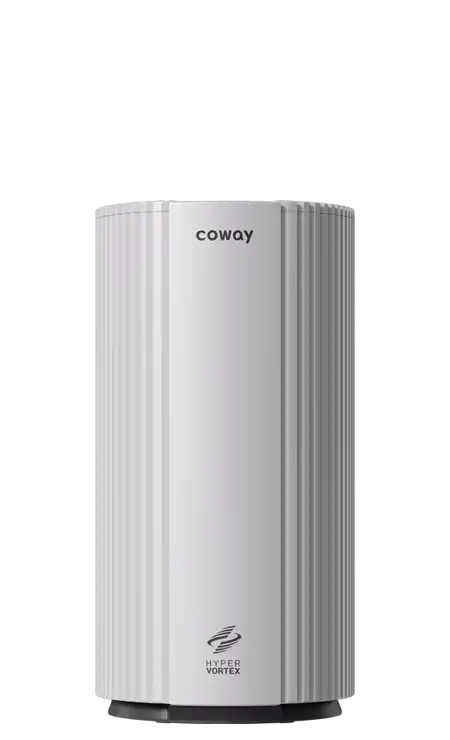
For this comparison, the Coway Airmega AP-1512HH Mighty and Blueair Blue Pure 311i Max are used as representative current models. They are close competitors for medium rooms, but Blueair offers more smart control while Coway keeps things simpler.
Quick Comparison
For most seniors who want simple controls and less frequent main-filter replacement, Coway is the easier choice. Its physical controls, automatic mode, Eco mode, and long HEPA filter life keep daily use straightforward.
The Blueair 311i Max is better for seniors or caregivers who want app control, scheduling, remote monitoring, and more room coverage. It is also lighter than the Coway.
Simple choice: Coway for straightforward operation. Blueair for smarter control and higher airflow.
Coway vs Blueair At a Glance
These two models are similar in size class, but their strengths are different.

| Feature | Coway Airmega AP-1512HH | Blueair Blue Pure 311i Max |
|---|---|---|
| Recommended room | 361 sq. ft. at 4.8 ACH | 439 sq. ft. at 4.8 ACH |
| Weight | 12.3 lb | 7.8 lb |
| Smoke CADR | 233 CFM | 283 CFM |
| Controls | Physical controls | Physical controls + app |
| Auto mode | Yes | Yes |
| Noise | 24–53 dB | 23–50 dB |
| Main filter | About 1 year | Up to 9 months |
| Smart features | Limited on base model | Wi-Fi, app, schedules |
| Timer | 1, 4, 8 hours | App scheduling |
| Best strength | Simplicity | Smart convenience |
Coway publishes a 12.3-pound weight and 361-square-foot rating at 4.8 air changes per hour. Blueair lists 7.8 pounds and 439 square feet at 4.8 ACH.
Coway Airmega AP-1512HH Review for Seniors
The Coway Airmega AP-1512HH is a good fit for seniors who prefer a traditional appliance with clear physical controls.
Its automatic mode can adjust fan speed based on detected indoor air quality. It also has an Eco mode and a filter-life indicator.
Ease of Use
Coway keeps the basic operation simple.
The controls are on the unit, so there is no need to use a phone. Auto mode can also reduce the need to adjust fan speed throughout the day.
The trade-off is weight. At 12.3 pounds, it is considerably heavier than the Blueair 311i Max.
Key Strengths
- Simple physical controls
- Auto mode
- Eco mode
- Air-quality indicator
- Long HEPA filter interval
- Useful timer settings
- No app is required for basic operation
Potential Drawbacks
- Heavier than the Blueair
- Less smart control on the base model
- Smaller 4.8-ACH room rating than the Blueair
- Moving it between rooms may take more effort
Blueair Blue Pure 311i Max Review for Seniors
The Blueair Blue Pure 311i Max puts more emphasis on convenience and smart control.
It weighs only 7.8 pounds and has a listed sound range of 23–50 dB. Its recommended room size is 439 square feet at 4.8 ACH.
Ease of Use
The physical controls are useful for quick adjustments. But the bigger advantage is the Blueair app.
The app can control fan speed, Auto and Night modes, schedules, and filter-life information. That can be useful for a caregiver who wants to manage the purifier without walking over to the machine.
Key Strengths
- Much lighter than Coway
- Wi-Fi and app control
- Scheduling
- Remote control
- Larger recommended room
- Higher published CADR
- Low noise rating
Potential Drawbacks
- More features can mean a larger learning curve
- Main filter may need replacement sooner
- App features depend on having a compatible phone and Wi-Fi
- Some seniors may simply prefer physical controls
Which Is Easier for Seniors to Use?
For basic, hands-on operation, Coway has the edge.
Its physical controls and simple operating modes make sense for someone who does not want another app. The Eco mode can also reduce the need for constant adjustments.
Blueair wins if remote control matters. A caregiver can use the app to change settings or check filter status. That can be a real advantage when the purifier is in another room.
Weight also matters. Blueair is about 4.5 pounds lighter, so it may be easier for someone who needs to move the purifier occasionally.
Winner for simple operation: Coway
Winner for lighter handling and remote control: Blueair
Performance Comparison
Blueair has the stronger published performance numbers in this particular comparison.
Its 311i Max is rated at 283 CFM for smoke, 314 CFM for dust, and 365 CFM for pollen. Coway lists 233 CFM for smoke, 246 CFM for dust, and 240 CFM for pollen.
| Performance Area | Coway | Blueair |
|---|---|---|
| Smoke CADR | 233 CFM | 283 CFM |
| Dust CADR | 246 CFM | 314 CFM |
| Pollen CADR | 240 CFM | 365 CFM |
| 4.8-ACH room rating | 361 sq. ft. | 439 sq. ft. |
| Low noise rating | 24 dB | 23 dB |
Independent testing also found the Blueair 311i Max to be a strong performer, with TechGearLab ranking it highly for air-cleaning performance and quiet operation.
Performance winner: Blueair
Comfort, Accessibility, and Senior-Friendly Design
For everyday handling, Blueair has one clear advantage: weight.
At 7.8 pounds, it is easier to lift than the 12.3-pound Coway.
Both models can operate quietly at lower settings. Blueair lists 23 dB at low and 50 dB at high. Coway lists about 24–53 dB.
For a bedroom, quiet operation can be more useful than having many extra features.
Senior-friendly design winner: Blueair
But if simplicity matters more than weight, Coway remains attractive.
Features Comparison
The biggest difference is smart functionality.
| Feature | Coway | Blueair |
|---|---|---|
| Auto mode | Yes | Yes |
| Air-quality feedback | Indicator | App + purifier controls |
| Wi-Fi | Base model: No | Yes |
| Scheduling | Timer | App scheduling |
| Remote control | No on base model | Yes |
| Filter tracking | Filter indicator | RealTrack + app |
Blueair’s app provides schedules and filter-life tracking. Its RealTrack system estimates filter life based on factors such as usage and pollution levels.
Coway is the better choice if you do not want smart-home features.
Price, Maintenance, and Long-Term Value
Prices change, so the purchase price should not be treated as permanent. The more useful question is what ownership requires after purchase.
Coway’s main HEPA filter is listed with about a one-year life, while the deodorization filter is listed at six months.
Blueair says the 311i Max filter can last up to nine months, depending on use and air quality. Its official replacement filter is currently listed at $44.99 for the Particle + Carbon version.
| Cost Factor | Coway | Blueair |
|---|---|---|
| Main filter interval | About 1 year | Up to 9 months |
| Filter reminder | Yes | Yes |
| Filter tracking | Basic indicator | RealTrack |
| Replacement cost | Varies by market | $44.99 listed currently |
| Smart subscription | No | Not required |
Maintenance winner: Coway
Its longer main-filter interval may mean fewer replacement tasks. Blueair makes the task easier to track, however, because its app can provide filter information.
Who Should Choose Coway?
Choose Coway if:
- You want simple physical controls.
- You do not want to manage an app.
- You prefer fewer smart features.
- You value a longer main-filter interval.
- Your room is within its 361-square-foot 4.8-ACH rating.
- You want an easy set-and-forget style of operation.
Who Should Choose Blueair?
Choose Blueair if:
- You want a lighter purifier.
- You need more room coverage.
- You want stronger published CADR numbers.
- You want phone control.
- A caregiver may manage the purifier remotely.
- You want scheduling.
- You like automatic filter-life tracking.
Coway vs Blueair — Final Verdict
Best for most seniors: Coway Airmega AP-1512HH for simple operation.
Best for larger rooms: Blueair Blue Pure 311i Max
Best for ease of physical handling: Blueair
Best for smart features: Blueair
Best for simple maintenance: Coway
Best for performance: Blueair
There is no huge gap between these two. The better choice depends on whether simplicity or smart convenience matters more.
Scoring Summary
These scores are editorial estimates based on the published specifications and comparison evidence above, not laboratory scores created for this article.
| Category | Coway | Blueair |
|---|---|---|
| Ease of Use | 9/10 | 8.5/10 |
| Senior-Friendly Design | 8.5/10 | 9/10 |
| Performance | 8.5/10 | 9.5/10 |
| Maintenance | 9/10 | 8.5/10 |
| Smart Features | 6.5/10 | 9.5/10 |
| Value | 9/10 | 8.5/10 |
The scores favor Blueair for performance and smart control, while Coway gains points for simplicity and maintenance.
How We Evaluate Products
This comparison focuses on what can affect everyday senior use.
We consider:
- Ease of operation
- Physical handling
- Controls
- Noise
- Performance
- Maintenance
- Filter replacement
- Smart features
- Room size
- Long-term value
- Safety and practical use
We use manufacturer specifications and current independent comparison data. We do not claim personal hands-on testing for this comparison.
Senior-Specific Buying Considerations
Before choosing either purifier, check these points.
Physical Effort
Think about where the purifier will sit. If it needs to be moved often, Blueair’s lower weight may help.
Controls
If the user does not want a smartphone app, Coway’s simple physical controls may be preferable.
Maintenance
Check how often the filter needs changing and whether someone can safely remove and replace it.
Room Size
Do not choose based only on a large advertised square-foot figure. Compare the room size and the air-change rate used for that rating.
Caregiver Access
If a family member helps manage the home, Blueair’s app can be useful for remote control and filter monitoring.
Common Buying Mistakes
Avoid these common mistakes:
- Choosing only by advertised room size.
- Ignoring the purifier’s weight.
- Assuming smart features are always better.
- Forgetting replacement-filter costs.
- Placing the purifier where airflow is blocked.
- Buying a larger model when a smaller unit fits the room better.
Safety
Air purifiers are generally simple household appliances, but normal electrical safety still matters.
Keep the unit on a stable surface with clear airflow. Follow the manufacturer’s instructions before cleaning or changing filters. Blueair specifically instructs users to switch off and unplug the unit before maintenance.
Do not treat an air purifier as a treatment for asthma, allergies, or another medical condition. If air-quality concerns relate to a significant health condition, product selection should be discussed with an appropriate healthcare professional.
Frequently Asked Questions
Is Coway or Blueair better for seniors?
Coway is better for seniors who value simple operation. Blueair is better for those who want lighter handling and smart app control.
Which is quieter, Coway or Blueair?
The published low-end ratings are very close. Blueair lists 23 dB, while Coway lists about 24 dB.
Is Blueair easier to move than Coway?
Yes. The Blueair 311i Max weighs 7.8 pounds, compared with 12.3 pounds for the Coway AP-1512HH.
Which has better room coverage?
The Blueair 311i Max has the larger published 4.8-ACH room rating: 439 square feet versus 361 square feet for the Coway AP-1512HH.
Which needs less filter maintenance?
Coway has the longer stated HEPA filter interval at about one year. Blueair says its 311i Max filter can last up to nine months, depending on use and pollution.
Is Blueair worth choosing for a caregiver?
It can be. The Blueair app allows remote control, scheduling, and filter-life monitoring, which can reduce the need for a caregiver to adjust the purifier manually.
Conclusion: Coway vs Blueair Air Purifier for Seniors
Coway vs Blueair air purifier for seniors comes down to simplicity versus smart convenience. Coway is the stronger pick for someone who wants straightforward physical controls and less frequent main-filter replacement.
Blueair makes more sense for seniors who value lighter handling, larger room coverage, stronger published CADR figures, or app-based control. For a caregiver-managed home, its smart features can also be useful. The most important step is to match the purifier to the room size and the user’s comfort with daily operation.