
What Should I Consider When Choosing a Hobby?


Sudoku Puzzle Book
Spill-Proof Adult Cup

Bathroom Grab Bar Set
Quick Answer
When choosing a hobby, consider your genuine interests, available time, budget, physical comfort, preferred social level, learning style, and where you can realistically do the activity. The right hobby should feel enjoyable enough to repeat, and the National Institute on Aging’s activity guidance is a useful starting point for older adults exploring meaningful activities.
Six things to check before choosing
- Real interest: Choose something you want to do, not something you think you should enjoy.
- Time required: Make sure the hobby fits comfortably into your normal week.
- Total cost: Include equipment, supplies, lessons, travel, memberships, and replacement costs.
- Physical comfort: Match the activity to your mobility, eyesight, hearing, balance, stamina, and hand strength.
- Social preference: Decide whether you want quiet time alone, regular group interaction, or a mixture.
- Easy trial: Test the activity cheaply before purchasing expensive equipment or making a long commitment.
Best first step
- Pick two hobbies that interest you and try each for two or three short sessions before deciding which deserves more time.
Choosing a new hobby sounds simple until you face dozens of possibilities. Reading, gardening, photography, painting, walking groups, volunteering, music, crafts, and classes can all look appealing.
I prefer to treat hobby selection as a small experiment rather than a permanent decision. You don’t need to discover the perfect pastime immediately.
This guide will help you narrow your options using practical factors that matter in retirement and later life. You’ll also learn how to test a hobby without wasting money or turning your free time into another obligation.
In This Guide
- What makes a hobby a good fit?
- How do I match a hobby to my interests?
- How much time should a hobby take?
- How much should I spend on a new hobby?
- How should physical ability affect my choice?
- Should I choose a social or solo hobby?
- How can I compare different hobby ideas?
- How do I test a hobby before committing?
- Frequently asked questions
- Final takeaway
What Makes a Hobby a Good Fit?
A good hobby fits your life instead of forcing your life to fit around it. Enjoyment matters, but convenience, comfort, affordability, and repeatability matter too.
Definition: A good-fit hobby is a voluntary activity you enjoy enough to repeat and can realistically support with your available time, money, energy, space, and abilities.
Start with enjoyment, not usefulness
Many people choose hobbies because they sound productive. They may think they should learn woodworking, grow vegetables, exercise daily, or master a new language.
Productivity can be a bonus. It shouldn’t be the main requirement.
Ask yourself which activities make you curious even when nobody is watching. That answer often points toward something you can maintain longer.
- If you enjoy creating: Try painting, photography, knitting, woodworking, cooking, writing, or model building.
- If you enjoy learning: Consider history, languages, genealogy, astronomy, music, online courses, or reading.
- If you enjoy movement: Explore walking, swimming, gardening, dancing, cycling, golf, or tai chi.
- If you enjoy people: Look at volunteering, card groups, book clubs, choirs, community classes, or team activities.
- If you value quiet: Reading, puzzles, birdwatching, journaling, drawing, or gardening may suit you better.
Think about what you want the hobby to give you
Two people can choose the same hobby for completely different reasons. One person gardens for movement, while another enjoys growing food or spending quiet time outdoors.
Your goal can help you eliminate activities that look attractive but don’t meet your needs.
- More social contact
- More time outdoors
- A creative outlet
- Gentle physical activity
- Mental challenge
- Relaxation
- A sense of progress
- A way to contribute to the community
As of 2026, there are also more ways to adapt traditional hobbies through online classes, digital tools, accessible equipment, and local community programs.
How Do I Match a Hobby to My Interests and Personality?
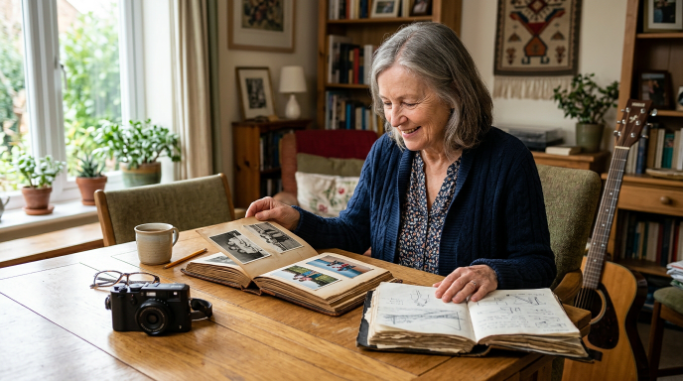
Look at activities you’ve enjoyed throughout your life, then identify what those activities had in common. You don’t always need a completely new interest.
Sometimes retirement gives you enough time to return to something you stopped years ago.
Look backward before looking forward
Think about what you enjoyed before work and family responsibilities consumed most of your schedule. Childhood interests can provide useful clues.
- Did you enjoy drawing or building things?
- Did you like sports or outdoor activities?
- Were books always nearby?
- Did you enjoy fixing mechanical objects?
- Were you the person organizing social events?
- Did you enjoy cooking for other people?
- Were music, animals, plants, or photography important to you?
You don’t need to recreate an old hobby exactly. Someone who once enjoyed competitive sports may now prefer walking, swimming, golf, or helping with a local sports club.
Choose a hobby that suits your temperament
An outgoing person may lose interest in a hobby that keeps them alone every afternoon. Someone who values solitude may find a busy weekly club draining.
Neither style is better. The goal is compatibility.
- Independent: Reading, gardening, woodworking, puzzles, photography, journaling.
- Social: Book clubs, volunteering, dancing, group exercise, choirs, card games.
- Competitive: Chess, golf, bowling, pickleball, trivia, strategy games.
- Curious: Languages, history, genealogy, technology, astronomy, courses.
- Creative: Painting, music, crafts, cooking, writing, photography.
How Much Time Should a Hobby Take?
A hobby should fit the life you already have. You don’t need several free hours every day to enjoy one.
Some of the easiest hobbies work well in sessions of 10 to 30 minutes.
Consider both session length and frequency
A hobby that requires a full afternoon may work once a week. Another activity may feel better in several short sessions.
- 10–20 minutes: Journaling, stretching, sketching, language practice, birdwatching.
- 20–45 minutes: Reading, puzzles, gardening, instrument practice, crafts.
- 45–90 minutes: Photography walks, painting, classes, group games, cooking projects.
- Two hours or more: Golf, volunteering shifts, woodworking projects, day trips, club meetings.
Also count setup, cleanup, and travel time. A one-hour class can easily become a two-hour commitment when transportation is included.
Leave room for flexibility
Energy can change from day to day, especially in later life. A flexible hobby is easier to maintain when you can shorten, pause, or modify a session.
I favor hobbies that still feel worthwhile on a low-energy day. Reading ten pages or tending two plant pots can still provide satisfaction.
How Much Should I Spend on a New Hobby?
Spend as little as possible until you know you enjoy the activity. Expensive equipment doesn’t create interest.
The first goal is simply to test whether you want to return for another session.
Calculate the full cost
Starter equipment is only one expense. Some hobbies create regular costs that aren’t obvious at first.
- Equipment and tools
- Consumable supplies
- Lessons or classes
- Club membership
- Transportation
- Maintenance and repairs
- Storage
- Replacement equipment
A smartphone photography hobby may cost almost nothing at first. Serious photography can become expensive once cameras, lenses, editing software, printing, and travel enter the picture.
Use a beginner budget
Give yourself a small trial budget rather than buying the best equipment immediately. Borrowing, renting, buying used, or attending a single class can reduce risk.
- Borrow a library book before buying a course.
- Rent equipment before purchasing it.
- Buy a small craft kit instead of a complete collection.
- Use your phone before buying a dedicated camera.
- Attend one group session before paying annual dues.
If you still look forward to the hobby after several sessions, investing more becomes easier to justify.
How Should Physical Ability Affect My Hobby Choice?
Your hobby should challenge you appropriately without creating unnecessary discomfort or risk. Consider mobility, balance, stamina, vision, hearing, hand strength, and any movements the activity requires.
Physical limitations don’t automatically rule out an interest. Many hobbies can be adapted.
Look at the actual movements involved
Gardening can mean kneeling in a large yard, but it can also mean tending herbs in raised containers. Photography can involve long hikes or taking pictures from a park bench.
Think about the specific version of the hobby you plan to do.
- Reduced standing tolerance: Try seated gardening, painting, crafts, cards, or music.
- Limited hand strength: Look for larger grips, lightweight tools, stands, or voice-controlled options.
- Vision changes: Consider large-print materials, magnification, audiobooks, or high-contrast supplies.
- Hearing changes: Smaller groups, captioned online classes, or visual hobbies may feel easier.
- Balance concerns: Choose stable environments and avoid activities that depend heavily on uneven surfaces.
For physically active hobbies, review the CDC’s guidance for older adults and choose an activity appropriate for your abilities.
Health note: If you have medical conditions, significant mobility limitations, frequent dizziness, balance problems, or recent surgery, discuss a new physically demanding activity with your healthcare professional.
Should I Choose a Social or Solo Hobby?
Choose based on the amount of interaction you want more of, not simply the amount you already have. Retirement can change daily social routines dramatically.
A hobby can become an easy way to create regular contact without forcing conversation.
Social hobbies create repeated contact
Shared activities make conversation easier because everyone already has a common topic. You don’t need to walk into a room and invent something to discuss.
- Walking groups
- Book clubs
- Card and board-game groups
- Volunteer programs
- Community gardens
- Choirs
- Dance classes
- Craft groups
- Local history clubs
The CDC’s social connection resources provide useful background for older adults who want to build more connection into daily life.
Solo hobbies have advantages too
Not every hobby needs a social purpose. Quiet interests can provide rest, focus, creativity, and independence.
A balanced approach often works well. You might keep gardening as a private hobby while attending one monthly club or class.
How Can I Compare Different Hobby Ideas?
Compare hobbies using the same criteria instead of choosing whichever idea sounds most exciting today. A simple table can expose practical differences quickly.
The times below are suggested beginner trials, not requirements.
| Hobby | First Trial | Physical Demand | Social Level | Equipment Needed |
|---|---|---|---|---|
| Reading | 20 minutes | Low | Low or moderate | Book, e-reader, or audiobook |
| Container gardening | 20–30 minutes | Low to moderate | Low | Pot, soil, plant, hand tool |
| Photography | 30-minute walk | Low to moderate | Low or moderate | Smartphone or camera |
| Watercolor painting | 30 minutes | Low | Low or moderate | Paint, brushes, paper |
| Walking group | 15–30 minutes | Moderate | High | Comfortable footwear |
| Volunteering | One short shift | Varies | High | Usually minimal |
| Learning an instrument | 15 minutes | Low | Low or moderate | Instrument or rental |
Use a five-point score
Give each hobby one point for every statement that feels true. The highest score deserves the first trial.
- I feel genuinely curious about it.
- I can afford to start without financial stress.
- It fits my current schedule.
- I can do it comfortably and safely.
- I can imagine wanting to do it again next month.
Don’t worry if two hobbies tie. Testing both is more useful than trying to predict your favorite from a list.
How Do I Test a Hobby Before Committing?
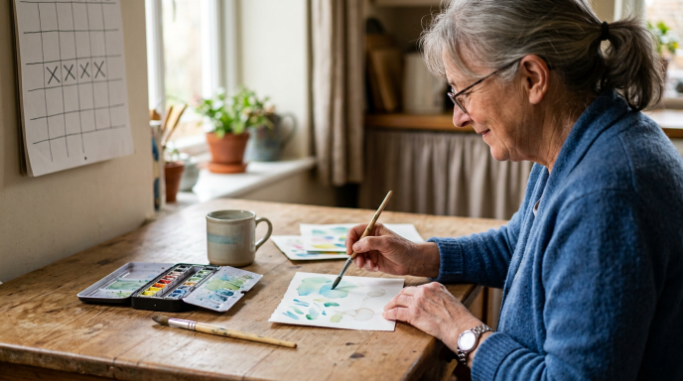
Run a short, low-cost trial. Two weeks is usually enough to learn whether an activity deserves more attention.
Use the two-week hobby test
- Choose one simple version. Avoid advanced equipment or complicated projects.
- Schedule three sessions. Put them on your calendar instead of waiting for motivation.
- Keep each session manageable. Twenty to 45 minutes is enough for many beginner hobbies.
- Notice how you feel afterward. Ask whether you feel interested, relaxed, energized, or eager to improve.
- Decide after the third session. Continue, modify, pause, or replace the hobby without guilt.
One disappointing first session doesn’t always mean the hobby is wrong. Beginners often spend that session figuring out supplies, instructions, or basic technique.
Watch for the right signals
A promising hobby creates some desire to return. You don’t need immediate talent.
- You think about the activity between sessions.
- You enjoy learning small improvements.
- The time passes comfortably.
- Setup doesn’t feel like a major burden.
- The expense feels reasonable.
- You finish feeling satisfied more often than frustrated.
If you’re using hobbies partly to increase connection, the National Institute on Aging also offers practical ideas for staying connected.
The most important rule is simple: quitting one hobby isn’t failure. It gives you information that helps you choose the next one more wisely.
Frequently Asked Questions
What is the most important factor when choosing a hobby?
Genuine interest is the best starting point. A hobby also needs to fit your time, budget, physical comfort, environment, and preferred amount of social interaction if you want to keep doing it.
How do I find a hobby when nothing interests me?
Start with experiences rather than hobby names. Try one creative activity, one physical activity, and one social activity, then notice which experience leaves you wanting another session.
Is it too late to start a new hobby after retirement?
No. Many hobbies have beginner versions that can be started at almost any age, including painting, photography, gardening, music, genealogy, birdwatching, writing, volunteering, and community classes.
How many hobbies should a retired person have?
There is no ideal number. One satisfying hobby may be enough, while another person may prefer separate activities for movement, creativity, learning, and social connection.
Should I choose a productive hobby or a relaxing hobby?
Choose according to what you want from your free time. A productive hobby can provide accomplishment, while a relaxing hobby can provide quiet and enjoyment; many activities offer both.
What if my hobby becomes too expensive?
Scale it back before abandoning it. Borrow equipment, buy used supplies, choose smaller projects, use free community resources, or switch to a less expensive version of the same interest.
What are good hobbies for someone with limited mobility?
Reading, audiobooks, writing, genealogy, puzzles, music, painting, seated crafts, photography, container gardening, online learning, and some volunteer roles can be adapted for limited mobility. Choose equipment and positioning that match your individual needs.
Final Takeaway: Choose Curiosity Before Commitment
When choosing a hobby, don’t search for the activity that looks most impressive. Search for one that fits your interests, abilities, budget, schedule, and desired level of interaction.
Start cheaply. Keep the first session short.
Then give the activity enough time to become familiar before judging it. Being a beginner can feel awkward, but you don’t need talent to enjoy learning.
If you’re comparing several ideas, choose the easiest one to test this week. A small experiment will teach you more about the right hobby than another hour of searching for the perfect answer.