
Caregiver Burnout Symptoms 2026 Signs You Should Know

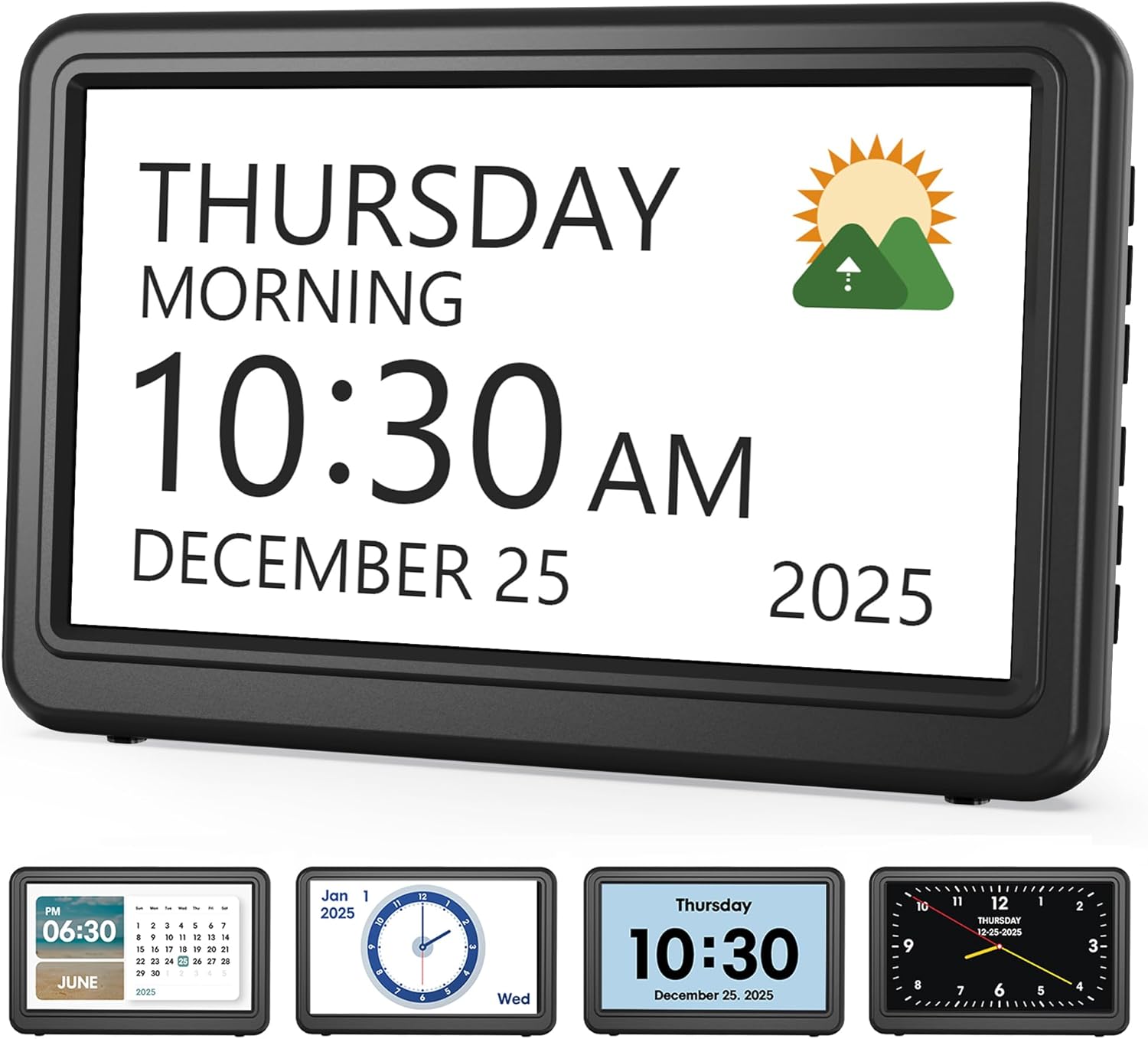
Medication Reminder Alarm

Arthritis Gloves

Medical Alert System
Caregiver burnout symptoms 2026 often include exhaustion, sleep problems, irritability, guilt, withdrawal, and more mistakes with daily care. If these signs are affecting your health or safety, talk to your doctor and ask for support sooner rather than later.
Caregiving can be deeply meaningful, but it can also wear a person down in quiet ways. If you are seeing caregiver burnout symptoms 2026, it may be time to slow down and look at what your body, mood, and daily routine are telling you.
This article explains what burnout often looks like, why it is becoming more common for family caregivers, and what kinds of support may help. If you are unsure whether your stress has crossed the line into burnout, talk to your doctor or another healthcare provider for guidance.
- Physical signs: Fatigue, headaches, poor sleep, and frequent illness are common warning signs.
- Emotional signs: Irritability, guilt, anxiety, numbness, and sadness can signal burnout.
- Safety concerns: Missed medications, skipped meals, and growing mistakes need attention.
- Support matters: Family help, community services, and paid care can reduce the load.
- Act early: Talk to your doctor if stress is affecting your health or daily functioning.
What Caregiver Burnout Symptoms 2026 Really Look Like in Daily Life
Burnout is more than having a hard week. It is the kind of stress that builds over time until ordinary tasks start feeling heavy, confusing, or impossible. Many caregivers notice the signs first in their body, then in their emotions, and finally in how they act around others.
Physical warning signs: exhaustion, headaches, sleep disruption, and frequent illness
One of the earliest signs is deep tiredness that does not improve with rest. You may wake up feeling drained, struggle to get through the day, or feel like your energy never fully returns.
Headaches, stomach upset, tense shoulders, and trouble sleeping are also common. Some caregivers fall asleep easily but wake up often, while others lie awake worrying about the next day.
When stress stays high for too long, the body can become more vulnerable to colds or other illnesses. If you are getting sick often, or if sleep problems are lasting more than a few days, talk to your doctor.
Emotional warning signs: irritability, numbness, guilt, anxiety, and sadness
Burnout can change how you feel from one day to the next. Small problems may trigger irritability, and you may find yourself snapping at people you normally care about.
Some caregivers feel emotionally flat or numb, as if they are going through the motions without much feeling at all. Others carry a heavy sense of guilt, worrying they are not doing enough even when they are already stretched thin.
Anxiety and sadness can also rise. If you feel persistently overwhelmed, hopeless, or unable to enjoy anything, it is a good idea to consult a healthcare provider or therapist.
Behavior changes: withdrawal, missed tasks, resentment, and reduced patience
Burnout often shows up in behavior before a person realizes what is happening. You may pull away from friends, stop returning calls, or avoid tasks you used to handle without much trouble.
Resentment is another common sign. You may feel angry that no one else notices how much you are doing, or you may feel resentful toward the person you are helping, even if you love them.
Patience can also shrink. Repeating the same instructions, answering the same question, or managing a difficult moment may feel much harder than before.
Why Caregiver Burnout Is Rising in 2026 for Family Caregivers
There are many reasons burnout is showing up more often in 2026. In many families, caregiving now lasts longer, involves more medical needs, and depends on fewer backup helpers than people expected.
More seniors aging at home and longer care timelines
Many older adults want to remain at home as long as possible, which is understandable. But aging at home often shifts more daily responsibility onto family members, especially when a loved one needs help for months or years instead of a short recovery period.
Longer timelines can be emotionally draining because caregivers rarely get a true break. Even a task that starts as “just helping out” can slowly become a full-time role.
Higher medical complexity, dementia care demands, and fewer support hours
Today’s family caregivers often manage more than meals and rides. They may be helping with medications, mobility, memory loss, safety concerns, and follow-up visits that require careful attention.
Dementia care can be especially demanding because confusion, repetition, and behavior changes may happen every day. If the person you care for resists help or cannot remember instructions, the stress can rise quickly.
At the same time, many families have fewer formal support hours than they need. That gap can leave one person carrying too much for too long.
Digital overload: managing meds, appointments, portals, and emergency alerts
Caregiving in 2026 often includes a lot of screen time. Families may need to track medication lists, scheduling apps, patient portals, refill messages, and urgent alerts from phones or monitoring devices.
That constant digital attention can be tiring, especially for caregivers who are already older themselves or not comfortable with technology. It adds another layer of mental work to an already heavy job.
Caregiver stress often builds gradually, so people may not notice burnout until they are already exhausted or making mistakes.
Common Situations That Trigger Burnout in Elderly Care
Burnout does not come from one bad day. It usually grows from repeated pressure, little rest, and too few chances to recover.
Round-the-clock supervision without backup
When a loved one needs supervision day and night, the caregiver may feel unable to relax at all. Even a short outing can feel risky if there is no one else to step in.
This kind of constant alertness is draining. Over time, it can affect concentration, mood, and physical health.
Balancing caregiving with work, parenting, or finances
Many family caregivers are also working, raising children, or managing tight budgets. That means caregiving is only one part of a crowded life.
When there is no room left in the schedule, even simple errands can feel overwhelming. Financial strain can make the situation harder, especially if paid help is needed but not easy to afford.
Managing resistance, confusion, or repeated questions from a loved one
It can be emotionally tiring when a loved one refuses help, forgets what was said, or asks the same question many times. These moments are common in dementia care, but they still take patience.
What feels small to others can feel enormous after the tenth repetition. That is one reason caregiver burnout symptoms 2026 often show up as irritability or emotional numbness.
Practical example: when “just helping out” becomes full-time responsibility
At first, you may be driving to appointments, picking up groceries, or checking in after work. Then the needs increase: medication reminders, meal prep, bills, bathing support, and emergency calls.
Without a clear plan, the role can expand quietly. Many caregivers do not realize how much has changed until they feel trapped, resentful, or physically worn out.
Signs You Should Not Ignore: When Stress Becomes Burnout
Some stress is expected in caregiving. Burnout is different because it starts to affect safety, relationships, and your ability to function day to day.
When care tasks start feeling impossible or unsafe
If basic tasks feel too hard to complete, that is a serious warning sign. This may include trouble keeping track of medications, missing appointments, or feeling too overwhelmed to help with bathing or meals.
Burnout can also lead to unsafe shortcuts. If you are rushing, forgetting steps, or making decisions without enough focus, it is time to get support.
When mistakes increase: missed medications, skipped meals, or overlooked falls
A caregiver under too much strain may forget important details. Missed medications, skipped meals, or not noticing a fall or change in condition can put a senior at risk.
If mistakes are happening more often, do not blame yourself and move on. Pause and look at whether you need more help, a simpler routine, or a medical review of the care plan.
When relationships suffer: conflict with siblings, spouse, or the care recipient
Burnout can strain family ties. You may argue more with siblings about who should help, or feel tense with a spouse who does not fully understand the load you carry.
The relationship with the person receiving care can also become more difficult. If every conversation turns into frustration, the stress may be too high for you to manage alone.
When you stop caring for your own health and hygiene
One of the clearest signs of burnout is neglecting yourself. You may skip showers, eat poorly, delay your own doctor visits, or stop taking time for basic rest.
This is not laziness or failure. It is often a sign that your own needs have been pushed aside for too long.
If stress is affecting your sleep, appetite, blood pressure, mood, or memory, speak with your doctor. New or worsening symptoms should be checked, especially if you take medications or have heart, diabetes, or anxiety concerns.
Caregiver Burnout Mistakes That Make Symptoms Worse
Many caregivers try to push through burnout with determination alone. Unfortunately, a few common habits can make the problem worse instead of better.
Trying to do everything alone
Doing everything yourself may feel noble, but it usually leads to faster exhaustion. No one can provide safe, steady care forever without help.
Even small support, such as a weekly errand swap or one regular respite hour, can reduce pressure.
Ignoring early warning signs until a crisis happens
It is easy to ignore the first signs because you are busy and the person you care for needs you. But waiting until you are at a breaking point can lead to mistakes, illness, or an emergency.
Early action is usually simpler, less expensive, and less disruptive than crisis care.
Saying yes to every request without boundaries
Caregivers often say yes because they want to be kind and dependable. Over time, though, too many yeses can leave no space for rest, work, or your own medical needs.
Boundaries are not selfish. They are part of safe, sustainable care.
Confusing burnout with personal failure instead of a support problem
Burnout is not a sign that you are weak or uncaring. It usually means the care load is larger than one person can safely handle for long.
If you are struggling, the answer is usually more support, not more self-blame. That may include family help, community services, or professional guidance.
How to Compare Relief Options in 2026: Low-Cost to Higher-Cost Support
Relief does not always mean hiring full-time help. In many cases, the best solution is a mix of informal support, community resources, and paid services.
Informal support: family rotation, neighbor help, and meal sharing
Start by asking who can help in practical ways. One person may drive to appointments, another may bring meals, and a neighbor may sit with your loved one for an hour.
This kind of support is often the least expensive, but it may not be reliable enough for every situation. Clear communication matters so everyone knows what they can and cannot do.
Community resources: respite care, adult day programs, and senior centers
Community programs can give caregivers a much-needed break. Respite care offers temporary relief, while adult day programs may provide supervision and activities during the day.
Senior centers can also be helpful for social connection and structured time away from home. Availability varies by location, and some services may have waiting lists or eligibility rules.
Paid help: home care aides, companion care, and short-term respite services
Paid support can fill gaps when family help is not enough. A home care aide may assist with personal care, while companion care may focus more on supervision, conversation, and light help around the home.
Short-term respite services can be especially useful during recovery, travel, or a caregiver emergency. Before hiring anyone, ask about training, references, scheduling, and what tasks are included.
What to weigh: cost, reliability, availability, and level of care needed
Choosing support is not only about price. You also need to think about whether the help is dependable, whether it is available when you need it, and whether it matches the person’s care needs.
For health-related services, ask your doctor, pharmacist, or insurer what may be covered. Medicare and private insurance rules vary, so do not assume a service is included until you confirm it.
| Option | Best For | Note |
|---|---|---|
| Family rotation | Shared basic support | Low cost, but needs cooperation |
| Adult day program | Daytime supervision and activities | Availability and coverage vary |
| Home care aide | Regular hands-on help | More costly, but flexible |
When to Seek Expert Help for Caregiver Burnout Symptoms 2026
Some caregiver stress can be managed with rest and better planning. Other times, professional help is the safest next step.
Warning signs that require immediate support or medical attention
Get urgent help if you feel unsafe, unable to cope, or unable to care for yourself or the person you support. Immediate attention is also important if there are thoughts of self-harm, severe confusion, chest pain, or a sudden health change.
If a loved one has fallen, has new weakness, trouble breathing, or a sudden change in alertness, seek medical care right away.
When to talk to a doctor, therapist, social worker, or geriatric care manager
A doctor can check whether stress is affecting your sleep, blood pressure, mood, or other health concerns. A therapist may help with anxiety, depression, grief, or coping skills.
Social workers and geriatric care managers can help you sort through services, safety concerns, and care planning. Their availability and fees vary, so ask what is offered in your area.
How to prepare for a support conversation and what information to bring
Before the appointment, write down your main symptoms, how long they have been going on, and what caregiving tasks are causing the most strain. Include any missed medications, sleep problems, or recent mistakes if they have happened.
Bring a list of medications, a summary of the person’s care needs, and questions about local resources. The more specific you are, the easier it is for a professional to suggest practical next steps.
If you can only make one change this week, choose one break, one boundary, or one request for help. Small changes are often easier to keep than a major overhaul.
Final Recap: Protecting Your Health While Caring for a Loved One
Caregiving can be loving and exhausting at the same time. The key is to notice the warning signs early, before stress turns into a health or safety problem.
Quick summary of the most important caregiver burnout symptoms
The biggest caregiver burnout symptoms 2026 often include constant exhaustion, headaches, sleep problems, irritability, guilt, withdrawal, and more mistakes in daily care. If those signs are showing up together, burnout is likely more than ordinary stress.
Key takeaways for prevention, boundaries, and early action
Do not try to carry the whole load alone if you can avoid it. Use family help, community programs, or paid support when needed, and set boundaries before you reach a crisis.
Encouragement to treat burnout as a serious, fixable care issue
Burnout is not a personal failure. It is a support problem that can often improve when the workload is reduced and the right help is added.
If you think you may be burning out, talk to your doctor or another healthcare professional soon. Getting help early can protect both your health and the quality of care you give.
Frequently Asked Questions
The earliest signs often include constant tiredness, poor sleep, headaches, irritability, and feeling emotionally drained. Some caregivers also begin withdrawing from friends or missing routine tasks.
Stress usually improves with rest or a short break, while burnout keeps building and starts affecting health, safety, and relationships. If daily care feels impossible or mistakes are increasing, it may be burnout.
Yes. Ongoing stress can affect sleep, appetite, headaches, blood pressure, and how often you get sick. If symptoms are lasting or getting worse, talk to your doctor.
Start by asking for help with one specific task and scheduling a break as soon as possible. It also helps to review your care plan and speak with a healthcare provider if your symptoms are affecting your health.
Yes. Family rotations, neighbor help, meal sharing, and community respite programs can lower the load without a major expense. Availability varies by location, so check local resources.
Seek help if you feel unsafe, depressed, overwhelmed, or unable to keep up with care tasks. A doctor, therapist, social worker, or geriatric care manager can help you plan next steps.