
Bureau of Senior Services Wv


Adult Coloring Book

Large Display Clock with Date

Sock Aid for Seniors
The Bureau of Senior Services WV is a vital state agency dedicated to enhancing the lives of West Virginia’s older residents through health, nutrition, caregiver support, and community programs. From meal delivery to legal assistance, it offers a lifeline for seniors and families navigating aging with dignity and independence.
Aging gracefully isn’t just about living longer—it’s about living well. For thousands of older adults across West Virginia, the Bureau of Senior Services WV plays a quiet but powerful role in making that possible. Whether it’s a warm meal delivered to a rural doorstep, help navigating Medicare, or a friendly check-in call from a volunteer, this state agency is dedicated to ensuring that seniors can age with dignity, independence, and connection.
You might not hear about it every day, but the Bureau of Senior Services WV touches lives in meaningful ways. It’s not a flashy organization, but its impact is deep and far-reaching. From the rolling hills of the Eastern Panhandle to the coalfields of the south, the Bureau works behind the scenes to support seniors and their families. It’s a lifeline for those who may be isolated, low-income, or facing health challenges.
What makes the Bureau unique is its community-centered approach. Instead of a one-size-fits-all model, it partners with local Area Agencies on Aging (AAA) to deliver services tailored to each region’s needs. This means help is never far away—whether you live in a bustling town like Charleston or a quiet community in Pocahontas County. The Bureau doesn’t just offer programs; it builds relationships, fosters trust, and empowers seniors to stay engaged in their communities.
Key Takeaways
- Comprehensive Support Network: The Bureau of Senior Services WV provides a wide range of programs including nutrition, transportation, in-home care, and caregiver assistance to help seniors live independently.
- Local Access Through AAA: Services are delivered through 10 regional Area Agencies on Aging (AAA), ensuring personalized, community-based support across all 55 counties.
- Free and Low-Cost Programs: Many services, such as Meals on Wheels and health screenings, are offered at no cost or on a sliding fee scale based on income.
- Advocacy and Education: The Bureau advocates for senior rights and offers educational workshops on topics like Medicare, fraud prevention, and healthy aging.
- Caregiver Support Services: Resources like respite care, support groups, and training are available to help family caregivers manage stress and provide better care.
- Emergency and Crisis Assistance: The Bureau connects seniors to emergency aid during natural disasters or personal crises, including utility assistance and temporary shelter.
- Eligibility Based on Age and Need: Most programs serve individuals aged 60 and older, with some services available to younger adults with disabilities or chronic conditions.
📑 Table of Contents
What Is the Bureau of Senior Services WV?
The Bureau of Senior Services WV is a division of the West Virginia Department of Health and Human Resources (WVDHHR). Established to address the growing needs of the state’s aging population, it serves as the central hub for senior-focused programs and services. Its mission is simple yet profound: to promote independence, dignity, and quality of life for older West Virginians.
At its core, the Bureau coordinates a statewide network of support that includes nutrition, health, transportation, caregiver assistance, and social engagement. It doesn’t operate programs directly but funds and oversees 10 regional Area Agencies on Aging (AAA), which deliver services locally. This decentralized model ensures that help is accessible no matter where you live in the state.
The Bureau was created in response to the Older Americans Act of 1965, a federal law designed to support older adults nationwide. West Virginia adopted the framework early and has since built one of the most responsive senior service systems in the region. Today, the Bureau serves over 150,000 seniors annually, making it one of the most active state agencies in the country on aging issues.
Mission and Vision
The Bureau’s mission is to “enhance the lives of older West Virginians by providing access to services that support independence, health, and well-being.” Its vision is a state where every senior can age in place with dignity, surrounded by community and support.
This mission is carried out through collaboration, innovation, and a deep respect for the wisdom and contributions of older adults. The Bureau believes that aging is not a burden but a natural part of life that should be honored and supported.
History and Evolution
The Bureau of Senior Services WV began in the 1970s as a small state office focused on nutrition and home care. Over the decades, it expanded in response to demographic shifts—West Virginia has one of the oldest populations in the nation, with nearly 20% of residents aged 65 and older.
Key milestones include the launch of the Meals on Wheels program in the 1980s, the creation of the Family Caregiver Support Program in the 1990s, and the integration of technology in the 2010s to improve service delivery. Today, the Bureau continues to evolve, incorporating telehealth, digital literacy training, and mental health support into its offerings.
Key Programs and Services Offered
Visual guide about Bureau of Senior Services Wv
Image source: g5-assets-cld-res.cloudinary.com
The Bureau of Senior Services WV offers a wide range of programs designed to meet the diverse needs of older adults. These services are grouped into several core areas, each addressing a critical aspect of aging well.
Nutrition Services
One of the most well-known programs is Meals on Wheels, which delivers hot, nutritious meals to homebound seniors. In 2023 alone, over 1.2 million meals were delivered across the state. These meals are more than just food—they’re a daily check-in, a moment of human connection, and a vital source of nutrition for those who can’t cook or shop for themselves.
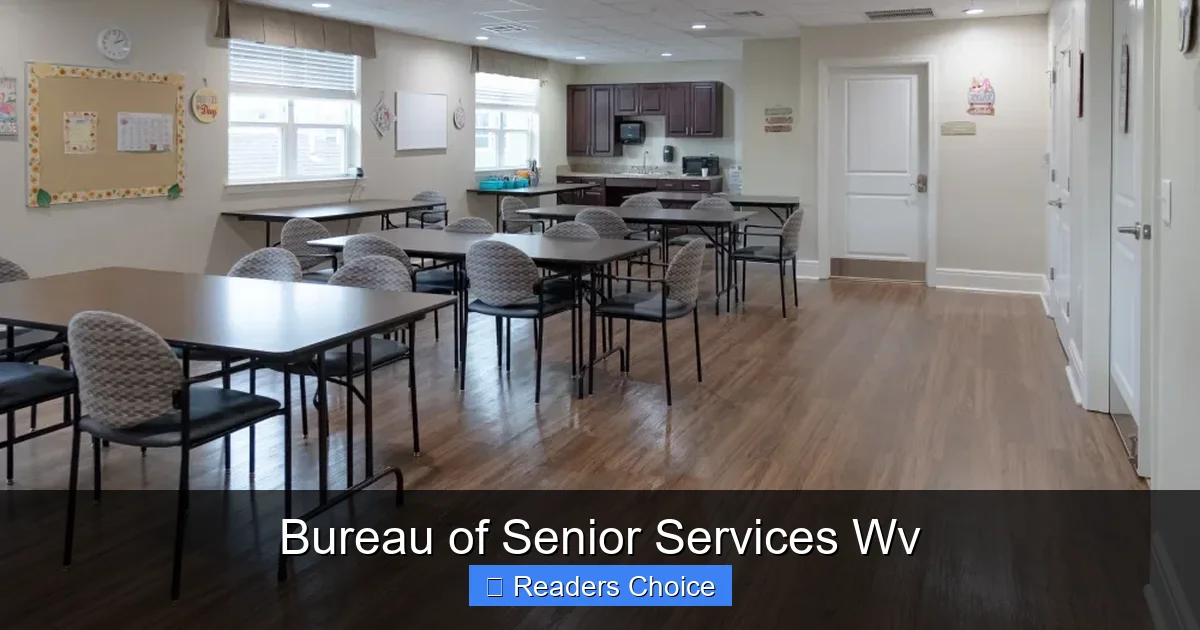
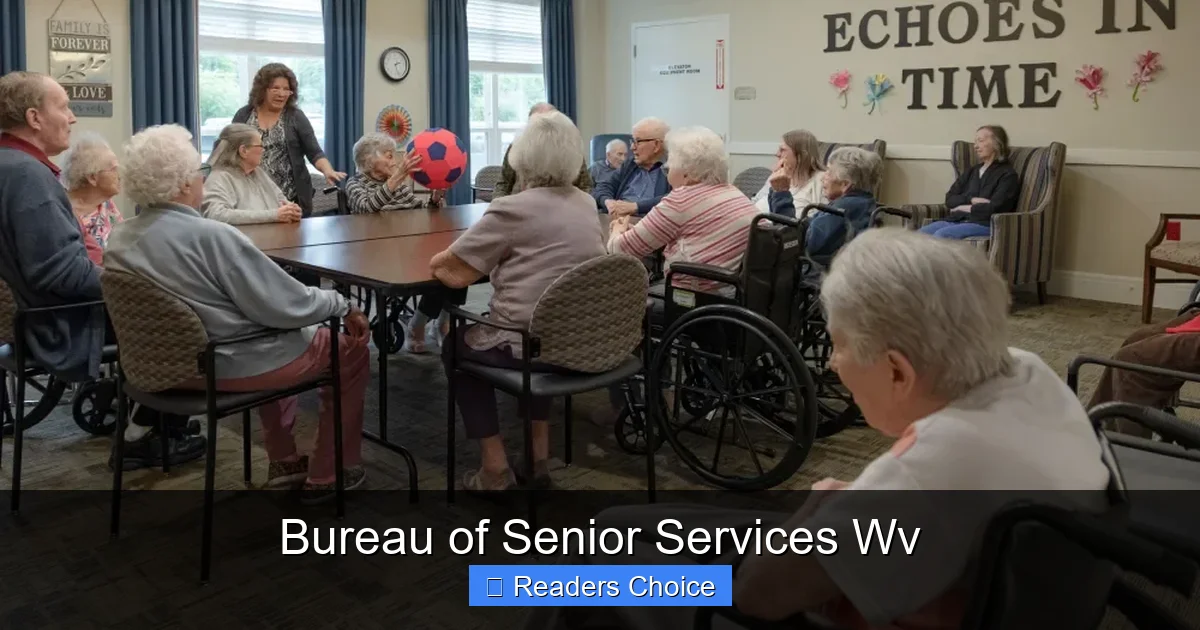
In addition to home-delivered meals, the Bureau supports congregate meal sites at senior centers, churches, and community halls. These sites offer not only meals but also social activities, games, and health screenings. For example, the Senior Center in Morgantown hosts a weekly lunch followed by bingo and a guest speaker on topics like fall prevention or heart health.
Eligibility is typically based on age (60+) and need. Meals are often free or available on a sliding scale. Transportation to meal sites may also be provided.
In-Home and Personal Care
Many seniors want to stay in their homes as they age, and the Bureau helps make that possible. Through the Home and Community-Based Services (HCBS) program, eligible individuals can receive assistance with daily tasks like bathing, dressing, meal preparation, and light housekeeping.
These services are provided by trained aides and are often covered by Medicaid or state funding. For example, a senior in Beckley with arthritis might receive help getting dressed each morning and preparing dinner, allowing them to remain independent and safe at home.
The Bureau also offers homemaker services, chore assistance, and personal emergency response systems (PERS) for added safety.
Transportation Assistance
Getting around can be a major challenge for older adults, especially in rural areas with limited public transit. The Bureau funds transportation programs that provide rides to medical appointments, grocery stores, and senior centers.
In counties like Randolph and Greenbrier, volunteer drivers use their own vehicles to transport seniors. In larger areas like Huntington, the AAA partners with local transit agencies to offer discounted or free rides. Some programs even provide gas vouchers or mileage reimbursement for family caregivers.
Health and Wellness Programs
Staying healthy is key to aging well, and the Bureau supports a variety of wellness initiatives. These include chronic disease management workshops, fall prevention classes, and mental health support groups.
For instance, the “Step Up to Better Health” program teaches seniors how to manage conditions like diabetes and high blood pressure through diet, exercise, and medication adherence. Classes are held at local senior centers and are often led by nurses or certified health educators.
The Bureau also partners with organizations like the Alzheimer’s Association to offer dementia education and caregiver training.
Legal and Financial Assistance
Navigating legal and financial issues can be overwhelming for seniors. The Bureau provides access to free or low-cost legal aid through partnerships with legal clinics and nonprofit organizations.
Services include help with wills, power of attorney, Medicare appeals, and protection from financial exploitation. In 2022, the Bureau helped over 3,000 seniors resolve legal issues, including cases of elder abuse and housing disputes.
Caregiver Support
Family caregivers are the backbone of senior care, and the Bureau recognizes their vital role. The Family Caregiver Support Program offers respite care, counseling, training, and support groups.
For example, a daughter caring for her mother with dementia might receive a few hours of respite each week, allowing her to rest or run errands. She could also attend a monthly support group to share experiences and learn coping strategies.
The Bureau also provides caregiver stipends in some cases and helps connect families to community resources.
How to Access Services: A Step-by-Step Guide
Visual guide about Bureau of Senior Services Wv
Image source: g5-assets-cld-res.cloudinary.com
Getting help from the Bureau of Senior Services WV is easier than you might think. The process is designed to be simple, respectful, and accessible—even for those with limited internet access.
Step 1: Contact Your Local Area Agency on Aging
The first step is to reach out to your regional AAA. There are 10 agencies covering all 55 counties. You can find your local AAA by visiting the WVDHHR website or calling the statewide senior helpline at 1-877-987-3646.
Each AAA has trained staff who can assess your needs and connect you to the right programs. They’ll ask about your health, living situation, income, and goals.
Step 2: Complete an Assessment
A care coordinator will conduct a free, confidential assessment. This might happen over the phone, in your home, or at a senior center. The goal is to understand your needs and create a personalized care plan.
For example, if you’re struggling with grocery shopping and meal prep, the coordinator might recommend Meals on Wheels and a homemaker service.
Step 3: Enroll in Programs
Once your needs are identified, you’ll be enrolled in the appropriate programs. There’s no waiting list for most services, and many begin within days.
You’ll receive information about how services work, who will provide them, and what to expect. For instance, if you sign up for Meals on Wheels, you’ll get a schedule, menu options, and contact information for your delivery driver.
Step 4: Stay Connected and Reassess
Your needs may change over time, so the Bureau encourages regular check-ins. Care coordinators will follow up every few months to see how you’re doing and adjust your plan if needed.
You can also call your AAA anytime to request new services or report concerns.
Eligibility and Funding
Visual guide about Bureau of Senior Services Wv
Image source: g5-assets-cld-res.cloudinary.com
Understanding who qualifies for services and how they’re funded can help you make informed decisions.
Who Is Eligible?
Most programs serve individuals aged 60 and older. Some services, like caregiver support, are also available to younger adults with disabilities or chronic illnesses.
Eligibility is often based on need, not income—though some programs use income guidelines. For example, Medicaid-funded home care requires financial eligibility, while Meals on Wheels is open to all seniors regardless of income.
How Is the Bureau Funded?
The Bureau receives funding from multiple sources:
- Federal Grants: Primarily from the Administration for Community Living (ACL) under the Older Americans Act.
- State Appropriations: Annual funding from the West Virginia Legislature.
- Local Contributions: Counties and municipalities often provide matching funds or in-kind support.
- Private Donations: Foundations, businesses, and individuals contribute to specific programs.
This diverse funding base allows the Bureau to maintain stability and expand services even during economic challenges.
Cost of Services
Many services are free. Others operate on a sliding fee scale based on income. For example, a senior earning $20,000 a year might pay $2 for a meal, while someone earning $40,000 might pay $5.
No one is denied services due to inability to pay. The Bureau believes that access to care should never be limited by financial status.
Success Stories: Real Lives Changed
Behind every program statistic is a real person whose life has been improved. Here are a few stories from across West Virginia.
Martha’s Story: Independence at 89
Martha, 89, lives alone in a small house in Fayette County. After a fall, she struggled to cook and clean. Her daughter, who lives two hours away, worried constantly.
Through her local AAA, Martha enrolled in Meals on Wheels and received weekly visits from a homemaker. She also joined a senior center lunch program, where she made new friends and started attending a walking group.
“I feel safer and less lonely,” Martha says. “I don’t have to choose between eating and paying bills.”
James and Linda: Caregivers Find Relief
James, 72, cares for his wife Linda, who has early-stage Alzheimer’s. The stress was overwhelming—until they found the Family Caregiver Support Program.
They now receive respite care twice a week, allowing James to attend his own medical appointments and socialize. Linda attends a memory café at the local senior center, where she enjoys music and crafts.
“It’s not just about the help,” James says. “It’s about knowing someone cares.”
Rural Resilience: A Lifeline in the Mountains
In rural Pendleton County, where roads are narrow and winters harsh, the Bureau’s transportation program is a lifeline. Seniors like Robert, 78, rely on volunteer drivers to reach doctors in Moorefield or Harrisonburg.
“Without this, I’d have to skip appointments,” Robert says. “Now I can stay healthy and stay home.”
Challenges and Future Directions
While the Bureau of Senior Services WV does incredible work, it faces ongoing challenges. Rural access, workforce shortages, and rising demand are constant pressures.
Rural Access and Transportation
Many seniors live in remote areas with limited services. The Bureau is working to expand telehealth options and mobile clinics to reach these communities.
For example, a new pilot program in the Eastern Panhandle uses video calls to connect seniors with mental health counselors.
Workforce Shortages
There’s a growing need for home health aides, drivers, and care coordinators. The Bureau is partnering with community colleges to train and certify workers, offering scholarships and job placement assistance.
Technology and Digital Inclusion
As services go digital, some seniors are left behind. The Bureau offers free tech training at senior centers, teaching skills like using email, video calling, and online banking.
In 2023, over 1,500 seniors completed digital literacy courses, helping them stay connected and access services online.
Looking Ahead
The Bureau is focused on innovation, equity, and sustainability. Plans include expanding mental health services, increasing caregiver stipends, and launching a statewide senior wellness campaign.
With West Virginia’s population aging rapidly, the Bureau’s role will only grow in importance.
How You Can Help or Get Involved
Supporting the Bureau of Senior Services WV doesn’t require a large donation or full-time commitment. There are many ways to make a difference.
Volunteer
Volunteers are the heart of many programs. You can deliver meals, drive seniors to appointments, or lead activities at a senior center. Most AAA offices welcome volunteers of all ages.
Donate
Financial contributions help fund meals, transportation, and caregiver support. Even $20 can provide a week of meals for a senior.
Advocate
Contact your state legislators to support funding for senior services. Share stories about how the Bureau has helped you or a loved one.
Spread the Word
Many seniors don’t know these services exist. Talk to your neighbors, post on social media, or host an information session at your church or community center.
Conclusion
The Bureau of Senior Services WV is more than a government agency—it’s a promise. A promise that no senior will be left behind, that dignity will be preserved, and that aging can be a time of connection, purpose, and joy.
From a warm meal to a helping hand, from a ride to the doctor to a listening ear, the Bureau touches lives in ways that matter. It’s not flashy, but it’s essential. And for thousands of West Virginians, it’s the reason they can age in place, on their own terms.
If you or a loved one is over 60, don’t wait to reach out. Call your local Area Agency on Aging today. You’ll find a team ready to help, a community ready to welcome you, and a future full of possibility.
Aging well isn’t just about living longer—it’s about living better. And with the Bureau of Senior Services WV by your side, that future is within reach.
Frequently Asked Questions
Who is eligible for services from the Bureau of Senior Services WV?
Most programs serve individuals aged 60 and older, though some services are available to younger adults with disabilities or chronic conditions. Eligibility is often based on need, not income, and no one is denied help due to inability to pay.
How do I find my local Area Agency on Aging?
You can find your regional AAA by visiting the West Virginia Department of Health and Human Resources website or calling the statewide senior helpline at 1-877-987-3646. Each of the 10 agencies covers multiple counties.
Are services from the Bureau free?
Many services, like Meals on Wheels and health screenings, are free. Others use a sliding fee scale based on income. No one is turned away because they can’t pay.
Can family caregivers get support?
Yes, the Family Caregiver Support Program offers respite care, counseling, training, and support groups. Caregivers can also access resources to help manage stress and improve care quality.
What if I live in a rural area with limited services?
The Bureau works through local AAAs to deliver services even in remote areas. Programs like volunteer drivers, telehealth, and mobile clinics help bridge the gap in rural communities.
How is the Bureau funded?
The Bureau receives funding from federal grants (mainly the Older Americans Act), state appropriations, local contributions, and private donations. This mix ensures stable, sustainable support for seniors.