
Blueair vs Honeywell Air Purifier for Seniors: Which Wins?


Sudoku Puzzle Book

Sock Aid for Seniors

Motion Sensor Night Lights
Blueair vs Honeywell air purifier for seniors is a useful comparison for anyone who wants cleaner indoor air without a difficult machine. Both brands offer strong air purifiers, but their designs suit different needs.
For this comparison, we look at the Blueair Blue Pure 211i Max and Honeywell HPA5300. These large-room models show the main differences in weight, controls, filtration, noise, maintenance, and value.

Quick Comparison
Blueair is the better choice for many seniors who want a lighter purifier, quiet operation, strong airflow, and smart controls. The 211i Max weighs 16.2 lb and offers Auto and Night modes. It can also connect to the Blueair app.
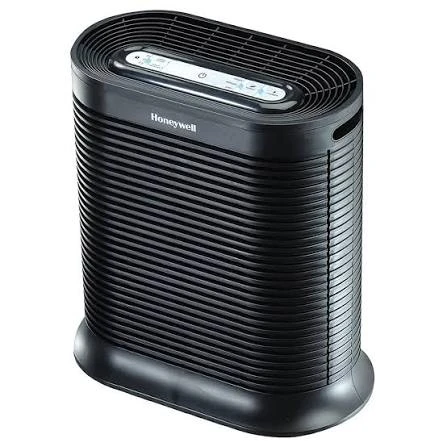
Honeywell is a better fit for seniors who prefer a large built-in display and simple controls on the machine. The HPA5300 weighs 27 lb, so it is less convenient to move.
Blueair vs Honeywell At a Glance
The main differences are easy to see in this table.
| Feature | Blueair 211i Max | Honeywell HPA5300 |
|---|---|---|
| Room rating | 674 sq. ft. | 500 sq. ft. |
| Weight | 16.2 lb | 27 lb |
| Filtration | HEPASilent + carbon | True HEPA + carbon |
| Controls | Buttons + app | Touch panel |
| Auto mode | Yes | Yes |
| Air-quality sensor | PM1, PM2.5, PM10 | VOC sensor |
| Main filter timing | Up to 9 months | About 12 months |
| Warranty | 1 year, up to 3 years after registration | 5 years |
Blueair lists the 211i Max at $349.99, while Honeywell lists the HPA5300B at $319.95. Prices can change.
Blueair Blue Pure 211i Max for Seniors
The Blue Pure 211i Max is designed for large rooms and open spaces. Blueair rates it for 674 sq. ft. at 4.8 air changes per hour.
Ease of Use
The 211i Max has four fan speeds, Auto, and Night mode. It also has automatic fan adjustment and app control.
This can be helpful for a senior who wants the purifier to run with little daily input. The app is useful, but it is not required for basic operation.
Key Strengths
- Light 16.2-lb design
- Quiet low-speed operation
- Strong published CADR
- Auto and Night modes
- App and smart-home support
- Simple main-filter setup
Potential Drawbacks
- Smart features add setup steps
- The unit is still fairly large
- Some users may prefer a larger physical display
Honeywell HPA5300 Review for Seniors
The HPA5300 uses True HEPA filtration and a carbon pre-filter. Honeywell rates it for a 500 sq. ft. room at up to 4.8 air changes per hour.
Ease of Use
Honeywell’s InSight display is a major advantage. It shows air-quality information and cleaning settings on the machine. The purifier also has four cleaning levels, Auto mode, and a timer.
The main weakness is weight. At 27 lb, moving it between rooms can take more effort.
Key Strengths
- Large, clear display
- True HEPA filtration
- Auto cleaning mode
- Four cleaning levels
- Built-in air-quality feedback
- Five-year limited warranty
Potential Drawbacks
- Heavy 27-lb body
- More filter components
- Pre-filter needs more frequent replacement
Which Is Easier for Seniors to Use?
Blueair has the edge for seniors who may need to move the purifier. The 211i Max weighs 16.2 lb, compared with 27 lb for the Honeywell.
That difference matters if the purifier moves between a bedroom and living room. It matters less when the unit stays in one place.
Honeywell has the advantage for visibility. Its large display may be easier to read from across a room.
If the purifier stays in one room, Honeywell’s weight is less important. If it moves often, Blueair’s lighter design is a real advantage.
Performance Comparison
The published performance numbers favor Blueair in this model-to-model comparison.
Blueair lists CADR figures of 450 cfm for pollen, 452 cfm for dust, and 435 cfm for smoke. Honeywell lists 335 cfm for pollen, 335 cfm for dust, and 323 cfm for smoke.
| Performance Area | Blueair | Honeywell |
|---|---|---|
| Room rating | 674 sq. ft. | 500 sq. ft. |
| Smoke CADR | 435 cfm | 323 cfm |
| Dust CADR | 452 cfm | 335 cfm |
| Pollen CADR | 450 cfm | 335 cfm |
Based on these published figures, Blueair has the stronger airflow and CADR advantage. Actual results can vary with room layout, placement, and air conditions.
Comfort, Accessibility, and Senior-Friendly Design
Daily comfort depends on more than filtration. Weight, noise, controls, and maintenance also matter.
Blueair is lighter and has a low-speed noise rating of 23 dB. Honeywell offers a large display and physical touch controls.
For a senior with limited strength, Blueair may be easier to reposition. For someone who prefers a clear display and does not want to use a phone, Honeywell may be easier.
Features Comparison
Both models offer automatic operation, but their approach is different.
| Feature | Blueair | Honeywell |
|---|---|---|
| Auto mode | Yes | Yes |
| Air-quality sensing | PM1, PM2.5, PM10 | VOC sensor |
| App control | Yes | No |
| Night mode | Yes | No dedicated mode listed |
| Timer | App | 2, 4, 8 hours |
| Smart-home support | Alexa, Google Home | No |
| Built-in display | Air-quality readings | Large InSight display |
Blueair is the stronger choice for connected features. Honeywell is better for users who want the main information and controls on the purifier itself.
Price, Maintenance, and Long-Term Value
The cheaper purifier is not always the better value. Filter cost and replacement work matter too.
Blueair lists its standard 211i Max Particle + Carbon filter at $69.99 and says the main filter can last up to nine months.
Honeywell recommends replacing its HEPA filters about every 12 months and its pre-filter about every three months.
| Cost Factor | Blueair | Honeywell |
|---|---|---|
| Listed purifier price | $349.99 | $319.95 |
| Main filter timing | Up to 9 months | About 12 months |
| Pre-filter | Fabric pre-filter | About every 3 months |
| Warranty | Up to 3 years after registration | 5 years |
Honeywell has the lower listed price and longer warranty. Blueair offers a simpler filter setup and less frequent stated main-filter replacement.
Who Should Choose Blueair?
Choose Blueair if:
- Moving the purifier is important.
- Low noise matters.
- You want app control.
- Strong airflow is a priority.
- You want Auto and Night modes.
- You prefer a simpler main-filter setup.
Who Should Choose Honeywell?
Choose Honeywell if:
- The purifier will stay in one room.
- A large display matters.
- You prefer controls on the machine.
- You want a longer warranty.
- You like having a built-in timer.
- You prefer traditional True HEPA filtration.
Blueair vs Honeywell — Final Verdict
The best choice depends on how the purifier will be used.
Best for most seniors: Blueair Blue Pure 211i Max
Best for easy movement: Blueair
Best for built-in display: Honeywell HPA5300
Best for smart features: Blueair
Best for warranty: Honeywell
Best for published CADR: Blueair
Blueair is the better overall fit for seniors who value low weight, quiet use, smart control, and strong airflow. Honeywell is a better match for someone who wants a large display, physical controls, and a longer warranty.
Scoring Summary
These scores are editorial judgments based on the published features. They are not laboratory test scores.
| Category | Blueair | Honeywell |
|---|---|---|
| Ease of Use | 9/10 | 8.5/10 |
| Senior-Friendly Design | 9/10 | 8.5/10 |
| Performance | 9.5/10 | 8.5/10 |
| Maintenance | 9/10 | 8/10 |
| Value | 8.5/10 | 9/10 |
Blueair leads in weight and published CADR. Honeywell gains points for its display, warranty, and lower listed price.
How We Evaluate Products
We focus on features that can affect daily use for older adults. These include ease of use, physical effort, controls, noise, performance, maintenance, safety, and value.
The comparison uses current manufacturer information and product documentation. It does not claim hands-on testing.
Senior-Specific Buying Considerations
A few simple checks can prevent a poor fit.
Physical Effort
If the purifier must move often, weight matters. If it stays in one room, weight matters less.
Controls
Decide whether the user prefers physical controls, a touch panel, or a phone app.
Maintenance
Check how often filters need replacement and whether they are easy to remove.
Storage
Make sure there is enough open space around the purifier for proper airflow.
Setup
Smart features may take more setup. If simplicity matters most, basic controls may be better.
Common Buying Mistakes
Avoid these mistakes:
- Choosing by brand name alone
- Ignoring room size
- Buying a heavy unit that must be moved
- Forgetting filter costs
- Assuming an app is always easier
- Paying for features that will not be used
Safety
Place the purifier on a stable surface and keep its airflow openings clear.
Turn the unit off and unplug it before filter maintenance. Blueair gives this instruction in the 211i Max manual.
An air purifier is not a medical treatment. If indoor air quality is part of a medical concern, professional advice may be appropriate.
Conclusion: Blueair vs Honeywell Air Purifier for Seniors
Blueair and Honeywell both offer capable large-room air purifiers, but they suit different priorities. Blueair stands out for its lighter design, strong published CADR, quiet low-speed operation, and smart controls.
Honeywell is a better fit when a large display, built-in controls, and a long warranty matter more. For seniors, the best choice is the model that fits the room, feels simple to operate, and matches the user’s preferred level of maintenance.