
10 Best Smart Watches 2026: Top Picks for Every Budget

Bed Rail for Seniors
Orthopedic Pillow

Shiatsu Neck Massager
Smartwatches can track activity, monitor health data, display notifications, and run apps from your wrist. The best models also reduce the need to reach for your phone while offering useful tools for exercise, work, travel, and daily routines.
When choosing a smartwatch, we focus on compatibility, battery life, comfort, health features, and ease of use. The right smartwatch should work well with your phone, fit your routine, and provide useful features without creating extra hassle. We tested and researched the leading smartwatches for 2026 to find the models that offer the best balance of features, performance, and value.
Best Smart Watches 2026
We tested and compared the best smart watches for 2026 based on fitness features, battery life, comfort, phone compatibility, and value. Our list includes top options for everyday use, exercise, health tracking, and different budgets.
LODIMEKE IDW26 Smart Watch
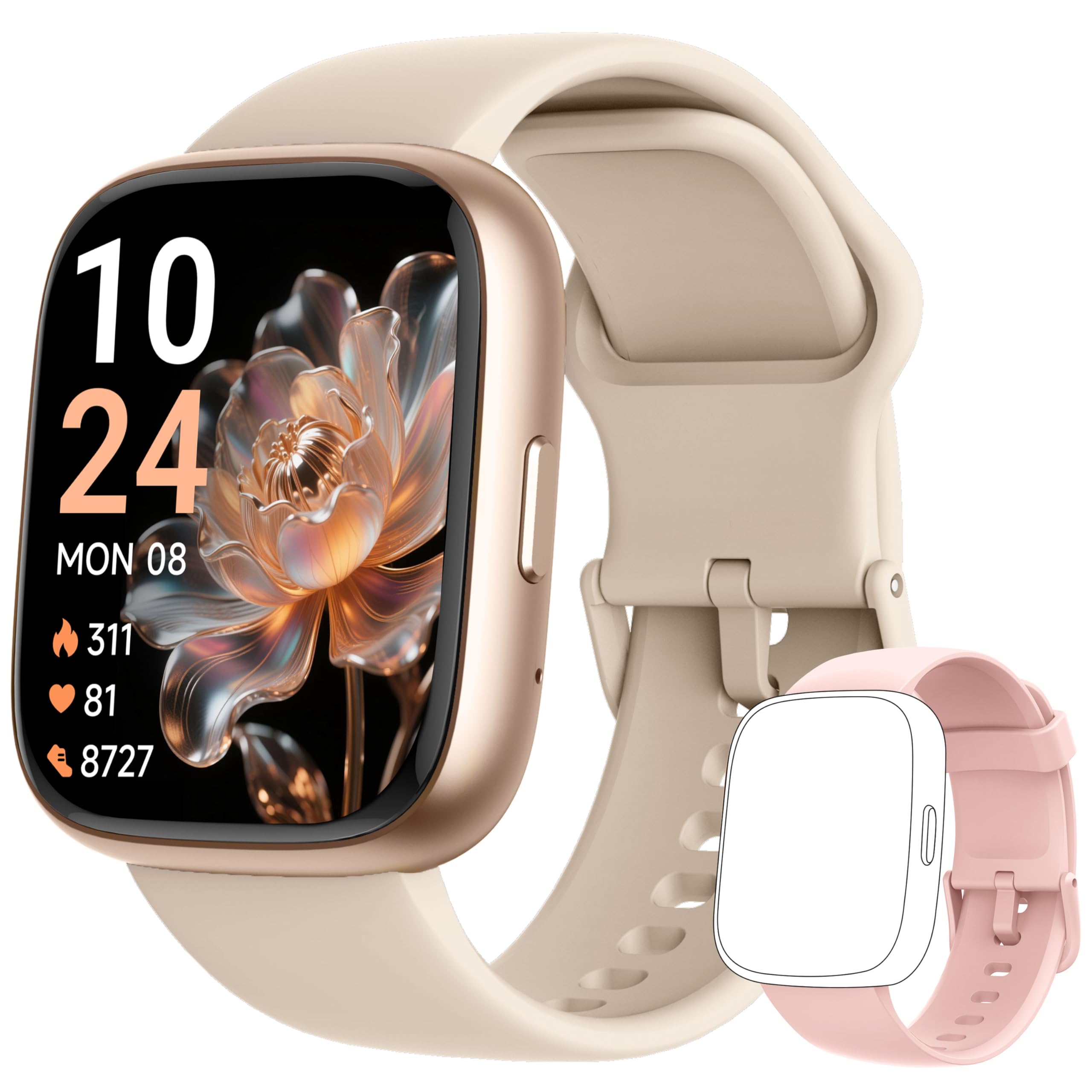
We recommend this affordable smartwatch for everyday fitness tracking, calls, and notifications, but not for users who need built-in GPS.
Pros
- Lightweight design with two straps
- Tracks health, sleep, and more than 110 activities
- Supports calls, Alexa, and useful phone tools
Cons
- Requires the VeryFit app for setup and calls
- No built-in GPS
- Alexa may not connect reliably for every user
The 1.83-inch screen feels roomy and stays easy to read during daily use. We also like the light 38-gram design, which remains comfortable for long wear. The included beige and pink straps make it simple to change the look.
Fitness tracking covers the basics well. We can monitor steps, distance, calories, heart rate, blood oxygen, stress, and sleep. The watch also includes many activity modes and can recognize some walking and running sessions automatically. These readings work best as general wellness information, not medical results.
Calls and message alerts add useful convenience when our phone is nearby. The watch can also control music, take photos remotely, show weather, set alarms, and help find a misplaced phone. Alexa adds voice controls, although some users may have trouble connecting it.
Battery life should last about a week with typical use. The IP68 rating suits rain, swimming, and workouts, but we should remove it for hot baths, saunas, or diving. Since it lacks GPS, runners and cyclists must keep their phone with them for route tracking.
FITFLEX EF23 Smart Watch
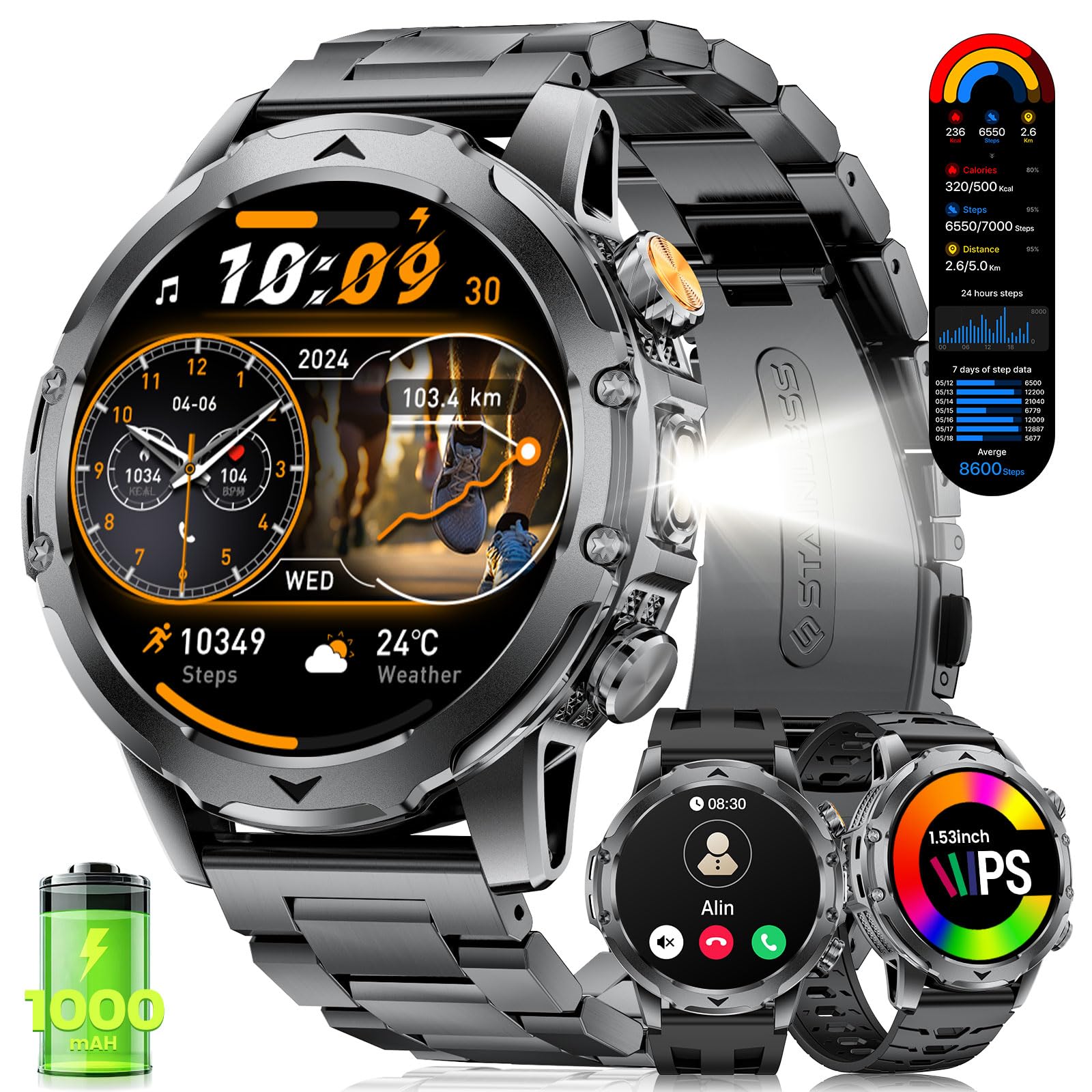
We recommend this watch for buyers who want a large display, phone calls, fitness tracking, and long battery life at a modest price.
Pros
- Large, clear screen with three interchangeable straps
- Built-in flashlight and Bluetooth calling
- Wide range of workout and daily-use tools
Cons
- Health readings are for general tracking, not medical use
- No built-in GPS; it uses a connected phone
- Some controls and app features may take time to learn
The 1.53-inch screen was easy for us to read while walking or checking notifications. Its metal-style case feels sturdy, while the included straps let us switch between a sportier and more formal look.
Bluetooth calling worked well for short conversations, and the speaker was loud enough in quiet places. Message alerts also arrived quickly, although we still needed our phone for full replies and detailed chats.
Battery life is a strong point. We could use the watch for several days between charges, but actual results will vary with calling, screen use, and tracking. The built-in flashlight helped us find items in dark spaces, though it cannot replace a brighter handheld light.
FITFLEX includes heart-rate, blood oxygen, sleep, step, and workout tracking. These features help us follow daily habits, but we would not use them to diagnose a health problem. The watch records more than 120 sports activities, yet its GPS depends on a connected smartphone.
The FitCloudPro app adds watch faces, alerts, music controls, weather, alarms, and phone-finding tools. We found the number of features useful, but new users may need some practice with the menus and setup. Its IP68 rating suits everyday water exposure, but we would avoid swimming or high-pressure water.
Garmin vívoactive 5

We recommend the Garmin vívoactive 5 for buyers who want strong health tracking, useful fitness tools, and battery life that does not require daily charging.
Pros
- Bright AMOLED screen with a comfortable, lightweight design
- Detailed sleep, stress, energy, and workout tracking
- Long battery life for regular smartwatch use
Cons
- Smart features feel simpler than those on an Apple Watch or Galaxy Watch
- Some health metrics provide estimates rather than medical readings
- The included silicone band may feel basic
The vívoactive 5 feels light on the wrist and suits both workouts and everyday wear. We found the display easy to read indoors, while the round design looks less sporty than many fitness watches.
Garmin’s health tools give us useful context instead of showing only raw numbers. Body Battery, sleep coaching, nap tracking, stress data, and recovery information helped us decide when to train and when to take it easier.
For exercise, the watch offers a wide range of built-in activities, GPS tracking, guided workouts, and adaptive Garmin Coach plans. We also value its wheelchair mode, which tracks pushes and includes related activities.
The watch works well for music playback, notifications, and contactless payments when paired with a compatible phone and service. However, its smart features remain more limited than those on watches built around apps and phone integration.
Battery life stands out during normal use. We could go several days between charges, which makes overnight sleep tracking more practical. The vívoactive 5 makes the strongest choice for people who prioritize fitness and wellness over advanced smartwatch functions.
Samsung Galaxy Watch8
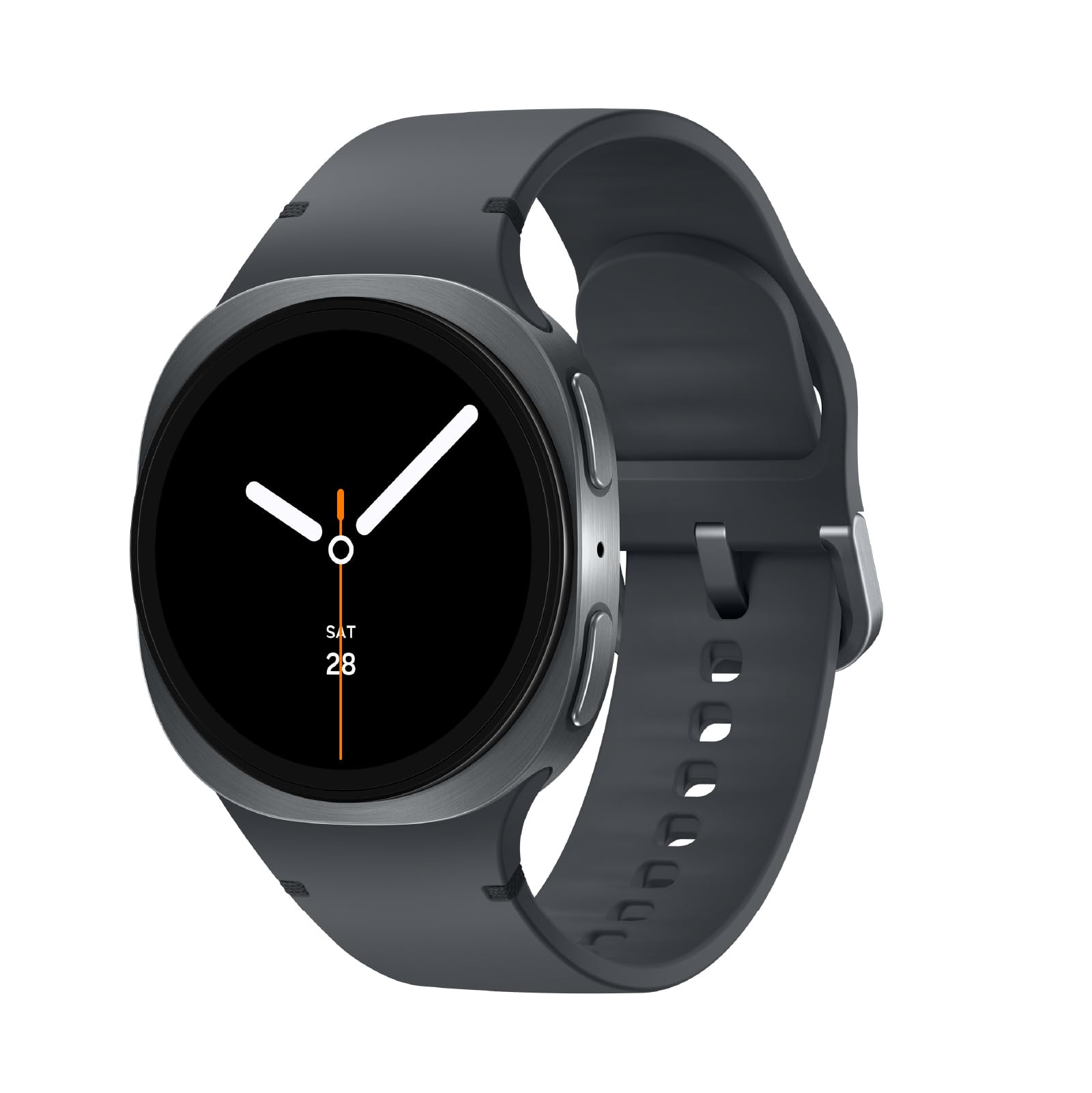
We recommend the Galaxy Watch8 for Android users who want strong sleep, fitness, and health tracking in a light, comfortable design.
Pros
- Comfortable, slim fit for all-day wear
- Useful sleep and running guidance
- Clear display with a simple interface
Cons
- Some features work best with Samsung phones
- Blood pressure tracking needs a separate cuff for calibration
- Battery life still depends on usage
The Galaxy Watch8 feels light on the wrist, making it easy for us to wear through work, workouts, and sleep. Its clean design fits casual clothing, while the sporty band handles daily activity without feeling bulky.
Sleep tracking stands out during regular use. The watch offers bedtime guidance, sleep coaching, and an Energy Score that combines recent sleep, activity, and heart-rate data. These tools give us useful trends, though they should not replace medical advice.
For exercise, the built-in GPS and Running Coach provide helpful feedback during outdoor runs. We also found the screen easy to read at a glance, and the updated interface makes notifications, weather, and fitness information easier to find.
Samsung phone owners get the best experience because some health and Galaxy AI features require a compatible Samsung device and account. The watch also works with other Android phones, but certain tools may not be available.
QONBINK TG38-Z Smart Watch
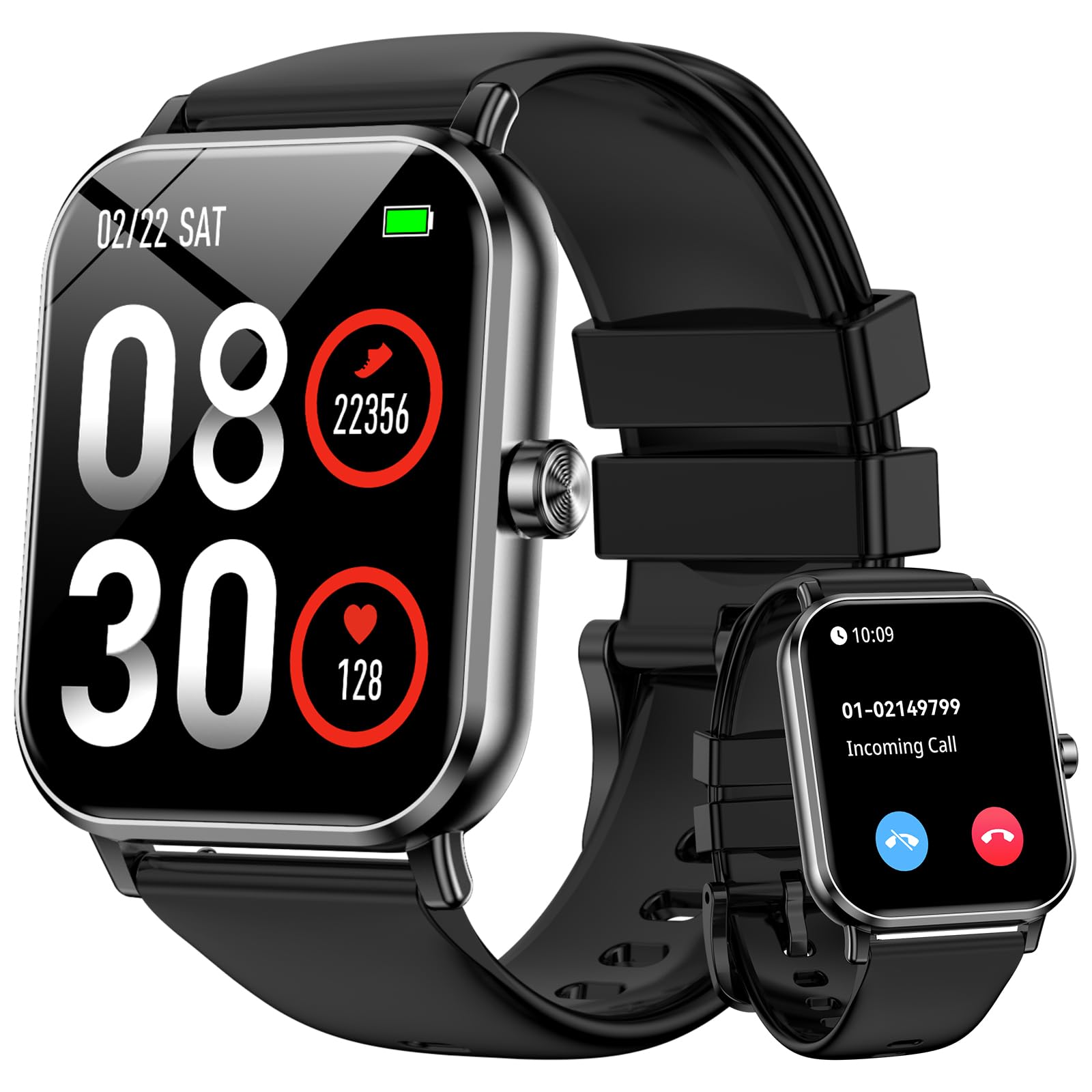
We recommend this affordable watch for everyday fitness tracking, notifications, and Bluetooth calls, but not for users who need built-in GPS.
Pros
- Bright, responsive 1.85-inch touchscreen
- Bluetooth calling and message alerts
- Long battery life with broad fitness tracking
Cons
- No built-in GPS
- Health readings are for general guidance
- App quality may vary by phone
We found the large screen easy to read during walks and daily tasks. The watch felt light on the wrist, and the touch controls responded well. With more than 300 watch faces, we could change its look without much effort through the Da Fit app.
Bluetooth calls worked well for quick conversations. We could also see incoming messages and app alerts, although the watch does not support replies. Music controls, alarms, camera control, and a voice assistant added useful extras for everyday use.
For fitness, the watch tracks steps, calories, heart rate, sleep, and more than 130 activities. We would treat these readings as helpful estimates rather than medical data. Since it lacks GPS, we needed our phone nearby for location tracking during outdoor workouts.
The 5 ATM water resistance suits swimming, handwashing, rain, and sweaty exercise. We would still avoid hot water because high temperatures can reduce the watch’s service life. Battery life should cover several days between charges, depending on calls, alerts, and tracking use.
Blackview R50 Pro Smart Watch

We recommend this watch for shoppers who want affordable calling, activity tracking, and long battery life, but not advanced fitness data.
Pros
- Clear Bluetooth calls and useful phone alerts
- Two comfortable straps and many watch-face choices
- Battery can last about a week between charges
Cons
- GPS depends on a connected smartphone
- Heart-rate readings may not suit serious training
- The watch cannot reply to text messages
During our use, the bright touchscreen stayed easy to read, and the lightweight case felt comfortable throughout the day. We also liked switching between the nylon and silicone straps for different activities.
Bluetooth calling worked well for quick conversations, and the watch showed incoming notifications from our phone. The Da Fit app handled setup without much trouble, although some settings, such as weather units, may need occasional adjustment.
Activity tracking covers many workouts, along with steps, sleep, blood oxygen, and heart rate. We found these tools helpful for general wellness, but users who need highly precise heart-rate data should consider a more specialized fitness watch.
The watch includes useful extras such as music and camera controls, alarms, weather updates, and sedentary reminders. Its phone-based GPS limits route tracking, but the roughly seven-day battery life and two-year warranty add value for everyday use.
Karchilor Military Smartwatch
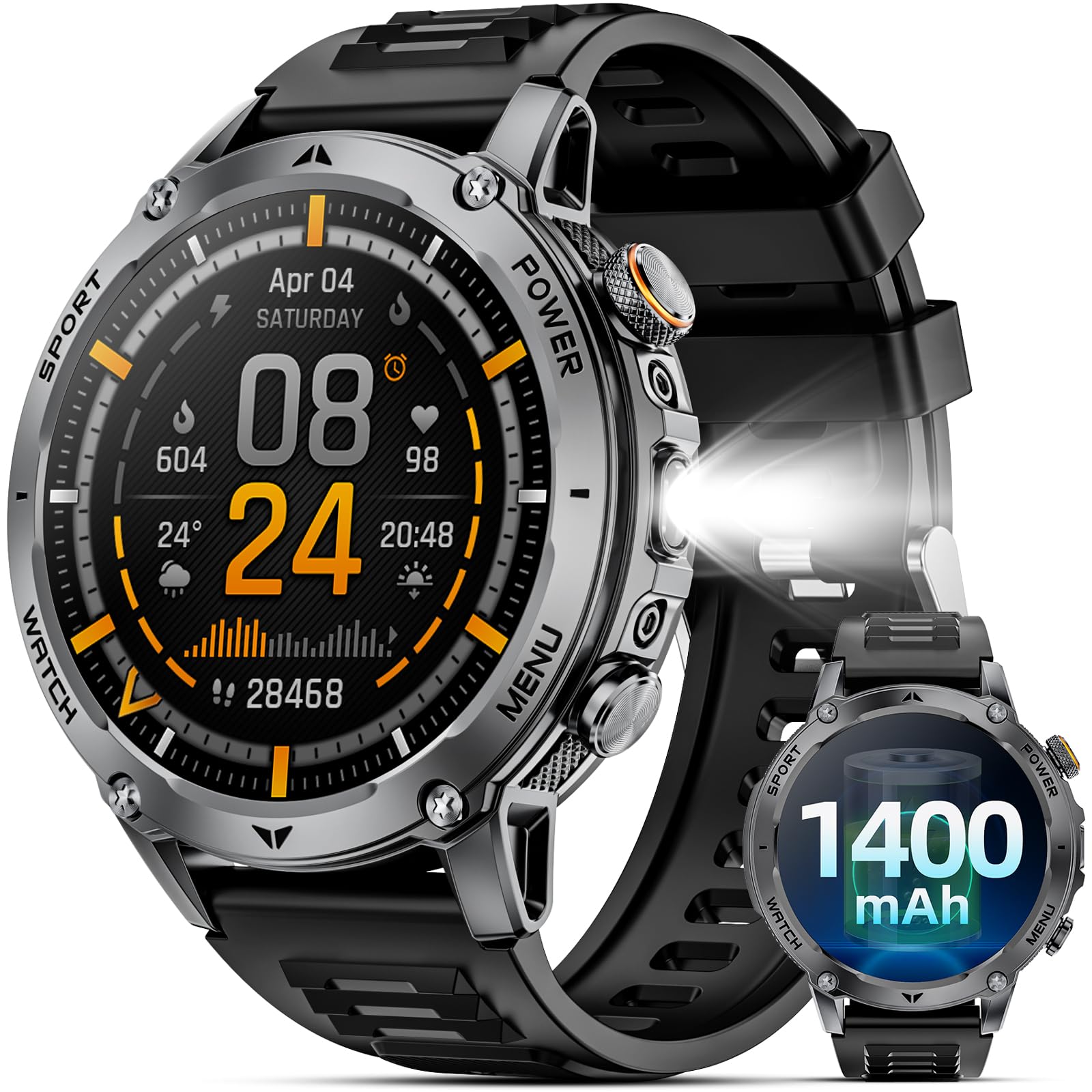
We recommend it for buyers who want long battery life, call support, and a rugged design at a lower price.
Pros
- Battery can last far longer than most everyday smartwatches
- Clear screen with built-in flashlight
- Supports calls, notifications, and many workout modes
Cons
- Uses phone-connected GPS instead of built-in GPS
- Health readings may not match medical devices
- Bulky design may not suit smaller wrists
We found the watch comfortable enough for daily wear, while its sturdy case gave it a more durable feel than many budget models. The large color display stayed easy to read, and the touch controls responded well during normal use.
The Bluetooth calling feature worked well for quick conversations when our phone was nearby. Notifications from texts and common apps also appeared on the watch, although the device depends on a phone for several connected features.
Battery life is the main strength. We could go much longer between charges than with typical smartwatches, making it useful for travel, work, and outdoor activities. The flashlight, alarms, step tracking, and weather tools added practical value.
We would choose it for basic fitness tracking and daily convenience, not advanced training data. Its 3.9-star rating from 46 customers also suggests mixed experiences, so buyers should keep expectations realistic about app quality and health accuracy.
QONBINK M91 Smart Watch
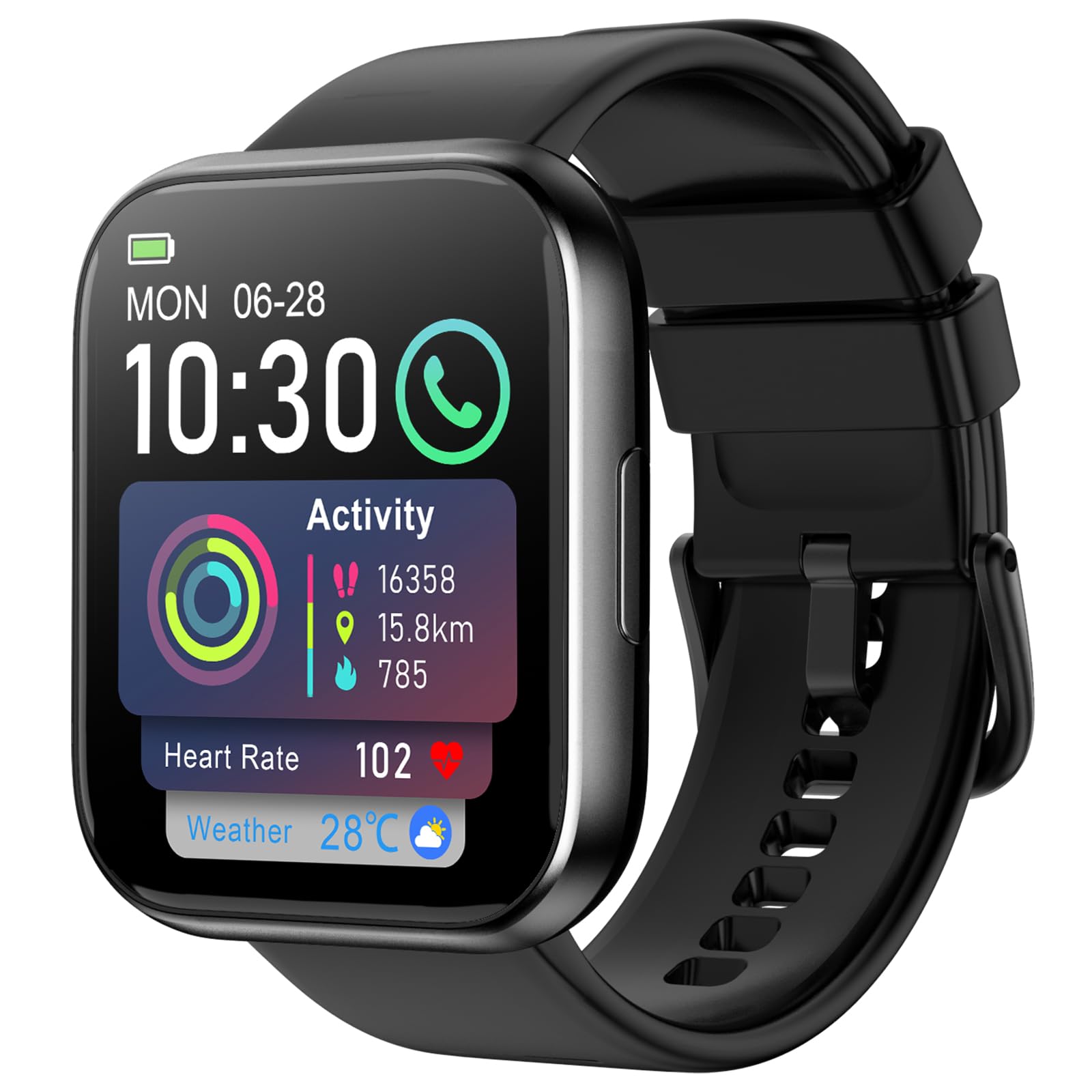
We recommend the QONBINK M91 for shoppers who want basic calling, fitness tracking, and a large screen at a low price.
Pros
- Clear Bluetooth calls and useful notifications
- Bright display with many watch-face choices
- Long battery life for daily use
Cons
- The Da Fit app can make data harder to review
- Messages cannot be answered from the watch
- Step and health readings may not always be accurate
We found the M91 easy to pair with a phone and simple to use during daily activities. Its large touch screen made notifications, weather updates, alarms, and music controls easy to view. Bluetooth calls worked well in quiet places, but the built-in speaker sounded less clear in noisy areas.
The watch offers many workout modes, including walking, cycling, hiking, and yoga. We liked having activity records in one place, though some step counts and health readings may not match more reliable fitness equipment. These tools work best for general tracking, not medical decisions.
Battery life stood out during regular use. We could go several days between charges, depending on calls, screen use, and tracking features. The watch also has water resistance for everyday exposure, but we would avoid treating it as a dedicated swim watch.
The biggest drawback is the companion app. Da Fit handles setup and data syncing, yet some users may find its layout confusing or its records inconsistent. We also could not reply to messages from the watch, which limits its usefulness for people who want more complete phone features.
Amazfit Bip 6

We recommend the Amazfit Bip 6 for buyers who want long battery life, built-in GPS, and strong fitness features without paying a premium price.
Pros
- Bright AMOLED screen stays easy to read outdoors
- Battery can last close to two weeks
- GPS, sleep tracking, maps, and many workout modes
Cons
- Some health readings may not match dedicated medical devices
- The large case may feel bulky on smaller wrists
- Charging requires the included magnetic base
We found the Bip 6 comfortable for daily wear and light enough for workouts. Its large screen made notifications, activity data, and map directions easy to check at a glance. The aluminum case also gave it a more polished look than many budget fitness trackers.
Battery life stands out most. With regular activity tracking and notifications, we could go many days between charges instead of plugging it in every night. That makes the watch useful for sleep tracking and travel.
The built-in GPS connected quickly during outdoor walks and runs. We also liked having downloadable maps and turn-by-turn guidance, although the watch does not replace a phone for detailed navigation. Its workout tracking covers a wide range of activities, while the coaching features offer helpful guidance without making the watch feel complicated.
Health tools track heart rate, blood oxygen, stress, sleep, and breathing. We would use these features to notice trends rather than treat them as medical results. Calls and message alerts worked well when paired with a compatible Android or iPhone.
The Bip 6 does have limits. Its larger rectangular design may not suit smaller wrists, and users who want a deep app ecosystem may prefer an Apple Watch or Wear OS model. Still, we get a strong mix of fitness tracking, smart features, and battery life for the price.
Amazfit Active Max
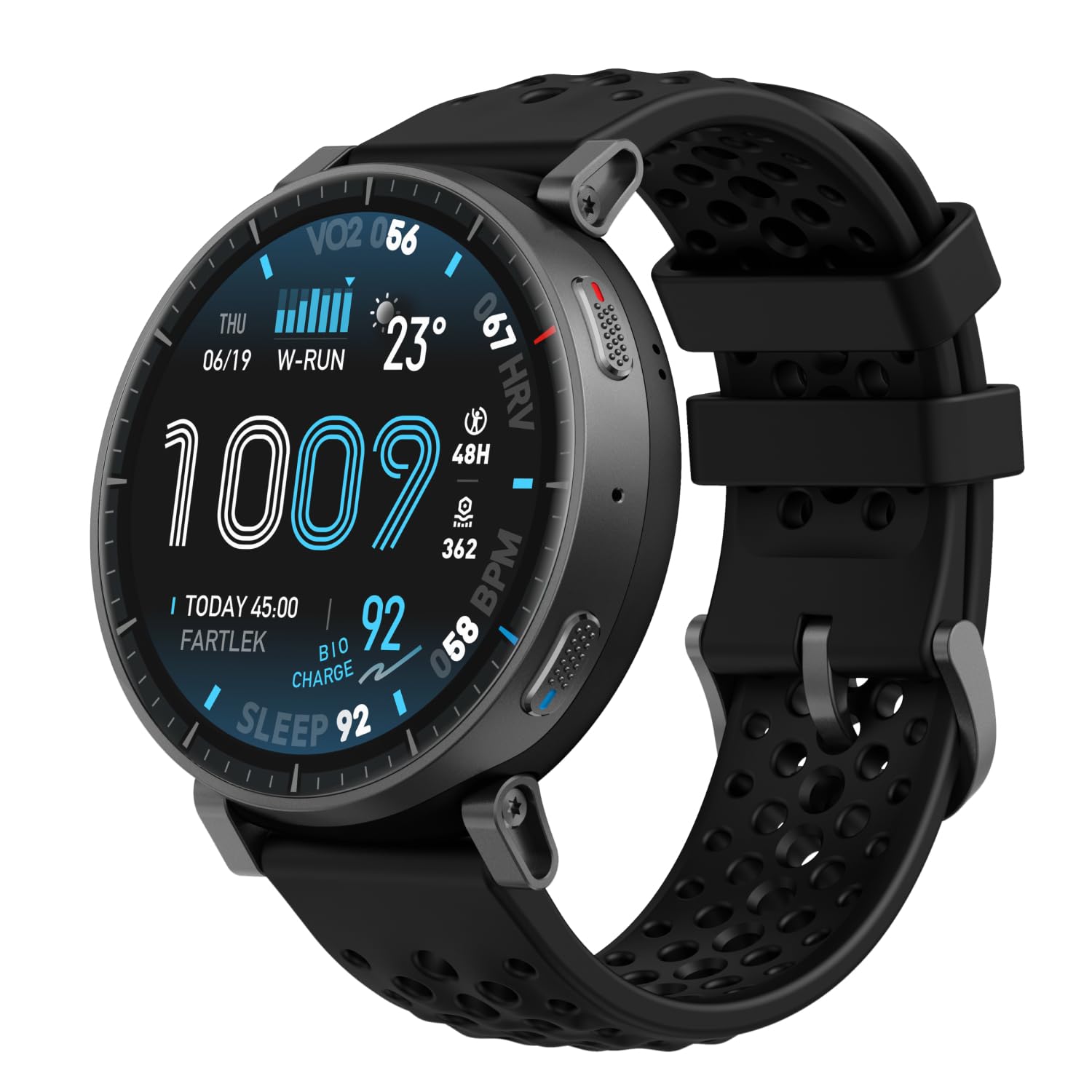
We recommend the Amazfit Active Max for shoppers who want a bright screen, long battery life, offline maps, and broad fitness features without frequent charging.
Pros
- Bright, easy-to-read AMOLED display
- Battery can last for weeks
- Offline maps and 170+ workout modes
Cons
- Bluetooth calling needs a connected phone
- Some smart features require Android
- The large case may feel bulky on smaller wrists
We found the 1.5-inch display easy to read outdoors, even during bright daytime workouts. The touchscreen responds well, and the round design keeps the watch suitable for both exercise and daily wear.
Battery life stands out most. We could track workouts, monitor sleep, and check notifications for days without reaching for the charger. This makes the watch a better fit than many models for travel, hiking, and users who dislike daily charging.
The built-in GPS and downloadable maps add useful support for outdoor activities. We could follow routes without relying on a phone signal, although users who need advanced training data may prefer a dedicated Garmin or Coros watch.
Amazfit also includes heart-rate, sleep, stress, and energy tracking. These tools help us understand daily patterns, while Zepp Coach offers training plans for common running goals. Bluetooth calls and message replies add convenience, but Android users get the broadest hands-free features.
Buying Guide
We should start by choosing a watch that works with our phone and preferred operating system. Compatibility affects notifications, apps, calls, health tools, and how easily we can move data between devices.
Battery life matters if we track sleep, exercise, or outdoor activities. We should also check charging time, water resistance, screen brightness, and whether the watch supports the features we use most.
| Feature | What to check |
|---|---|
| Health tracking | Heart rate, sleep, activity, and other needed measurements |
| Fitness tools | Workout modes, GPS, route tracking, and training data |
| Smart features | Notifications, calls, payments, music, and apps |
| Battery | Expected use time and charging method |
| Comfort | Weight, case size, band fit, and screen readability |
| Durability | Water resistance, materials, and repair options |
| Privacy | Data controls, account settings, and storage practices |
We should compare health features carefully because not every watch measures the same data or provides medical-grade results. Treat health readings as helpful information, not a replacement for professional medical advice.
A good display should remain readable in bright light, while physical buttons can help during exercise or wet conditions. We should also check band availability, replacement costs, warranty coverage, and whether key features require a paid subscription.
Price should include long-term costs such as replacement bands, cellular service, and optional software plans. Choosing only the features we will use can help us avoid paying for unnecessary extras.
Editor’s Choice
We chose the Apple Watch Series 11 as our editor’s pick for 2026. It offers a strong mix of health tracking, fitness tools, notifications, safety features, and app support for iPhone users.
The watch provides useful features such as heart-rate alerts, sleep tracking, workout tracking, and fall detection. Its bright display and smooth controls also make daily use simple.
| Feature | Why it matters |
|---|---|
| Health tracking | Monitors key health trends and activity |
| Fitness tools | Supports many workouts with detailed data |
| Safety features | Can detect falls and support emergency calls |
| Software support | Works with a wide range of Apple Watch apps |
We recommend it for iPhone owners who want a well-rounded smartwatch rather than a device focused on one feature. Battery life remains shorter than many rival watches, so users may need to charge it daily.
For Android users, we would choose the Samsung Galaxy Watch8 instead. It provides strong health tracking, useful Google apps, and close integration with Samsung phones.
Conclusion
We should choose a smartwatch based on the features we will use most. Fitness tracking, battery life, phone support, health tools, and comfort often matter more than extra apps or advanced design.
For iPhone users, the Apple Watch remains a strong choice because it works closely with Apple devices. Android users can find excellent options from Samsung, Google, Garmin, and other brands, with different strengths in health tracking, sports, and battery life.
We should also check software support, water resistance, repair options, and subscription costs before buying. A watch that fits our phone, routine, and budget will serve us better than one with the longest feature list.
FAQS
Which smartwatch is best for most people in 2026?
We recommend choosing a watch that works well with your phone, offers the health features you need, and lasts at least a full day per charge. Apple Watch models suit iPhone users, while Samsung Galaxy Watch models work well with Android phones.
Do smartwatches work without a phone?
Many models support cellular service, GPS, or Wi-Fi without a phone nearby. We still need a compatible phone for setup, updates, and some advanced features.
How accurate are smartwatch health readings?
Smartwatches can track heart rate, steps, sleep, and workouts with useful results. We should treat readings as estimates, not medical diagnoses, and consult a health professional about concerns.
How long should a smartwatch battery last?
Battery life ranges from about one day to more than a week. We usually get longer battery life from fitness-focused watches, while models with bright screens and advanced apps often need daily charging.
Are smartwatches safe for swimming?
Many watches have water resistance for swimming, but protection levels vary. We should check the manufacturer’s rating and avoid hot tubs, diving, or salt water unless the brand allows those activities.
What should we check before buying?
We should compare phone compatibility, battery life, comfort, health tools, GPS quality, durability, and subscription costs. A lower-priced model may meet our needs without adding features we will not use.