
10 Best Smart Watches for Elderly: Top Picks for 2026


Kitchen Timer with Large Display
Audiobook Player

Lightweight Vacuum Cleaner
Smartwatches can help older adults stay connected, track health data, and call for help without carrying a phone. Models made for seniors often include large displays, simple controls, fall detection, medication reminders, and emergency features.
The best smartwatches for older adults balance easy operation, reliable safety tools, comfortable designs, and battery life. We also look for clear screens, loud speakers, accurate health tracking, and compatibility with the user’s phone and cellular plan. Some features require a subscription, so we check those costs before recommending a watch.
We evaluated the features that matter most in daily use and compared leading models to find smartwatches that are useful, dependable, and easy to manage.
Best Smart Watches for Elderly People
We reviewed smart watches with features that can support safety, health tracking, communication, and daily routines. Our list highlights models with simple controls, clear displays, reliable alerts, and useful tools for older adults.
Seculife Medical Alert Smartwatch
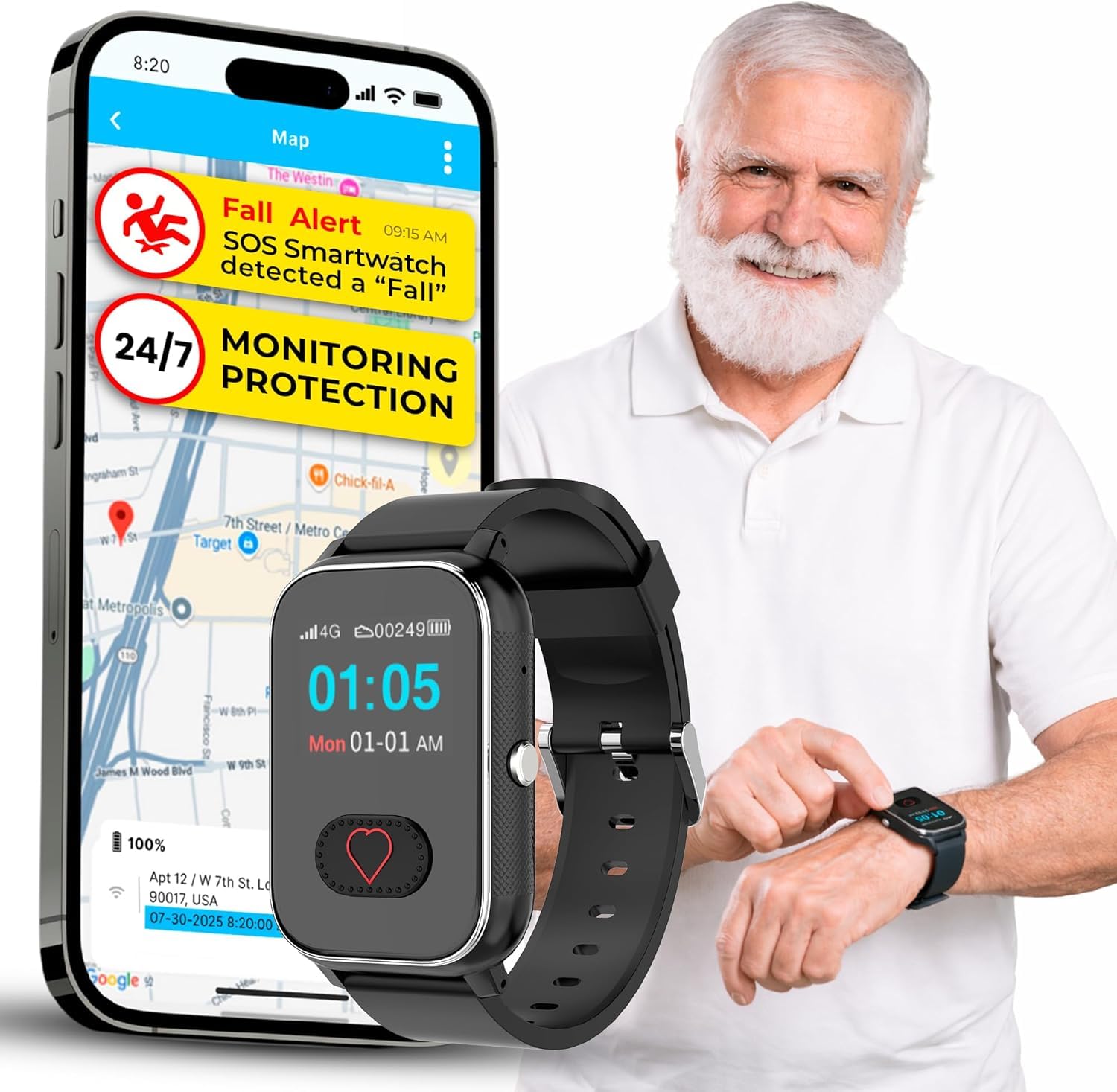
We recommend this watch for seniors who need fall alerts, GPS tracking, and simple calling, but the required monthly fee and short battery life deserve careful consideration.
Pros
- Large SOS button and automatic fall alerts
- GPS tracking with two-way calling
- Simple screen with medication reminders
Cons
- Requires a $25 monthly subscription
- Battery lasts about 12 hours
- Health readings may not replace medical devices
We found the large button easy to locate and press, which helps during stressful moments. The watch can call approved contacts, block unknown numbers, and answer calls automatically. That setup may suit seniors who find smartphones difficult to use.
GPS tracking adds useful support for caregivers, especially when a wearer spends time outside the home. Fall detection can send alerts without a button press, though users should not treat it as guaranteed protection because detection systems can miss some falls or trigger false alerts.
The screen is clear, and the basic layout keeps daily tasks manageable. Medication reminders and step tracking add practical features without making the watch feel like a full-featured fitness device.
We also noted important limits. The battery lasts around 12 hours, so regular charging becomes part of the routine. The IP67 rating helps with rain and handwashing, but we would avoid swimming or prolonged water exposure.
This watch requires a $25 monthly subscription for its calling, tracking, and emergency services. Its listed rating is 3.5 out of 5 stars from 27 reviews, so we would confirm coverage, service terms, and return policies before buying.
Fajocru V46 Senior Safety Watch
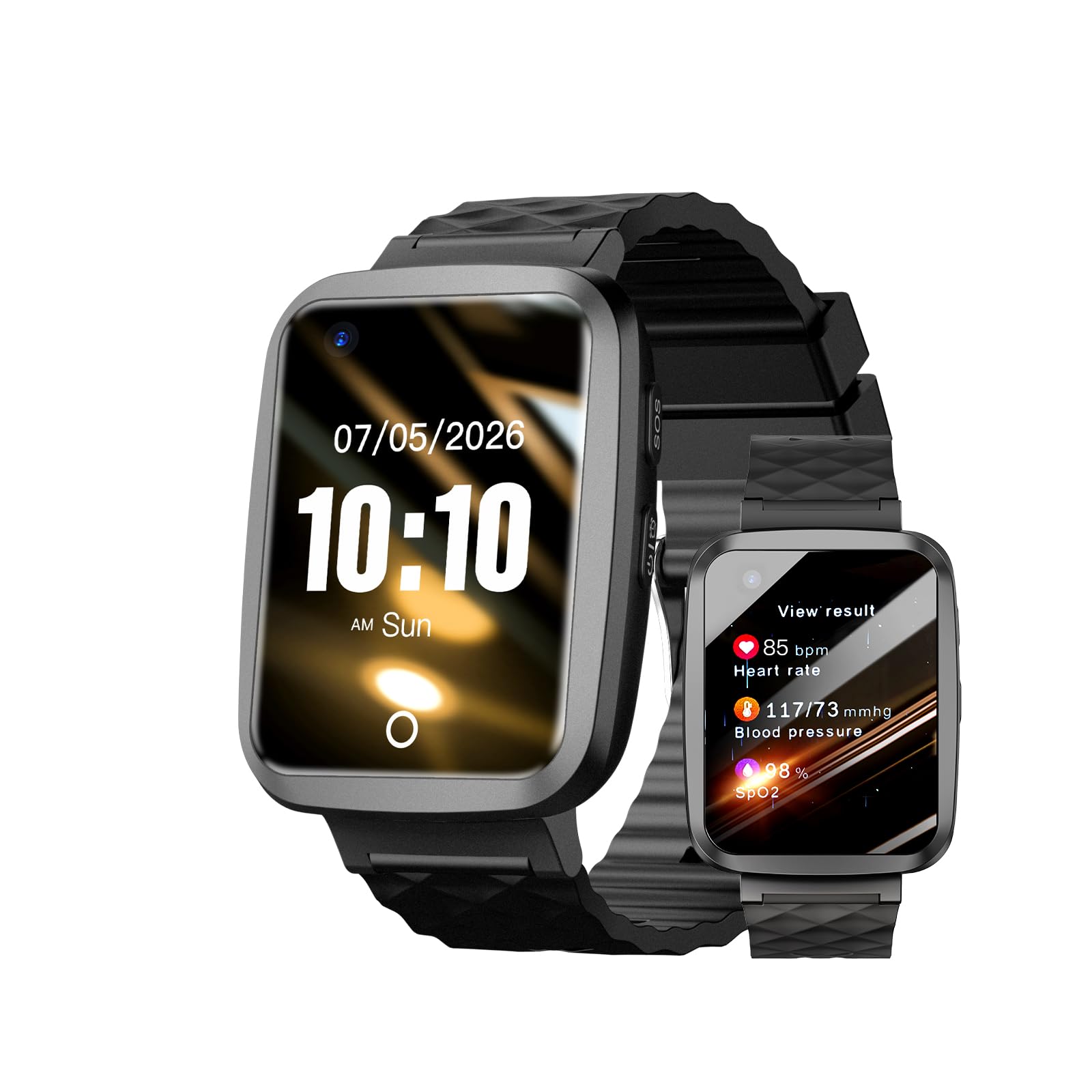
We recommend the Fajocru V46 for families who want GPS tracking, emergency calling, and fall alerts in one watch.
Pros
- Fall alerts and SOS calling can notify selected contacts
- GPS tracking and geofencing support caregiver oversight
- Large screen, voice calls, and magnetic charging suit many older users
Cons
- Health readings should not replace medical devices
- Cellular service and app setup may require extra work
- The watch may feel bulky on smaller wrists
We found the large touchscreen easy to read, and the simple layout helped us reach calls, alarms, and emergency features without much searching. Two-way voice calling also made quick check-ins easier without relying on a separate phone.
GPS tracking and geofencing add useful support for people who may wander. Caregivers can monitor the watch through the app and receive alerts when the wearer leaves a chosen area. Fall detection provides another safety feature, though we would still test it carefully because no automatic alert system catches every fall.
The watch includes heart rate, blood pressure, and blood oxygen features, along with step tracking and medication reminders. We would treat these readings as general reference points rather than clinical results.
Its IP67 water resistance should handle rain and hand washing, but we would avoid swimming with it. The 4G cellular connection also means buyers should confirm network compatibility and plan for any required service before purchase.
Yihou Senior Fall Detection Smart Watch
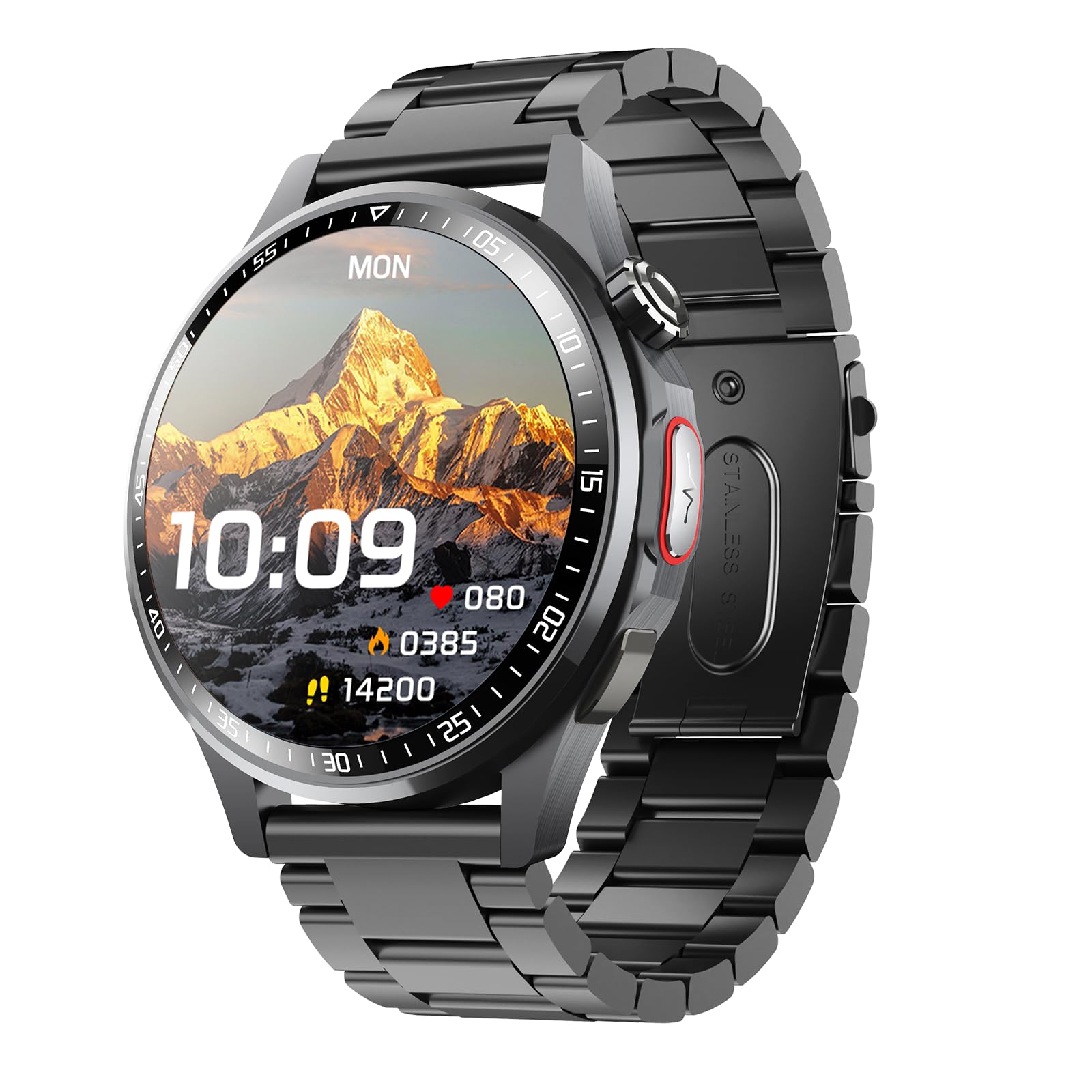
We recommend this watch for seniors who want fall alerts, SOS calling, and basic health tracking in one simple device.
Pros
- Large, clear 1.55-inch touch display
- Fall detection and dedicated SOS button
- Bluetooth calls, alarms, and activity tracking
Cons
- No built-in GPS
- Requires the Joemefit app and a compatible phone
- Health readings should not replace medical devices
We found the large screen and clear icons helpful for daily use. The buttons and touchscreen make it easier to check the time, view notifications, and set reminders without searching through small menus.
Fall detection and SOS support provide useful safety features, but families should test them before relying on them. Since the watch has no built-in GPS, location sharing depends on its connection to a paired smartphone.
Bluetooth calling worked well for quick conversations when the phone stayed nearby. The speaker offers loud audio, while the watch also tracks steps, sleep, heart rate, and several exercise types.
The battery is designed for several days of use, though actual runtime depends on calls, alerts, and tracking. Its IP67 water resistance helps with everyday splashes, but we would avoid swimming or extended water exposure.
Generic Elderly GPS Smartwatch
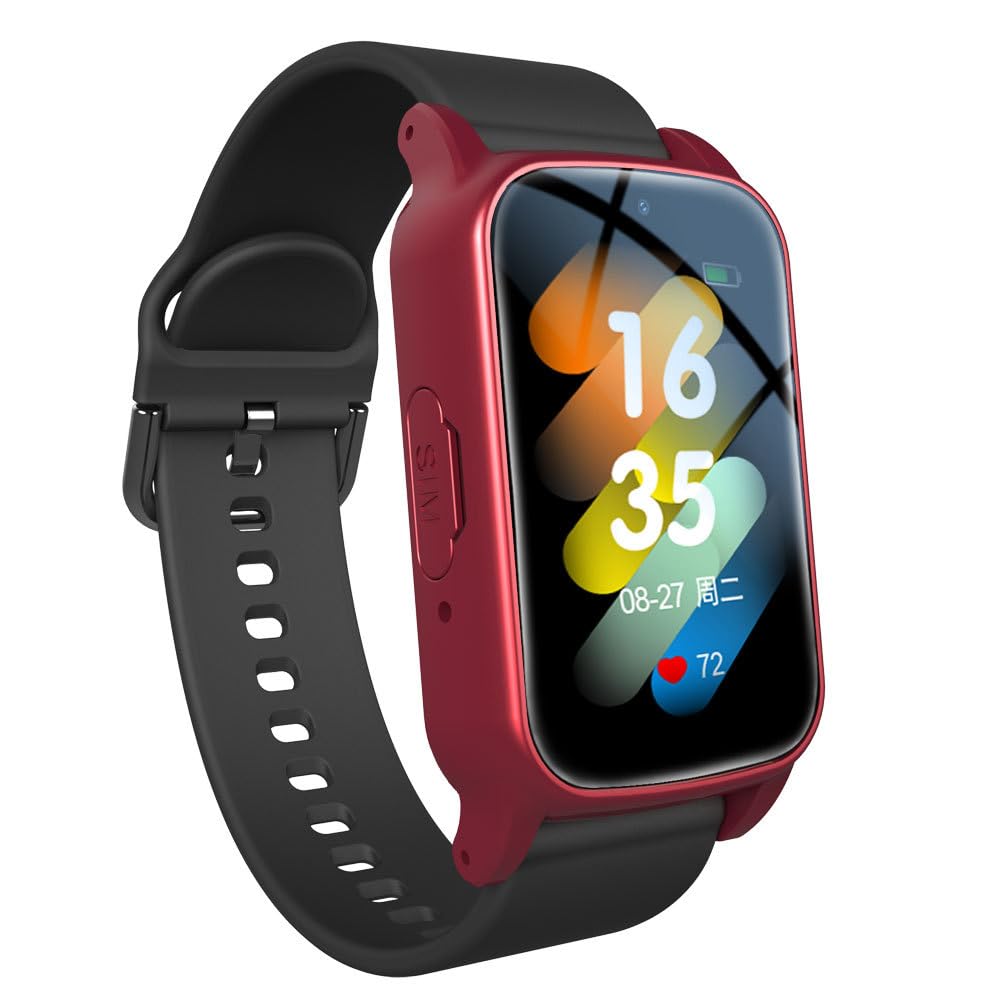
We recommend this watch for families who value location tracking, emergency calling, and medication reminders in one device.
Pros
- GPS tracking with safe-zone alerts
- SOS calling and fall alerts
- Large display with voice and vibration reminders
Cons
- Health readings may not replace medical devices
- Water protection does not cover swimming or long baths
- Setup may take time for some users
We found the location features useful for checking an older family member’s whereabouts and setting alerts for safe areas. The watch supports several positioning methods, including GPS, Wi-Fi, and mobile network tracking. It can also store family contacts for quick communication.
The SOS button stands out because users can press and hold it for three seconds to call a preset number. Fall detection may add another layer of support, although we would still test the feature carefully before relying on it during an emergency.
The large text, loud sound, vibration alerts, and medication reminders make daily use easier. The watch also supports voice and video calls, but these features may depend on a compatible SIM card and phone connection.
Its battery is rated for up to 7–10 days in standby mode, though frequent calls, tracking, and alerts will likely reduce that time. We would treat the blood pressure, heart rate, blood oxygen, and temperature readings as general wellness information rather than clinical results.
AEAC Smart Watch

We recommend this watch for older adults who want clear calls, health tracking, and a bright screen at a lower price.
Pros
- Bright AMOLED display with large, clear visuals
- Bluetooth calling and voice control
- Long battery life with many health features
Cons
- Requires a smartphone for setup and connected GPS
- Health readings should not replace medical devices
- Many sports modes may feel unnecessary for some users
We found the 1.32-inch screen easy to read, while the rose-gold case gave the watch a neat, modern look. The touch controls responded well, and we could choose from many watch faces or use a personal photo.
Bluetooth calling worked well in testing, with sound coming through the built-in speaker. We could also view notifications and use voice commands, although the watch still depends on a paired Android or iPhone for several features.
Health tools cover heart rate, sleep, blood oxygen, stress, steps, and calories. These features help us notice daily patterns, but we would not use them for diagnosis or urgent health decisions.
The battery lasts several days between charges with regular use. Its water resistance suits hand washing, rain, and light swimming, but we would still follow the care instructions and avoid treating it like a medical or diving watch.
DAVIKO Senior-Friendly Pedometer Watch
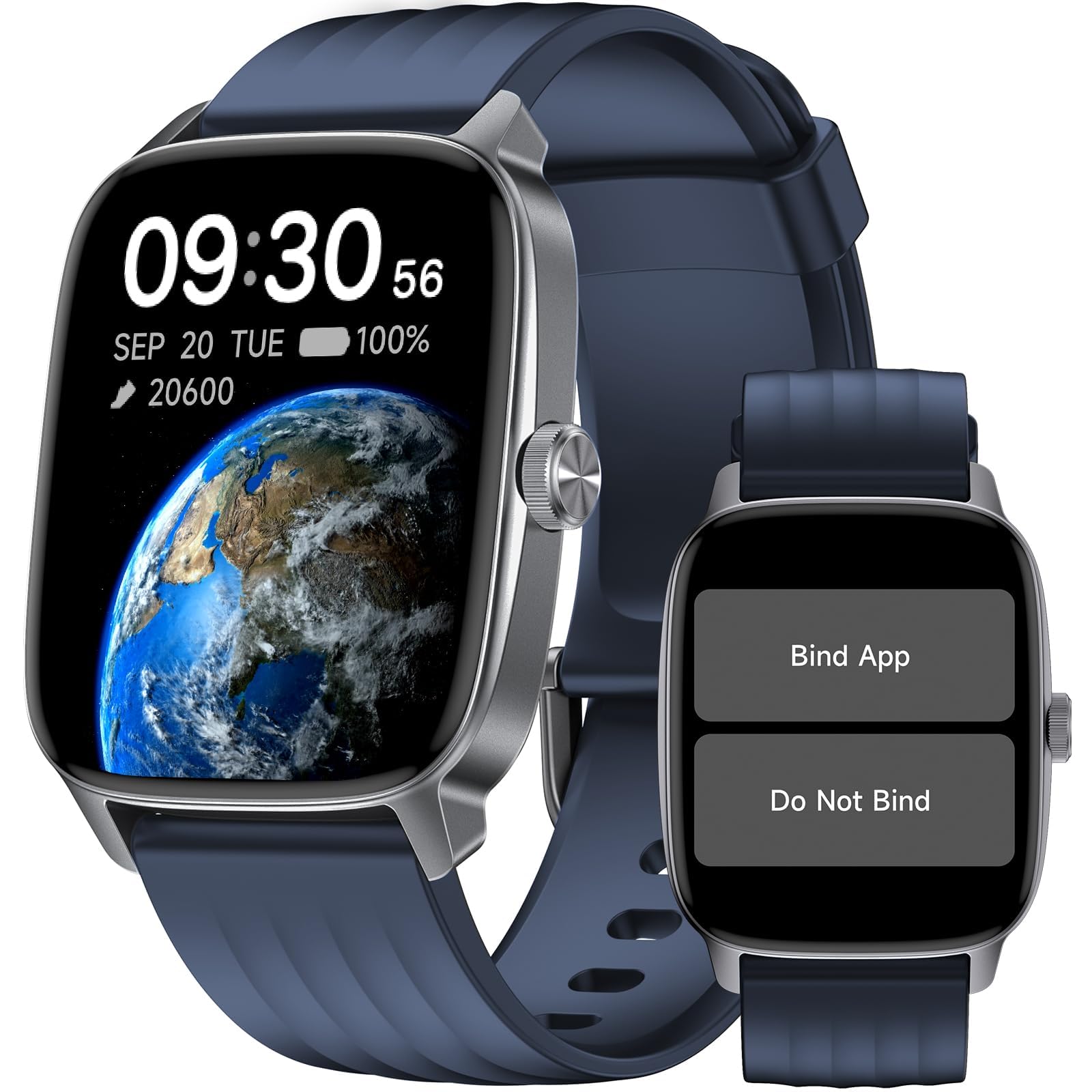
We recommend this watch for older adults who want clear activity tracking without needing a phone or app.
Pros
- Works on its own for steps, heart rate, sleep, and alarms
- Large color screen feels easy to read and use
- Comfortable design with up to seven days of battery life
Cons
- Step counts may not always be accurate
- No built-in GPS
- Bluetooth stays active and cannot be fully disabled
We found the basic controls simple to use without a smartphone. The watch records steps, distance, calories, heart rate, sleep, and blood oxygen readings directly on the device. Its large display and built-in watch faces also make daily information easier to view.
The optional VeryFit app adds calls, message alerts, weather, music controls, and more workout modes. However, the watch does not require the app for its main tracking features, which suits users who prefer fewer phone connections.
Battery life can reach about seven days, and the watch charges in roughly 1.5 hours. Its IP68 water resistance supports swimming, but we would not rely on it for deep-water use.
Some users report inaccurate step counts, especially when walking slowly or moving their arms often. We also noted that the watch has no GPS, so it cannot record outdoor routes by itself.
Yoever IDW20 Smartwatch

We recommend the Yoever IDW20 for older adults who want a large screen, simple call access, health tracking, and long battery life at a reasonable price.
Pros
- Large, bright display with a rotating crown
- Bluetooth calling and built-in Alexa
- Long battery life and IP68 water resistance
Cons
- Setup and menu navigation may take time to learn
- Health readings are for general tracking, not medical use
- GPS depends on a connected smartphone
We found the 1.91-inch screen easy to read, and the rotating crown made it simpler to move through menus. The watch also offers many face styles, so we could choose a cleaner layout with larger information.
Bluetooth calling worked well for short conversations when the watch stayed near the phone. Alexa handled tasks such as reminders, weather checks, and alarms, but users still need a phone for some features, and the watch cannot send text messages.
For daily wellness tracking, the IDW20 records steps, sleep, heart rate, blood oxygen, stress, and activity. We would use these tools to notice general changes, not to replace advice from a doctor. Its vibration reminders can help with water, movement, alarms, and daily goals.
The watch supports many workout modes and has IP68 water resistance for swimming, sweat, and handwashing. We would still avoid treating that rating as protection against every water condition.
Battery life is a strong point. Depending on use, the 350 mAh battery can last from about a week to several weeks. The watch works with Android and iPhone models, includes a magnetic charger, and comes with a five-year limited guarantee plus lifetime technical support.
Yihou F330 Senior Smartwatch
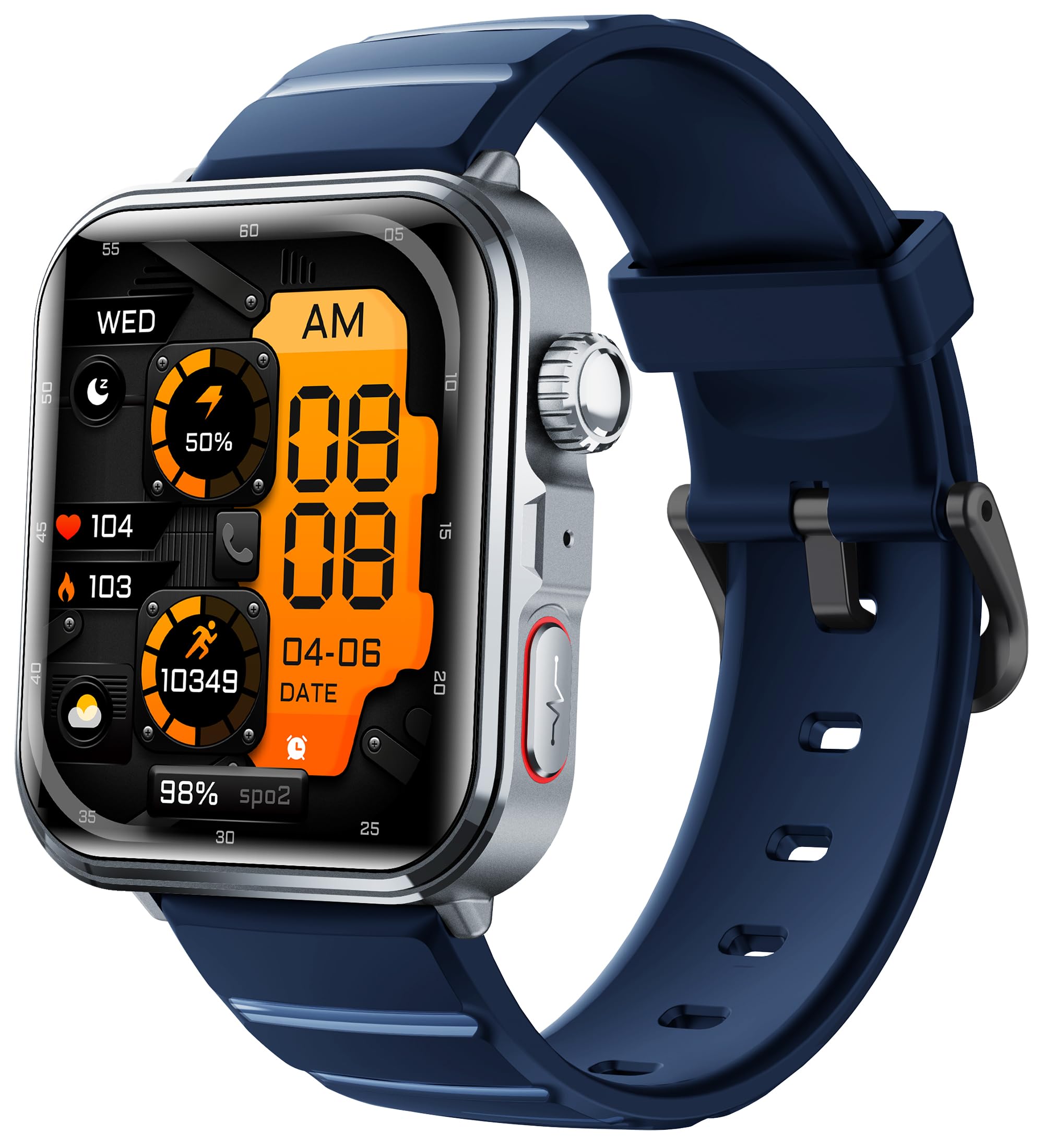
We recommend the Yihou F330 for older adults who want fall alerts, phone calls, and basic health tracking without paying for a premium smartwatch.
Pros
- Fall detection can call an emergency contact after a detected accident.
- Large touch display and Bluetooth calling support.
- Battery can last about five to seven days with regular use.
Cons
- It needs a nearby smartphone for calls and emergency contact features.
- The health readings should not replace medical devices.
- It is not suitable for swimming or long water exposure.
After using the F330, we found the 1.9-inch screen easy to read and navigate. The touch controls respond well for common tasks, such as checking steps, weather, alarms, and notifications. Users can also change the watch face to make the display feel more personal.
Fall detection adds useful support for people who live alone. We would set up emergency contacts in the Joeme Fit app before relying on this feature. Bluetooth calling worked best when the paired phone stayed close, so this watch does not replace a phone.
Daily tracking includes steps, distance, calories, heart rate, sleep, and many exercise modes. These tools can help users notice activity patterns, but we would treat the results as general estimates rather than medical measurements.
The silicone band feels light and uses a simple buckle. Battery life is practical for everyday wear, although charging takes about two hours. The watch can handle rain and hand washing, but it should stay away from swimming, diving, hot water, and soaking.
AEAC Smart Watch

We recommend this watch for older adults who want clear notifications, simple calling, and basic health tracking without a high price.
Pros
- Bright 1.85-inch screen with smooth scrolling
- Calls, notifications, reminders, and health tracking
- Battery can last up to seven days
Cons
- Health readings may not always be accurate
- It cannot reply to messages
- Small menus may take time to learn
The large display made it easier for us to read the time, alerts, and activity details. We also liked changing the watch face to show a family photo. Setup worked with both iPhone and Android phones, though some users may need help pairing the watch and installing its app.
Bluetooth calls were useful when we wanted to answer without reaching for a phone. The watch showed incoming messages and app alerts, but we could not respond from the screen. That limit matters for anyone who expects full messaging features.
We found the step, heart rate, sleep, stress, and blood oxygen tools helpful for general tracking. They should not replace medical equipment or professional advice, especially when a reading seems unusual. The watch also includes many exercise modes, water reminders, weather information, music controls, and sedentary alerts.
The battery lasted several days in everyday use, which reduced the need for frequent charging. Its IP68 rating adds protection against dust and water, but we would still follow the care instructions and avoid treating it as a medical or diving device. The included warranty may also provide useful support for long-term ownership.
MJVV Senior 4G GPS Smart Watch

We recommend this watch for families who need GPS tracking and emergency calling, but only after confirming cellular compatibility and ongoing service costs.
Pros
- GPS tracking, geofencing, and location history
- SOS button with preset emergency contacts
- Supports calls, video calls, and voice messages
Cons
- Requires a Nano SIM card and cellular plan
- Setup may challenge less tech-savvy users
- Customer feedback reports mixed reliability
We found the MJVV watch offers useful safety tools in one device. The SOS button, two-way calling, and location sharing can help families stay connected with an older adult who lives alone.
The watch also includes geofencing and stores recent travel routes. Its IP67 water resistance should handle rain and hand washing, but we would not use it for swimming. The touchscreen and 1.3-inch display provide basic access to calls, messages, alarms, and step counting.
Setup deserves careful attention. We need a compatible Nano SIM with both calling and data service, and some buyers report unexpected monthly costs or problems with GPS setup. The watch works with Android and iOS phones, but an experienced family member may need to manage the app and settings.
With a 3.2-star rating from 71 reviews, reliability appears uneven. Some owners praise the seller’s support and successful use with different carriers, while others report misleading service details, GPS problems, or speaker failure. We would buy it only after checking the carrier requirements and return policy.
Buying Guide
We should start with the wearer’s daily needs. Look for a watch with a clear display, simple controls, comfortable materials, and menus that are easy to understand. A lightweight design may suit people who dislike bulky devices.
| Feature | What to check |
|---|---|
| Safety | Emergency calling, fall detection, and location sharing |
| Health tracking | Heart rate, activity, sleep, and other useful measurements |
| Battery | Several days of use or a charging routine we can manage |
| Connectivity | Phone compatibility, cellular service, Wi-Fi, or Bluetooth |
| Comfort | Soft straps, adjustable sizing, and a secure fit |
| Durability | Water resistance and a strong case for daily wear |
| Accessibility | Large text, loud alerts, vibration, and voice controls |
We should confirm that safety features work in the wearer’s country and require the right phone plan or subscription. We also need to check whether the watch can contact family, caregivers, or emergency services without a nearby phone.
Health features can support daily tracking, but they do not replace medical care. We should choose only the measurements that matter to the wearer and avoid paying for complex tools they will not use.
Before buying, we should review the charging method, setup process, warranty, return policy, and ongoing costs. A watch that the wearer can use independently often provides more value than one with a longer feature list.
Editor’s Choice
We choose the Apple Watch SE (2nd generation) as our editor’s pick for older adults who use an iPhone. It offers fall detection, Emergency SOS, heart-rate alerts, medication reminders, and clear activity tracking in a familiar design.
Its safety tools can contact emergency services after a hard fall if the wearer does not respond. Family members can also use location sharing, while the large text and simple watch faces support easier reading.
| Feature | Apple Watch SE |
|---|---|
| Best for | iPhone users |
| Safety tools | Fall detection and Emergency SOS |
| Health tracking | Heart rate, activity, sleep, and medication reminders |
| Battery life | Up to about 18 hours |
| Main limit | It requires an iPhone for setup and many features |
We recommend choosing the larger case size for a more readable screen. A cellular model can make calls and send messages without a nearby iPhone, but it requires a compatible mobile plan.
We should also note that this watch does not replace medical care or a personal emergency response service. Users should set up emergency contacts, medical information, fall detection, and accessibility settings before regular use.
Conclusion
We should choose a smartwatch based on the wearer’s daily needs, comfort, and technical skills. Large text, simple menus, reliable alerts, and a long-lasting battery can make regular use easier.
Health features also need careful review. Fall detection, heart-rate tracking, and emergency calling can provide useful support, but they should not replace medical care or personal help.
Before buying, we should check:
- Comfort: A light design and an adjustable band
- Ease of use: Clear screens and simple controls
- Safety tools: Emergency calls and fall alerts
- Compatibility: Works with the wearer’s phone
- Support: Reliable setup help and software updates
The best choice gives the wearer useful support without adding confusion. We should also consider the person’s vision, hearing, mobility, and comfort with technology.
FAQS
What features matter most in a smartwatch for older adults?
We recommend a large, clear display, simple controls, strong battery life, and comfortable straps. Fall detection, emergency calling, heart-rate alerts, and medication reminders can also support daily safety.
Do smartwatches require a smartphone?
Most models work best with a smartphone for setup, updates, messages, and health reports. Some watches support cellular service, allowing calls and emergency contacts without a phone nearby.
Are smartwatches difficult to use?
Many watches offer simple menus, large text, and customizable screens. We suggest choosing a model with clear instructions and setting up only the features the wearer needs.
Can a smartwatch detect falls?
Some models can detect a hard fall and ask whether the wearer needs help. If the wearer does not respond, the watch may contact emergency services or selected contacts, depending on the model and settings.
Do smartwatches monitor health conditions?
Smartwatches can track data such as heart rate, activity, sleep, and blood oxygen. We should treat these readings as general information, not as a diagnosis or replacement for medical care.
How long should the battery last?
Battery life varies from about one day to several weeks. We should choose a watch that fits the wearer’s charging routine and has an easy-to-use charger.