
Best Senior Canned Dog Food


Slow Cooker Crock Pot

Book Holder Stand

Large Print Keyboard
Choosing the best senior canned dog food can make a world of difference for your aging companion. As dogs enter their senior years, their nutritional needs shift—requiring fewer calories, more joint support, and easier digestion. The right wet food helps maintain weight, supports mobility, and boosts overall well-being—without sacrificing flavor or quality.
Key Takeaways
- Senior dogs need fewer calories but more targeted nutrients: Look for formulas with lean proteins, joint-supporting supplements like glucosamine, and fiber for digestion.
- Wet food aids hydration and appetite: Canned dog food has high moisture content, which helps older dogs stay hydrated—especially if they drink less water.
- Digestive health is crucial: Senior dogs often face sensitive stomachs; choose recipes with probiotics, prebiotic fibers, and easily digestible ingredients.
- Joint and mobility support matters: Ingredients like chondroitin, omega-3 fatty acids, and MSM can help reduce stiffness and improve movement.
- Kidney and liver function decline with age: Low-phosphorus, high-quality protein sources help reduce strain on these organs.
- Palatability keeps seniors eating: Appetite loss is common in older dogs; flavorful, aromatic wet food encourages consistent meals.
- Always consult your vet: Individual health conditions (like diabetes or heart disease) may require specialized diets—your vet can guide the best choice.
📑 Table of Contents
- Why Senior Dogs Need Specialized Nutrition
- What to Look for in the Best Senior Canned Dog Food
- Top Picks for the Best Senior Canned Dog Food
- How to Transition Your Senior Dog to New Food
- Common Mistakes to Avoid When Feeding Senior Dogs
- When to Consult Your Veterinarian
- Final Thoughts: Giving Your Senior Dog the Best
Why Senior Dogs Need Specialized Nutrition
As our beloved dogs age, their bodies change—just like ours do. Senior dogs, typically those over seven years old (or five for larger breeds), experience slower metabolisms, reduced activity levels, and increased risk of chronic conditions like arthritis, kidney disease, or dental issues. These shifts mean their diet must evolve too.
While dry kibble has its place, canned dog food offers unique advantages for older pups. It’s softer, easier to chew (especially for dogs with missing teeth), and packed with moisture—often over 70% water. This helps prevent dehydration, a common issue in seniors who may not drink enough. Plus, the rich aroma and texture of wet food can entice picky eaters or dogs with diminished appetites.
But not all canned dog food is created equal. The best senior canned dog food is specifically formulated to meet the changing needs of aging canines. It balances lean proteins for muscle maintenance, includes joint-supporting supplements, and avoids fillers or excessive sodium that could harm sensitive organs. Choosing the right formula isn’t just about taste—it’s about supporting longevity, comfort, and quality of life.
What to Look for in the Best Senior Canned Dog Food
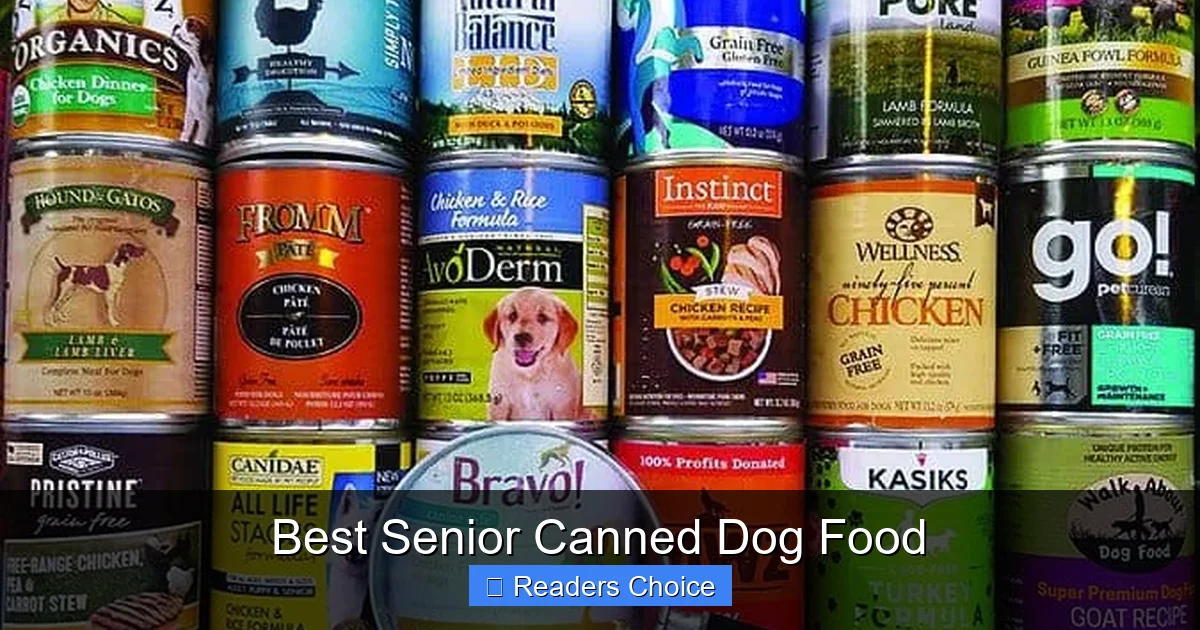
Visual guide about Best Senior Canned Dog Food
Image source: scoutknows.com
When shopping for senior wet food, it’s easy to get overwhelmed by labels, claims, and ingredient lists. But focusing on a few key factors can help you make a confident, informed choice.
High-Quality, Digestible Protein
Protein remains essential throughout a dog’s life, but senior dogs need high-quality, easily digestible sources to maintain muscle mass without overworking the kidneys. Look for named meats like “chicken,” “turkey,” or “salmon” as the first ingredient—not vague terms like “meat meal” or “by-products.”
For example, a can listing “deboned chicken” as the primary ingredient is far superior to one starting with “chicken by-product meal.” Lean proteins like turkey or whitefish are also excellent choices, especially for dogs with weight concerns. Avoid formulas with excessive fillers like corn, wheat, or soy, which offer little nutritional value and can trigger allergies.
Joint and Mobility Support
Arthritis and joint stiffness are common in older dogs. The best senior canned dog food includes natural supplements like glucosamine, chondroitin, and MSM (methylsulfonylmethane) to support cartilage health and reduce inflammation. Omega-3 fatty acids—especially from fish oil—also play a key role in easing joint pain and improving mobility.
Brands like Hill’s Science Diet and Royal Canin often include these ingredients in their senior lines. For instance, Hill’s Science Diet Adult 7+ Savory Stew with Chicken & Vegetables contains glucosamine and chondroitin, plus antioxidants for immune support. These additions aren’t just marketing—they’re backed by veterinary research.
Digestive Health and Fiber
Senior dogs often face digestive challenges, from constipation to sensitive stomachs. Fiber-rich ingredients like pumpkin, sweet potato, and beet pulp help regulate bowel movements and support gut health. Prebiotics (like chicory root) and probiotics (live beneficial bacteria) further enhance digestion and nutrient absorption.
A great example is Purina Pro Plan Senior Wet Dog Food with Probiotics. This formula includes real chicken, rice for easy digestion, and live probiotics to maintain a healthy gut microbiome. It’s gentle on the stomach while providing complete nutrition.
Controlled Phosphorus and Sodium
As dogs age, their kidneys may struggle to filter waste efficiently. High phosphorus levels can accelerate kidney damage, so senior formulas often reduce phosphorus content. Similarly, excessive sodium can strain the heart and blood vessels—especially in dogs with heart disease.
Look for labels that specify “low phosphorus” or “kidney-friendly,” and avoid foods with added salt or sodium-rich preservatives. Brands like Blue Buffalo and Wellness often highlight these features in their senior recipes.
Palatability and Texture
Let’s face it—older dogs can become picky eaters. Dental issues, reduced sense of smell, or general fatigue can make mealtime a challenge. That’s where the texture and aroma of canned food shine.
Gravy-based formulas, pâtés, or shreds in sauce are often more appealing than dry kibble. The strong smell of wet food stimulates appetite, while soft textures are easier to chew. For example, Nutro Ultra Senior Wet Dog Food comes in a savory broth with tender chunks of chicken, lamb, and salmon—making it a hit with finicky seniors.
Top Picks for the Best Senior Canned Dog Food

Visual guide about Best Senior Canned Dog Food
Image source: cdn.petcarerx.com
After researching ingredients, consulting veterinarians, and reading countless reviews, we’ve narrowed down the top options that deliver on nutrition, taste, and value. These brands consistently rank high for senior dog health and owner satisfaction.
1. Hill’s Science Diet Adult 7+ Savory Stew
This vet-recommended formula is a standout for senior dogs. Made with real chicken, carrots, and green peas, it’s rich in antioxidants and includes glucosamine and chondroitin for joint health. The stew-like texture is easy to eat, and the balanced nutrition supports energy and immunity.
Owners report that even picky eaters gobble it up, and many notice improved coat shine and mobility after a few weeks. It’s also available in multiple flavors, including beef and vegetable, so you can rotate for variety.
2. Royal Canin Aging 12+ Loaf in Sauce
Designed specifically for dogs over 12, this formula focuses on kidney support, cognitive health, and dental care. The soft loaf texture is ideal for dogs with missing teeth, and the added L-carnitine helps maintain a healthy weight.
Royal Canin uses precise nutrient levels to support aging organs, including reduced phosphorus and increased omega-3s. While it’s on the pricier side, many pet parents say it’s worth the investment for dogs with advanced age or health concerns.
3. Blue Buffalo Homestyle Recipe Senior Dog Food
Blue Buffalo combines real deboned chicken, garden vegetables, and brown rice in a savory gravy. This grain-inclusive recipe is rich in fiber, antioxidants, and natural sources of glucosamine. It’s free from artificial preservatives, colors, and flavors—appealing to owners who prefer cleaner labels.
The brand also offers a “Healthy Aging” line with added DHA for brain health and L-carnitine for metabolism. It’s a great middle-ground option between premium and affordable.
4. Purina Pro Plan Senior Wet Dog Food with Probiotics
Purina’s Pro Plan line is trusted by veterinarians and pet owners alike. This senior formula features real chicken, rice, and barley, plus live probiotics for digestive health. It’s also fortified with vitamin E and omega-6 fatty acids for skin and coat support.
One of the biggest perks? It’s widely available in stores and online, making it easy to restock. Many seniors with sensitive stomachs tolerate it well, and the pâté texture is easy to mix with dry food if needed.
5. Wellness Complete Health Senior Wet Dog Food
Wellness focuses on whole-food ingredients and natural nutrition. Their senior recipe includes deboned turkey, carrots, spinach, and cranberries, all in a rich gravy. It’s grain-free, which may benefit dogs with grain sensitivities, and includes taurine for heart health.
The brand also emphasizes sustainability and transparency, listing every ingredient clearly. It’s a solid choice for owners who want a holistic approach without sacrificing convenience.
How to Transition Your Senior Dog to New Food

Visual guide about Best Senior Canned Dog Food
Image source: welovedoodles.com
Switching your dog’s diet—especially in their golden years—should be done gradually to avoid digestive upset. Sudden changes can lead to vomiting, diarrhea, or refusal to eat.
Follow the 7-Day Transition Plan
Start by mixing 25% new food with 75% old food for days 1–2. Increase to 50% new and 50% old on days 3–4. Then move to 75% new and 25% old on days 5–6. By day 7, your dog should be eating 100% of the new food.
Watch for signs of intolerance, such as loose stools or lethargy. If issues persist, slow the transition or consult your vet. Some seniors may need even more time—up to two weeks—to adjust.
Mix with Warm Water or Broth
Warming the food slightly (to room temperature or slightly above) can enhance its aroma and make it more appealing. You can also add a splash of low-sodium chicken broth (make sure it’s onion- and garlic-free) to boost flavor and moisture.
Avoid microwaving directly in the can—transfer the food to a bowl and heat gently. Overheating can destroy nutrients and create hot spots that burn your dog’s mouth.
Monitor Appetite and Energy Levels
After switching, keep an eye on your dog’s eating habits, bathroom routines, and overall behavior. A good senior canned dog food should result in consistent appetite, firm stools, and steady energy.
If your dog refuses the new food, try offering small, frequent meals or mixing in a topper like plain cooked chicken or pumpkin puree. Patience is key—some seniors take time to accept change.
Common Mistakes to Avoid When Feeding Senior Dogs
Even with the best intentions, pet owners can make feeding mistakes that impact their dog’s health. Here are a few to watch out for.
Overfeeding or Underfeeding
Senior dogs need fewer calories due to reduced activity, but they still need adequate nutrition. Overfeeding leads to obesity, which strains joints and organs. Underfeeding can cause muscle loss and weakness.
Use the feeding guidelines on the can as a starting point, then adjust based on your dog’s weight, activity level, and vet recommendations. A body condition score (BCS) of 4–5 out of 9 is ideal—you should be able to feel ribs without seeing them.
Ignoring Health Conditions
Senior dogs often have underlying issues like diabetes, heart disease, or kidney problems. Feeding a generic senior diet may not address these needs.
For example, a dog with kidney disease may require a prescription diet low in phosphorus and protein. Always discuss your dog’s health with your vet before choosing a food.
Sticking to One Flavor or Brand
While consistency is good, variety can prevent boredom and ensure a broader nutrient intake. Rotating between two or three trusted brands or flavors can keep meals exciting and reduce the risk of developing food sensitivities.
Just remember to transition slowly between recipes to avoid stomach upset.
Neglecting Dental Health
Even with soft food, dental care remains important. Wet food doesn’t clean teeth like kibble, so plaque and tartar can build up.
Brush your dog’s teeth regularly, offer dental chews, or consider a vet-recommended dental diet. Some senior canned foods include ingredients like sodium hexametaphosphate to reduce tartar—look for the VOHC (Veterinary Oral Health Council) seal.
When to Consult Your Veterinarian
While the best senior canned dog food can support overall health, it’s not a substitute for professional care. Regular vet checkups are essential for catching age-related conditions early.
Signs Your Dog Needs a Diet Change
– Sudden weight loss or gain
– Persistent vomiting or diarrhea
– Lethargy or reluctance to move
– Bad breath or drooling (signs of dental disease)
– Increased thirst or urination (possible kidney or diabetes issue)
If you notice any of these, schedule a vet visit. Your vet may recommend blood work, urinalysis, or imaging to assess organ function and guide dietary choices.
Prescription Diets for Medical Conditions
Some senior dogs require therapeutic diets for conditions like:
– **Kidney disease:** Low phosphorus, low sodium, high omega-3s
– **Heart disease:** Reduced sodium, added taurine and L-carnitine
– **Diabetes:** High fiber, complex carbs, controlled calories
– **Arthritis:** High in omega-3s, glucosamine, and antioxidants
Brands like Hill’s, Royal Canin, and Purina offer prescription wet foods that are both effective and palatable. These are available through your vet and often covered by pet insurance.
Final Thoughts: Giving Your Senior Dog the Best
Your senior dog has given you years of love, loyalty, and joy. Now, it’s your turn to give back with the care and nutrition they deserve. The best senior canned dog food isn’t just about convenience—it’s about supporting their health, comfort, and happiness in their golden years.
By choosing a high-quality, age-appropriate formula, you’re helping your dog maintain muscle, mobility, and vitality. You’re also making mealtime something they look forward to, even as their senses fade.
Remember, every dog is unique. What works for one senior may not suit another. Stay observant, stay informed, and don’t hesitate to seek guidance from your veterinarian. With the right food and plenty of love, your senior pup can enjoy a long, comfortable, and joyful life by your side.
Frequently Asked Questions
What makes canned dog food better for senior dogs?
Canned dog food has high moisture content, which helps senior dogs stay hydrated—especially if they drink less water. It’s also softer, easier to chew, and more aromatic, making it ideal for dogs with dental issues or reduced appetites.
Can I mix wet and dry food for my senior dog?
Yes! Many owners mix wet and dry food to combine the benefits of both. Wet food adds moisture and flavor, while dry kibble can help with dental health. Just ensure the total daily calories align with your dog’s needs.
How often should I feed my senior dog?
Most senior dogs do well with two meals per day to aid digestion and prevent bloating. However, dogs with medical conditions like diabetes may need more frequent, smaller meals. Always follow your vet’s advice.
Is grain-free food better for senior dogs?
Not necessarily. Grain-free diets are only beneficial if your dog has a grain allergy. Whole grains like brown rice or oats provide fiber and energy. Focus on overall ingredient quality rather than grain content alone.
Can senior dogs eat puppy or adult dog food?
No. Puppy food is too high in calories and fat, while adult formulas may lack the joint support and digestive aids seniors need. Always choose food labeled for seniors or all life stages.
How do I know if my senior dog is overweight?
You should be able to feel your dog’s ribs without seeing them, and they should have a visible waist when viewed from above. If you can’t feel the ribs or see a rounded belly, consult your vet about a weight management plan.