
10 Best Non-Slip Rugs for Arthritis: Safe and Comfortable Choices


Anti-Glare Reading Glasses

Electric Kettle with Auto Shutoff

Electric Jar Opener
Rugs can add comfort and warmth to hard floors, but loose edges and smooth backing can create tripping hazards. For people with arthritis, a stable, cushioned rug may also make standing and walking around the home feel easier.
The best non-slip rugs for arthritis combine a secure backing, a low profile, and enough cushioning to provide comfort without creating a raised edge. We also look for soft, easy-care materials and sizes that fit the room without shifting underfoot. A rug pad can improve grip, but it should match the rug and stay flat.
We evaluated non-slip rugs for grip, comfort, edge design, cleaning, and everyday use to help you find options that feel safer and more comfortable.
Best Non-Slip Rugs for Arthritis
We reviewed non-slip rugs that can help create a safer, more comfortable walking surface for people with arthritis. Our list focuses on rugs with secure backing, cushioned materials, and easy-to-clean designs.
Veken Non-Slip Rug Pad
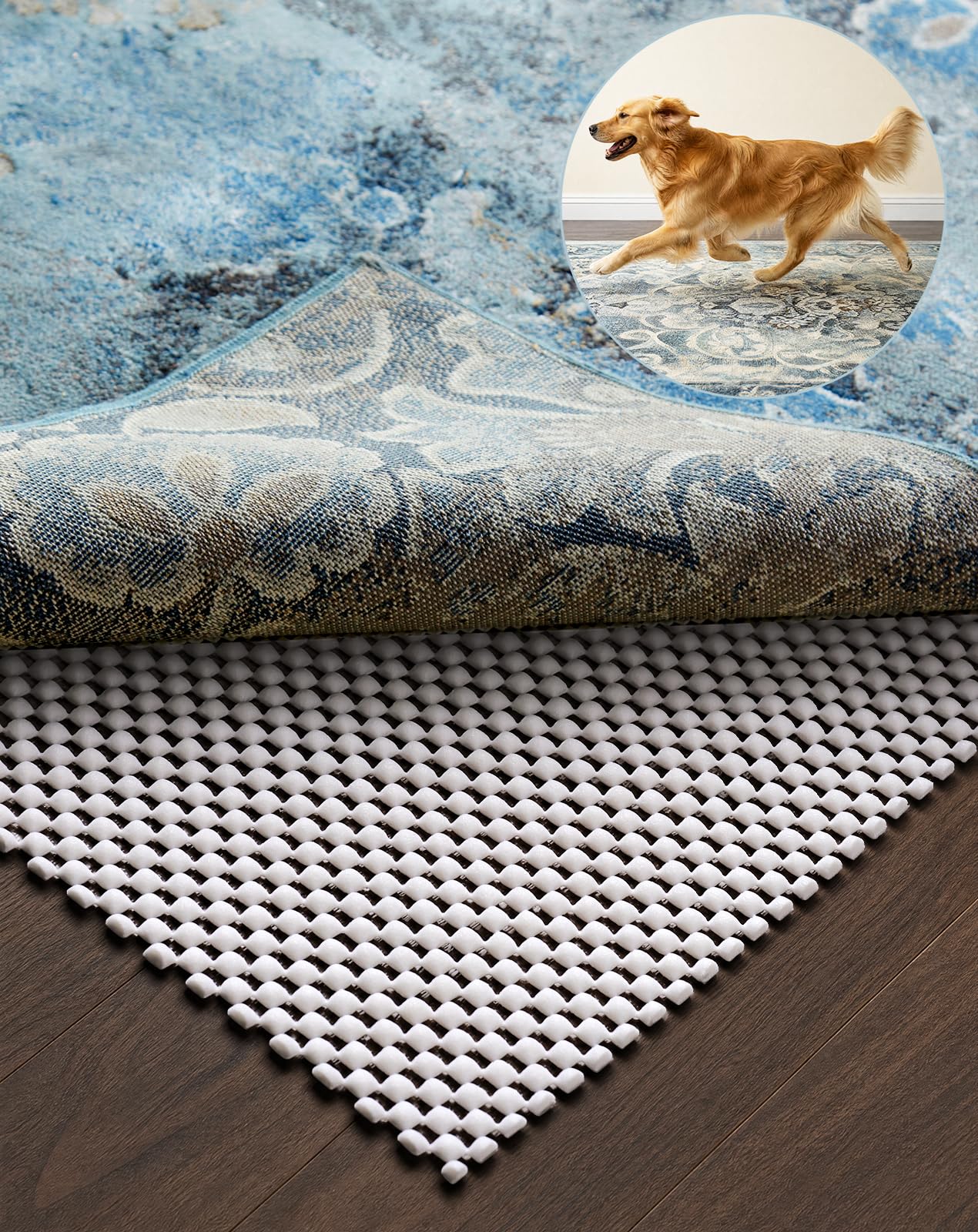
We recommend this rug pad for people with arthritis who need a flatter, steadier walking surface under a small rug.
Pros
- Helps reduce rug movement and bunching
- Adds light cushioning under thin rugs
- Easy to trim with household scissors
Cons
- May stick strongly to some wood floors
- Can collect dirt and prove hard to clean
- Not suitable for several floor types
We found the Veken pad simple to place under a small rug. Once positioned, it kept the rug from shifting during normal walking and made the surface feel more stable underfoot.
The thin padding added some comfort without making the rug feel raised or unstable. We also liked that we could trim the pad to match an unusual rug shape.
The grip may work too well on certain hardwood floors. We would check the floor-care instructions first, since the pad should not be used on vinyl, natural stone, refinished surfaces, concrete, or heated floors.
Dust and debris can gather in the open grid, and cleaning requires hand washing. For a 2-by-3-foot rug in a dry room, this Veken pad offers useful stability at a reasonable price.
KitchenClouds Cushioned Kitchen Mat

We recommend this mat for people with arthritis who need light cushioning and a steadier surface near a sink or counter.
Pros
- Soft foam reduces pressure during longer periods of standing.
- Textured backing and beveled edges support safer footing.
- Water-resistant surface wipes clean quickly.
Cons
- Small size covers only a limited area.
- Some users found it too thin for firm joint support.
- The mat may arrive curled and need time to flatten.
We found the KitchenClouds mat comfortable underfoot on hard flooring. Its half-inch foam gives noticeable relief at the sink, though it may not feel supportive enough for people who prefer a very firm or thick mat.
The diamond-patterned underside helped keep the mat in place during normal use. We still needed to place it on a flat, dry floor, since moisture underneath can make any mat slide. The beveled edges also reduced the chance of catching a toe.
Cleaning took little effort. We wiped away small spills with a damp cloth, and the surface did not hold much dust. The 28-by-17.3-inch size works well in front of a sink or workstation, but we would choose a larger mat for wider spaces.
The mat may arrive with folds from shipping. We would lay it flat and use gentle warmth from a hairdryer if needed. Pet owners should also note that sharp claws can damage the PVC surface.
HappyTrends Cushioned Kitchen Mat

We recommend this mat for people with arthritis who want softer support and steady footing during short periods of standing.
Pros
- Cushioned surface eases pressure on feet and joints
- Beveled edges help reduce tripping
- Water-resistant surface wipes clean easily
Cons
- Small size may not cover larger work areas
- Works best only on a dry floor
- PVC may feel less supportive than thicker mats
We found the foam-like padding more comfortable than a hard kitchen floor, especially while standing at the sink. It offers a steady base without feeling overly soft, which can help reduce the need to shift weight often.
The textured top gave us good traction during normal use. Its beveled edges also blended into the floor and made the mat less likely to catch our toes. We still placed it on a dry, clean surface because the backing can move on moisture.
Spills wiped off with a damp cloth, and the surface did not hold much dirt. At 28 by 17.3 inches, it fits well in front of a sink, washer, or desk, but we would choose a larger mat for wide kitchen areas or longer walking paths.
Made Medical Bedside Fall Mat
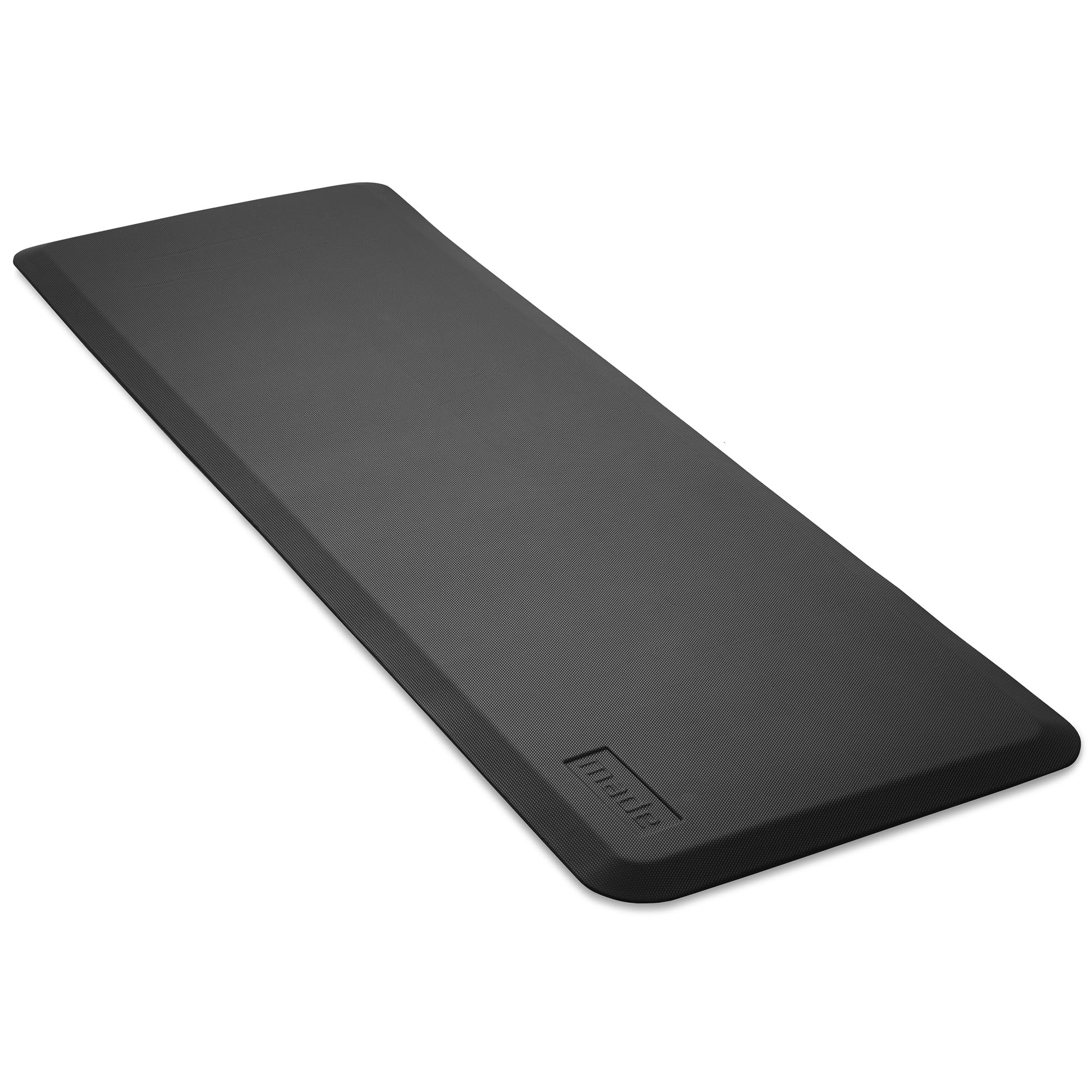
We recommend this mat for bedside use because its cushioned surface, grippy base, and beveled edges support safer movement for people with arthritis.
Pros
- Cushioned foam helps soften a fall or offers more comfort while standing.
- Beveled edges make it easier for walkers and wheelchairs to cross.
- Water-resistant PVC wipes clean with mild soap and water.
Cons
- The top may feel slippery with socks or smooth footwear.
- Its 24-inch width may not cover a wide bedside area.
- The firm mat can feel less comfortable for extended standing.
We found the mat easy to place beside a bed, and its tapered edges reduced the chance of catching a foot or walker wheel. The textured bottom also helped it stay in position on the floor.
The thick surface provided useful cushioning when standing up or stepping beside the bed. It felt supportive rather than soft, which may suit people who need a stable surface under sore joints.
The main concern involves footwear. Some users report that the top feels slick with socks, so we would use shoes or slippers with a reliable tread. Overall, this mat works best as a bedside fall pad, not as a general walking rug.
GORILLA GRIP Rug Gripper Pad
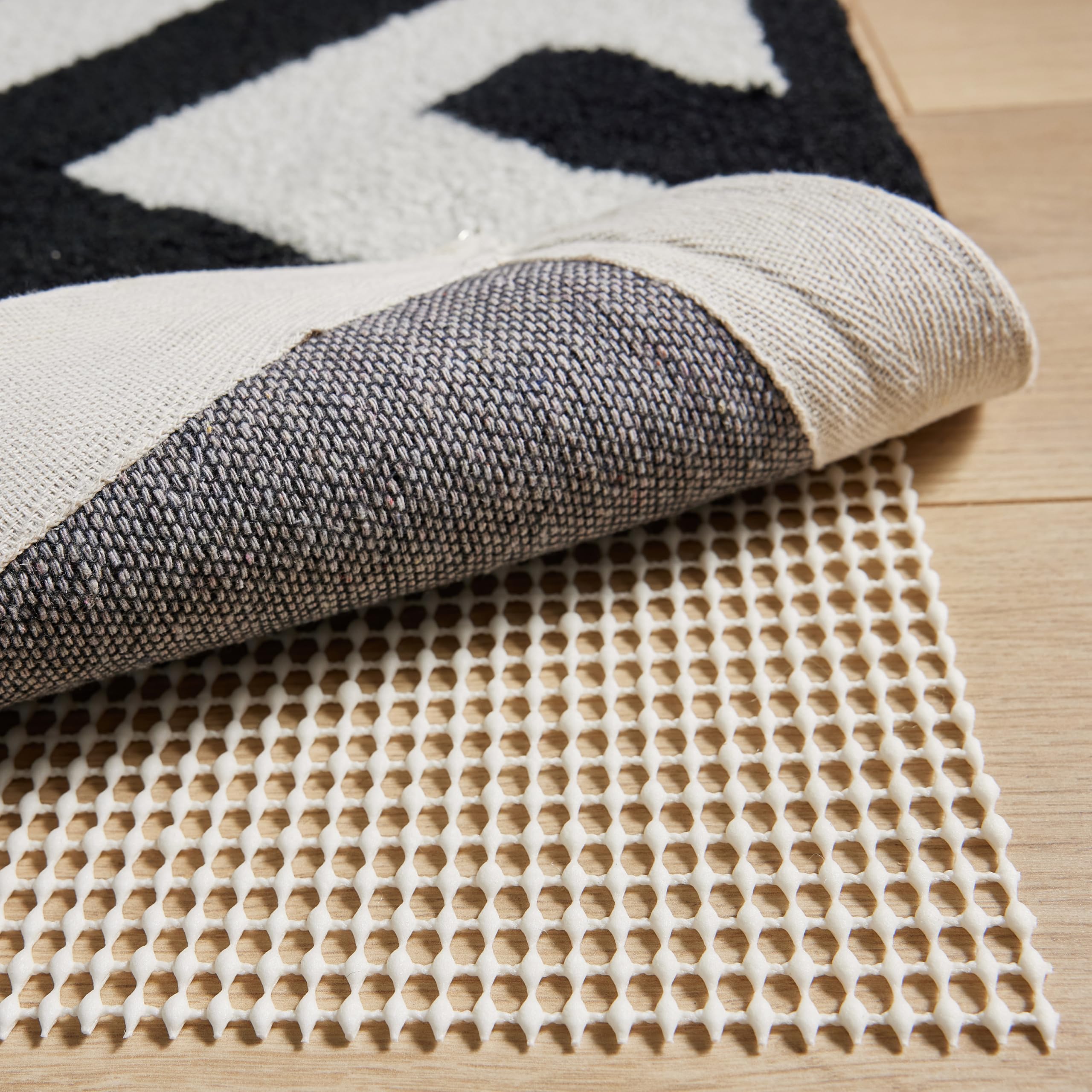
We recommend this rug pad for people with arthritis who need a firm, low-profile grip on hard floors.
Pros
- Holds rugs flat on hardwood, tile, and other hard floors
- Trims easily with household scissors
- Adds light cushioning without much extra height
Cons
- Works best when both the floor and rug are clean
- May need corner adjustment on unusual rug shapes
- Offers limited padding compared with thick foam pads
We found the dual-sided grip kept a small rug from shifting during regular foot traffic. That added stability can make daily walking feel more secure, especially for anyone who finds sudden rug movement painful or difficult to manage.
The pad lies flat and does not create a large step at the rug’s edge. We also liked that we could cut it to fit under a smaller mat without much effort. Its open grid design allows some airflow and makes vacuuming over the rug manageable.
This model adds a little softness underfoot, but it does not replace a thick comfort pad. We would use it for entryways, kitchens, bathrooms, and other areas where preventing slips matters more than plush cushioning. Cleaning the floor first helped the pad grip more effectively.
SUMLANS Cushioned Kitchen Mat Set

We recommend this set for people with arthritis who want cushioned, low-pile mats that help reduce standing fatigue in the kitchen.
Pros
- Cushioned surface feels comfortable during food preparation and dishwashing
- Rubber backing helps limit sliding on smooth floors
- Absorbent, washable surface handles common kitchen spills
Cons
- The mats may feel thinner than expected
- They need air drying after washing
- The brown color may not suit every kitchen
We found the padding helpful when standing at the counter for longer tasks. The mats felt softer than a bare floor, which may reduce pressure on sore feet, knees, and joints.
The rubber backing kept the mats steady on hard flooring during normal use. We still recommend placing them on a clean, dry floor and checking the edges, since no rug can prevent every slip.
The two-piece set covers a long work area and a smaller spot near a sink or counter. The low profile also made it easier for us to step onto the mats without catching our toes.
Cleaning was simple with a vacuum or washing machine. After washing, we would air-dry the mats as directed rather than using a dryer. Some users may find the surface less woven-looking than the product photos suggest, and the smaller mat may feel limited in tight spaces.
BYYVOO Washable Non-Slip Rug
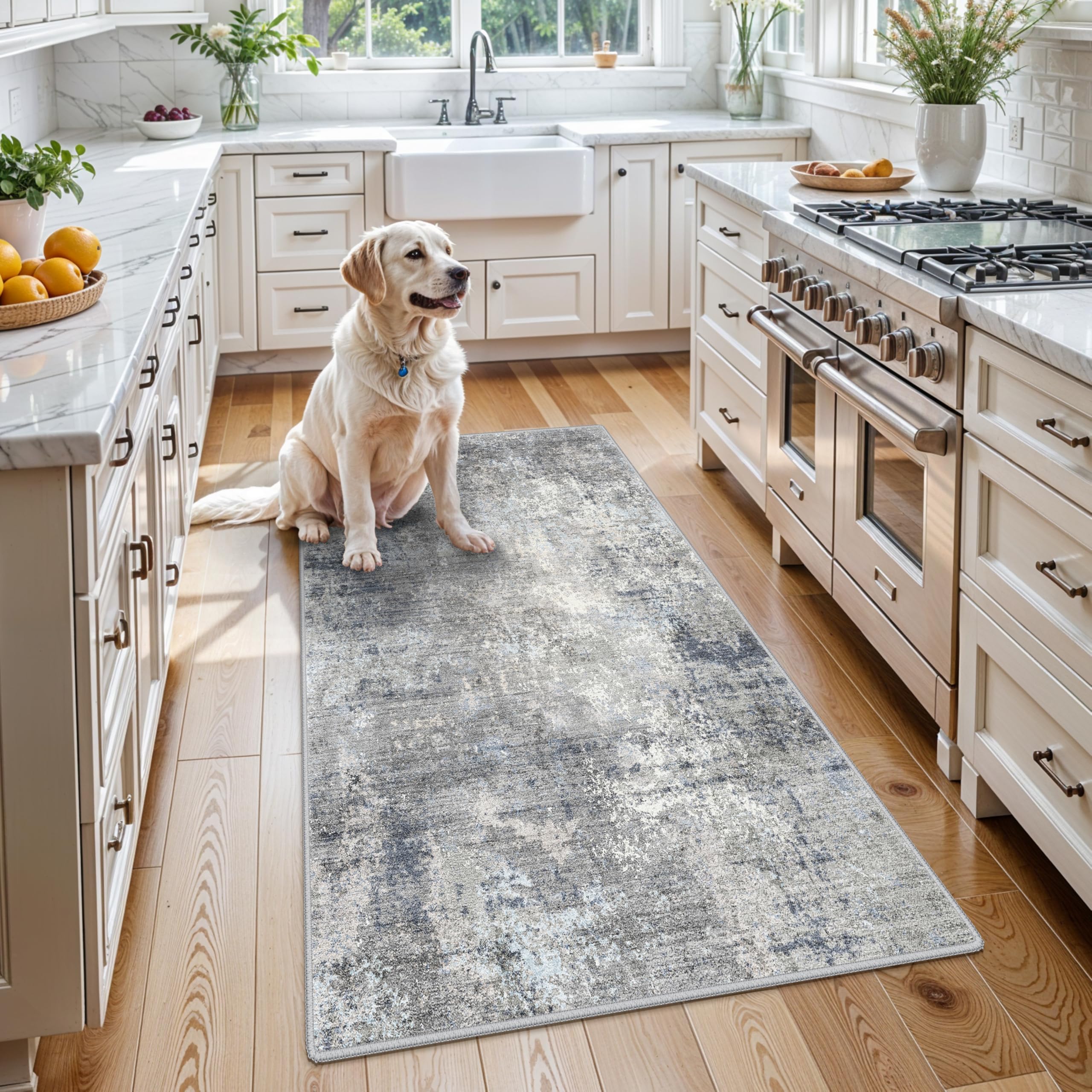
We recommend this rug for people with arthritis who want a soft, low-profile surface that stays in place and washes easily.
Pros
- Textured rubber backing helps reduce sliding on hard floors
- Soft, low pile feels comfortable under bare feet
- Lightweight design makes washing and repositioning easier
Cons
- Very thin, so it offers little cushioning
- May need a rug pad on some smooth floors
- The light blue-gray color may look different from the listing
We found the BYYVOO rug easy to walk across without catching our toes. Its thin profile also cleared doors well, which helped in an entryway. The soft surface felt pleasant underfoot, but it did not provide much relief on hard flooring.
The backing held well during normal use on wood and laminate. We would still check the rug after placing it, since smooth floors may need an added pad for extra stability, especially when turning or using a mobility aid.
Cleaning was simple. We could sweep away light debris, wipe small spills, and place the rug in the washing machine when it needed a deeper clean. Its light weight also made it easier to lift than a thick area rug.
The abstract blue-gray pattern suits modern rooms, hallways, bedrooms, and kitchens. Choose this rug if easy care and a low edge matter most; choose a thicker option if joint cushioning is your main need.
Veken Cushioned Rug Pad
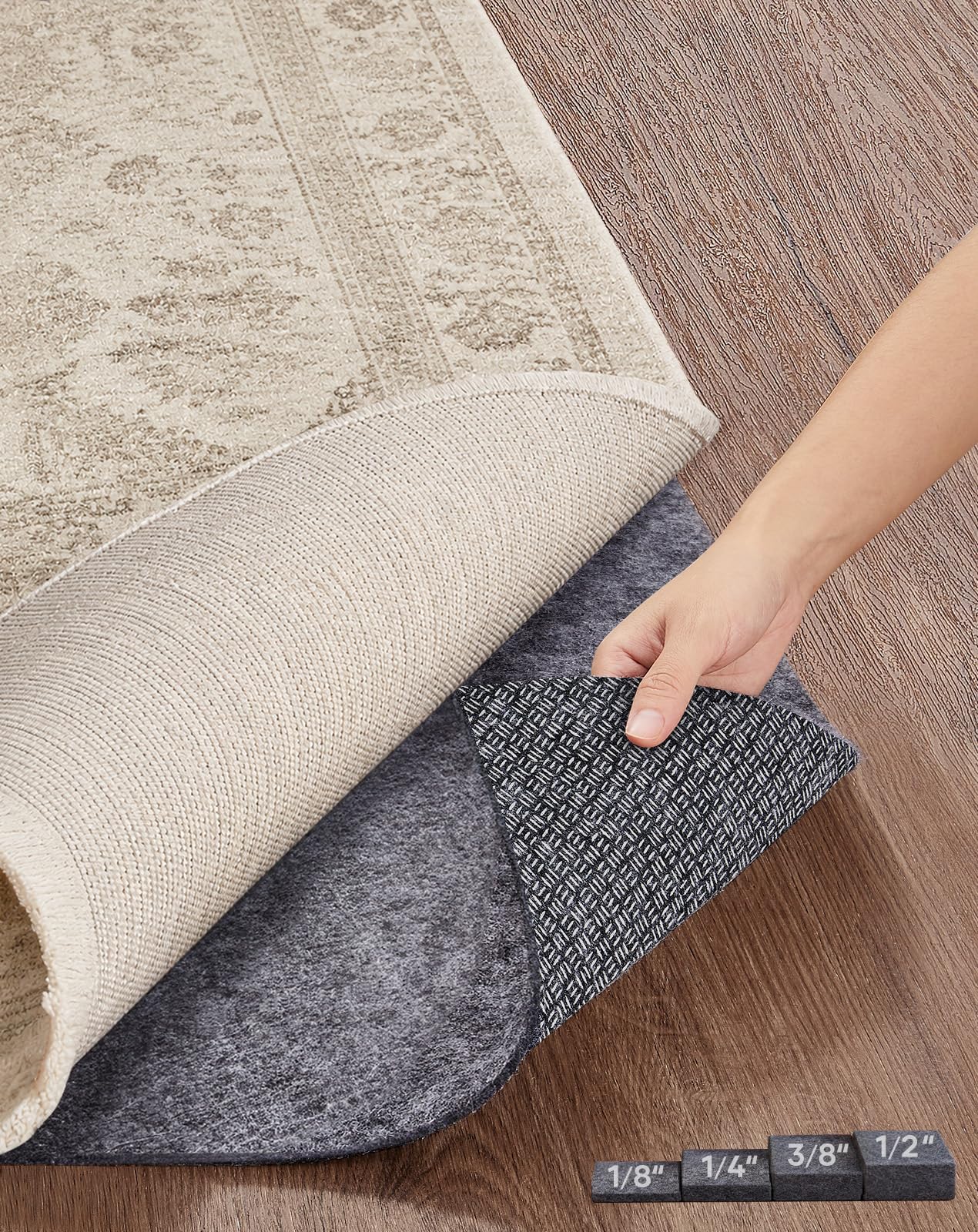
We recommend this pad for people with arthritis who want more grip and light cushioning under a small area rug.
Pros
- Silicone backing helps limit sliding on many hard floors
- Felt layer adds gentle cushioning underfoot
- Easy to trim with household scissors
Cons
- Grip can vary by floor and rug material
- Some rugs may still shift on top
- Vacuum-only care limits cleaning options
We noticed a clear improvement under a thin rug on laminate flooring. The pad stayed steady, and the rug felt less harsh underfoot. That extra softness can make standing or walking across the rug more comfortable for sore joints.
The textured top helped hold several rugs in place, but results were not the same on every surface. We found that smooth tile or certain rug backs could still allow movement, so careful sizing and a flat installation matter.
The pad cuts easily without much fraying, which helps when the rug has an unusual shape. Its low profile also avoids creating a large step, though people seeking thick cushioning may want a more substantial pad.
RELEANY Sunflower Washable Area Rug
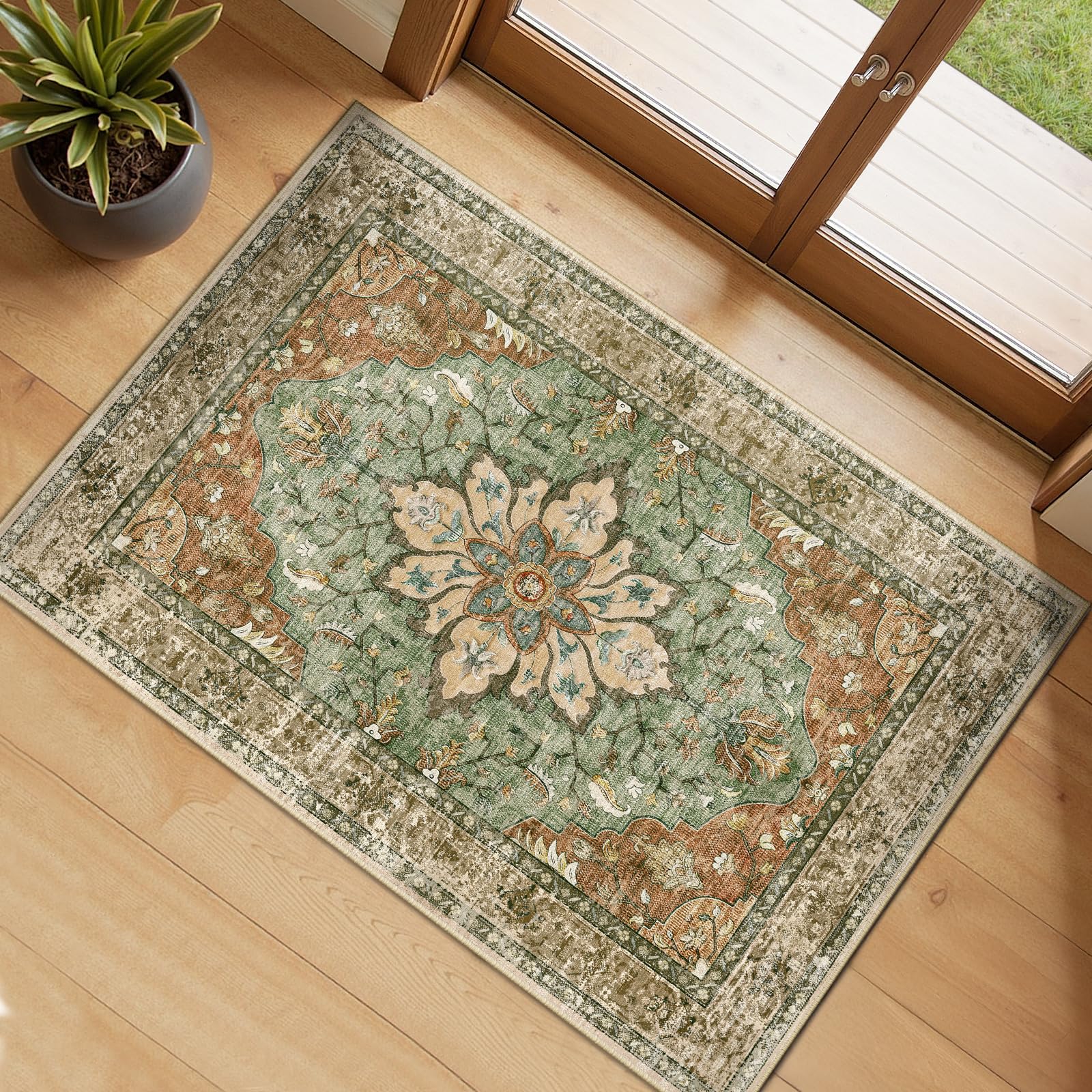
We recommend this soft, low-pile rug for arthritis-friendly spaces because its non-slip backing, easy cleaning, and slim profile make daily movement simpler.
Pros
- Soft surface feels comfortable underfoot
- Non-slip backing helps limit movement
- Machine washable and easy to vacuum
Cons
- Folded shipping may leave temporary creases
- Thin design may need extra cushioning
- Grip may vary on smooth floors
We found the rug pleasant to walk on, with a soft polyester surface that felt comfortable in the kitchen and bedroom. Its low pile also made it easier to move across without catching our toes, which can matter for people with stiff joints or limited mobility.
The TPR backing helped keep the rug in place during normal use. We would still check the edges after placing it on hardwood or tile, since smooth floors can reduce grip. A separate rug pad may add stability and cushioning for anyone who needs more support.
Cleaning was simple. We could wipe small spills, vacuum the surface, and machine wash the rug for deeper cleaning. The low pile also worked well with robot vacuums and fit beneath doors and furniture.
The vintage floral print adds color without making the rug feel too bold. We noticed creases after unpacking, but they should relax with use; reverse-folding the rug or placing weight over the folds can speed up the process.
BAGAIL Non-Slip Rug Pad

We recommend this rug pad for people with arthritis who need more stable footing and light cushioning under a small area rug.
Pros
- Holds most rugs in place on hard floors
- Adds a thin layer of cushioning
- Easy to trim for a custom fit
Cons
- May need occasional adjustment under some rugs
- Can have a temporary chemical odor
- Spot-cleaning limits deep cleaning
We found the pad easy to place under a 2-by-3-foot rug. Once centered, it reduced sliding and helped stop the rug from bunching when we walked across it. That added stability can make daily movement feel more controlled for people with stiff or painful joints.
The open mesh gave the rug a little extra softness without making it feel noticeably raised. We also liked that household scissors cut the pad easily, which helped us fit it around corners and keep the edges hidden.
Some users may notice an odor when they first open the package. We recommend airing it out before use. The pad also does not attach to the rug, so we needed to reposition the rug occasionally on certain floors. Overall, it works best when the pad matches the rug size closely and the floor is clean.
Buying Guide
When choosing a non-slip rug for arthritis, we should focus on features that reduce trip risks and make daily movement easier. A stable rug can also limit the need to bend, lift, or adjust it often.
| Feature | What we should look for |
|---|---|
| Secure backing | A rubber or latex-free non-slip backing that grips the floor |
| Low pile | A thin, even surface that helps shoes, walkers, and wheelchairs move smoothly |
| Flat edges | Bound or beveled edges that reduce curling and catching |
| Soft texture | A comfortable surface that does not require extra padding beneath it |
| Easy care | Machine-washable or spot-clean materials that need little effort |
| Correct size | Enough coverage for the area without creating extra edges or folds |
We should measure the space before buying. Leave doors, cabinets, and mobility aids enough clearance, and avoid placing rugs where they may block a walking path.
A rug should lie flat when installed. We can check that the backing suits our floor type and follow the care instructions to prevent curling or loss of grip.
For homes with walkers or wheelchairs, we should choose a firm, low-profile rug with no loose layers. In damp areas, we should also look for materials that dry easily and resist moisture buildup.
Editor’s Choice
We chose the Ruggable Cushioned Rug as our top pick for people with arthritis. Its nonslip backing helps keep the rug in place, while the cushioned pad adds support underfoot. The low-profile design also reduces the risk of catching a toe or mobility aid.
We like its washable cover because spills and dirt can be removed without replacing the entire rug. The cover attaches to the pad, but we recommend smoothing it flat after washing to reduce wrinkles.
| Feature | Why it helps |
|---|---|
| Nonslip backing | Helps limit unwanted movement |
| Cushioned pad | Adds comfort on hard floors |
| Low profile | Reduces trip risk |
| Washable cover | Simplifies cleaning |
| Many sizes | Fits kitchens, bedrooms, and hallways |
Before buying, we suggest checking the rug’s size and the floor type in your home. We should also secure any loose edges and inspect the backing regularly for wear. People who use walkers or wheelchairs may prefer a firm, thin rug with no raised border.
Conclusion
We should choose a non-slip rug that supports safe movement and reduces strain on sore joints. A low-pile design with a firm backing can make walking, turning, and using mobility aids easier.
We should also check the rug’s size, edge design, and placement. Flat edges, secure corners, and a stable non-slip pad can help reduce trip risks, especially in busy areas such as hallways, kitchens, and bathrooms.
Before buying, we can confirm that the rug stays flat on the floor and remains easy to clean. We should replace any rug that curls, slides, or develops worn areas.
FAQs
What makes a rug suitable for arthritis?
We look for rugs with a stable backing, a low pile, and a smooth surface. These features can reduce trip risks and make walking easier for people with stiff or painful joints.
Do we need a rug pad?
A rug pad can add grip and cushioning, but it must match the rug’s size and floor type. We should choose a nonslip pad instead of relying on a loose rubber sheet or tape.
Which rug pile works best?
We usually recommend a low-pile or flatweave rug. High-pile rugs can catch mobility aids and may require more effort to walk across.
Are washable rugs a good choice?
Washable rugs can help us manage spills and dust. We should check that the rug stays flat after washing and has a secure nonslip backing.
How do we keep a rug from moving?
We can use a properly sized nonslip pad, keep the floor clean and dry, and place the rug away from uneven surfaces. We should replace a pad when it curls, slides, or loses its grip.
What size rug is safest?
We should select a size that fits the area without creating exposed edges in walking paths. Large rugs often provide better coverage, but we must keep all corners flat.
Can we use rugs with a walker or cane?
We can, but the rug should have a low profile, firm surface, and secured edges. We should test it carefully before using it in a main walkway.
