
10 Best Night Lights for Arthritis: Comfortable Options for Better Sleep


Heated Blanket

Glucose Monitor Kit

Lap Desk for Reading
Night lights can help reduce trips in the dark and make bedrooms, hallways, and bathrooms easier to navigate. For people with arthritis, the right light can also limit the need to bend, reach, twist, or fumble with small controls when getting up at night.
We look for night lights that provide enough light to see clearly while using simple controls, easy installation, and features that reduce strain on sore hands and joints. Key factors include motion sensors, adjustable brightness, soft or glare-free light, plug-in or rechargeable power, and a design that stays cool and secure. We tested and researched night lights to find the options that offer safe, simple nighttime lighting for people with arthritis.
Best Night Lights for Arthritis
We selected the best night lights for arthritis based on brightness, ease of use, placement, and helpful features. Our list includes options that can improve nighttime visibility while reducing the need to search for switches or move around in the dark.
EASZZZ Flip Night Light
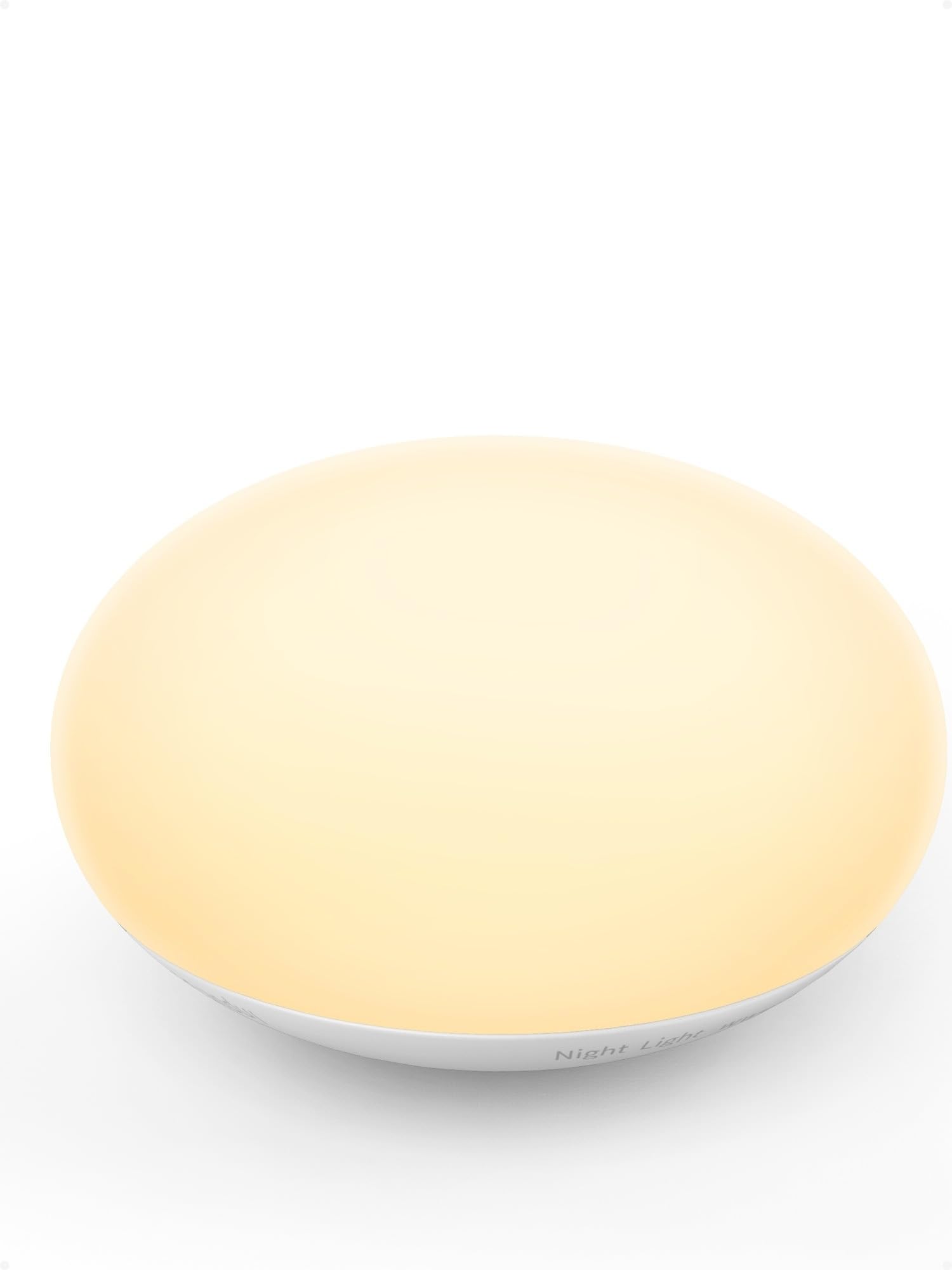
We recommend this compact light for people with arthritis who want simple controls, soft brightness, and easy portability.
Pros
- Flip control avoids small switches
- Stepless dimming helps reduce glare
- Lightweight, cordless design
Cons
- Charging adapter is not included
- Small size may be easy to misplace
- One reported failure involved charging
We found the flip design useful at night because it avoids button pressing. A quick turn switches the lamp on or off, which can feel easier when finger movement is stiff or painful.
The silicone body feels soft and provides a secure grip. We could carry it from the bedroom to the bathroom or keep it beside a chair without managing a cord. Its small size also makes it suitable for travel.
Brightness adjusts with a long press, allowing us to choose a very low setting for nighttime movement or a brighter setting when we need to see clearly. The warm light feels comfortable for reading labels, walking, or handling items without using a harsh overhead lamp.
The lamp charges through USB-C and can run while charging. We would keep the cable nearby because the package does not include a wall adapter. Most user feedback is positive, though one review reported that the unit stopped charging after a short period.
YUNLEX Red Dimmable Night Light

We recommend this two-pack for people with arthritis who need gentle, automatic lighting for nighttime movement.
Pros
- Soft, indirect red glow
- Three brightness levels
- Dusk-to-dawn operation
Cons
- Red light may not suit every room
- Plug-in design limits placement
- Made for indoor use only
We found the low setting comfortable for trips to the bathroom without creating a harsh burst of light. The diffused design keeps the LEDs from shining directly into our eyes, which helps when we wake up and need time to adjust.
The built-in sensor turned the light on when the room became dark and off in daylight. That hands-free feature can help people with stiff or painful hands avoid searching for a switch.
We also liked the slim shape because it left the second outlet free. The high setting gave us better visibility in a hallway, while the lower settings worked better near a bed. The red color may feel unusual, and it does not provide the same clear color detail as a white light.
L LOHAS Amber Plug-In Night Lights

We recommend this two-pack for anyone who wants soft, automatic light to make nighttime movement easier without reaching for a switch.
Pros
- Soft amber glow feels comfortable in dark rooms
- Dusk-to-dawn sensor handles the light automatically
- Slim design leaves nearby outlets available
Cons
- Some users may find the light too bright
- The bulbs are not dimmable
- Indoor use only
We found these lights simple to use: plug them into a wall outlet, and the built-in sensor takes care of the rest. They turn on in low light and shut off when the room brightens, which helps when stiff hands make small switches harder to manage.
The amber color gives hallways, bedrooms, and bathrooms a warm path without the harsh feel of cool white light. We could see the floor and nearby obstacles clearly, while the compact shape stayed mostly out of the way.
Brightness may depend on personal comfort. We found the light useful for walking, but people with sensitive eyes may prefer placing it farther from the bed. The fixed output also gives us no way to lower the brightness.
This pack works best when we want low-effort lighting in two areas, such as a bedroom and bathroom. It uses very little power and requires no batteries, but it should stay away from damp areas because it is not waterproof.
GE Amber SleepLite Night Lights

We recommend this two-pack for people with arthritis who need soft, automatic lighting for safer nighttime movement.
Pros
- Warm amber glow reduces harsh glare
- Dusk-to-dawn sensor removes the need for switches
- Leaves one outlet available
Cons
- Plastic body feels basic
- Some users may find the light too bright
- Not water resistant
We found the amber light comfortable for walking through a hallway or bathroom at night. It provided enough visibility to spot obstacles without the sharp feel that bright white lights can create.
The automatic sensor worked well during our testing. The lights came on in darkness and switched off in daylight, so we did not need to reach for a small switch. That makes them useful for anyone whose hand pain makes frequent switching difficult.
Each unit has a compact plug-in design and can leave the second outlet open. The two-pack also lets us place one light near the bedroom and another along the route to the bathroom.
The plastic construction looks clean but does not feel especially sturdy. We would also avoid placing these near sinks or wet areas because they are not water resistant.
DORESshop Adjustable Warm-White Night Light

We recommend this two-pack for people with arthritis who need gentle, adjustable light for nighttime movement.
Pros
- Three brightness levels suit different rooms and needs
- Dusk-to-dawn sensor handles turning the light on and off
- Compact design leaves the second outlet available
Cons
- Push-button controls may feel small for stiff fingers
- Warm light may not suit readers who need sharper contrast
- Indoor use only
We found the lowest setting useful in a bathroom and hallway because it gave us enough light to see without making the room feel harsh. The warm tone worked well for nighttime trips when we wanted to avoid bright overhead lighting.
The side button changes the brightness, but people with limited hand movement may find it less convenient than a larger switch. Once we chose a setting, the sensor made daily use simple by switching the light on in darker conditions.
Its slim cylindrical shape stayed out of the way of another plugged-in device. The light also used very little power, making it practical for several locations around the home. We would avoid placing it near water because it is not water resistant.
AUVON Backlit Night Light 4-Pack

We recommend this set for people with arthritis who want soft, adjustable lighting that turns on without reaching for a switch.
Pros
- Diffused warm light feels gentle on the eyes
- Motion and dusk-to-dawn modes reduce bending and reaching
- Dimming controls make brightness easy to adjust
Cons
- The lowest setting may still feel too bright for some users
- Motion mode turns off after about 60 seconds
- The lights are not water-resistant
We found the backlit design useful at night because it reflects light onto the wall instead of shining directly into our eyes. The warm glow helped us see hallways and bathroom paths without creating harsh glare.
The motion sensor responded quickly when we walked by. This feature can help anyone with stiff or painful hands, since we did not need to press a button in the dark. The dusk-to-dawn mode also kept the light ready without daily adjustments.
Brightness control worked well for different rooms. We could choose a low glow for the bedroom or increase the light for a hallway. The compact plug-in design left the second outlet open, which made it easier to keep nearby devices connected.
The main drawback was the short motion-on period. We sometimes needed the light to activate again when moving slowly through a room. The four-pack offers good coverage, but these lights work best indoors and away from water.
THAUSDAS Touch Night Light

We recommend this rechargeable lamp for arthritis because its touch controls, adjustable brightness, and portable design make nighttime movement easier.
Pros
- Easy top-touch controls
- Portable and rechargeable
- Adjustable brightness and colors
Cons
- Remote control may be less useful for stiff hands
- Not water-resistant
- Some reports of short product life
We found the top controls simple to use from bed. A light tap changed the brightness or color without requiring a small switch, which can help when finger joints feel sore or stiff.
The lowest setting worked well for walking to the bathroom without filling the room with harsh light. We could also raise the brightness for reading or other tasks that needed clearer visibility.
Its compact design made it easy to carry from the bedroom to the hallway. The rechargeable battery reduced cable clutter, though we would keep it away from sinks and damp areas because the lamp is not water-resistant.
The color options add flexibility, but most people shopping for arthritis support will likely use the warm or white settings. The remote offers another control method, although the small buttons may be harder to manage for some users.
MAZ-TEK Dimmable Night Light 4-Pack

We recommend this set for people with arthritis who need soft, adjustable light for safer nighttime movement.
Pros
- Adjustable brightness helps reduce glare.
- The dusk-to-dawn sensor turns the light on automatically.
- Its compact design leaves the second outlet open.
Cons
- The plastic housing may feel less durable than metal.
- It does not provide enough light for reading.
- The sensor may activate in dim rooms during the day.
We found the sliding dimmer easy to use, especially when setting a low glow for a bedroom or hallway. The warm light helped us see the floor without creating harsh glare, which can make nighttime movement more comfortable.
The automatic sensor also reduced the need to reach for a switch. That matters when stiff or painful hands make small tasks harder. We could walk to the bathroom or kitchen without searching for a control in the dark.
Each light takes up little wall space and does not block the nearby outlet. The four-pack worked well across several rooms, including the bedroom, bathroom, and stairway. However, the light works best as a guide light rather than a main source of illumination.
We also liked the low-power LED design because it needs no bulb changes. For homes where arthritis makes frequent maintenance difficult, that offers a practical benefit.
GOODEA Magnetic Motion Night Light
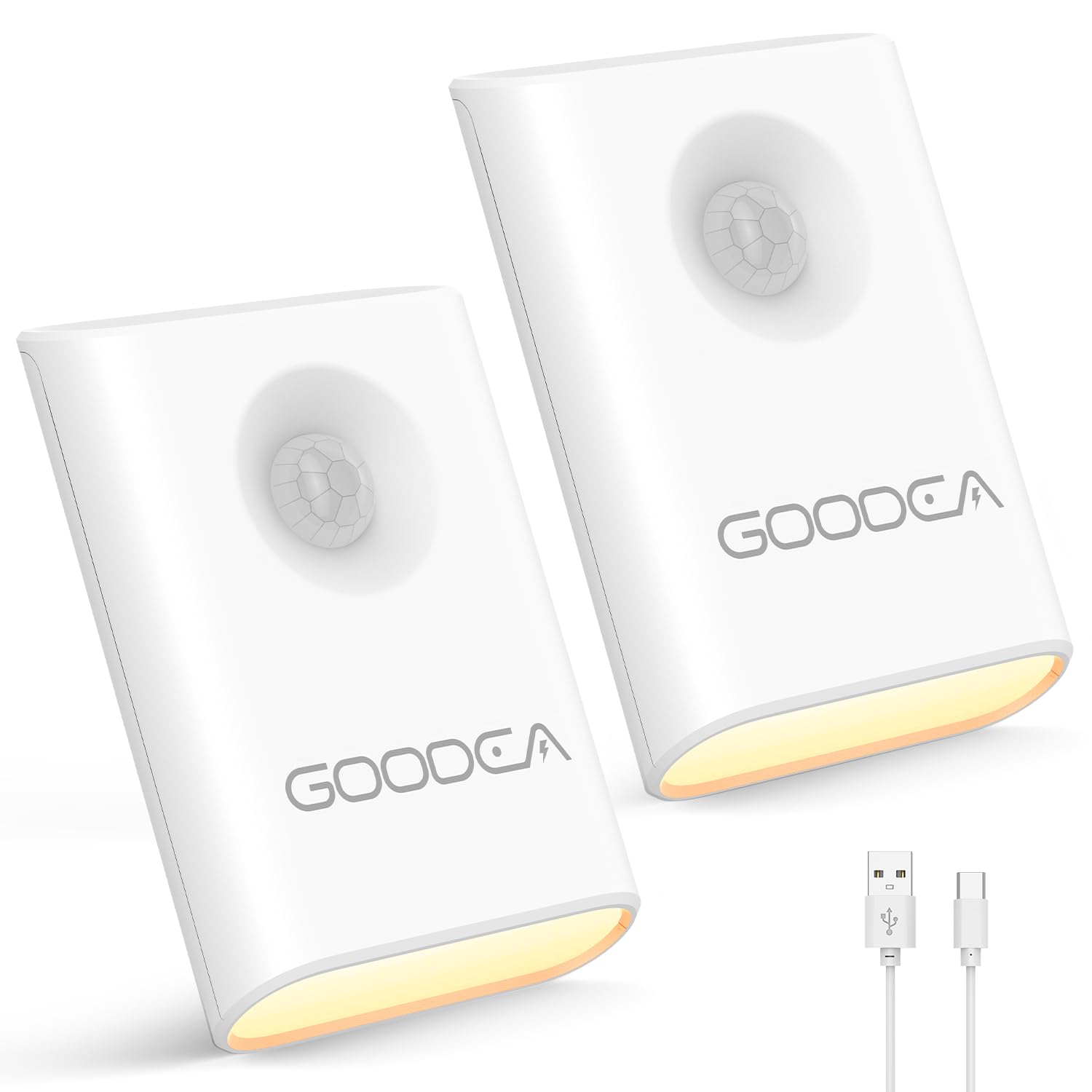
We recommend this two-pack for arthritis because its motion sensor and rechargeable design reduce the need to reach for switches or replace batteries.
Pros
- Motion activation helps limit nighttime bending and reaching
- Warm light has three brightness levels
- Magnetic mounts make removal and charging simple
Cons
- No always-on setting
- Adhesive mounting may be needed on nonmetal surfaces
- The light is not water resistant
We found these lights easy to place near a bed, hallway, or bathroom. They turned on quickly when we walked past in the dark, so we did not need to search for a small button or handle a plug.
The warm light gave us enough visibility without the harsh glare of a main room light. We could lower the brightness for a bedroom or raise it for stairs and bathroom use.
Charging was also straightforward, and the cordless design kept outlets clear. The magnetic mount made it easy to remove a light, although the magnet may not hold securely on every surface. Since the unit lacks an always-on mode, it works best for short nighttime trips rather than continuous lighting.
G Keni Portable Touch Night Light

We recommend this compact lamp for people with arthritis who want simple touch controls, adjustable brightness, and cordless use near the bed.
Pros
- Top-mounted touch control avoids small switches
- Dimmable light helps reduce glare at night
- Rechargeable battery supports portable use
Cons
- Long-press dimming may take practice
- The light may look cooler than expected
- Plastic body feels lightweight
We found the top touch control easy to use when reaching from bed. A quick tap turns the lamp on or off, while holding the control changes the brightness. That setup can feel easier on sore or stiff fingers than twisting a knob or searching for a tiny switch.
The lowest setting gives soft light for walking to the bathroom or finding items without fully lighting the room. At higher levels, we could read or handle basic tasks. Some users may find the color less warm than advertised, so it may not suit anyone seeking an amber glow.
Because the lamp runs on a rechargeable battery, we could move it without managing a cord. Its small size also made it easy to place on a nightstand or carry between rooms. We would keep it indoors, since it does not resist water.
Battery life depends on the brightness we use. Lower settings last through several nights, while the brightest level needs charging sooner. Overall, the G Keni works well for arthritis-friendly bedside lighting, especially when simple controls matter most.
Buying Guide
When choosing a night light for arthritis, we should focus on features that reduce hand movement and make nighttime use easier. A simple design can help us avoid small switches, tight buttons, and difficult battery compartments.
| Feature | What we should look for |
|---|---|
| Controls | Large buttons, touch controls, or automatic sensors |
| Brightness | Adjustable light that supports safe movement without glare |
| Placement | A stable base, wall mounting, or a clip that needs little force |
| Power | A long-lasting battery or an easy-to-reach charging port |
| Color | Warm or soft white light for a more comfortable nighttime setting |
| Safety | A cool-to-touch design and a secure, non-slip base |
Motion sensors can turn the light on without requiring us to reach for a switch. We should check the sensor range and whether the light stays on long enough to guide us across a room.
We should also consider the light’s size and weight. A lightweight model may be easier to move, while a wider base can provide better stability. If we plan to place it near a bed or hallway, we should measure the available space first.
Ease of cleaning and setup also matters. We should choose a model with clear instructions, few parts, and surfaces that we can wipe clean without removing the cover.
Editor’s Choice
We chose the Sengled Smart LED Night-Light as our top pick for arthritis-friendly use. Its soft light helps reduce glare, while voice or app controls can limit the need to reach for a small switch.
The plug-in design keeps the light in one place, and adjustable brightness lets us choose a level that supports safe movement without making the room too bright. We also value its compact shape, which leaves nearby outlets available.
| Feature | Why it helps |
|---|---|
| App and voice control | Reduces hand strain |
| Adjustable brightness | Supports comfortable nighttime use |
| Plug-in design | Avoids battery changes |
| Soft LED light | Limits harsh glare |
We recommend pairing it with a motion sensor when possible. Automatic activation can help us see steps, hallways, and furniture without searching for a button in the dark.
Those who prefer a simpler option can choose a night light with a large rocker switch. We should look for a wide, easy-grip control and place the unit where we can reach it without bending or twisting.
Conclusion
We can make nighttime movement safer and more comfortable by choosing a light that matches our needs. Soft, warm light can reduce glare, while motion sensors can limit the need to reach for switches or buttons.
We should look for controls that are easy to use with stiff or painful hands. Large buttons, simple settings, lightweight designs, and flexible placement can make daily use easier.
A suitable night light may include:
- Warm, dimmable lighting for less glare
- Motion activation for hands-free use
- Stable placement to prevent falls
- Simple controls that require little force
- Rechargeable or long-lasting power for fewer changes
We should place lights along common paths, such as beside the bed, near the bathroom, and in hallways. Testing the light at night helps us confirm that it provides enough visibility without disturbing sleep.
FAQs
Can a night light help with arthritis pain?
A night light does not treat arthritis, but it can make nighttime movement safer. We can use one to reduce the need to search for switches, which may help limit sudden strain on stiff joints.
What type of night light works best?
We recommend a light with a soft, warm glow and simple controls. Motion sensors, automatic shutoff, and adjustable brightness can make the light easier to use when hand movement is painful.
Where should we place it?
We should place the light along common walking paths, such as beside the bed, near the bathroom, and along stairs. We should keep cords out of walkways to reduce fall risks.
Is a motion-sensor light useful?
Yes. A motion sensor can turn the light on without requiring us to press a small button. We should choose a model with reliable detection and a brightness level that does not disrupt sleep.
Should we choose a plug-in or battery-powered model?
Plug-in lights work well in fixed locations and do not need regular battery changes. Battery-powered lights suit areas without nearby outlets, but we should select models with easy-to-open battery compartments.
What color light should we use?
Warm white or amber light often feels less harsh at night than cool white light. We can choose adjustable brightness to balance visibility and sleep comfort.
