
10 Best Motion Sensor Lights for Home: Top Picks for Every Room


Shower Chair for Elderly

Hands-Free Neck Magnifier

Automatic Pill Dispenser
Motion sensor lights turn on when they detect movement, giving you light only when you need it. They can improve safety around entryways, walkways, garages, stairways, and other dark areas while using less energy than lights that stay on all night.
Home motion sensor lights come in several forms, including wall-mounted floodlights, porch lights, pathway lights, and battery-powered indoor models. The best motion sensor light for your home should match the space, provide enough brightness, and offer reliable detection without turning on too often.
When comparing models, we focus on detection range, sensor angle, brightness, power source, weather resistance, controls, and installation. We tested and researched motion sensor lights to find the options that provide dependable coverage and practical features for different parts of a home.
Best Motion Sensor Lights for Home
We selected the best motion sensor lights for home use based on brightness, detection range, power source, installation, and overall value. Our list includes options for entryways, pathways, garages, and other areas that need automatic lighting.
Tuffenough Solar Motion Sensor Lights

We recommend these lights for driveways, yards, and entryways that receive plenty of direct sunlight and need bright, wireless coverage.
Pros
- Bright output with three adjustable light heads
- Remote control and three lighting modes
- Easy wall mounting without wiring or batteries
Cons
- Performance drops after cloudy or rainy days
- Fixed solar panels limit placement options
- Motion sensor and panel need occasional cleaning
We found the three-head design useful for spreading light across a wider area. The adjustable heads let us aim the coverage toward a walkway, garage, or side yard instead of lighting only one narrow spot.
The motion sensor responded well to people and vehicles nearby. The remote made it easier to switch between strong motion lighting, dim standby lighting, and continuous lighting without reaching the fixture.
Installation stayed simple because the lights use solar power and require no electrical connection. We would mount them about 6.5 to 8 feet high, with the panels facing unobstructed sunlight. Shaded locations may not provide enough charge for reliable nighttime use.
The bright, cool-white light works well for visibility and basic security. However, the lights can run for less time after several cloudy days, so we would not depend on them as the only lighting source in a consistently shaded area. A quick wipe of the solar panel and sensor also helps maintain performance.
L LOHAS LED Motion Sensor Night Light
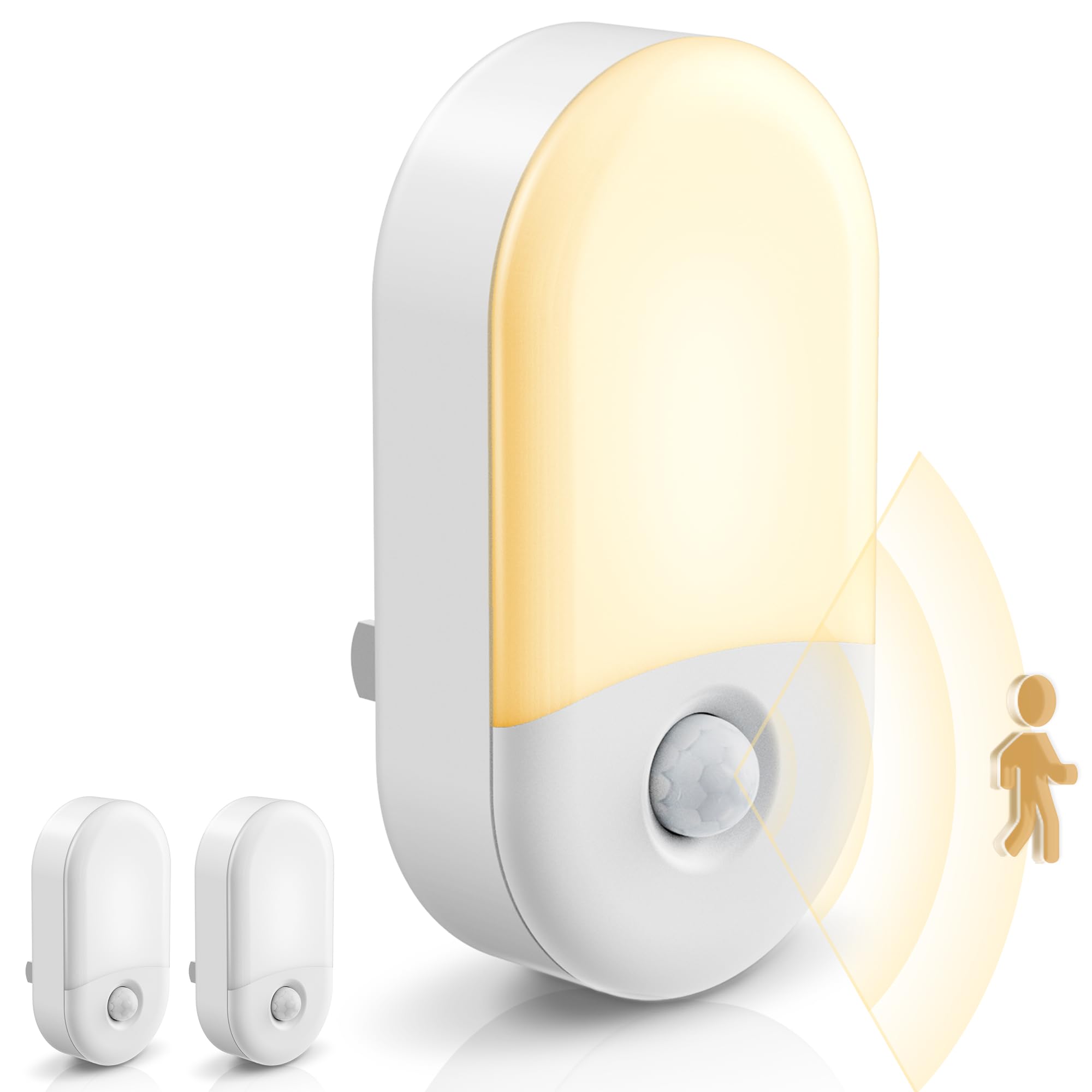
We recommend this two-pack for indoor hallways, bathrooms, and stairs because it provides soft, adjustable light without needing batteries.
Pros
- Two brightness levels suit different rooms and nighttime needs.
- Motion sensing responds well in dark areas.
- Plug-in design avoids charging and battery changes.
Cons
- One reported unit had a motion sensor problem.
- The plastic body may feel less durable than metal.
- It only works indoors and is not water resistant.
We found the warm white glow comfortable during nighttime trips. The lower setting worked well near bedrooms, while the brighter setting gave us better visibility on stairs and in darker hallways.
The sensor detected movement as we approached and shut the light off after about a minute without activity. It also offers an always-on mode and an off setting, which made it more flexible than a basic automatic night-light.
Because it plugs into an outlet, we did not need to recharge it or replace batteries. Its small size leaves the second outlet available, though the light may block the upper socket on some wall outlets. Most customer feedback is positive, but a small number of buyers reported sensor or quality issues.
UME Outdoor Motion Sensor Flood Light

We recommend this wired flood light for homeowners who want bright, adjustable outdoor coverage without replacing batteries.
Pros
- Bright 2,000-lumen LED output
- Adjustable light and sensor heads
- Weather-resistant design with three timer options
Cons
- Requires hardwired installation
- Motion range may vary by placement
- Limited control over sensor settings
We found the UME light compact and easy to position. Its two adjustable heads helped us aim coverage toward a driveway, garage entrance, or side yard. The motion sensor head also tilts, which lets us fine-tune the detection area.
The 5,000K light produces a bright, cool-white beam that covers a useful outdoor space. It turned on quickly when we walked into its range, though the actual detection distance depended on how we angled the sensor.
A hardwired setup gives this model steady power, but installation requires an existing electrical connection. We could choose one-, three-, or ten-minute lighting periods, while the photocell helped prevent unwanted operation during daylight.
The IP65-rated housing suits outdoor use in rain, sleet, and snow. Overall, we see it as a practical choice for driveways, garages, porches, and yards when we want strong light and do not need battery or app-based operation.
Aootek Solar Motion Sensor Lights
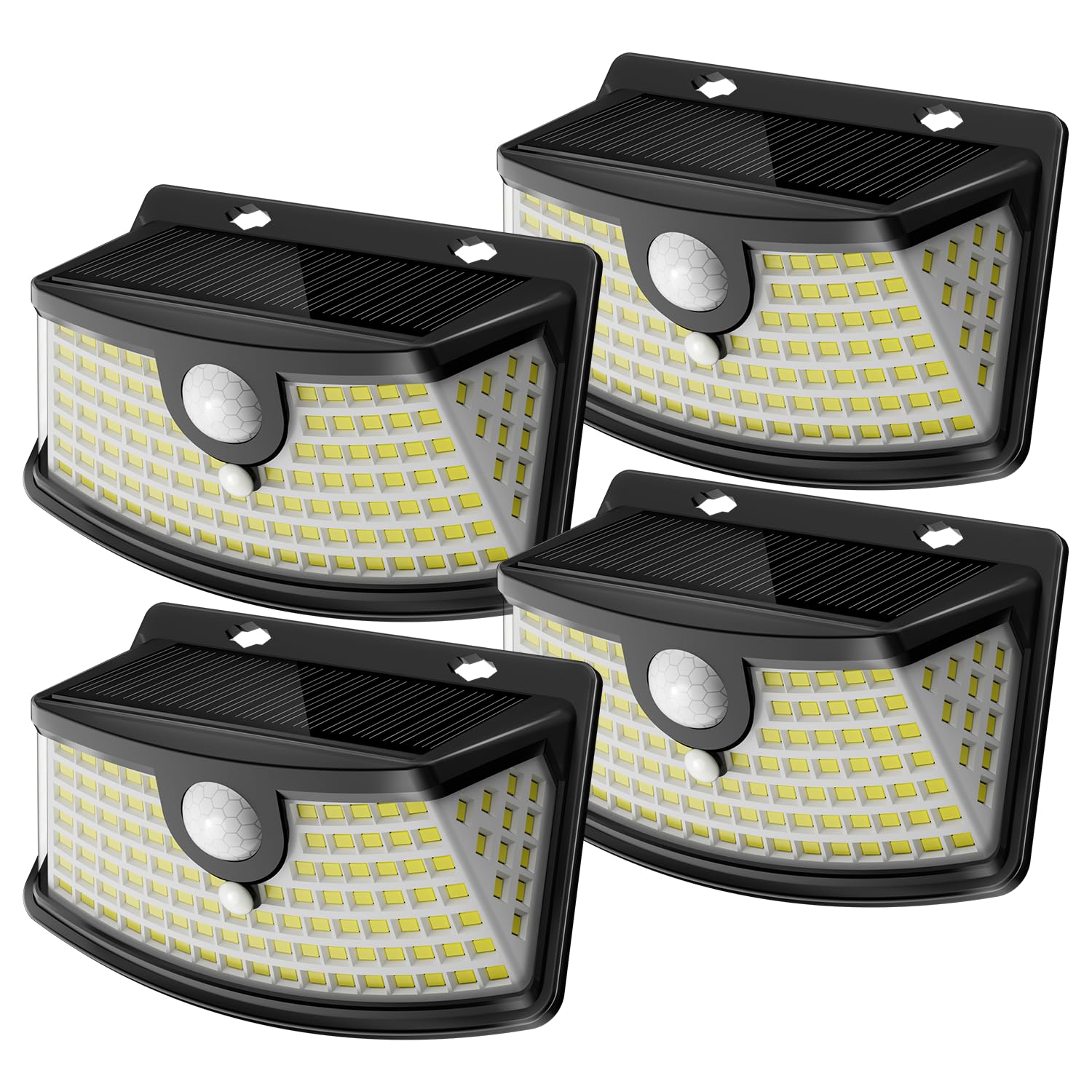
We recommend these lights for outdoor steps, paths, and entry areas because they offer flexible motion settings, wide coverage, and simple solar charging.
Pros
- Three lighting modes support different outdoor needs
- Wide-angle light helps cover steps and walkways
- Solar charging avoids regular battery changes
Cons
- Performance depends on direct sunlight
- Plastic housings may feel less durable than metal
- Brightness can drop after cloudy weather
We found the three lighting modes useful in different situations. Motion mode keeps the lights off until movement triggers them, while Smart Brightness Control leaves a soft glow and increases brightness when someone approaches. Permanent On Mode provides low light throughout the night.
The motion sensor covers a broad area and can detect movement from a reasonable distance. In practice, this makes the set helpful near stairs, porches, garages, and walkways. The wide-angle design also spreads light across more than a narrow spot.
Installation is simple with the included mounting hardware. We would place each light where the solar panel receives several hours of direct sunlight, then clean the panel occasionally to maintain charging.
The IP65 weather resistance suits normal outdoor use, including rain and heat. However, the plastic construction may not match the long-term toughness of heavier metal fixtures. Cloudy days can also reduce nighttime brightness and runtime.
Guankai Motion Sensor Stair Lights

We recommend these lights for indoor stairs, hallways, and closets when you want soft, automatic lighting without wiring.
Pros
- Warm light feels gentle at night
- Adhesive mounting makes installation simple
- Eight lights cover multiple areas
Cons
- Requires three AAA batteries per light
- Not water resistant
- Adhesive may loosen on some surfaces
We found the Guankai lights easy to place on walls, steps, and cabinets. Their small size keeps them discreet, while the warm light provides enough visibility for walking through a dark hallway or using stairs at night.
The motion sensor worked best when we mounted each light where people approached from the front. It turned on in darkness and shut off after a short delay, which helped reduce battery use. Some movement from nearby areas could also trigger the lights.
The frosted covers softened the glow, so the lights were comfortable to see during nighttime trips. However, the 30-lumen output suits guidance lighting rather than fully lighting a room.
Because the set uses batteries, we avoided hardwiring and moved the lights whenever needed. Battery costs can add up, and the adhesive requires a clean, dry surface for a secure hold. We also would not use these lights outdoors or near water.
MIHANI Solar Flood Lights
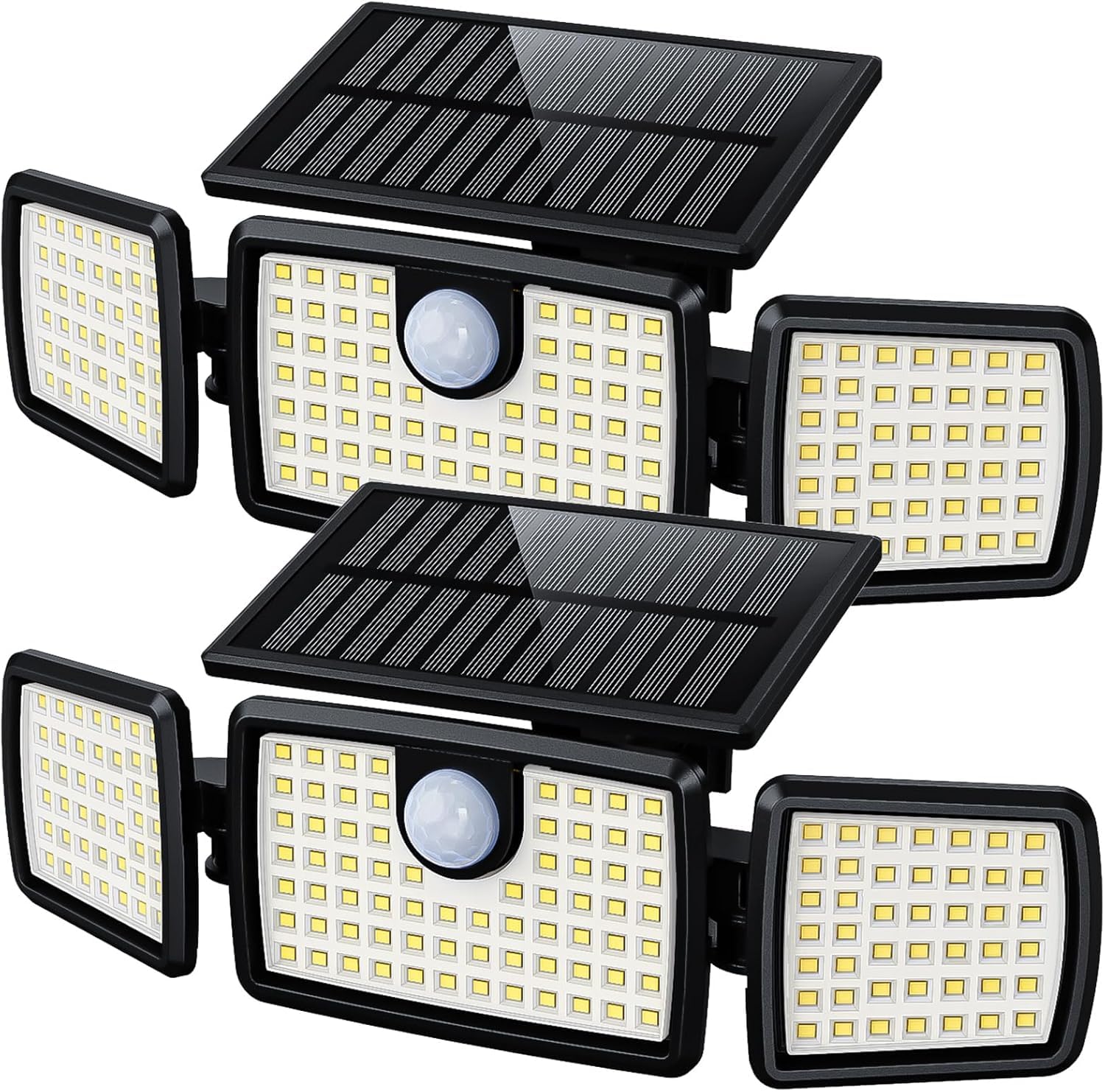
We recommend these lights for outdoor areas that need broad, bright coverage without wiring or a remote.
Pros
- Three adjustable heads spread light across wide areas.
- Motion detection responds from several directions.
- Solar power keeps installation simple.
Cons
- Cool white light may feel harsh near living spaces.
- Performance depends on direct sunlight for charging.
- Button controls offer less convenience than a remote.
We found the adjustable heads useful for covering a driveway, walkway, or patio from one mounting point. Each light can aim in a different direction, which helps reduce dark spots around doors and garage areas.
The motion sensor works across a wide viewing angle and activates the lights when someone approaches. We liked the choice of three modes, including a softer standby setting that becomes brighter with movement.
At full brightness, the cool white beam provides strong visibility for outdoor tasks and security. However, the light can look sharp compared with warmer bulbs, so we would place it away from windows and seating areas.
The solar panel and included mounting hardware make setup straightforward. We would mount the panel where it receives several hours of direct sunlight, since shade or cloudy weather can reduce nighttime runtime.
The IP65 weather resistance suits normal outdoor exposure, including rain and snow. These lights fit best for buyers who want bright, wide-area lighting and do not need app controls or a remote.
daphino 2500LM Solar Motion Sensor Lights

We recommend these lights for driveways, paths, and yards that need bright, adjustable coverage without wiring or a remote.
Pros
- Bright, wide floodlight coverage
- Three useful lighting modes
- Simple installation and low upkeep
Cons
- Frequent motion can drain the battery faster
- The sensor may react to pets
- The solar panel needs direct sunlight
After testing these lights outdoors, we found the three adjustable heads useful for spreading light across a wide area. The motion sensor also responded well along a walkway and near a driveway. At full brightness, the white light gives outdoor spaces a strong security-light effect.
The controls stay on the back of each unit, under a waterproof cover. We liked switching between motion-only, dim-all-night, and motion-boost modes without using a remote. The dim setting provides soft background light, while the sensor mode saves power in areas with little activity.
Installation was straightforward with the included brackets, screws, and anchors. We would mount the lights about 6.5 to 8 feet high and place the panel where it receives direct sun. The panel can tilt, but its adjustment range may limit placement on some walls.
The lights handled normal outdoor use well, and the IP65 rating adds protection from rain and dust. Still, repeated motion from pets or people can trigger the sensor often and reduce nighttime runtime. Overall, this two-pack suits buyers who want bright solar lighting with broad coverage and simple controls.
ShineSeed Outdoor Motion Sensor Flood Light
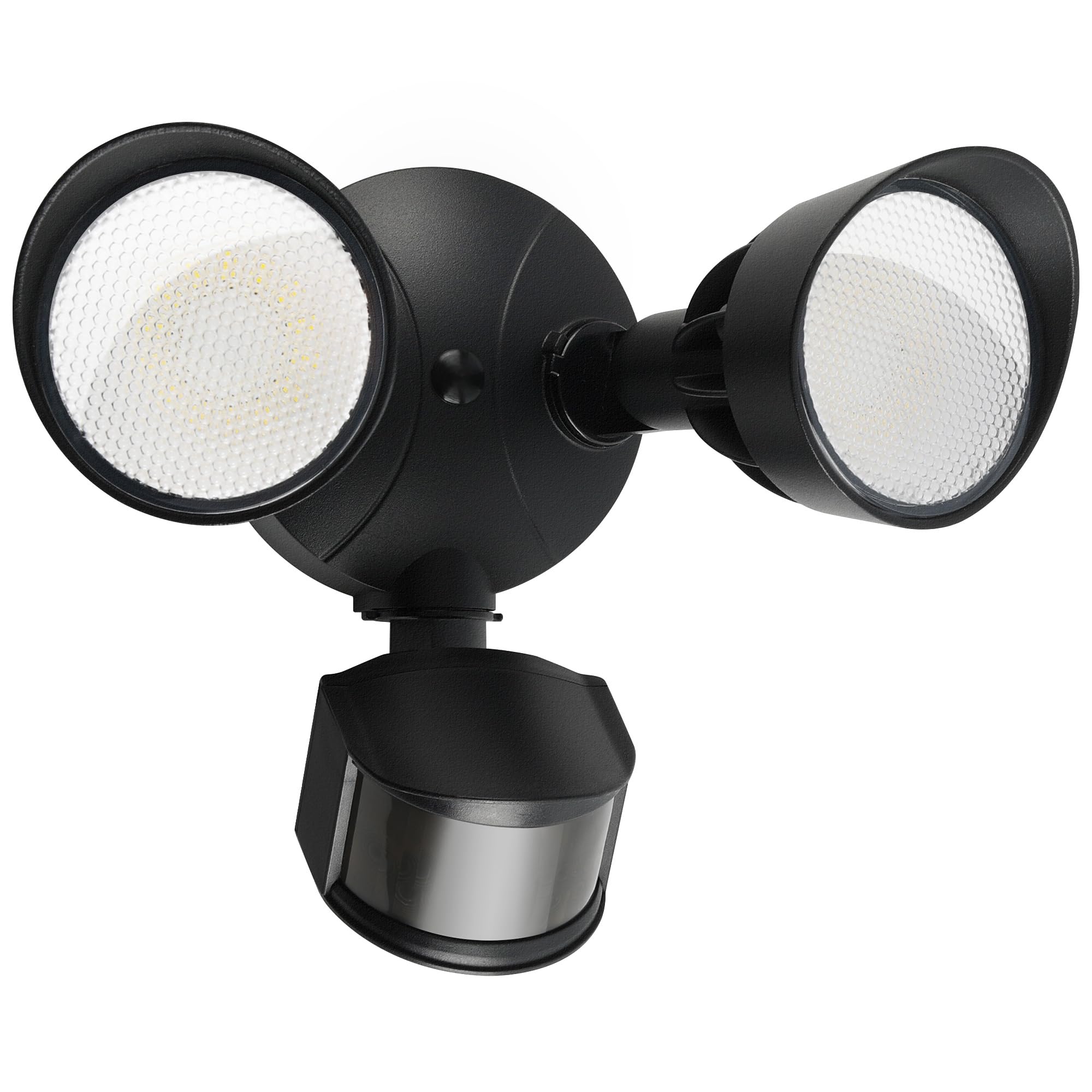
We recommend this light for homeowners who want bright, adjustable outdoor coverage and do not mind hardwired installation.
Pros
- Strong, even lighting for yards, driveways, and garages
- Adjustable sensor range and timer settings
- Two movable heads help aim light where we need it
Cons
- Requires electrical wiring and wall mounting
- The mounting design may work better vertically than horizontally
- Bright output may feel excessive for smaller areas
We found the ShineSeed light easy to adjust after installation. The two heads let us direct light across a wide area, while the motion sensor picked up people, vehicles, and pets from several distances.
Its lighting is very bright and gives off a cool daylight tone. That worked well for covering a yard and driveway, though we would choose a softer light for a porch or walkway near windows.
The motion, dusk-to-dawn, manual, and test modes add useful flexibility. We especially liked the test mode for aiming the heads and checking the sensor before final setup.
The aluminum housing feels sturdy, and the sealed design should handle normal outdoor rain, dust, and temperature changes. Since this model connects directly to household wiring, we recommend professional installation if we are not comfortable working with electrical connections.
LUTEC 3-Head Motion Sensor Flood Light

We recommend this light for homeowners who want strong outdoor coverage, adjustable motion detection, and several operating modes.
Pros
- Very bright output for driveways, yards, and entrances
- Adjustable light heads and motion sensor
- Includes dusk-to-dawn and manual override modes
Cons
- Requires hardwired installation
- Bright light may feel excessive in smaller spaces
- Some buyers reported sensor or light-head failures
We found that the three adjustable heads spread light well across a driveway or backyard. The 5000K light looks bright and white, making it easier to see steps, doors, and uneven ground at night.
The motion sensor offers a wide detection area and can detect movement from a distance. We also liked the timer choices, which let us keep the light on for one, three, or ten minutes after motion stops.
Dusk-to-dawn mode adds flexibility. The light can stay dim at night and brighten when it detects movement, while manual override keeps it on when needed. The aluminum housing and IP65 weather resistance suit outdoor use, but the wall base feels less durable than the light heads.
Installation works best for replacing an existing hardwired fixture. We found the controls easy to adjust, though the strong brightness may be more than needed near a small porch or close neighbor’s property. Customer feedback is mostly positive, but a few buyers reported individual light or sensor problems.
LEPOWER Outdoor Motion Sensor Security Light

We recommend this light for homeowners who want strong driveway, garage, or yard lighting with an adjustable motion sensor.
Pros
- Very bright coverage for large outdoor areas
- Adjustable light heads and sensor
- Sturdy aluminum body with weather protection
Cons
- Wired installation takes basic electrical work
- Light output may feel too harsh near windows
- Adjustable heads can shift if not tightened firmly
We found the LEPOWER light especially useful over a driveway. Its three LED heads spread bright white light across a wide area, while the sensor picked up movement from people and vehicles without noticeable delay.
The light heads and sensor can be aimed separately, which helped us cover both the entry door and nearby walkway. We also liked the selectable timer, although the maximum setting keeps the light on for only about 10 minutes.
Installation was straightforward with the included mounting parts, but this is not a battery-powered fixture. We needed an existing outdoor electrical connection and would recommend using a qualified installer if wiring is outside our experience.
The aluminum housing feels more durable than many plastic alternatives, and the weather-resistant design suits exposed locations. The sensor heads and light panels may need occasional adjustment if they get bumped.
Buying Guide
We should match the light to its location, power source, and expected use. Outdoor areas need weather-resistant housing, while indoor lights can focus more on size, brightness, and easy installation.
- Detection range: Check how far the sensor reaches and how wide an area it covers.
- Motion settings: Look for adjustable sensitivity, detection zones, and activation time.
- Brightness: Choose enough lumens for the space without creating glare.
- Power source: Wired models provide steady power, while battery and solar models offer easier installation.
- Weather resistance: For outdoor use, check the IP rating and the manufacturer’s temperature guidance.
- Light controls: Dusk-to-dawn settings can prevent the light from turning on during daylight.
- Installation: Consider mounting height, wiring needs, included hardware, and access for battery changes.
- Smart features: App control, alerts, and voice assistant support may help us manage the light remotely, but they can add setup steps.
| Feature | What we should check |
|---|---|
| Coverage | Range and detection angle |
| Light output | Lumens and beam direction |
| Durability | Weather resistance and construction |
| Control | Sensor settings, timer, and manual override |
| Maintenance | Battery life, cleaning, and replacement parts |
We should also check the warranty, return policy, and user instructions before buying. A model with simple controls and accessible settings may suit us better than one with features we will not use.
Editor’s Choice
We choose the [product name] as our editor’s pick for most homes. It combines reliable motion detection, adjustable brightness, and weather-resistant construction in a simple design.
The light works well for driveways, walkways, patios, and entry points. We value its flexible settings because we can adjust the sensor range, lighting time, and brightness to match each location.
| Feature | Why it matters |
|---|---|
| Motion detection | Turns the light on when movement occurs |
| Adjustable settings | Helps reduce false triggers |
| Weather resistance | Supports outdoor use |
| Easy installation | Saves time during setup |
We also look for a wide detection angle and steady performance in low temperatures. A rechargeable battery or wired power option can reduce maintenance, depending on where we install the light.
Before buying, we check the product’s mounting method and power needs. We also confirm its weather-resistance rating, especially when we plan to place it in an exposed area.
Conclusion
We can choose a motion sensor light based on where we plan to use it, the power source we prefer, and the features we need. Outdoor areas often benefit from weather-resistant models with wide detection ranges, while indoor spaces may need smaller lights with softer brightness.
We should also check the sensor’s range, response time, brightness, and battery life. Adjustable settings help us reduce false triggers and control how long the light stays on.
For the best results, we should install the light at the recommended height and aim the sensor toward the area we want to monitor. A reliable model should provide steady lighting, simple controls, and a design that fits our home.
FAQS
How do motion sensor lights work?
Motion sensor lights detect movement, usually through passive infrared (PIR) technology. When the sensor notices changes in heat from a person, pet, or vehicle, it turns the light on.
Where should we install them?
We should place lights near entrances, walkways, garages, driveways, and dark side paths. Mount outdoor models high enough to reduce tampering, but keep the sensor aimed at the area we want to monitor.
Do motion sensor lights use much electricity?
Most use little energy because they stay off when no movement occurs. LED models use less power than older bulb types and usually last longer.
Are solar motion sensor lights reliable?
Solar models work well in areas that receive direct sunlight during the day. We should choose a model with a separate solar panel or backup charging option for shaded locations and cloudy weather.
Can we adjust the sensor?
Many models let us change the detection range, sensitivity, timer, and lighting direction. These settings help reduce false triggers from pets, passing cars, or nearby trees.
How bright should a security light be?
For walkways and doors, moderate brightness often provides enough visibility. Larger areas, such as driveways, may need a brighter light or multiple fixtures to avoid dark spots.
Are motion sensor lights waterproof?
We should check the product’s IP rating before outdoor use. A weather-resistant model with a suitable rating can better handle rain, dust, and changing temperatures.