
10 Best Motion Sensor Lights for Arthritis: Easy-Use Options for Safer Movement


Adjustable Bed Frame

Portable Wheelchair
Medical Alert System
Motion sensor lights can make hallways, entrances, bathrooms, and other dark areas easier to navigate. They turn on when they detect movement, so you do not need to find a switch or grip a small control in low light. This can be especially useful for people with arthritis, who may have pain, stiffness, or limited hand strength.
For people with arthritis, the best motion sensor lights are easy to install, respond reliably, and offer simple controls that do not require much hand strength. We also look for useful brightness levels, adjustable motion settings, wide detection ranges, and power options that limit frequent battery changes. A light that is too sensitive, difficult to mount, or hard to recharge can create more trouble than it solves.
We evaluated motion sensor lights with these needs in mind, focusing on practical designs for everyday use. Our picks and buying advice highlight the models that make moving through dark spaces safer and easier.
Best Motion Sensor Lights for Arthritis
We selected the best motion sensor lights for arthritis based on ease of use, reliable motion detection, brightness, and simple installation. Our list includes options that can improve visibility and reduce the need to reach for switches.
MCGOR 10-Inch Motion Sensor Lights

We recommend these lights for arthritis because the motion control, magnetic mounting, and USB-C charging reduce the need to reach for switches or handle batteries.
Pros
- Motion activation helps light dark paths without searching for a switch.
- Magnetic mounting makes removal for charging simple.
- Five brightness levels support both task lighting and softer night use.
Cons
- The motion sensor only works in dark or dim areas.
- A wall adapter does not come in the package.
- The lights are not water resistant.
We found the sensor responsive when walking near cabinets, closets, and stairs. The light came on quickly and shut off after about 20 seconds without movement. This can help reduce bending, twisting, and reaching for people with stiff or painful hands.
The warm-white light felt comfortable at night, while the higher settings gave us enough brightness for simple kitchen tasks. We also liked being able to use the lights in an always-on mode when we needed steady illumination.
Installation took little effort. We attached the lights to metal surfaces or the included adhesive plates, then pulled them off easily for charging. That removable design works well when arthritis makes frequent battery changes difficult.
The main limitation is charging. We needed to provide our own USB wall adapter, and the battery will run down faster when the lights stay on continuously. The sensor also may not activate in a well-lit room.
Lyridz Stick-On Motion Sensor Night Light
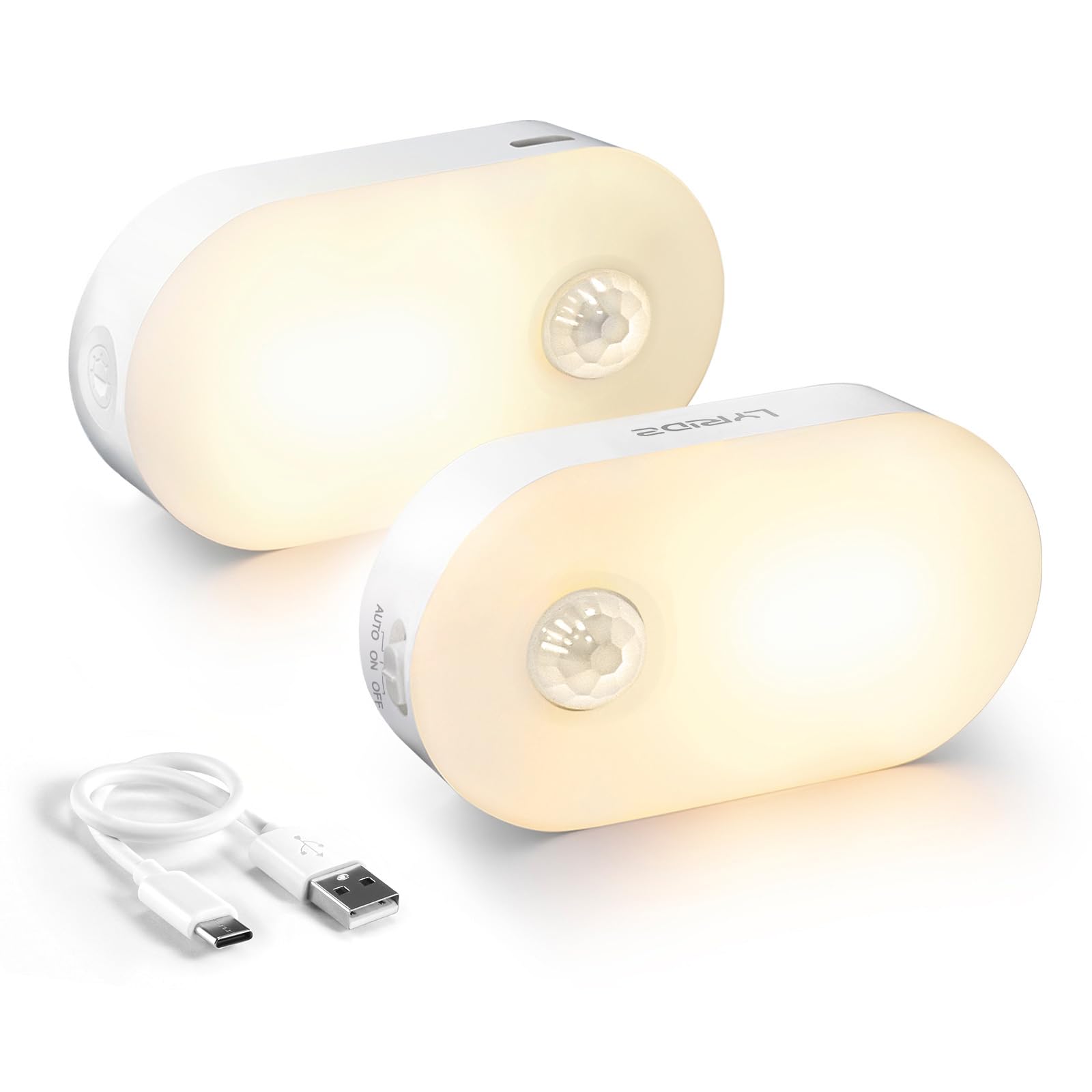
We recommend this compact two-pack for arthritis-friendly nighttime lighting because it turns on automatically, offers adjustable brightness, and charges through USB-C.
Pros
- Motion activation reduces the need to find a switch.
- Dimming helps us choose a comfortable light level.
- Magnetic mounting makes removal for charging simple.
Cons
- The light may not be bright enough for larger spaces.
- Adhesive mounting needs a clean, smooth surface.
- The lights are not water resistant.
We found the motion response useful in bathrooms, hallways, and near stairs. The light comes on when we approach, which limits the need to reach for a small button in the dark. That hands-free use can help people with stiff or painful fingers.
The warm light feels gentle at night, and we could lower or raise the brightness with the touch controls. At its highest setting, it works well for finding a path or locating items, but it does not replace a full room light.
Each light attaches magnetically to its metal plate, so we could remove it without taking down the mount. USB-C charging also avoids disposable batteries. The 20-second shutoff saves power, although high-traffic areas may require more frequent charging than the advertised maximum.
Its small size suits cabinets, closets, and narrow hallways. We would avoid placing it where water may splash, since the unit is not waterproof.
EZVALO Sync Stair Lights
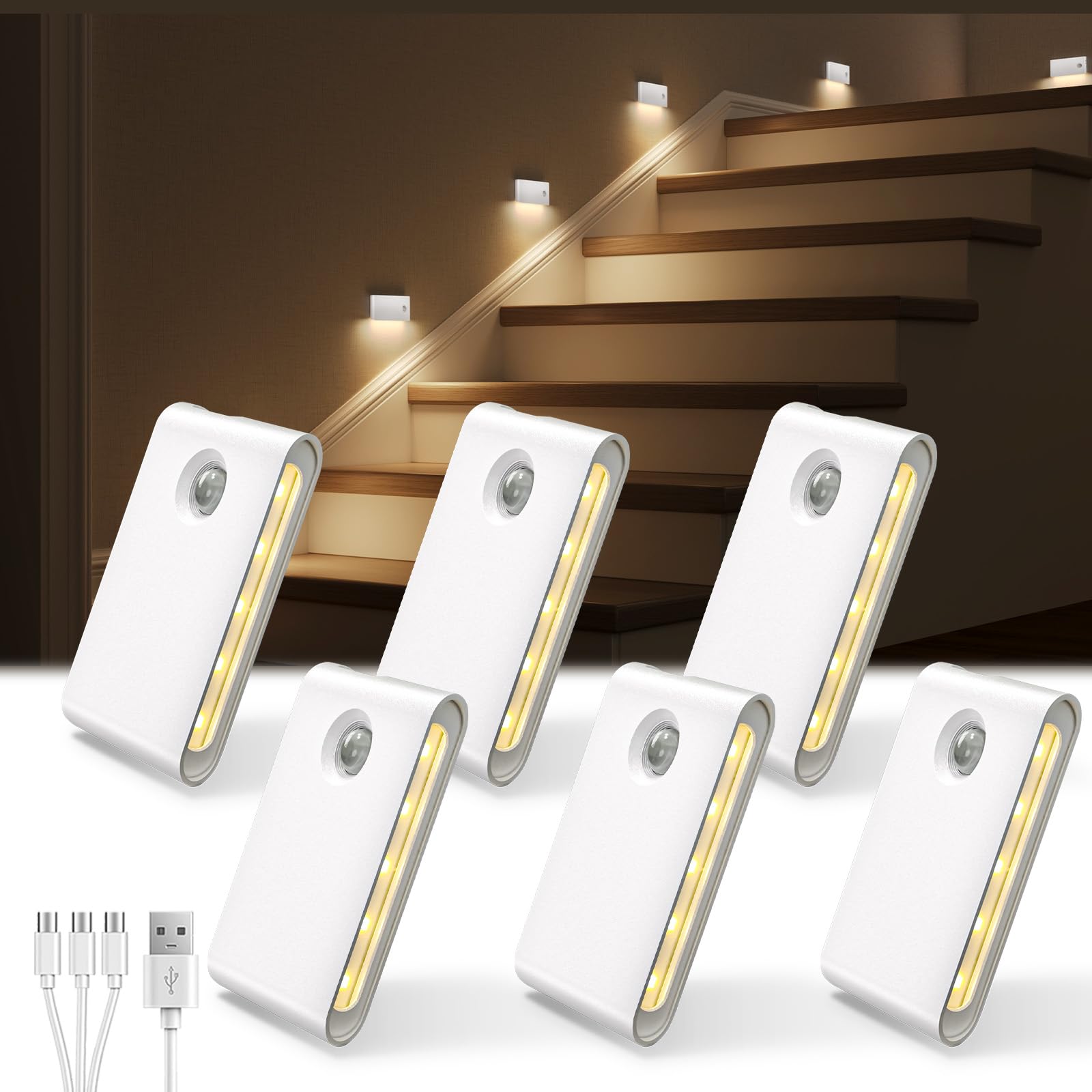
We recommend these lights for people with arthritis who want soft, automatic lighting without reaching for a switch.
Pros
- All connected lights turn on together
- Magnetic mounts make removal easy for charging
- Warm light and shared brightness controls
Cons
- Motion detection can trigger too easily
- Indoor use only
- Heavy use may require monthly charging
We found the synchronized lighting helpful on stairs and hallways because it reduced dark spots along the path. The 3000K glow felt gentler at night than a bright overhead lamp, which made bathroom trips more comfortable.
The magnetic mounts also suited users with limited hand strength. We could remove the lights for charging without tools, and the included adhesive plates offered flexible placement. Adjusting one light changed the brightness across the set, so we did not need to handle each unit.
The motion sensors worked reliably in low light, though nearby movement sometimes activated them. The lights shut off after about 20 seconds without motion. Battery life varied with use; light traffic may last for months, while busy areas can need charging sooner.
With six rechargeable lights, this set works best for stairs, bedrooms, bathrooms, and hallways where hands-free guidance matters. It is not suitable for damp outdoor areas, but its simple setup and soft illumination make it a practical choice for indoor nighttime movement.
AUVON Backlit Motion Night Light

We recommend this four-pack for people with arthritis who want soft, automatic lighting without reaching for a switch.
Pros
- Diffused light reduces glare
- Motion and dusk-to-dawn modes
- Dimming works with a simple touch
Cons
- The shortest timer lasts 60 seconds
- The lowest setting may feel too bright
- Works only near an outlet
We found the backlit design comfortable during nighttime trips through a hallway or bathroom. Instead of shining directly into our eyes, the 16 LEDs reflect light onto the wall, which creates a softer glow.
The motion sensor responded quickly when we walked within range. The light turns on in dark conditions and shuts off after 60 seconds without movement, so we did not need to bend, twist, or search for a switch.
We also liked the adjustable brightness. A quick touch changes the level, while holding the control allows finer adjustments. The dusk-to-dawn mode keeps the light on in darkness, which may suit bedrooms, stairs, and hallways.
The main drawback for arthritis users involves placement. These lights plug directly into the wall, so we needed a nearby outlet. They leave the second socket open, but the timer cannot extend beyond 60 seconds.
Guankai Motion Sensor Stair Lights

We recommend this eight-pack for people with arthritis who need soft, automatic lighting without reaching for a switch.
Pros
- Motion activation avoids small switches and twisting movements.
- Warm light feels gentle on the eyes at night.
- Adhesive mounting makes setup simple.
Cons
- Each light needs three AAA batteries.
- Adhesive may not hold on every surface.
- No manual on/off switch offers less control.
We found the lights easy to place along stairs, hallways, and beside the bed. Their small size keeps them out of the way, while the warm light adds enough visibility for walking without flooding the room with glare.
The motion sensor works in darkness and detects movement from about 5 to 16 feet away. That hands-free operation can help when we carry items or have stiff fingers in the morning. The lights turn off automatically after about 20 seconds.
The adhesive pads make installation quick, but we would clean and dry the surface first. We would also check the lights often because a detached unit could create a tripping risk, especially on stairs.
Battery life may vary with traffic and battery quality. The product claims up to four months, but frequent use can require earlier replacement. These lights also work indoors only and are not water resistant.
EZVALO 10-Inch Motion Sensor Lights
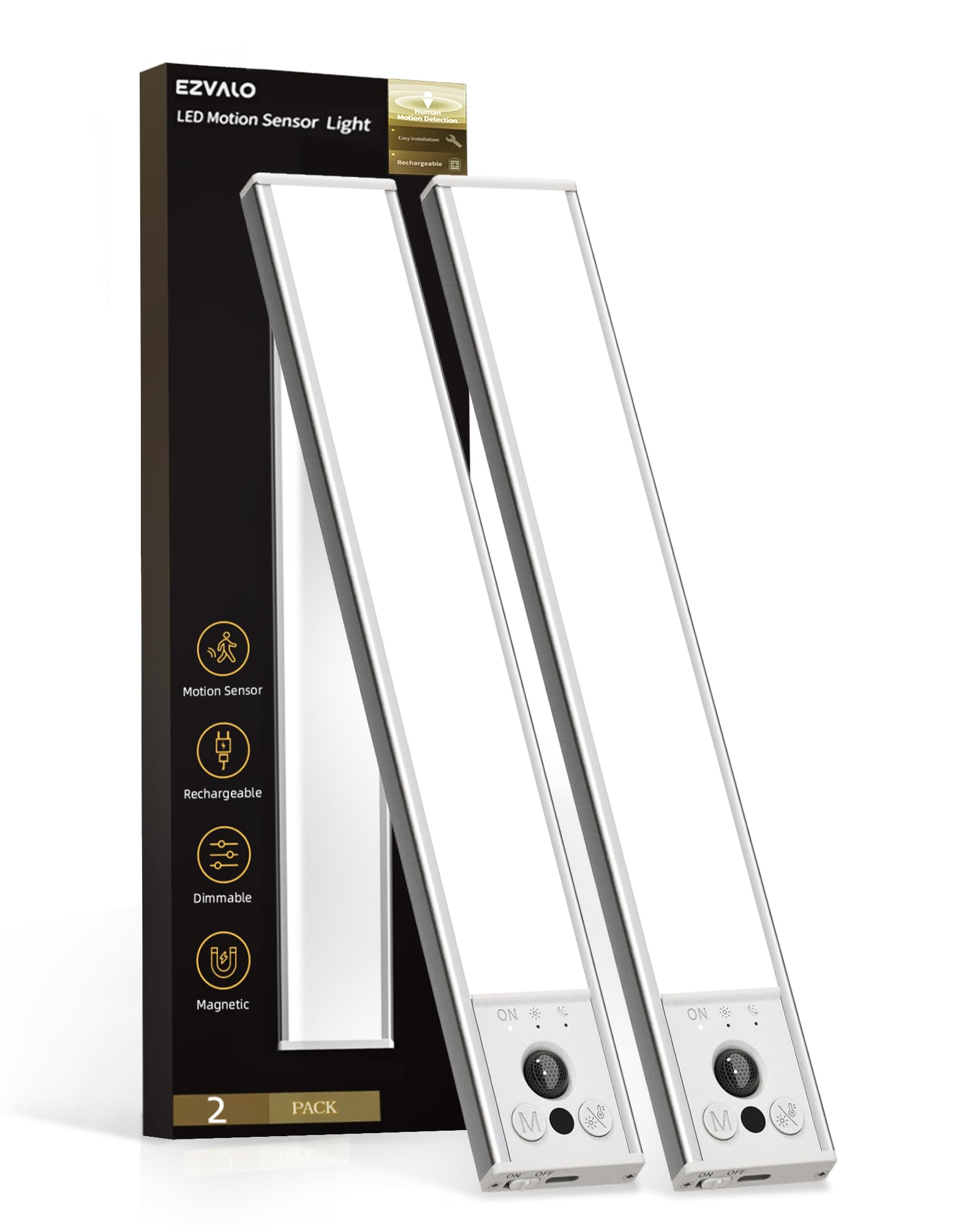
We recommend these lights for arthritis-friendly nighttime lighting because they turn on automatically, recharge by USB-C, and lift off their magnetic mounts without much handling.
Pros
- Motion activation reduces the need to find small switches.
- Magnetic mounting makes removal for charging simple.
- Dimming lets us choose softer light at night.
Cons
- The cool-white light may feel harsh in bedrooms.
- Adhesive plates need careful placement and setup.
- They work only in dry indoor areas.
We found the motion sensor helpful in halls, closets, and near the bed. The lights came on as we walked past, which reduced the need to reach for a wall switch or handle a small control in the dark.
The magnetic design also helped during charging. We could pull each light from its mount without removing the adhesive plate. The clearly marked modes made it easy to choose night-only motion, all-day motion, or constant light.
Brightness adjustments worked well for different tasks. Lower settings suited nighttime movement, while brighter settings helped with pantry shelves and cabinets. The 2400mAh battery provided cordless use, though charging time and battery life depended on how often the sensor activated.
The main drawback was the 6500K cool-white color. It gave clear visibility but looked sharper than warm light, especially in a bedroom. We also kept the lights away from sinks and other damp areas because they are not water resistant.
Gritin Rechargeable Under-Cabinet Lights

We recommend these lights for people with arthritis who want hands-free lighting and simple removal for charging.
Pros
- Motion activation reduces the need to find and press switches.
- Magnetic mounting makes removal easier for charging.
- Adjustable color and brightness suit different tasks.
Cons
- Touch controls may still feel small for some users.
- Brightness may not replace a main room light.
- Adhesive plates need careful placement.
We found the motion sensor useful in closets, hallways, and under kitchen cabinets. It detected movement across a wide area and turned on without requiring us to reach for a switch. The night-sensing mode also helped prevent unnecessary activation during the day.
The lights offer warm, neutral, and cool tones, along with several brightness levels. We used a softer setting in a hallway and a brighter setting for kitchen tasks. These controls add flexibility, although users with stiff fingers may find the small buttons less convenient than a larger switch.
Installation took little effort. We placed the adhesive metal plates where needed, then attached the lights with their built-in magnets. Removing each light for USB-C charging was easier than handling a fixed fixture, which matters when hand strength or joint movement is limited.
Battery life should work well for occasional use, especially in sensor mode. We would still keep the charging cable accessible because frequent use at high brightness will shorten the time between charges.
STAR-SPANGLED Motion Sensor Lights

We recommend these lights for arthritis-friendly nighttime use because they turn on automatically and do not require frequent handling.
Pros
- Motion activation reduces the need to find a switch.
- The swivel bar helps direct light where we need it.
- Removable lights make battery changes easier.
Cons
- AAA batteries are not included.
- The adhesive may loosen on some surfaces.
- The sensor works only in dark or dim areas.
We found the motion sensor helpful on stairs, in closets, and under cabinets. It detected movement from a useful distance and shut off after about 20 seconds without activity, which helps limit battery use.
The light is bright enough to improve visibility without feeling harsh. We could tilt the bar to aim the beam, making it easier to light a step, shelf, or countertop.
For people with arthritis, the removable design offers a practical benefit. Instead of reaching for a switch or removing the entire mount, we can slide the light off, replace the three AAA batteries, and put it back.
The adhesive held well on smooth surfaces during use, but we would avoid placing it on dusty, textured, or damp areas. Because the light does not activate in a bright room, it works best as a nighttime or low-light aid rather than a general room light.
L LOHAS LED Motion Sensor Night Light
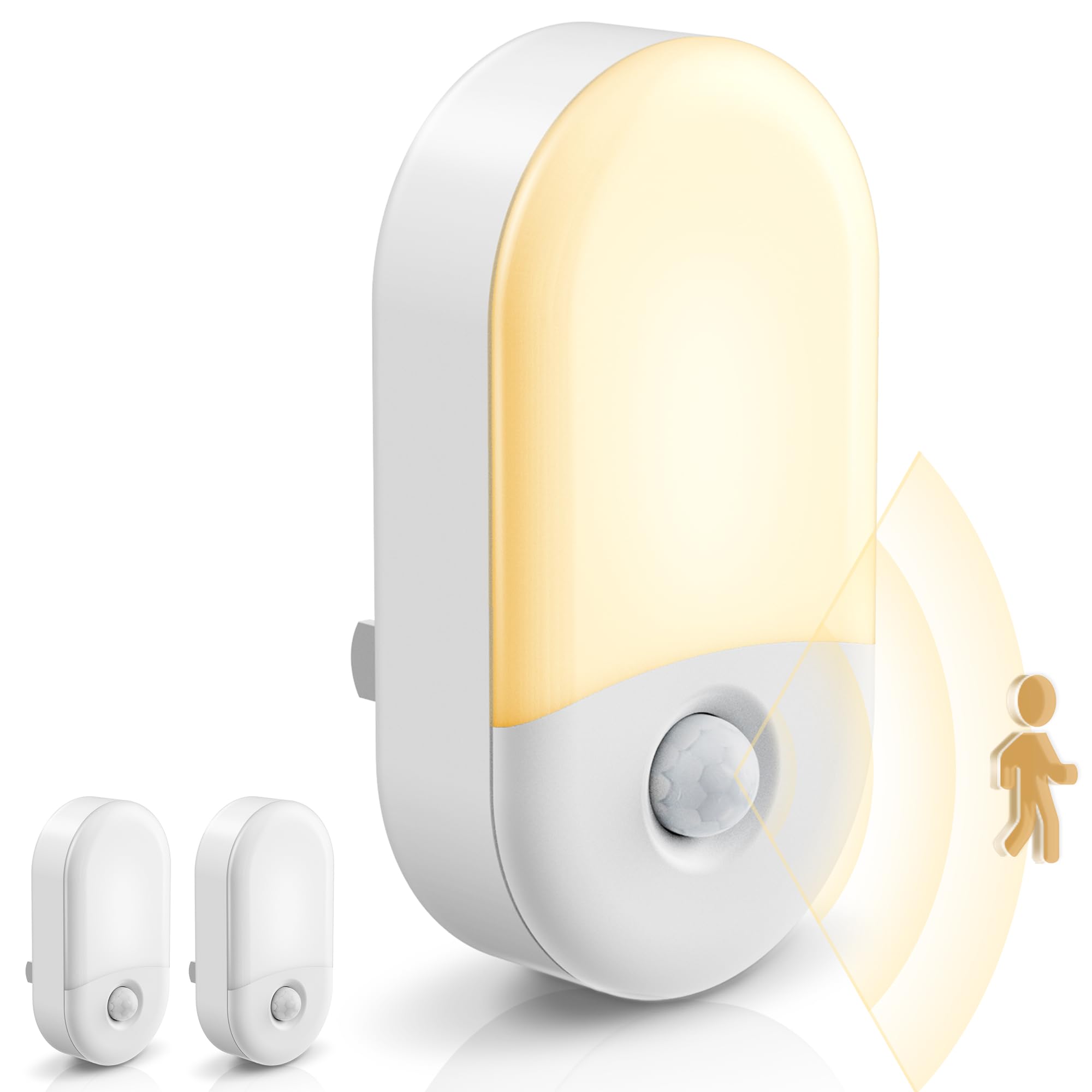
We recommend this two-pack for people with arthritis who want soft, hands-free lighting for nighttime trips around the home.
Pros
- Motion activation reduces the need to find a switch.
- Adjustable brightness helps limit glare.
- Plug-in design avoids charging and battery changes.
Cons
- The sensor may respond with a short delay.
- The light may stay on slightly longer than expected.
- It does not work outdoors or in wet areas.
We found the motion sensor useful in hallways and bathrooms. It turned on as we approached, so we did not need to reach for a switch or grip a small control in the dark. That convenience can help when hand pain or stiffness makes simple tasks harder.
The warm white light felt comfortable at night, while the two brightness settings gave us more control. The lower setting worked well near a bedroom, and the brighter setting gave us better visibility on stairs and in a hallway.
We also liked that the unit plugs directly into the wall and leaves the lower outlet available. The automatic mode turns the light off after about 60 seconds without movement. Some users report a brief activation delay, and one review noted that one light stopped sensing motion, so quality may vary between units.
GOODEA Magnetic Motion Sensor Lights
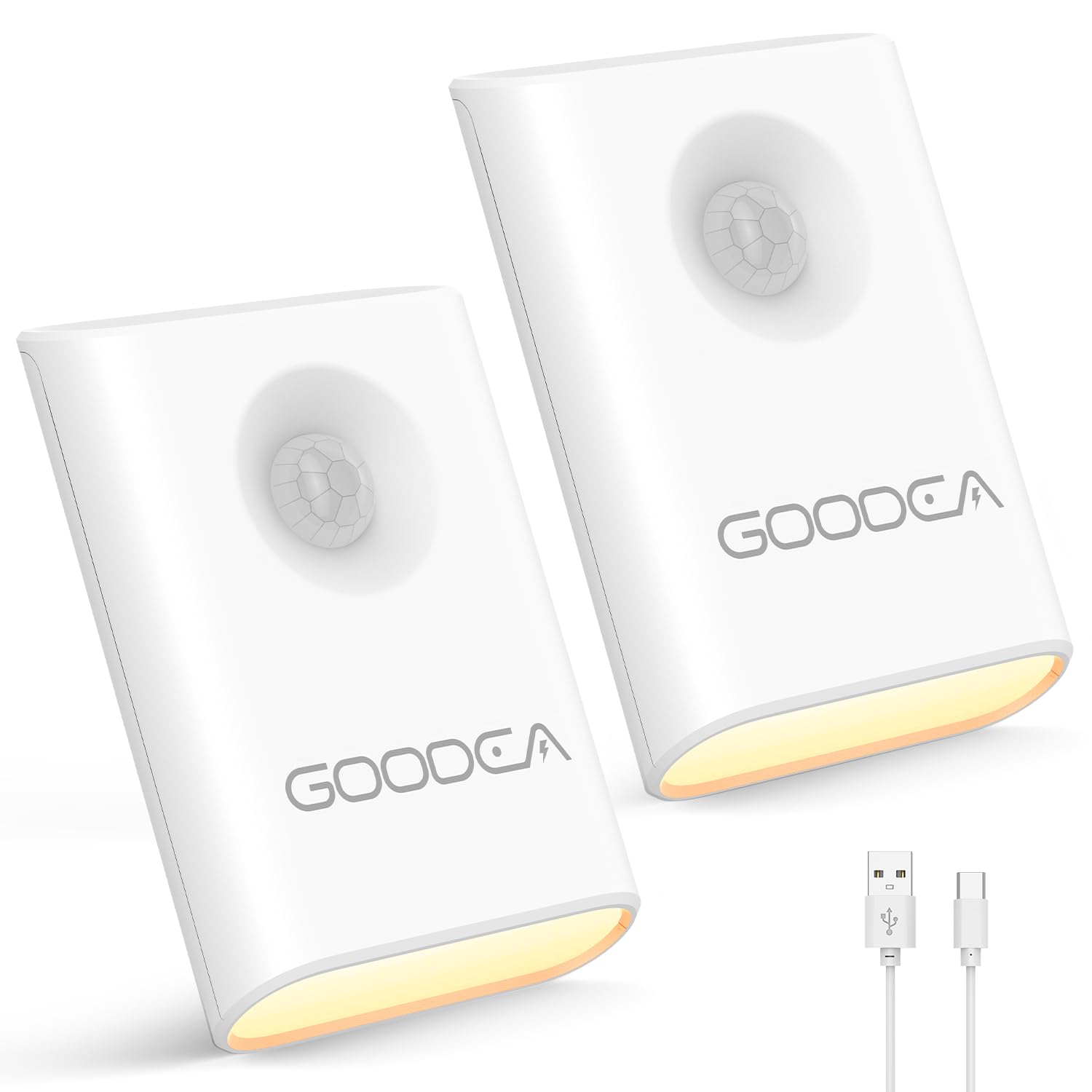
We recommend these lights for arthritis because their motion sensor and magnetic design reduce the need to reach, press buttons, or replace batteries.
Pros
- Rechargeable battery reduces maintenance
- Warm light offers three brightness levels
- Magnetic mount makes removal simple
Cons
- No always-on lighting mode
- Brightness resets to 50% after restarting
- Adhesive mounting may not suit every surface
We found the compact size useful beside a bed, along a hallway, or near a bathroom. The light turns on when we move nearby in a dark room, which helps us avoid searching for a switch at night.
The magnetic mount makes the unit easy to remove for charging. For wood or drywall, the included adhesive patch provides another mounting option, though repositioning it may take more effort.
Its warm light feels comfortable in dark spaces, and the dimming controls let us choose a softer setting. The sensor worked best when we placed the light where approaching movement stayed within its range.
The rechargeable battery can last for weeks with regular nighttime use. However, these lights only activate in darkness and motion, so we would choose another model for areas that need continuous lighting.
Buying Guide
When choosing motion sensor lights for arthritis, we should focus on controls that require little hand strength. Look for large buttons, simple switches, and easy-to-turn settings. A remote control or app may help, but the main light should remain usable without complex setup.
We should also check the sensor’s range and detection angle. A wide detection area can reduce the need to walk close to the light or adjust it often. Adjustable sensitivity helps prevent missed movement or unwanted activation.
| Feature | What we should look for |
|---|---|
| Power source | Rechargeable, plug-in, or battery options that suit the user |
| Brightness | Enough light for safe movement without glare |
| Mounting | Tool-free or low-effort installation |
| Controls | Large, clear, easy-to-press controls |
| Timer settings | Simple controls with useful shutoff options |
| Placement | Suitable for hallways, bathrooms, stairs, or entrances |
We should consider whether changing batteries will cause pain or strain. Rechargeable models can reduce battery handling, while plug-in lights avoid battery changes but require a nearby outlet.
The light should mount securely and remain easy to remove for cleaning or charging. We should also look for adjustable brightness, since harsh glare can make nighttime movement less comfortable.
Editor’s Choice
After comparing ease of installation, motion detection, brightness, charging convenience, and arthritis-friendly design, MCGOR 10-Inch Motion Sensor Lights stand out as our top overall recommendation.
Their responsive motion sensor, magnetic mounting system, and USB-C rechargeable battery reduce the need for gripping small switches or replacing disposable batteries. The adjustable brightness levels also make them suitable for bedrooms, hallways, closets, and stairways, providing comfortable illumination without excessive glare.
If you need a dependable motion sensor light that is simple to use and designed to make everyday movement safer for people with arthritis, this model offers the best overall balance of convenience, performance, and value.
Conclusion
The best motion sensor lights for arthritis should make daily life easier by reducing the need to search for switches, grip small controls, or frequently replace batteries. Features such as reliable motion detection, easy installation, adjustable brightness, and rechargeable or plug-in power can improve both comfort and safety around the home.
Whether you need lighting for hallways, bathrooms, staircases, or closets, choosing a model that matches your space and mobility needs can help prevent falls and make nighttime movement more convenient. Investing in the right motion sensor light is a simple upgrade that can make a noticeable difference in everyday independence and peace of mind.
Frequently Asked Questions
Are motion sensor lights good for people with arthritis?
Yes. Motion sensor lights turn on automatically when movement is detected, reducing the need to reach for wall switches or handle small controls. This makes them especially helpful for people with arthritis or limited hand strength.
Are rechargeable motion sensor lights better than battery-operated models?
Rechargeable models are often more convenient because they eliminate frequent battery replacements, which can be difficult for people with painful or stiff hands.
Where should I install motion sensor lights?
The most useful locations include hallways, staircases, bathrooms, bedrooms, closets, kitchens, and entryways—anywhere extra visibility can improve safety during low-light conditions.
How bright should a motion sensor light be?
It depends on where you plan to use it. Soft lighting works well for bedrooms and hallways, while brighter lights are better for kitchens, closets, or work areas.
Do motion sensor lights stay on all the time?
Most models automatically turn off after 20–60 seconds of no detected movement. Some also include an always-on mode for continuous lighting.
What features should I look for in an arthritis-friendly motion sensor light?
Look for easy installation, reliable motion detection, magnetic or tool-free mounting, adjustable brightness, rechargeable or plug-in power, and controls that require minimal hand strength.