
Best Jar Openers for Seniors That Make Life Easier


Adjustable Bed Wedge Pillow
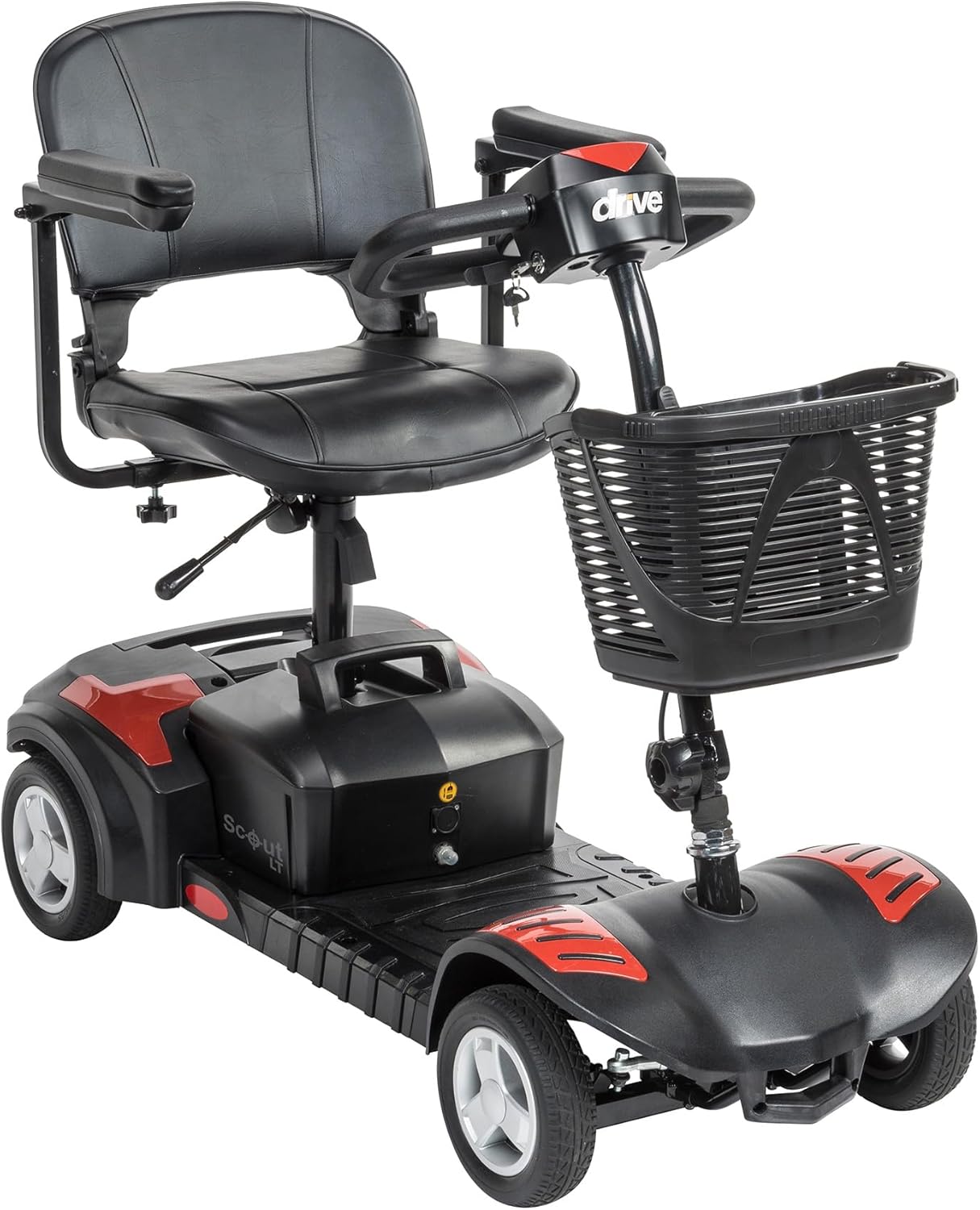
Electric Mobility Scooter

Book Holder Stand
The best jar openers for seniors are the ones that reduce hand strain, fit common lid sizes, and are easy to use every day. For weak grip, arthritis, or one-handed needs, under-cabinet and electric models are often the most helpful.
If opening jars has become frustrating, the right tool can make a big difference. The best jar openers for seniors are the ones that reduce hand strain, work with different lid sizes, and fit comfortably into everyday kitchen routines.
- Best fit matters: Match the opener to arthritis, grip weakness, or tremors.
- Simple often wins: A basic tool may work better than a complicated one.
- Electric helps most: Great for very limited hand strength or mobility.
- Safety first: Choose non-slip, stable, easy-to-clean designs.
Why the Best Jar Openers for Seniors Matter in 2026
For many older adults, jar lids are more than a small annoyance. They can be a daily barrier when hands feel stiff, grip strength is weaker, or arthritis makes twisting painful.
A good jar opener can help seniors stay more independent in the kitchen. It may also reduce the need to ask for help with simple tasks like opening pasta sauce, pickles, or medicine bottles.
How hand strength, arthritis, and grip issues affect daily kitchen tasks
As people age, hands may lose strength or become less flexible. Arthritis can make joints swollen or sore, while tremors or numbness can make it harder to hold onto slippery lids.
That is why a jar opener should do more than “grip better.” It should lower the amount of twisting force needed and provide a stable hold, especially for people with one weak hand or limited wrist movement.
What seniors and caregivers are really looking for in a jar opener
Most seniors want something simple, reliable, and easy to store. Caregivers often want a tool that helps without adding another complicated step to the kitchen routine.
In many homes, the best choice is the one that works consistently on real jars, not just in product photos. Comfort, safety, and ease of use matter more than fancy features.
Many seniors find that the hardest part of opening a jar is not strength alone, but the combination of slippery lids, stiff joints, and awkward wrist angles.
Types of Jar Openers That Work Best for Seniors
There is no single jar opener that works for everyone. The best option depends on hand strength, how often the tool will be used, and whether the person wants a manual or powered solution.
Manual under-cabinet jar openers for one-handed use
Under-cabinet jar openers are mounted beneath a cabinet or shelf. They let the user place the lid into a gripping mechanism and twist the jar with less effort, often using one hand.
These are especially helpful for seniors who cook often and want a tool that stays in one place. The downside is that they require installation and a suitable kitchen setup.
Rubber grip and silicone pad openers for easy twisting
Rubber grip tools and silicone pads are popular because they are simple and lightweight. They help create friction, which makes it easier to twist off a lid without slipping.
These are often a good match for seniors with mild grip weakness. However, they may not be enough for very tight lids or for people with significant arthritis.
Electric jar openers for limited hand strength or mobility
Electric jar openers are designed for people who cannot apply much twisting force. Many models do the turning automatically after the lid is positioned correctly.
They can be a strong choice for seniors with severe arthritis, tremors, or one-handed limitations. The tradeoff is usually higher cost and the need for batteries or charging.
Multi-function kitchen tools that combine jar, bottle, and cap opening
Some tools are made to open more than one type of container. They may handle jar lids, bottle caps, and pull tabs, which can be useful in a busy kitchen.
These can save space and offer good value, but they are not always the easiest option for someone with very limited hand strength. A simpler tool may work better if the main goal is jar opening only.
| Option | Best For | Note |
|---|---|---|
| Under-cabinet opener | Frequent use, one-handed operation | Needs installation and a fixed kitchen space |
| Rubber or silicone opener | Mild grip weakness | Portable and affordable, but may struggle with tight lids |
| Electric opener | Severe arthritis or limited mobility | Most convenient, but usually costs more |
| Multi-function tool | General kitchen use | Useful for several tasks, though not always the easiest |
How to Choose the Right Jar Opener for Senior Needs
Choosing the right tool starts with the user’s hand comfort, kitchen habits, and ability level. A jar opener should reduce strain, not create another difficult step.
Matching the opener to arthritis, weak grip, or tremors
If arthritis is the main issue, look for a tool that reduces twisting and pressure on the joints. If grip weakness is the problem, non-slip surfaces and larger handles may help more than small handheld tools.
For tremors, stability matters. A heavier base, under-cabinet mount, or electric opener may be easier to manage than a lightweight tool that shifts during use.
Considering jar size, lid type, and kitchen setup
Not all lids are the same. Some are wide, some are small, and some are slick from condensation or food residue. The best opener should handle the size and shape of the jars used most often at home.
Kitchen setup matters too. A mounted opener is helpful only if there is a suitable cabinet or wall space. If storage is limited, a compact manual tool may be more practical.
Safety features, ease of cleaning, and storage convenience
A safe jar opener should stay steady and not require awkward hand positions. It should also be easy to clean, especially if it will be used near sticky foods or in a shared kitchen.
Look for a design that stores neatly in a drawer, hangs on a hook, or stays mounted without getting in the way. Small conveniences can make a tool much more likely to be used regularly.
If a jar opener feels unstable, causes pain, or forces the wrist into an uncomfortable angle, it is probably not the right fit. A different style may work better.
Best Jar Opener Features to Look For Before Buying
The best jar openers for seniors usually share a few practical traits: they are easy to hold, easy to activate, and built to last. A simple design is often better than a complicated one.
Non-slip materials and ergonomic handles
Non-slip rubber, silicone, or textured grips can make a real difference when hands are dry, weak, or shaky. Ergonomic handles are shaped to fit the hand more naturally and reduce pressure points.
These features matter most for seniors who have trouble squeezing tightly or keeping a firm hold on smooth surfaces.
Minimal hand pressure and easy activation
A good jar opener should not require a strong squeeze or a lot of wrist turning. The less force needed, the easier it is to use during everyday cooking.
For electric models, easy activation is especially important. Seniors should not have to fight with buttons, switches, or confusing setup steps.
Durability, portability, and long-term value
Durable materials can help a jar opener hold up to repeated use. That matters for seniors who cook often or for caregivers who use the tool several times a day.
Portable tools are useful for travel, assisted living, or small kitchens. Still, long-term value is not just about how long something lasts — it is about whether it remains easy and comfortable to use over time.
Simple design versus advanced assistive technology
Some seniors do best with a basic manual opener. Others need advanced assistive technology, such as an electric model that does most of the work automatically.
The right choice depends on the user, not the trend. If you are unsure, talk to your doctor or consult your pharmacist or healthcare provider, especially if hand pain or weakness is getting worse.
- Less strain on hands and wrists
- More independence in the kitchen
- Better safety with slippery or tight lids
- Helpful for caregivers supporting one-handed use
Common Mistakes People Make When Buying Jar Openers for Seniors
It is easy to choose a jar opener that looks helpful but does not work well in real life. A few common mistakes can lead to frustration, wasted money, or even more hand strain.
Choosing a tool that requires too much wrist strength
Some tools still depend on strong twisting or squeezing. For a senior with arthritis or limited range of motion, that can be almost as difficult as opening the jar by hand.
Always check whether the tool truly reduces effort, not just lid slipping.
Ignoring jar opener compatibility with larger or slippery lids
A jar opener may work on small lids but struggle with larger ones. It may also fail on wet, oily, or unusually smooth lids.
Before buying, consider the containers used most often in the home. A tool that fits common jar sizes is usually more useful than one with a long feature list.
Buying based on price alone instead of usability
The cheapest option is not always the best value. If a low-cost opener is hard to use, it may sit in a drawer and never help anyone.
On the other hand, an expensive model is not automatically better. Usability should come first, especially for seniors who need a dependable daily tool.
Overlooking caregiver needs and one-handed operation
Caregivers often need tools that work quickly and safely, sometimes with one hand while supporting the other person. A jar opener that is awkward to position can slow everything down.
If the tool will be used by both a senior and a caregiver, choose one that is simple enough for both to operate comfortably.
If opening jars causes sharp pain, swelling, or sudden loss of hand strength, do not keep forcing the task. Stop and get medical advice.
Cost Comparison: Budget vs Premium Jar Openers for Seniors
Jar openers come in a wide range of prices, and the best choice depends on how much help is needed. In 2026, value is about more than the sticker price.
What to expect from low-cost manual options
Budget-friendly manual openers are often simple, portable, and easy to replace. They may work well for mild grip problems or occasional use.
The limitation is that they can be less effective on very tight lids or for seniors with significant hand weakness.
When a mid-range design offers the best balance
Mid-range openers often strike a useful balance between comfort and price. Many offer better grips, sturdier construction, or more flexible lid compatibility than the cheapest models.
For many households, this is the sweet spot: enough support to reduce strain without paying for features that may never be used.
When premium electric models are worth the investment
Premium electric models can be worth it when hand strength is very limited or when jar opening is a frequent daily challenge. They may be especially helpful for seniors with arthritis, tremors, or one-handed use needs.
Because these models cost more, it is wise to compare ease of use, battery needs, and durability before buying. Medicare usually does not cover a basic kitchen jar opener, but coverage rules can vary if an item is prescribed as part of a broader medical equipment need, so check with your plan.
How to compare value, convenience, and durability in 2026
When comparing products, think about how often the opener will be used and how much effort it saves. A tool that is slightly more expensive but much easier to use may offer better long-term value.
Also consider whether the opener will still be practical if hand strength changes over time. A flexible, durable design can remain useful longer than a tool chosen only for today’s needs.
Expert Tips and Safety Guidance for Seniors and Caregivers
A jar opener should make life easier, but it should not be used to push through pain. Safe use matters just as much as the tool itself.
When a jar opener is enough and when medical help may be needed
If the problem is simply a tight lid, a good opener is usually enough. But if the hand cannot grip normally, or if pain keeps getting worse, the issue may be more than a kitchen challenge.
In those cases, talk to your doctor or consult your pharmacist or healthcare provider. They can help you understand whether arthritis, nerve problems, or another condition may be affecting your hands.
Signs that hand pain or weakness should be evaluated by a professional
Watch for swelling, numbness, tingling, sudden weakness, or pain that does not improve with rest. These signs should not be ignored, especially if they are affecting daily tasks.
If a senior is dropping items often or avoiding kitchen work because of hand discomfort, a professional evaluation may be helpful.
Using jar openers safely to avoid slips, strain, or spills
Always place the jar on a stable surface before using a manual opener. Keep hands dry if possible, and wipe away food residue that can make the lid slippery.
For electric openers, follow the instructions carefully and keep fingers clear of moving parts. If the jar shifts or the lid does not release easily, stop and reset rather than forcing it.
If hand stiffness is worse in the morning, try jar opening later in the day when joints may feel looser. A warm cloth on the hands for a few minutes may also make gripping more comfortable.
Final Recap: The Best Jar Openers for Seniors Can Restore Independence
The best jar openers for seniors are the ones that match the person’s strength, comfort, and kitchen habits. For some, a simple silicone grip is enough; for others, an under-cabinet or electric model is the better choice.
Quick summary of the most practical jar opener types for different needs
Manual under-cabinet openers are useful for one-handed use and frequent cooking. Rubber and silicone tools are best for light support, while electric models help when hand strength is very limited.
Multi-function tools can be handy for general kitchen use, but they are not always the easiest or most comfortable option for seniors with arthritis.
How the right choice can make everyday cooking easier and safer
A well-chosen jar opener can reduce frustration, protect sore joints, and help seniors stay more independent at home. It can also make caregiving easier by removing one more difficult task from the day.
For the best results, choose a tool that feels simple, stable, and comfortable from the start. If pain or weakness is getting in the way of daily life, consult your healthcare provider before relying on kitchen tools alone.
Frequently Asked Questions
Electric jar openers and under-cabinet models often work well for seniors with arthritis because they reduce twisting and hand strain. A silicone grip can help with milder symptoms, but it may not be enough for tight lids.
They can be worth it if hand strength is very limited or jars are opened often. The main tradeoff is higher cost, so it helps to compare ease of use, storage, and battery or charging needs.
Yes, some under-cabinet and electric models are designed for one-handed use. They can be especially helpful for seniors or caregivers who need extra stability and support.
Look for non-slip materials, ergonomic handles, and a design that needs very little hand pressure. The best option should also fit the jar sizes used most often in the home.
Basic kitchen jar openers are usually not covered by Medicare. Coverage can vary by plan and situation, so check with your plan or healthcare provider if you think a device may be medically necessary.
If opening jars causes sharp pain, swelling, numbness, tingling, or sudden weakness, it should be checked by a doctor. These symptoms may point to arthritis, nerve issues, or another condition that needs attention.