
10 Best Fall Detection Devices for Disabled Adults: Top Picks for Safety

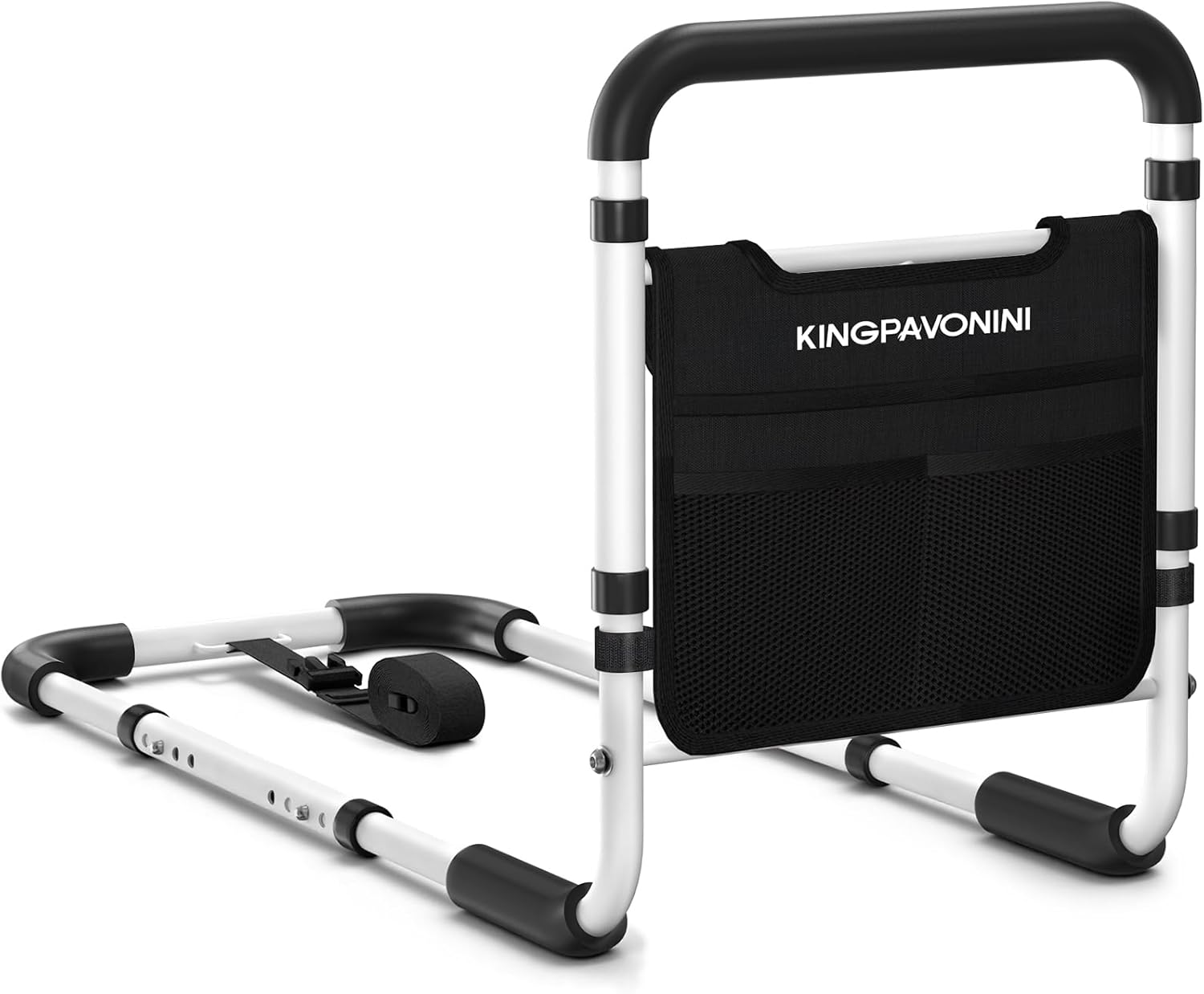
Bed Rail for Seniors

Pulse Oximeter Finger Monitor

GPS Tracker for Elderly
Falls are a serious safety concern for many disabled adults, especially those who live alone or have trouble reaching a phone after an accident. Fall detection devices can call for help when they sense a hard fall, giving users and caregivers another way to respond quickly.
These devices include medical alert pendants, watches, and mobile systems. Some use automatic fall detection, while others require the wearer to press a help button. The best choice depends on detection accuracy, response time, comfort, battery life, cellular coverage, and whether the device can contact caregivers or an emergency response center.
We compared fall detection devices with these needs in mind to identify options that offer dependable help without adding unnecessary complexity.
Best Fall Detection Devices for Disabled Adults
We selected the best fall detection devices for disabled adults based on features such as automatic fall detection, emergency alerts, comfort, and ease of use. The products below offer different options to help users contact support quickly after a fall.
Lunderg Wireless Early-Alert Bed Alarm

We recommend this system for caregivers who need a simple bed-exit alert without an alarm sounding beside the person in bed.
Pros
- Sends alerts to a portable pager instead of making noise in the room
- Simple setup with no Wi-Fi, app, or tools
- Adjustable sound and vibration modes
Cons
- Designed for bed monitoring, not full fall detection
- The sensor pad needs correct placement and regular testing
- Battery-powered parts require ongoing maintenance
We found the pad easy to place beneath the mattress area near the hips. When pressure left the pad, the pager alerted us before the person fully got out of bed. This gave us time to provide help without startling the person with a loud bedside alarm.
The pager felt light enough to carry around the home. Its volume controls helped us choose between a loud alert, a quieter setting, or vibration. The claimed range reaches up to 400 feet, though walls and building layout can affect performance.
Setup took only a short time because the system does not need Wi-Fi or a phone app. The pad has a wipe-clean surface and includes the needed batteries, clips, bands, and wall bracket. We would still test the alarm often and check the battery level as part of a care routine.
This device works best for people who mainly need help with nighttime bed exits. It does not detect every fall and cannot replace supervision, mobility support, or emergency care.
Seculife Medical Alert Pendant
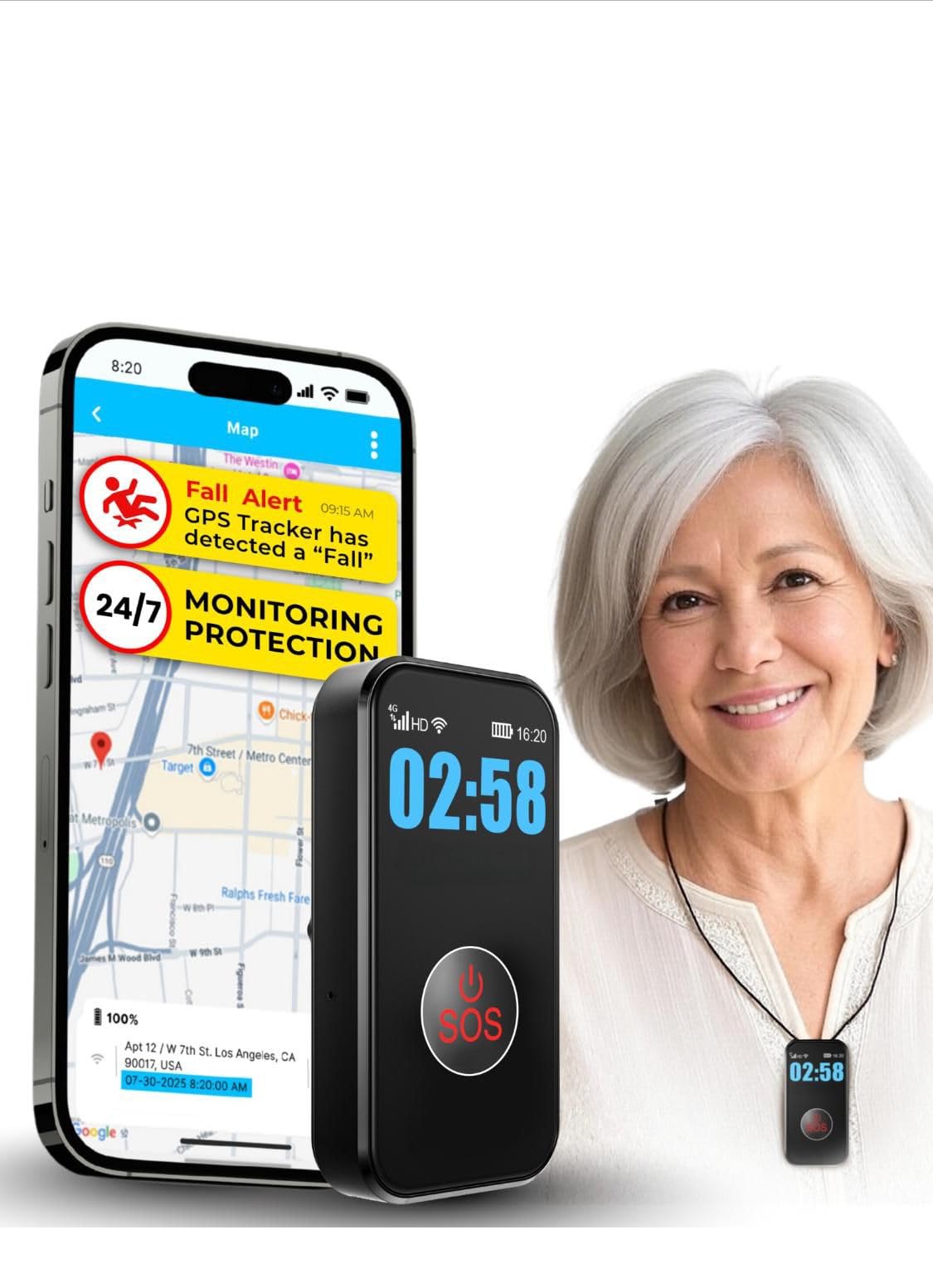
We recommend this pendant for disabled adults who need family contact, GPS tracking, and fall alerts in one mobile device.
Pros
- One-touch SOS button with two-way calling
- GPS tracking with customizable safe zones
- Waterproof design with several days of battery life
Cons
- Requires a $20 monthly subscription
- Fall detection may not recognize every fall
- Cellular coverage affects reliability
We found the pendant simple to set up and easy to use. Its large SOS button suits users who may have limited dexterity, while the display shows basic information such as battery and signal status.
The two-way calling feature lets us speak directly with the wearer without relying on a separate phone. Family members can also call the pendant, and the hands-free answer feature helps when the user cannot press a button.
GPS tracking and geofence alerts add useful support for people who may wander or become disoriented. The waterproof design allows regular wear during showers and in the rain, but we would still check the fit and charging routine often.
The device needs a $20 monthly plan for cellular service, fall alerts, tracking, and customer support. We would also test it in the user’s usual locations because service quality and fall detection can vary.
Nomo Smart Care Fall Detection System
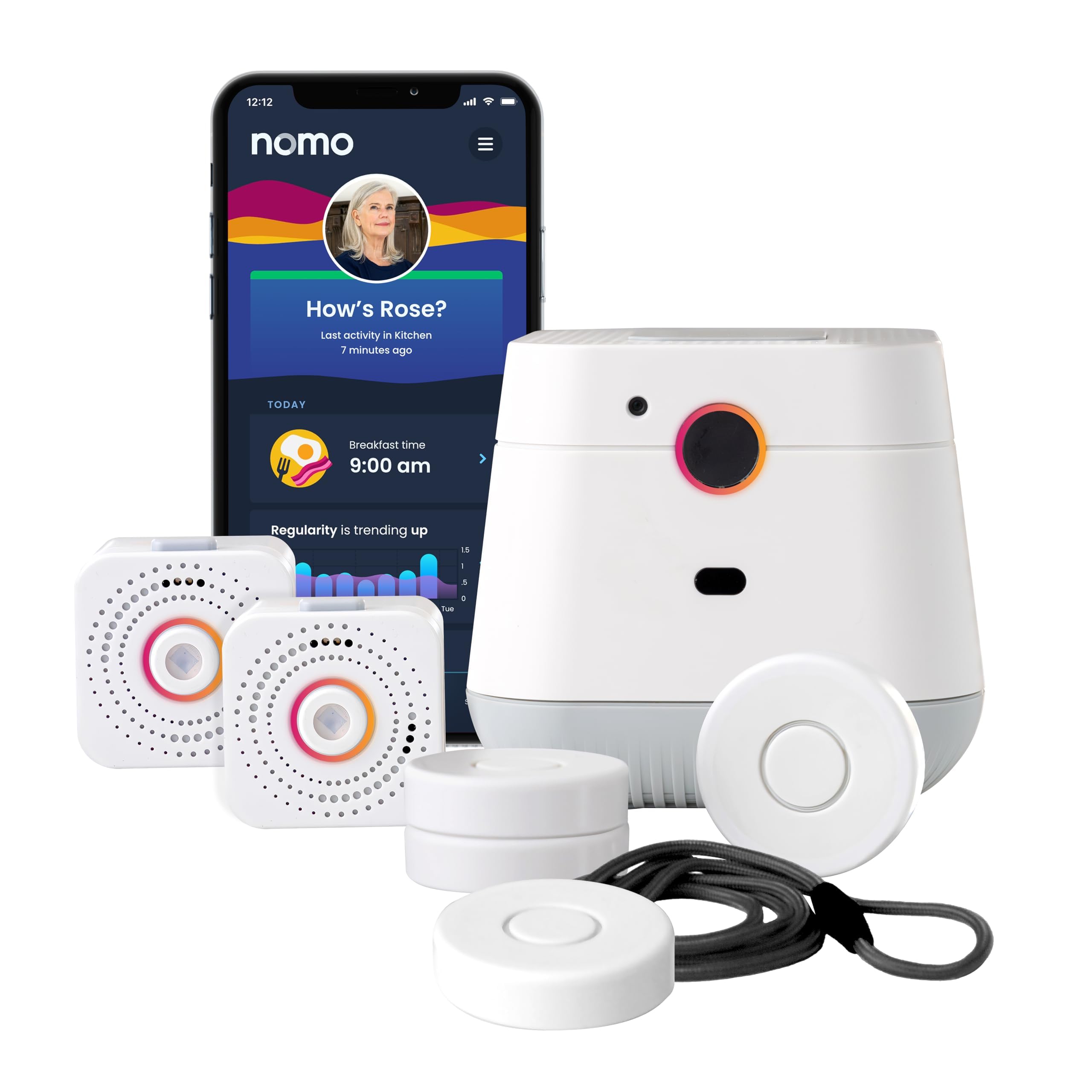
We recommend this system for households that want camera-free monitoring, caregiver alerts, and two-way communication throughout the home.
Pros
- Camera-free activity and fall monitoring
- Two-way voice communication through the hub
- Simple wireless setup with a 60-day app trial
Cons
- Requires 2.4 GHz home Wi-Fi
- Ongoing service costs $19.99 per month after the trial
- Fall detection may not work reliably in every situation
We found the setup fairly simple: plug in the hub and two satellites, connect the system to Wi-Fi, and place the Smart Tags where needed. The Nomo app lets caregivers monitor activity and receive alerts without installing cameras.
The hub adds useful two-way voice communication. A person at home can speak with a caregiver or request help without reaching for a phone. The system also supports daily routine monitoring, which may help families notice unusual changes.
The monthly fee covers app access, 24/7 monitoring, and RapidSOS emergency response after the 60-day trial. We would confirm Wi-Fi coverage before buying, since the system depends on a 2.4 GHz connection.
Customer feedback is generally positive, but some users report that automatic fall detection did not work as expected. We would treat it as an added safety tool rather than a replacement for a wearable medical alert device or direct supervision.
Smart Caregiver Floor Mat Alarm
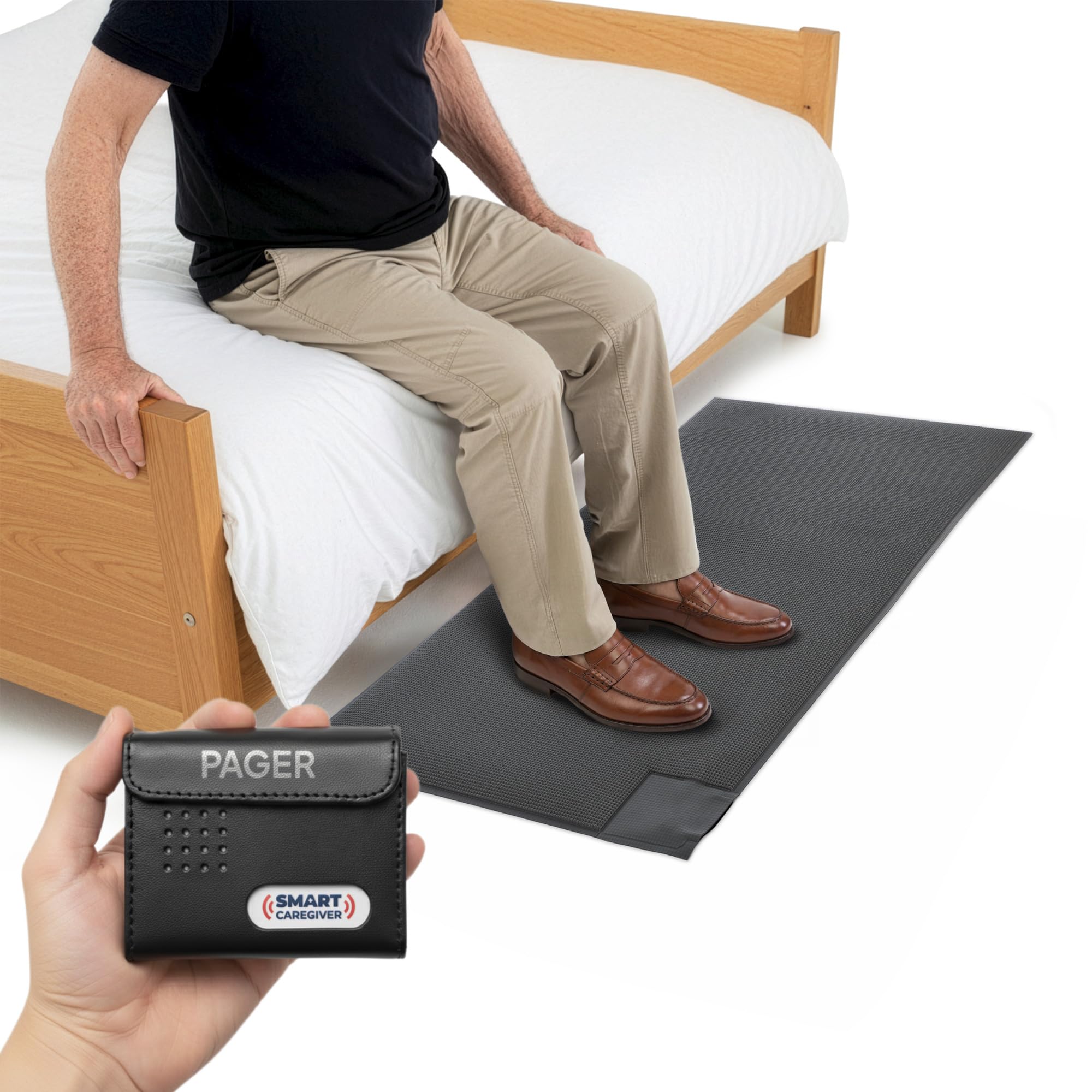
We recommend this system for caregivers who need a simple bedside or doorway alert without placing a loud alarm near the user.
Pros
- Sends alerts to a pager up to 300 feet away
- Offers sound or vibration alerts
- Works beside a bed or near an exit
Cons
- Pager batteries are not included
- The mat may need careful placement to prevent missed alerts
- It does not detect a fall after someone leaves the mat
We found the setup straightforward: unfold the 24-by-48-inch mat, place it where the user will step, and connect the pager. The pressure sensor sends an alert when someone steps onto the mat, which can help us respond before a nighttime walk becomes a fall.
The pager gives us more flexibility than an alarm in the same room. We can carry it while doing other tasks, choose a sound or vibration alert, and monitor the user from another room. The 300-foot range works best in open areas, but walls and other obstacles may reduce it.
The mat feels suited for regular home use, and the system can work with other Smart Caregiver sensors sold separately. We should still check the mat often, keep walkways clear, and remember that it supports supervision rather than replacing it. The pager needs two AA batteries, which we must purchase separately.
Nesthao Bed Sensor Alarm

We recommend this device for caregivers who need a simple alert when an adult gets out of bed or leaves a room.
Pros
- Detects movement near the bed or doorway
- Sends alerts from a separate room
- Offers adjustable volume and light alerts
Cons
- Requires testing to find the best sensor position
- May need pairing again after power cycling
- Does not detect a fall after it happens
We found setup fairly simple. The motion sensor can sit on the floor near the bed, where it detects a foot reaching down, or near a doorway. This design avoids the cleaning and placement problems that can affect traditional bed pads.
The separate pager lets us receive the alert away from the bedroom. Its sound and flashing light make the warning easy to notice, while the adjustable volume helps us choose a level that fits our home.
We needed to wait about 20 seconds after turning on the sensor before testing it. Placement also mattered, so we checked the range and direction before securing it. The advertised range reaches up to 918 feet in open space, but walls and furniture can reduce that distance.
This product works as a preventive alert rather than a true fall detector. It can warn us that someone is getting up, but it cannot confirm whether a person has fallen or contact emergency services. We also found reports that the units may need to pair again after being switched off and on.
Seculife SOS Fall Detection Wristband
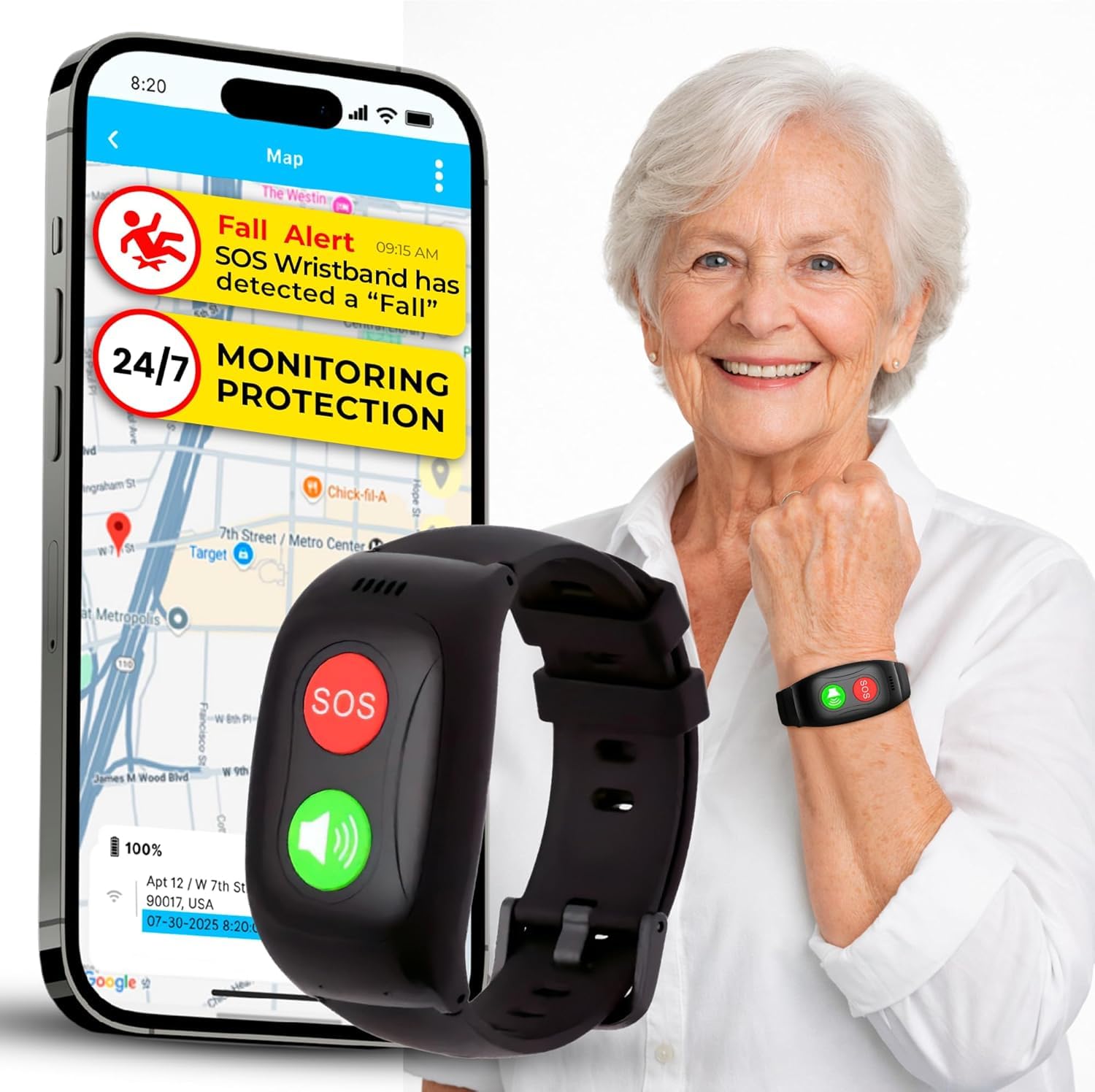
We recommend this wristband for families who want direct alerts, GPS tracking, and two-way calls, but the required $25 monthly plan and mixed customer feedback deserve careful review.
Pros
- One-button SOS calling to preset family contacts
- GPS tracking, geofencing, and two-way voice calls
- Lightweight, screen-free, and splash resistant
Cons
- Requires a $25 monthly subscription
- Battery life lasts about one day
- Some users report setup and support problems
We found the simple design helpful for adults who may struggle with a smartwatch screen. The large SOS button supports quick alerts, while the two-way speaker lets family members speak with the wearer without a separate phone.
GPS tracking and geofencing add useful support for people who live alone or may wander. Family members can check location through the app and receive alerts when the wearer leaves a set area.
The wristband needs cellular service and an active subscription, so the purchase price does not show the full cost. Its short battery life also means someone must charge it every day. Customer feedback is mixed, with several buyers praising the setup while others describe trouble with activation, charging, or support.
Smart Caregiver Wireless Bed Exit Alarm
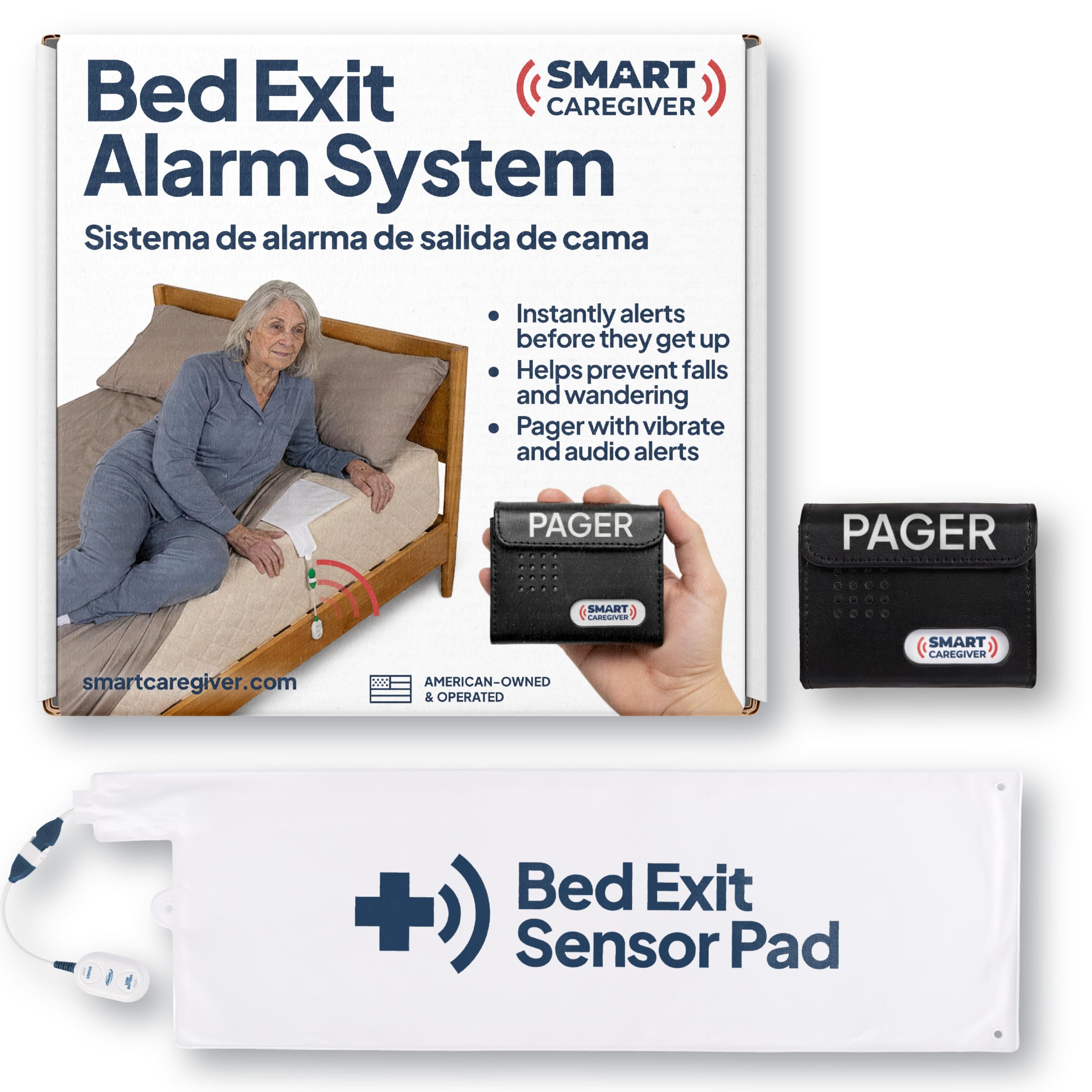
We recommend this bed alarm for caregivers who need a simple way to know when someone leaves bed, especially at night.
Pros
- Wireless pager reaches up to 300 feet
- Sound and vibration alerts
- Works with additional Smart Caregiver sensors
Cons
- The pad may need careful placement to work reliably
- It only monitors the bed, not a person after they stand
- Some buyers report limited pad lifespan
We found the 10-by-30-inch pad easy to place under the shoulder area. When pressure lifted, the pager alerted us quickly. Its large sensing area also helped reduce unnecessary alerts during normal movement.
The pager gave us useful flexibility. We could keep it nearby, choose sound or vibration, and continue household tasks without staying beside the bed. The signal also worked through walls in typical home use.
This device supports up to six compatible Smart Caregiver sensors, so we could add monitoring for chairs, doors, or other areas later. That makes it more useful for people who need broader supervision.
We would not treat it as a complete fall prevention system. It warns us when someone starts leaving bed, but it cannot stop a fall or track movement after the person gets up. We also recommend checking pad placement and testing the system regularly.
CallToU Bed Exit Alarm
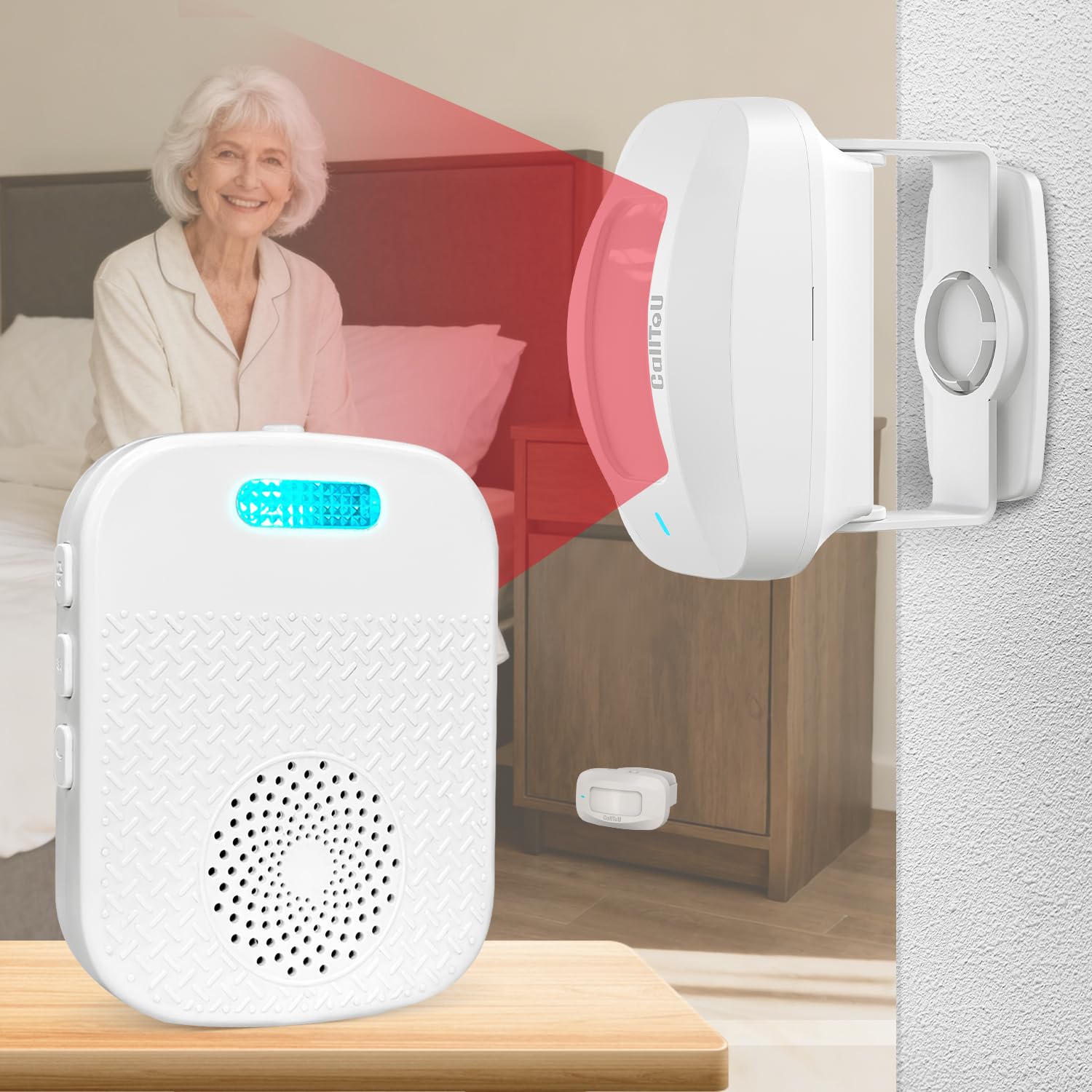
We recommend this alarm for caregivers who need a simple bed or chair exit alert with portable receiver options.
Pros
- Detects movement before the person fully leaves the bed
- Offers sound, light, silent, and vibration alerts
- Receiver works during power outages
Cons
- Sensor batteries need regular replacement
- Some users report false alerts or early failures
- The alarm does not replace direct supervision
We found the wireless floor sensor easy to place beside a bed or chair. Its motion range covers about 3 to 10 feet, so it can alert a caregiver soon after someone starts to stand. The sensor does not need to touch the person, which helps avoid some problems linked to bed pads.
The receiver gives us useful control over alerts. We can choose from several volume levels and ringtones, or use vibration and silent modes at night. The receiver also includes a light, which adds another way to notice an alert without making the room loud.
We liked being able to carry the receiver around the home with its lanyard. The sensor uses replaceable AAA batteries, while the receiver charges through USB-C. Still, user feedback shows mixed results, including reports of false alarms and units that stopped working after a short time. We would test the system regularly and keep another safety plan in place.
Connected Caregiver Safety+ 4G Medical Alert System
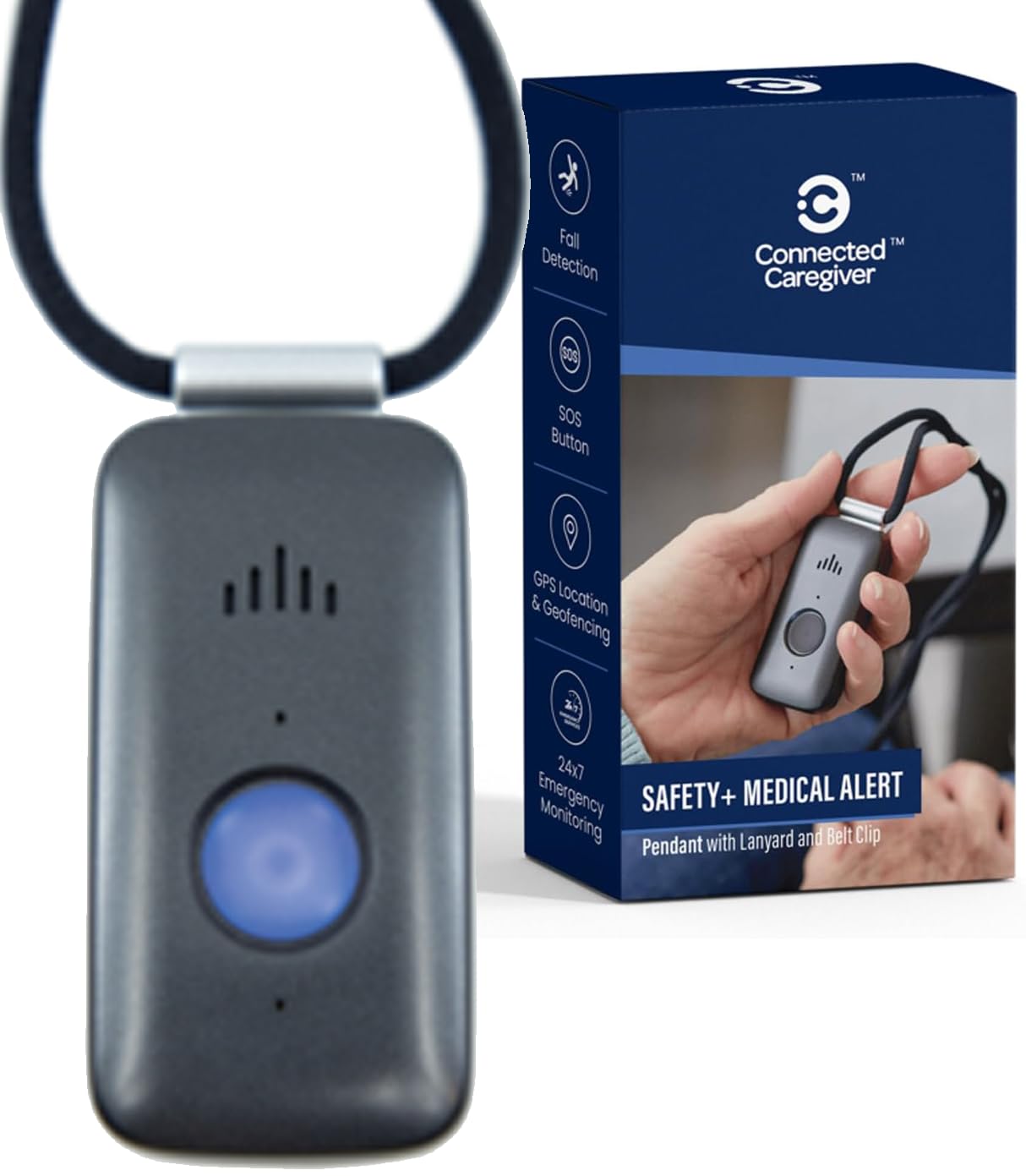
We recommend this device for adults who want fall detection, GPS, and 24/7 monitoring without needing a smartphone, but buyers should review the service terms and charging needs before ordering.
Pros
- Fall detection, GPS, and emergency monitoring work together.
- The lanyard and belt clip offer flexible wearing options.
- Water resistance supports use during showers and outdoor activities.
Cons
- The service costs $40 per month after the first month.
- Some users report setup, app, and charging problems.
- Fall detection may not identify every type of fall.
The device felt light enough for daily wear, and the magnetic lanyard made it easy to put on and remove. We also liked the belt clip for times when wearing a necklace was not practical. Since the unit uses cellular service, we did not need to pair it with a phone.
Pressing the help button connects us with a monitoring operator through the built-in speaker and microphone. Automatic fall detection adds another layer of support, although we would not treat it as a replacement for manually pressing the button after an accident.
The caregiver app gives family members access to location, activity, battery, and emergency alerts. Setup may require patience, and customer reports show mixed experiences with app support and cellular location accuracy.
Battery performance depends on use and coverage. The product listing advertises up to six days, while the stated average battery life is 36 hours, so we would charge it regularly and confirm the actual runtime during the return period. The first month of service is included, but ongoing billing and contract terms deserve careful review.
Fajocru V46 Fall Detection Smart Watch
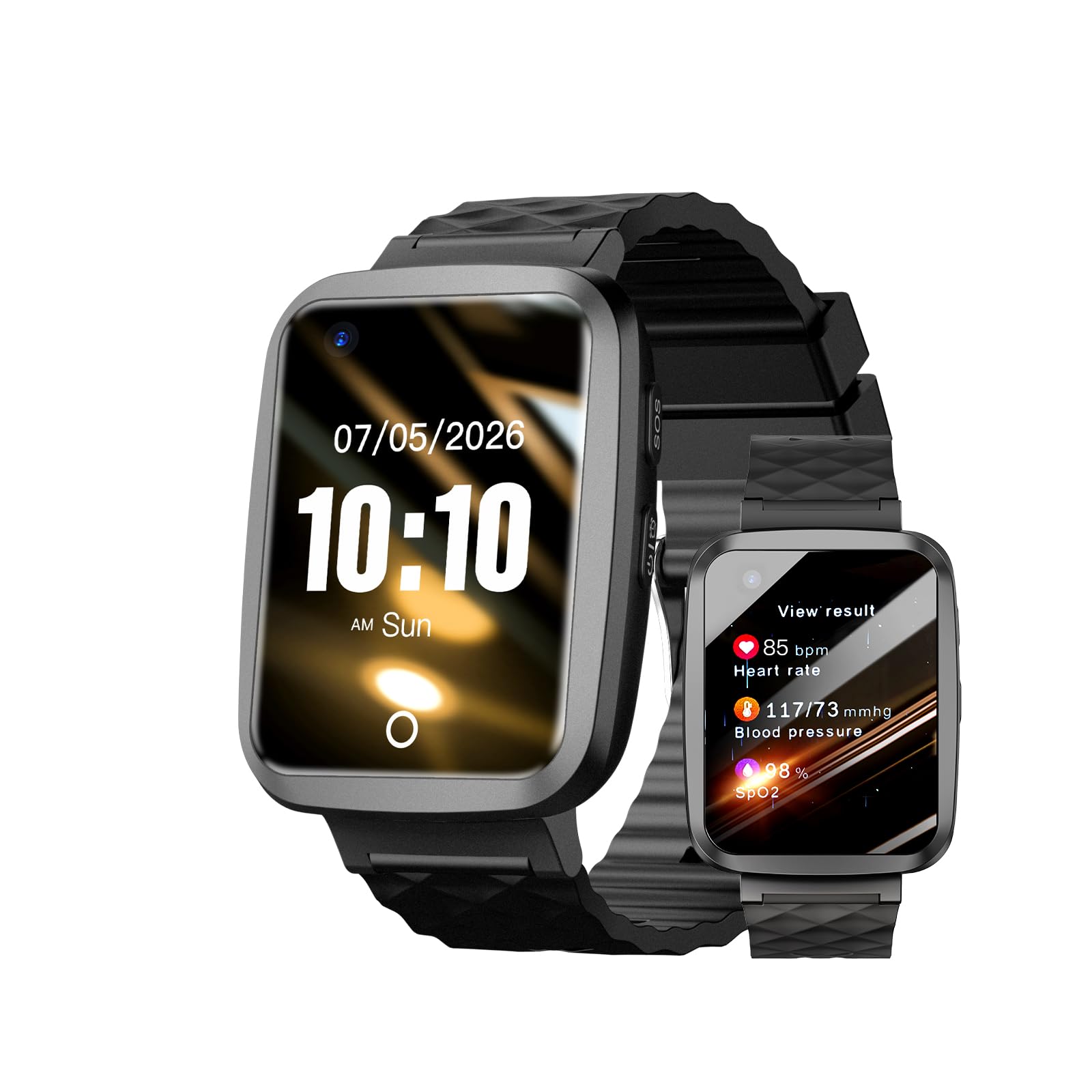
We recommend the Fajocru V46 for families who want fall alerts, GPS tracking, and two-way calling in one wearable.
Pros
- Automatic fall alerts and an SOS button
- GPS tracking with location boundaries
- Large screen, voice calling, and magnetic charging
Cons
- Setup may take time
- App instructions may be unclear
- Health readings should not replace medical devices
We found the watch light enough for daily wear and simple to use after setup. The large touchscreen and buckle band helped make basic tasks easier for an older adult with limited dexterity.
The fall alert can notify preset contacts if the wearer cannot press the SOS button. We also liked the GPS and safe-zone features for monitoring someone who may wander. These tools require a compatible phone, app setup, and an active cellular connection, so families should test them before relying on the watch.
Two-way calling worked as a useful way to check in without handing the wearer a separate phone. The watch also includes reminders, step tracking, and activity monitoring, though we would treat its heart rate, blood pressure, and blood oxygen readings as general reference data.
The IP67 water resistance suits rain and hand washing, but we would avoid swimming or extended water exposure. Customer feedback is generally positive, yet some buyers reported setup problems and confusing instructions. Fajocru’s customer service helped some users resolve these issues, but we recommend confirming network compatibility before purchase.
Buying Guide
We should begin with the user’s daily needs, mobility, and living space. A wearable device may suit someone who spends time alone, while a home-based system may work better for someone who stays indoors.
We should compare these features before choosing:
| Feature | What to check |
|---|---|
| Fall detection | Whether the device detects hard falls and how we can cancel false alerts |
| Emergency support | Access to trained staff, family contacts, or local emergency services |
| Connection | Cellular, Wi-Fi, Bluetooth, or landline requirements |
| Battery | Battery life, charging method, and low-battery alerts |
| Comfort | Weight, fit, water resistance, and ease of wearing |
| Location tools | GPS support for outdoor use and location sharing |
| Controls | Large buttons, voice features, and simple instructions |
| Costs | Equipment fees, monthly charges, activation fees, and cancellation terms |
Fall detection should not replace a manual help button. We should choose a device that lets the wearer call for help directly, since automatic detection may not identify every fall.
We should also check whether the service works in the places where the user spends time. Read the privacy policy, confirm who receives alerts, and test the device regularly with the user’s consent.
Editor’s Choice
We recommend the Medical Guardian MGMove for many disabled adults who want wearable fall detection with access to trained emergency operators. Its smartwatch-style design includes GPS, two-way voice communication, medication reminders, and optional automatic fall detection.
We like its balance of safety features and daily usability. Users can wear it as a watch, and caregivers can check activity through the companion app. Fall detection may not identify every fall, so users should still press the help button when they can.
| Feature | MGMove |
|---|---|
| Automatic fall detection | Optional |
| Two-way communication | Yes |
| GPS tracking | Yes |
| Wearable style | Smartwatch |
| Caregiver app | Available |
We suggest reviewing the monthly service cost, device requirements, and fall detection terms before ordering. People with limited hand movement may also benefit from testing the button size and voice controls.
Conclusion
We should choose a fall detection device based on the user’s needs, daily routine, and comfort. Key features include automatic fall detection, two-way communication, accurate location tracking, and a design the user can wear or carry easily.
We should also check battery life, mobile network coverage, alert response times, and monthly fees. A device that works at home may not meet the needs of someone who spends much of the day outside.
Before buying, we can review the setup process and test the device with the user. We should also confirm that family members, caregivers, or a monitoring center can receive alerts and respond quickly.
The best choice supports independence while adding a reliable way to request help. Regular testing and routine charging help keep the device ready when it matters.
FAQS
Do fall detection devices work automatically?
Many devices use sensors to detect a hard fall and can contact an emergency response center. We should not treat them as perfect, because some falls may go undetected or trigger a false alarm.
What types of devices can we choose from?
We can choose from pendants, watches, wristbands, and smartphone apps. Some devices work only at home, while others use cellular service or GPS for coverage outside the home.
Do we need a monthly plan?
Some devices require a monthly monitoring fee. Others connect to a phone and use its existing service plan. We should check activation fees, equipment costs, and cancellation terms before buying.
Can these devices help disabled adults who use wheelchairs?
Yes. We should look for designs that fit securely, have easy-to-press buttons, and support the user’s movement needs. A device should not interfere with wheelchair controls, transfers, or daily activities.
What features should we compare?
- Automatic fall detection
- Two-way voice communication
- GPS or location sharing
- Water resistance
- Long battery life
- Accessible alerts and controls
- Caregiver notifications
Should we test the device after setup?
Yes. We should test the emergency button, speaker, microphone, fall detection, and caregiver alerts. We should also confirm that the device works in the areas where the user spends time.