
Partial Dentures vs Dental Implants for Seniors


Anti-Slip Shower Stickers

Air Fryer for Easy Cooking

Bedside Commode Chair
Partial Dentures vs Dental Implants can be a tough choice when you are missing one or more teeth. Both can replace missing teeth, but they work in very different ways.
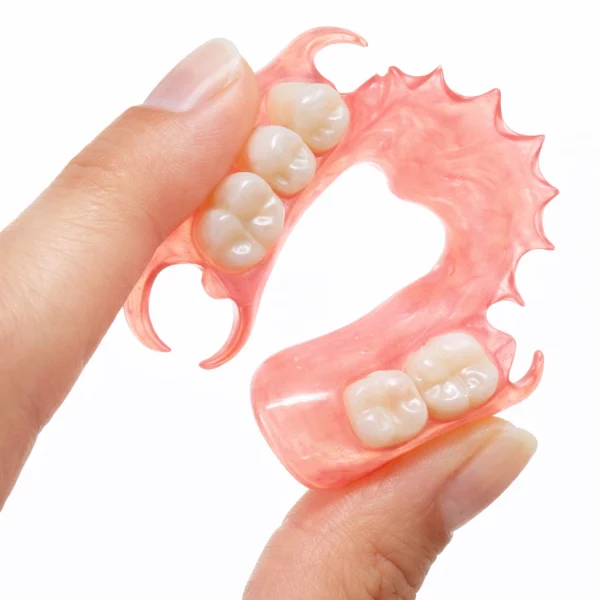
Partial dentures are removable. They rest on the gums and may use nearby teeth for support. Dental implants are placed into the jawbone and can support a crown, bridge, or denture.
For seniors, the better choice depends on oral health, bone health, budget, comfort, and how much daily care is practical. Age alone does not decide whether implants are suitable.
Quick Comparison
Partial dentures are usually the simpler and less invasive option. They can be a good fit when you want a removable solution or need to replace several teeth.
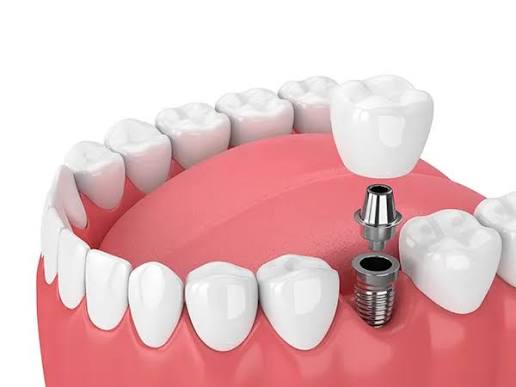
Dental implants offer a more fixed solution. They can feel more like natural teeth, but treatment involves surgery, healing time, and a higher overall cost.
The best choice is not always the most advanced one. It is the one that fits your mouth, health, routine, and budget.
Partial Dentures vs Dental Implants At a Glance
Here is the basic difference between the two options.
| Feature | Partial Dentures | Dental Implants |
|---|---|---|
| Removable | Yes | Usually no for an implant crown |
| Surgery | No implant surgery | Yes |
| Stability | Good, but may move | Very stable after healing |
| Cleaning | Remove and clean | Clean like natural teeth |
| Treatment time | Usually shorter | Usually longer |
| Jawbone support | Does not replace the tooth root | Replaces the tooth root |
| Cost | Usually lower | Usually higher |
| Best for | Flexible, removable tooth replacement | Fixed, long-term tooth replacement |
Partial Dentures as a Senior-Friendly Option
Partial dentures can replace one or more missing teeth while keeping the solution removable. They may attach to remaining natural teeth with clasps and also rest on the gums.
For some seniors, this makes partial dentures a practical starting point.
Ease of Use
Partial dentures do not require implant surgery. They can be removed for cleaning and should be cared for each day.
This can be useful for someone who wants a simpler treatment process. However, removing, cleaning, and putting the denture back in can require good hand control.
Key Strengths
- Usually less invasive than implants
- Removable for cleaning
- Can replace several missing teeth
- Does not require implant surgery
- Often has a lower initial cost
- Can be adjusted or replaced as dental needs change
Potential Drawbacks
- May move during eating or speaking
- Can require adjustment as the mouth changes
- Clasps may be visible in some designs
- Requires regular cleaning
- May feel less like natural teeth than an implant
Partial dentures are also not maintenance-free. Daily cleaning remains important, and remaining natural teeth and gums still need care.
Dental Implants for Seniors
Dental implants use a small post placed in the jawbone to replace the root of a missing tooth. The implant can then support a crown, bridge, or denture.
For seniors who want a fixed replacement and are suitable candidates, implants can offer excellent stability.
Ease of Use
After healing, an implant-supported tooth can be used much like a natural tooth. There is no removable denture to take out at night when a fixed crown is used.
The trade-off is the treatment process. Implant placement involves surgery, and the implant needs time to bond with the jawbone before the final restoration is completed.
Key Strengths
- Strong and stable once healed
- Does not need to be removed for daily cleaning
- Can help preserve jawbone
- Can replace a missing tooth without cutting down neighboring teeth
- Can support crowns, bridges, or dentures
- Can provide a natural-feeling solution
Potential Drawbacks
- Requires surgery
- Treatment can take several months
- Usually costs more than partial dentures
- Adequate jawbone is important
- Some people may need bone grafting
- Not every person is a suitable candidate
Implants require careful assessment. Health, oral hygiene, existing dental problems, bone condition, and healing ability all matter.
Which Is Easier for Seniors to Use?
The answer depends on what “easy” means for you.
Partial dentures may be easier during treatment because they do not require implant surgery. They can also be removed when needed.
Implants may be easier in everyday life after healing because a fixed implant tooth does not need to be removed and replaced each day.
For seniors with limited hand strength or dexterity, the cleaning routine matters. Removing and handling a partial denture may be harder for some people. On the other hand, cleaning around implants requires careful oral hygiene.
So there is no universal winner.
For easier treatment: Partial dentures usually have the advantage.
For easier fixed daily use after healing: Dental implants may have the advantage.
Performance Comparison
The main performance difference is stability.
A partial denture relies on the remaining teeth, gums, and underlying bone for support. A dental implant is anchored in the jawbone.
This can make an implant-supported tooth feel more stable during normal activities such as chewing and speaking. Implant-supported dentures can also provide more stability than traditional dentures.
| Performance Area | Partial Dentures | Dental Implants |
|---|---|---|
| Chewing stability | Good, but may move | Excellent after healing |
| Speaking | Usually good | Usually very stable |
| Fixed feel | No | Yes |
| Root replacement | No | Yes |
| Bone preservation | Limited | Can help preserve jawbone |
A missing tooth can also affect chewing and, in some cases, remaining teeth may shift or bone loss can occur.
Comfort, Accessibility, and Senior-Friendly Design
Comfort is highly personal. A partial denture may feel unfamiliar at first, especially while eating or speaking.
Implants avoid having a removable appliance resting on the gums when used with a fixed crown. But the treatment itself is more involved.
For seniors, consider:
- How easy it is to clean the replacement
- Whether removing a denture is comfortable
- Whether fine hand movements are difficult
- Whether dental appointments are easy to attend
- Whether surgery and healing are acceptable
- Whether nearby teeth are healthy
- Whether enough jawbone is available
A senior who prefers a removable solution may be happier with a partial denture. Someone who strongly prefers a fixed tooth may prefer an implant if their dentist considers it suitable.
Features Comparison
The most important features are not the number of technical parts. They are the differences you will notice in daily life.
| Feature | Partial Dentures | Dental Implants |
|---|---|---|
| Removable | Yes | Usually no with a fixed crown |
| Daily cleaning | Remove and clean | Brush and clean around implant |
| Surgery | No | Required |
| Stability | Moderate to good | High after healing |
| Treatment time | Usually shorter | Usually longer |
| Bone requirement | Less restrictive | Adequate bone is important |
Implants may require bone grafting when there is not enough bone to support them.
Price, Maintenance, and Long-Term Value
Partial dentures generally have a lower upfront cost than dental implants. Implants cost more because treatment can involve surgery, implant components, restoration, and several dental visits.
But price alone does not tell the full story.
Partial dentures need regular cleaning and may eventually need adjustment or replacement. Dentures commonly last several years with proper care.
Implants have a higher initial cost, but the implant itself can be a long-term solution when properly maintained. The visible crown or other restoration can still require maintenance or replacement.
Think about total ownership, not just the first bill.
Who Should Choose Partial Dentures?
Partial dentures may be a better fit if:
- You want a removable solution.
- You want to avoid implant surgery.
- You need to replace several missing teeth.
- You prefer a shorter treatment process.
- Your budget makes implants difficult.
- Your dentist does not consider implants suitable.
- You are comfortable with daily denture cleaning.
They can be especially practical when simplicity and lower initial cost matter most.
Who Should Choose Dental Implants?
Dental implants may be worth considering if:
- You want a fixed tooth replacement.
- Stability is a high priority.
- You want a solution that feels closer to a natural tooth.
- You have suitable jawbone and oral health.
- You are comfortable with surgery and healing time.
- You want to avoid a removable appliance.
- You are prepared for careful long-term oral care.
A dental professional should assess your individual situation before implant treatment.
Final Verdict
There is no single winner in Partial Dentures vs Dental Implants.
Best for a simpler removable option: Partial dentures
Best for fixed stability: Dental implants
Best for lower initial cost: Partial dentures
Best for a natural-tooth-like fixed solution: Dental implants
Best choice for you: The option that fits your oral health, bone condition, dexterity, budget, and personal preference.
For many seniors, the decision is less about age and more about whether the mouth and overall health can support the chosen treatment.
Scoring Summary
The scores below are practical comparison scores, not clinical ratings.
| Category | Partial Dentures | Dental Implants |
|---|---|---|
| Ease of Use | 8/10 | 8/10 |
| Senior-Friendly Design | 8/10 | 8/10 |
| Stability | 7/10 | 10/10 |
| Maintenance | 7/10 | 8/10 |
| Value | 9/10 | 8/10 |
These scores should not replace a dental assessment. The right option can vary greatly from one person to another.
How We Evaluate Products
We compare tooth-replacement options around the issues that can affect daily senior use.
The main factors are ease of use, comfort, stability, maintenance, safety, treatment demands, long-term practicality, and value.
We do not treat marketing claims as proof. We also do not assume that every senior has the same physical or dental needs.
Senior-Specific Buying Considerations
A few checks can make the decision easier.
Physical Effort
Think about whether you can comfortably remove, handle, and clean a partial denture each day.
Oral Health
Healthy gums, remaining teeth, and good oral hygiene matter for either option.
Jawbone
Implants need suitable bone support. If bone has been lost, grafting may sometimes be considered.
Maintenance
Ask how much daily cleaning each option requires and whether you can manage it comfortably.
Treatment Time
Partial dentures can often provide a simpler route. Implants involve surgery and healing.
Budget
Compare the full treatment cost, not only the starting price.
Common Buying Mistakes
Avoid these common mistakes:
- Choosing only because the option is cheaper
- Assuming implants are automatically better
- Ignoring daily cleaning needs
- Forgetting the condition of remaining teeth
- Failing to ask about bone health
- Comparing only the upfront price
- Assuming age alone rules out implants
Safety
Dental implants involve oral surgery, so they have risks such as infection, nerve injury, and other complications. Healing can also take time.
Partial dentures avoid implant surgery, but a poorly fitting denture can cause discomfort or gum irritation.
If you have an active dental infection, significant medical condition, poor healing, or concerns about surgery, discuss them with your dentist before choosing an implant.
Conclusion
Partial dentures and dental implants can both replace missing teeth, but they suit different needs. Partial dentures offer a removable and generally simpler option, while implants provide a more fixed and stable solution.
For seniors, the best choice should consider oral health, jawbone condition, daily dexterity, comfort, treatment time, and total cost. A dentist can assess these factors and help determine which option is appropriate for your mouth.
