
Dentures vs Dental Implants for Seniors


Lap Desk for Reading

Bathtub Transfer Bench

Air Fryer for Easy Cooking
Dentures vs Dental Implants is a common choice when missing teeth start to affect eating, speaking, comfort, or daily confidence. The two options work in very different ways, so the better choice depends on oral health, budget, comfort, and how much maintenance a person can manage.
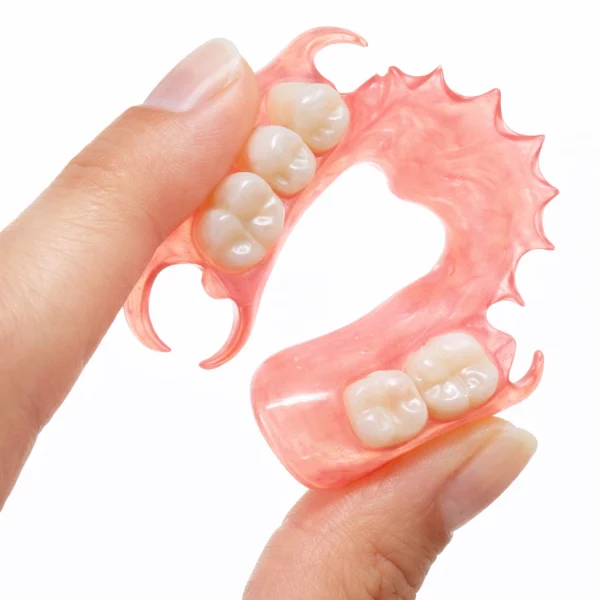
Dentures are removable and can replace some or all missing teeth. Dental implants are fixed into the jaw and can support a crown, bridge, or denture. For seniors, the biggest question is often not which option is technically better, but which one fits their needs and ability to maintain it.
Quick Comparison
For many seniors, dentures are the simpler and more budget-friendly option, especially when several teeth need replacing. They are removable and do not require implant surgery.
Dental implants may be a better fit for seniors who want a fixed solution and are suitable candidates for implant treatment. They can provide support for individual teeth, bridges, or dentures.
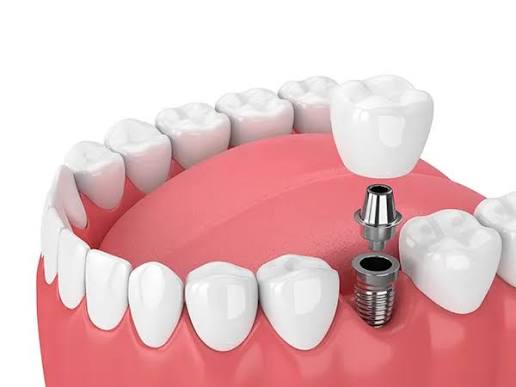
The most important difference is simple: dentures sit on the gums, while implants are placed in the jawbone and used to support replacement teeth.
Dentures vs Dental Implants At a Glance
Both options can replace missing teeth, but the daily experience can be quite different.
| Feature | Dentures | Dental Implants |
|---|---|---|
| Type | Removable | Fixed support |
| Surgical procedure | Usually no implant surgery | Requires dental surgery |
| Daily removal | Yes | Usually no for fixed restorations |
| Cleaning | Requires regular denture cleaning | Requires regular oral hygiene |
| Initial cost | Usually lower | Usually higher |
| Setup | Generally simpler | More involved |
| Long-term care | Adjustments or replacement may be needed | Implant and restoration need ongoing care |
| Best suited to | Those seeking a removable option | Those seeking fixed tooth replacement |
Dentures for Seniors: What to Know
Dentures can be a practical way to replace several missing teeth without undergoing implant surgery. They may be full or partial, depending on how many teeth are missing.
For seniors who want a removable option with a simpler treatment process, dentures can make sense.
Ease of Use
Dentures do require a learning period. New users may need time to become comfortable putting them in and taking them out, speaking with them, and eating different foods.
Daily cleaning is also important. Dentures should be removed and cleaned regularly rather than treated exactly like natural teeth.
For someone with limited hand strength or dexterity, taking dentures in and out may be frustrating at first. A caregiver may also need to help with cleaning or storage.
Key Strengths
- Removable when needed
- Can replace several missing teeth
- Does not require implant placement
- Usually has a lower initial cost than implants
- Can be a practical option when implants are unsuitable
Potential Drawbacks
- Can feel less secure than a fixed restoration
- Require daily cleaning and care
- May need adjustment as the mouth changes
- Can become uncomfortable if they no longer fit properly
- Require safe storage when removed
A good fit matters more than simply having a new set of dentures.
Dental Implants for Seniors: What to Know
Dental implants take a different approach. An implant is placed into the jawbone and can support a crown, bridge, or denture.
This can make implants attractive to seniors who want a more fixed solution and are suitable candidates for the treatment.
Ease of Use
Once treatment is complete, a fixed implant-supported restoration does not need to be removed in the same way as ordinary removable dentures.
That can make everyday use feel more natural for some people. However, the treatment process is more involved and requires careful dental planning.
Implants also need good ongoing oral hygiene. They are not a “set it and forget it” solution.
Key Strengths
- Provides fixed support
- Can replace one or several missing teeth
- Can support certain types of dentures
- May feel more like a fixed tooth replacement
- Does not require removing a fixed restoration every night
Potential Drawbacks
- Requires a surgical procedure
- Usually costs more than conventional dentures
- Treatment can take longer
- Not every person is a suitable candidate
- Requires careful long-term oral hygiene
Which Is Easier for Seniors to Use?
This depends heavily on the person’s abilities and the type of restoration.
Dentures may be easier for seniors who want a simpler, removable solution and prefer to avoid implant surgery. They can also be easier from a treatment-cost perspective.
Implants may be easier in daily life after treatment because fixed restorations do not need to be removed like conventional dentures.
| Daily Consideration | Dentures | Implants |
|---|---|---|
| Removing at night | Required for many removable dentures | Not usually required for fixed restorations |
| Cleaning | Requires denture cleaning | Requires normal oral hygiene plus implant care |
| Fine-motor tasks | Removing and cleaning may require dexterity | Cleaning still requires good technique |
| Treatment process | Generally simpler | More involved |
| Daily stability | Can vary with fit | Fixed restorations can provide stable support |
For seniors with arthritis, reduced hand strength, or difficulty with fine motor tasks, the dentist should consider how manageable the cleaning and maintenance routine will be.
Performance Comparison
The two options should not be judged only by whether they replace missing teeth. Daily function matters too.
Dentures can restore the ability to eat and speak, but their stability depends on fit and the individual situation. A poorly fitting denture can move, cause discomfort, or make eating and speaking harder.
Implants provide support through the jawbone. They can be used for individual replacement teeth or to support bridges and certain dentures.
| Performance Area | Dentures | Dental Implants |
|---|---|---|
| Tooth replacement | Strong option | Strong option |
| Stability | Depends on fit | Fixed support can improve stability |
| Eating comfort | Varies by fit and adaptation | May feel more natural for some users |
| Speech adjustment | May require an adjustment period | Usually less noticeable once restored |
| Multiple missing teeth | Yes | Yes |
| Full-mouth replacement | Yes | Can support implant-based restorations |
There is no universal winner. The result depends on the restoration, oral condition, and treatment plan.
Comfort, Accessibility, and Senior-Friendly Design
Comfort is one of the biggest reasons to compare these options carefully.
Dentures rest on the gums. If the fit changes over time, they may need adjustment. Regular dental visits remain important.
Implants are fixed into the jaw and can provide a stable foundation, but the treatment itself is more involved. Implant suitability depends on the individual’s oral health and treatment needs.
For seniors, accessibility also matters. Think about who will handle cleaning, appointments, storage, and daily oral care.
A caregiver may find removable dentures easier to inspect and clean. Another senior may prefer a fixed restoration because there is less daily removal.
Features Comparison
The most useful “features” here are not buttons or technology. They are the practical differences that affect daily life.
| Feature | Dentures | Dental Implants |
|---|---|---|
| Removable | Yes | Usually no for fixed restorations |
| Jawbone support | No implant support | Implant provides support |
| Surgical treatment | No implant surgery | Yes |
| Cleaning routine | Remove and clean | Clean in place |
| Can support dentures | Conventional dentures | Implant-supported dentures |
| Treatment complexity | Lower | Higher |
Price, Maintenance, and Long-Term Value
Dentures generally have a lower initial cost than dental implants, although the final price varies based on the type of restoration, materials, number of teeth, and dental provider.
Implants usually require a larger financial commitment because treatment can involve implant placement and additional restorative work.
Long-term value is more complicated than simply comparing the first bill.
Dentures may require adjustments, relining, repair, or eventual replacement. Implants also require maintenance, and the crown, bridge, or denture attached to an implant may eventually need repair or replacement.
| Cost Factor | Dentures | Dental Implants |
|---|---|---|
| Initial expense | Usually lower | Usually higher |
| Maintenance | Regular cleaning and dental care | Regular oral hygiene and dental care |
| Replacement parts | Dentures may eventually need replacement | Restorative components may need repair or replacement |
| Treatment complexity | Lower | Higher |
| Long-term planning | Fit and replacement matter | Implant and restoration maintenance matter |
The better value depends on the person’s needs, treatment goals, and how long-term care fits their budget.
Who Should Choose Dentures?
Dentures may make more sense if:
- You want a removable tooth-replacement option.
- You want to avoid implant surgery.
- You need to replace several or all missing teeth.
- A lower initial treatment cost is important.
- You prefer a simpler treatment approach.
- You or a caregiver can manage regular denture cleaning.
Who Should Choose Dental Implants?
Dental implants may be worth considering if:
- You want fixed tooth replacement.
- You prefer not to remove your replacement teeth every day.
- You want support for a crown, bridge, or certain types of dentures.
- Your dentist considers you suitable for implant treatment.
- You are comfortable with a more involved treatment process.
- The higher initial cost fits your budget.
Dentures vs Dental Implants — Final Verdict
Best for a simpler removable option: Dentures
Best for fixed tooth replacement: Dental implants
Best for lower initial cost: Dentures
Best for avoiding daily removal of a fixed restoration: Dental implants
There is no single winner for every senior. Dentures can be practical, accessible, and less expensive at the start. Implants can provide fixed support but involve surgery, more planning, and a higher initial investment.
The right choice should be based on oral health, treatment suitability, budget, comfort, and the level of daily care the person can realistically manage.
Scoring Summary
These scores are broad editorial comparisons, not clinical ratings.
| Category | Dentures | Dental Implants |
|---|---|---|
| Ease of initial treatment | 9/10 | 6/10 |
| Senior-friendly daily use | 8/10 | 8/10 |
| Stability | 7/10 | 9/10 |
| Maintenance | 7/10 | 8/10 |
| Initial value | 9/10 | 6/10 |
| Fixed solution | 5/10 | 10/10 |
The scores can change significantly depending on the person’s dental condition and the exact restoration being considered.
How We Evaluate These Options
This comparison focuses on the factors that matter most when an older adult is choosing between removable dentures and dental implants.
We consider:
- Ease of use
- Comfort
- Accessibility
- Treatment complexity
- Daily maintenance
- Stability
- Safety
- Long-term practicality
- Cost and value
- Suitability for caregiver support
This is an editorial comparison, not a clinical evaluation or diagnosis.
Senior-Specific Buying Considerations
Before choosing either option, consider the practical side of everyday care.
Physical Effort
Think about whether removing, cleaning, or handling a denture will be comfortable. Fine-motor ability can matter.
Maintenance
Ask what daily cleaning routine is required and whether the senior can manage it independently.
Dental Health
Implant treatment requires an individual dental assessment. Existing oral health issues may affect treatment planning.
Budget
Look beyond the initial price. Consider future adjustments, repairs, replacement restorations, and regular dental visits.
Caregiver Support
If a family member or caregiver helps with oral care, choose an option that fits the support available.
Common Buying Mistakes
Avoid these mistakes when comparing dentures and implants:
- Choosing only by initial price
- Assuming implants are automatically better
- Assuming dentures are always uncomfortable
- Ignoring the daily cleaning routine
- Forgetting future maintenance costs
- Making a decision without a proper dental assessment
Safety
Dental implants involve a surgical procedure, so suitability should be assessed by a qualified dental professional.
Dentures also need proper care. A damaged, painful, or poorly fitting denture should not simply be tolerated. Persistent discomfort or changes in fit are reasons to contact a dentist.
If the decision involves significant oral health problems, existing medical conditions, or questions about implant suitability, discuss the options with a dental professional.
Conclusion
Dentures and dental implants can both replace missing teeth, but they offer very different experiences. Dentures are removable and generally provide a simpler, lower-cost path. Implants offer fixed support but require a more involved treatment process and greater investment.
For seniors, the best choice is the one that fits their oral health, budget, comfort, daily abilities, and long-term care needs. A dentist can help determine which option is appropriate rather than assuming one solution works for everyone.
