
Heat Wrap vs Ice Pack: Which Is Better for Seniors?


Quad Cane for Seniors
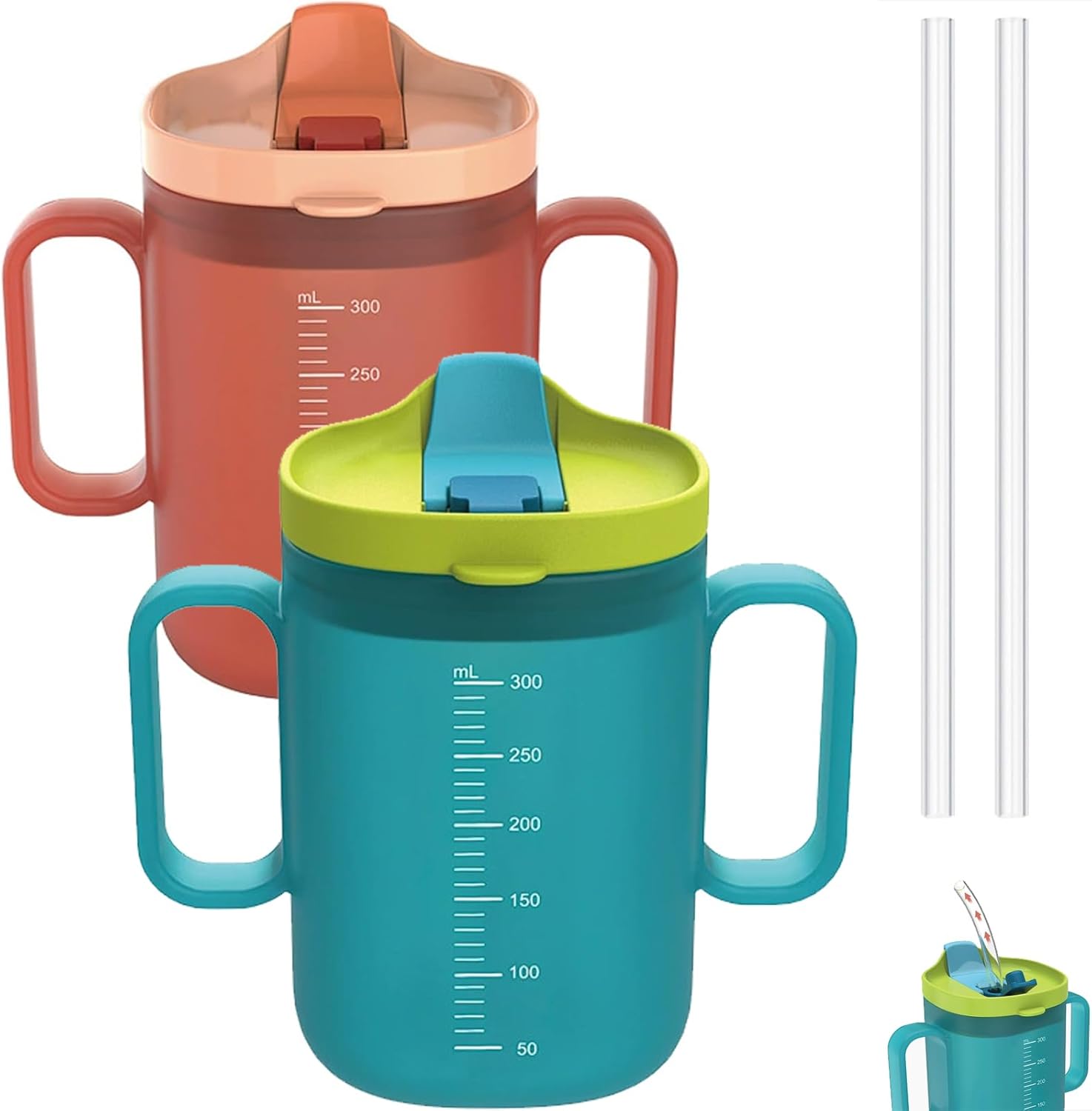
Spill-Proof Adult Cup

Automatic Pill Dispenser
Heat Wrap vs Ice Pack is a useful comparison when you want simple, drug-free comfort but are unsure whether warmth or cold makes more sense. The two products work in very different ways, so the better choice depends on what you need at the time.
A heat wrap may feel better for stiffness or tight muscles, while an ice pack can be more useful after a recent minor injury when swelling is a concern. Neither is automatically better for every situation.
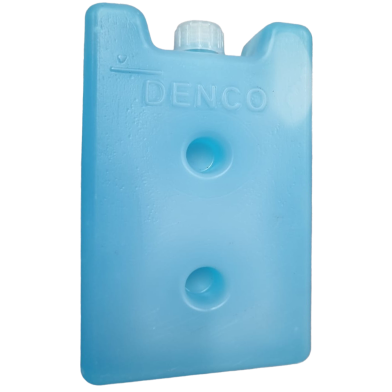
Quick Comparison
For most seniors, a heat wrap is the easier everyday option when the goal is warmth, comfort, or relaxing tight muscles. It can be especially convenient when a wrap stays in place without needing to be held.
An ice pack is the better choice for a fresh bump, sprain, or swelling, provided it is used safely. Cold can numb pain and help reduce swelling.
The key difference is simple: heat is generally more useful for loosening and warming, while cold is more useful for cooling and reducing swelling.
Heat Wrap vs Ice Pack At a Glance
Here is the basic difference in everyday use.
| Feature | Heat Wrap | Ice Pack |
|---|---|---|
| Main purpose | Warmth and relaxation | Cooling and numbing |
| Best fit | Stiff or tight areas | Recent minor injuries |
| Comfort | Warm and soothing | Cold and numbing |
| Setup | Usually simple | Usually needs chilling or freezing |
| Portability | Often easy to carry | Depends on pack type |
| Skin protection | Important | Important |
| Hands-free use | Often possible | Depends on design |
| Main concern | Excessive heat | Excessive cold |
Heat Wrap Review for Senior Comfort
A heat wrap can be a simple choice when warmth feels more comfortable than cold.
Heat may help relax tense muscles and can be useful for stiffness. A wrap can also be easier than holding a heating pad in position because the design may allow it to stay around the target area.
Ease of Use
The biggest advantage is simplicity.
A wrap does not necessarily require a complicated control panel. Depending on the type, it may be warmed first and then placed around the area that needs attention.
For someone with limited hand strength, a flexible wrap may be easier to position than a bulky heating device. However, the exact design matters.
Key Strengths
- Provides soothing warmth
- Useful for stiff or tense muscles
- Can be comfortable for longer sitting periods
- Some designs are hands-free
- Simple to store
Potential Drawbacks
- Needs careful temperature control
- May be less suitable for a fresh swollen injury
- Some designs need heating before use
- Can become uncomfortable if left on too long
Ice Pack Review for Simple Cold Therapy
An ice pack takes the opposite approach. Instead of warming the area, it provides cooling that can temporarily numb discomfort and help reduce swelling.
Cold is commonly used after minor injuries such as bumps, bruises, sprains, and strains.
Ease of Use
The main challenge is preparation.
Some ice packs need to be frozen before use. That means remembering to keep them ready in the freezer. A flexible gel pack can be easier to position, but the pack still needs a safe barrier between the cold surface and skin.
Key Strengths
- Useful after a recent minor injury
- Can help reduce swelling
- Temporarily numbs the area
- Easy to store in a freezer
- Many packs can conform to body contours
Potential Drawbacks
- Requires freezing or chilling
- Can feel uncomfortable for people who dislike cold
- May be less convenient for hands-free use
- Must not be left on too long
Which Is Easier for Seniors to Use?
Ease of use depends heavily on the design and the user’s needs.
A heat wrap may have the edge for everyday convenience if it can stay securely in place. It can be helpful for someone who wants warmth while sitting and relaxing.
An ice pack may be equally simple once prepared, but the freezer adds an extra step.
The easier choice is usually the one that requires fewer steps for the specific user.
For either option, avoid leaving the product in place while sleeping. Excessive heat or cold can injure skin. Cold packs should have a thin cloth barrier, and heat should be kept at a comfortable level.
Performance Comparison
Heat and cold are designed to provide different effects, so performance should be judged by the situation rather than by picking one universal winner.
Heat can relax tight muscles and increase blood flow. Cold constricts blood vessels and can reduce swelling while temporarily numbing the area.
| Situation | Better Fit | Why |
|---|---|---|
| Stiff muscles | Heat wrap | Warmth may help muscles relax |
| Recent swelling | Ice pack | Cold may help reduce swelling |
| Fresh minor injury | Ice pack | Cooling can numb pain and limit swelling |
| General muscle tightness | Heat wrap | Warmth may feel more soothing |
| After activity | Either | Depends on symptoms and comfort |
For a recent injury, cold is commonly recommended first. After the early injury period, heat may become more useful for stiffness, although the right approach depends on the injury.
Comfort, Accessibility, and Senior-Friendly Design
Comfort is personal, but the physical design still matters.
A heat wrap may suit someone who likes gentle warmth and wants a product that can remain in position. An ice pack may suit someone who prefers a cooling sensation after a minor injury.
| Senior Need | Heat Wrap | Ice Pack |
|---|---|---|
| Warm comfort | Strong choice | Not applicable |
| Recent swelling | Usually not first choice | Strong choice |
| Easy positioning | Often good | Depends on shape |
| No freezer needed | Usually yes | No |
| Hands-free use | Some designs | Some designs |
| Gentle daily comfort | Often suitable | Less suited to this purpose |
Neither product is automatically better for every older adult. A person who is sensitive to heat or cold may need extra caution.
Features Comparison
The most useful features are those that make the product easier and safer to handle.
| Feature | Heat Wrap | Ice Pack |
|---|---|---|
| Flexible design | Common | Common |
| Reusable | Often | Often |
| Temperature preparation | Heating | Freezing or chilling |
| Adjustable temperature | Some types | Usually limited |
| Hands-free design | Some types | Some types |
| Easy storage | Usually | Usually requires freezer space |
The exact features vary by product, so check the individual model before buying.
Price, Maintenance, and Long-Term Value
Both options can offer good value because reusable versions do not normally require frequent replacement.
The main difference is convenience. A reusable ice pack needs freezer space and must be ready when needed. A heat wrap may require heating or another preparation step, depending on its design.
For long-term value, look beyond the initial price. Check whether the product is washable, reusable, durable, and easy to store.
Who Should Choose a Heat Wrap?
A heat wrap may be the better choice if:
- Warmth feels more comfortable than cold.
- You mainly want help with muscle tightness or stiffness.
- You prefer something that can potentially stay in place.
- You want a product for repeated everyday use.
- You do not want to depend on freezer space.
Who Should Choose an Ice Pack?
An ice pack may be the better choice if:
- You are dealing with a recent minor bump or injury.
- Swelling is one of the main concerns.
- You prefer cooling to warmth.
- You want a simple reusable cold option.
- You already have convenient freezer space.
Heat Wrap vs Ice Pack — Final Verdict
Best for most everyday comfort: Heat wrap
Best for recent swelling: Ice pack
Best for stiff or tight muscles: Heat wrap
Best for a fresh minor injury: Ice pack
Best overall: It depends on the situation.
The important point is that heat and cold are not really competing products in the usual sense. They solve different problems. Choosing based on the symptom or situation makes more sense than simply asking which one is “better.”
Scoring Summary
Because heat wraps and ice packs serve different purposes, these scores reflect practical senior use rather than a claim that one therapy is universally superior.
| Category | Heat Wrap | Ice Pack |
|---|---|---|
| Ease of Use | 9/10 | 8/10 |
| Senior-Friendly Design | 9/10 | 8/10 |
| Everyday Comfort | 9/10 | 7/10 |
| Recent Injury Use | 6/10 | 9/10 |
| Maintenance | 8/10 | 8/10 |
| Overall Value | 9/10 | 9/10 |
These are editorial comparison scores, not laboratory measurements.
How We Evaluate Products
This comparison focuses on practical factors that can matter to older adults, including ease of use, comfort, accessibility, safety, maintenance, portability, and everyday practicality.
No hands-on testing is claimed here. The comparison is based on the different purposes and practical characteristics of heat and cold therapy.
Senior-Specific Buying Considerations
A few simple checks can make the choice easier.
Physical Effort
Consider whether the user can comfortably heat, carry, position, or freeze the product.
Controls
If the heat wrap uses controls, check whether the buttons and settings are easy to understand.
Maintenance
Look for a design that is easy to clean and store.
Storage
An ice pack needs convenient freezer space. A heat wrap needs a dry storage spot.
Setup
Think about how many steps are needed before use. Simple preparation can make a big difference for everyday convenience.
Safety
Use a barrier between ice and skin. Avoid excessive heat or cold, and do not sleep with either product in place. Excessive exposure can cause skin injury.
Common Buying Mistakes
Here are a few mistakes worth avoiding:
- Choosing heat simply because it feels comfortable.
- Using ice for too long.
- Putting an ice pack directly on bare skin.
- Ignoring freezer or storage requirements.
- Choosing a complicated heat wrap when simple controls would work better.
- Treating heat or cold as a replacement for medical care when an injury is serious or not improving.
Safety
Heat and cold both need sensible limits.
For cold therapy, use a thin cloth between the pack and skin. Cleveland Clinic advises avoiding prolonged icing, with sessions generally kept to about 20 minutes or less.
Heat also should not be excessive. Cleveland Clinic notes that heat sessions are generally limited to about 20 minutes, while Mayo Clinic advises never sleeping with a heating pad.
Do not put a heating pad over topical pain-relief creams because this can increase the risk of skin injury.
If pain is severe, an injury is worsening, or symptoms are not improving, it is better to speak with a healthcare professional rather than relying only on heat or cold.
Frequently Asked Questions
Is a heat wrap better than an ice pack?
Not always. A heat wrap may be better for stiffness or tight muscles, while an ice pack may be better for a recent minor injury with swelling.
Can seniors use heat wraps?
Many seniors can use heat wraps, but the temperature and duration should be controlled carefully. Avoid excessive heat and do not sleep while using one.
Should I use an ice pack for a fresh injury?
Cold is commonly used during the early period after a minor injury because it can numb pain and help reduce swelling.
Can I put an ice pack directly on my skin?
It is better to place a thin cloth between the cold pack and your skin. Direct or prolonged cold exposure can cause skin damage.
Can I use heat and ice on the same day?
In some situations, people use both at different times. Mayo Clinic notes that heat and cold can be alternated, with sessions spaced apart.
When should I ask a healthcare professional?
Seek professional advice when pain is severe, an injury is not improving, or you are unsure whether heat or cold is appropriate for your situation.
Conclusion
Heat Wrap vs Ice Pack is less about finding one universal winner and more about matching the product to the situation. A heat wrap is generally the stronger choice for warmth, comfort, and muscle stiffness, while an ice pack is more useful for cooling and recent swelling.
For seniors, ease of handling and safe use matter just as much as the type of therapy. Choose the option that fits the user’s needs, preparation preferences, and comfort level, and use heat or cold for sensible periods rather than leaving it in place for too long.
