
Pressure Relief Mattress vs Memory Foam: Seniors


Page Magnifier Sheet

Smart Digital Photo Frame
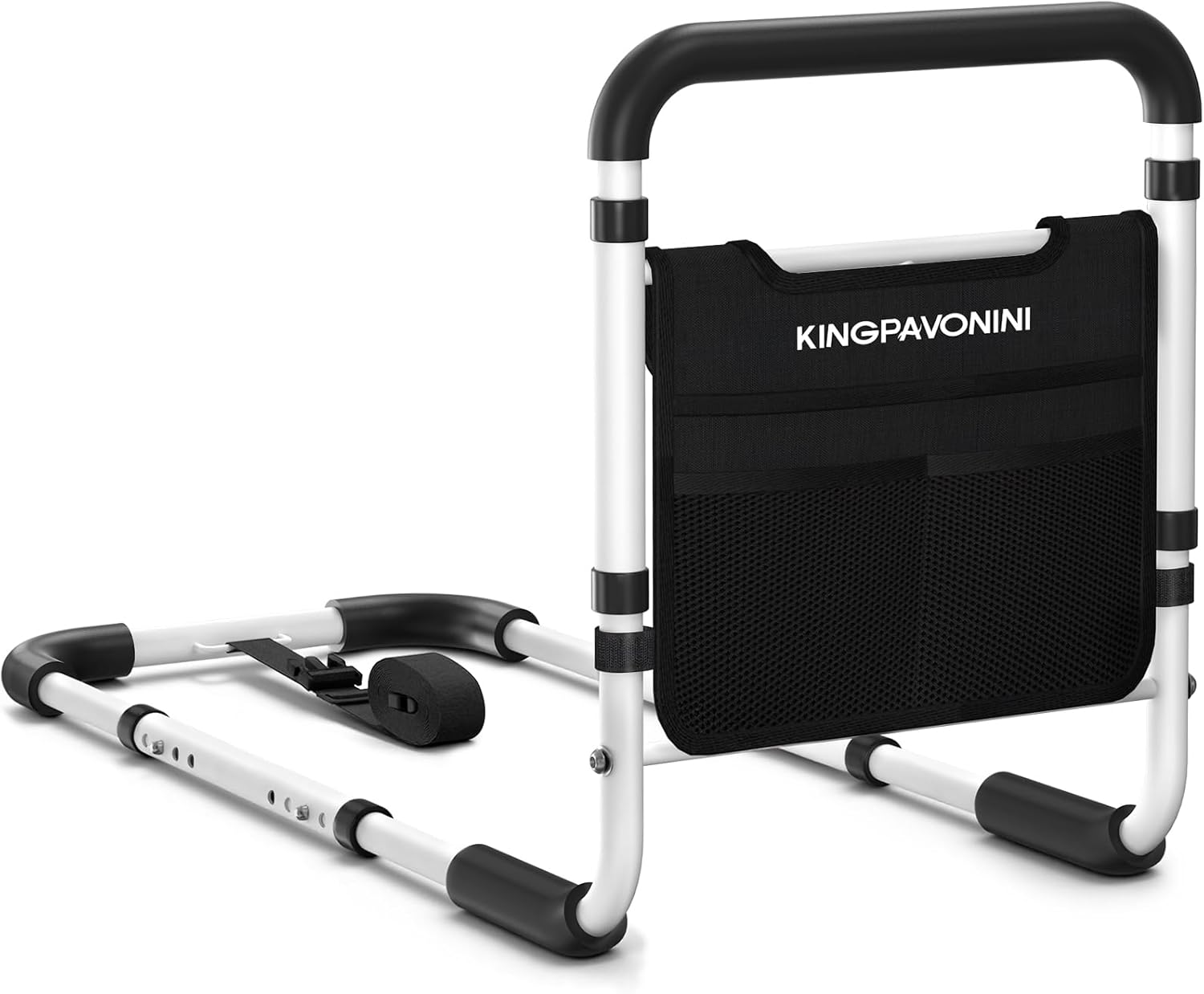
Bed Rail for Seniors
Pressure Relief Mattress vs Memory Foam can be a confusing choice because the names describe different things. A pressure relief mattress is designed around pressure redistribution, while memory foam is a type of foam material that can contour around the body.
For seniors, the better choice depends on the main need. Comfort, movement, setup, maintenance, and pressure management can all matter. A mattress that feels soft is not automatically the best pressure-redistribution option.
Quick Comparison
A memory foam mattress may be the better everyday choice for a senior who mainly wants body-contouring comfort and simple use.
A purpose-built pressure relief mattress may be more suitable when pressure redistribution is a major concern, especially when a healthcare professional has recommended a specialist support surface. NICE recommends high-specification foam mattresses for adults at high risk of pressure ulcers and considers dynamic support surfaces when additional pressure redistribution is needed.
The key point is simple: memory foam focuses on the material and feel, while a pressure relief mattress focuses on pressure management.
Pressure Relief Mattress vs Memory Foam At a Glance
The comparison below assumes a pressure relief mattress means a purpose-built pressure-redistributing mattress, which may use specialized foam, air cells, or another support system.
| Feature | Pressure Relief Mattress | Memory Foam |
|---|---|---|
| Main purpose | Pressure redistribution | Contouring comfort and support |
| Feel | Depends on design | Usually contouring |
| Setup | May be more involved | Usually simple |
| Controls | May have a pump or settings | Usually none |
| Maintenance | May require more care | Usually low |
| Everyday simplicity | Depends on model | Usually easier |
| Pressure management | Often the main design goal | Can redistribute pressure |
| Best suited to | Specific pressure-management needs | Everyday comfort |
Pressure Relief Mattress Review for Seniors
A pressure relief mattress is not one single mattress design. It can refer to different support surfaces made to reduce or redistribute pressure.
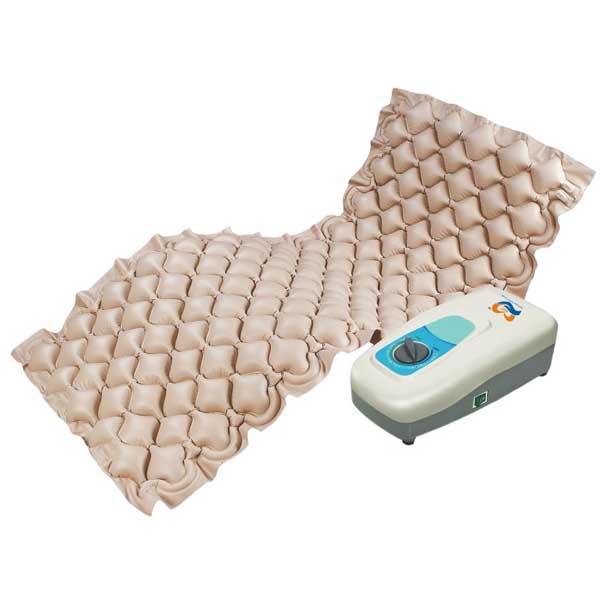
Some systems use specialized foam. Others use air cells that change pressure over time. Dynamic mattresses can use programmed inflation and deflation cycles to change the points where the body contacts the mattress.
That makes the category useful, but also harder to compare by name alone.
Ease of Use
Ease of use depends heavily on the design.
A basic pressure-redistributing foam mattress can be fairly simple. A dynamic air system may have a pump, settings, tubing, and other parts that need to be positioned correctly.
For a senior who has limited dexterity, a complicated control system may be less convenient. A caregiver may also need to check that the system is operating correctly.
Key Strengths
- Designed with pressure redistribution in mind
- Different support technologies are available
- Some systems can provide changing pressure support
- Specialist models may suit specific care needs
- Can be useful when recommended as part of a wider care plan
Potential Drawbacks
- Some models can be more complicated to set up
- Dynamic systems may need a power source
- Pumps and air systems add extra components
- The right type depends on the person’s needs
- Specialist models may cost more than basic mattresses
A pressure relief mattress should not be viewed as a replacement for repositioning or an individual care plan. NICE recommends considering mobility, repositioning ability, skin condition, and other factors when planning pressure-ulcer prevention.
Memory Foam Mattress Review for Seniors
Memory foam is a material rather than one specific pressure-care system. Viscoelastic foam responds to body weight and shape, allowing the surface to contour around the sleeper.
That contouring can feel comfortable for people who like a more cushioned sleep surface.
Ease of Use
Memory foam is usually straightforward to use. There are normally no pumps, controls, or electronic settings.
That simplicity can be useful for seniors who want a mattress that works without much interaction.
However, the exact feel varies by mattress. Firmness, thickness, foam construction, and the support layer underneath can all change how it feels.
Key Strengths
- Simple everyday operation
- No pump or electronic controls
- Contouring feel
- Can provide good pressure distribution
- Usually easy to maintain
Potential Drawbacks
- Some people may find deep foam harder to move on
- Heat retention can vary by design
- Firmness preferences differ
- Not every memory foam mattress is a specialist pressure-relieving surface
- It may not meet a specific clinical support need
So, the phrase “memory foam” should not automatically be treated as “medical pressure relief.” They overlap, but they are not the same category.
Which Is Easier for Seniors to Use?
For simple everyday use, memory foam usually has the advantage.
There are no settings to adjust. There is no pump to operate. There are also fewer components to manage.
A pressure relief mattress can still be easy to use if it is a simple foam design. Dynamic air systems are different. They may require setup and basic monitoring.
This creates an important trade-off:
Simple comfort favors memory foam. Specific pressure-management features may favor a purpose-built pressure relief system.
For seniors who can move independently and mainly want a comfortable sleeping surface, simplicity may matter more.
For someone with significant mobility limitations or a known pressure-injury risk, the choice should be based on an individual assessment rather than comfort alone.
Performance Comparison
The most useful performance difference is how each type approaches pressure.
Memory foam can contour around the body. This can spread contact over a larger area and may feel supportive.
A purpose-built pressure relief mattress may use a more specialized pressure-redistribution design. Dynamic systems can change the areas receiving pressure during operation.
However, more complicated does not automatically mean better for everyone.
NICE notes that evidence comparing different pressure-redistributing devices is limited. It also notes that there is limited evidence showing that more sophisticated alternating-pressure systems always provide an additional benefit over high-specification foam mattresses.
That is why the right mattress should match the person’s needs rather than simply having the most features.
Comfort, Accessibility, and Senior-Friendly Design
Comfort is highly personal.
Memory foam may suit someone who likes a close, cushioned feel. Some people may enjoy the way it conforms to the body.
A pressure relief mattress can offer a different experience. Some models are designed more around pressure management than the familiar feel of a traditional mattress.
For seniors, consider:
- How easy it is to get in and out of bed
- Whether the surface makes movement harder
- Whether controls are simple to understand
- Whether a pump or tubing is involved
- Whether the mattress is easy to clean
- Whether a caregiver will need to operate it
- Whether the mattress fits the existing bed frame
A very soft surface is not automatically easier or safer. Bed mobility matters too.
Features Comparison
The most useful features depend on the mattress design.
| Feature | Pressure Relief Mattress | Memory Foam |
|---|---|---|
| Pressure-focused design | Strong | Depends on mattress |
| Body contouring | Depends on design | Usually strong |
| Pump | Some models | No |
| Electronic controls | Some models | No |
| Changing pressure | Some dynamic models | No |
| Simple setup | Depends on model | Usually yes |
A pressure relief mattress with advanced features may offer more control, but those features can also increase setup and maintenance.
Price, Maintenance, and Long-Term Value
Price varies widely within both categories. A basic memory foam mattress can be much simpler than a specialist pressure-management system.
The purchase price is only one part of the value.
For a pressure relief system, consider:
- Pump requirements
- Replacement components
- Power use
- Cleaning
- Air-cell or system maintenance
- Warranty support
For memory foam, the main questions are usually simpler. Check the cover, construction, warranty, firmness, and expected durability.
The better value is the mattress that solves the actual problem. Paying more for features that are never needed does not automatically create better value.
Who Should Choose a Pressure Relief Mattress?
Choose a purpose-built pressure relief mattress if:
- Pressure redistribution is a major concern.
- A healthcare professional has recommended a specialist support surface.
- The user has limited ability to reposition.
- A caregiver needs a more specialized support system.
- The mattress design matches a specific pressure-management need.
If pressure-ulcer risk is involved, the mattress should be considered as part of a broader care plan. NICE recommends assessing risk, skin condition, mobility, repositioning ability, and other factors rather than relying on the mattress alone.
Who Should Choose Memory Foam?
Choose memory foam if:
- Everyday comfort is the main goal.
- You prefer a contouring sleep surface.
- Simple operation matters.
- You do not want pumps or electronic controls.
- Easy everyday use is more important than specialist features.
- There is no specific clinical requirement for a specialist support surface.
Memory foam can be a practical everyday option, but the exact mattress construction still matters.
Pressure Relief Mattress vs Memory Foam — Final Verdict
Best for most everyday sleepers: Memory foam
Best for a specific pressure-management need: Purpose-built pressure relief mattress
Best for simple operation: Memory foam
Best for specialized support: Pressure relief mattress
Best value: Depends on the user’s actual needs
There is no universal winner here. The biggest mistake would be treating every pressure relief mattress as the same product or assuming every memory foam mattress provides the same level of pressure redistribution.
For someone choosing a normal everyday mattress, memory foam may be the simpler option. For someone with significant pressure-ulcer risk or a specialist care requirement, the decision should be guided by an appropriate healthcare professional. NICE specifically recommends high-specification foam mattresses for adults at high risk and allows consideration of dynamic support surfaces when additional pressure redistribution is needed.
Scoring Summary
These scores are practical comparison scores, not clinical ratings. They reflect general usability rather than a specific mattress model.
| Category | Pressure Relief Mattress | Memory Foam |
|---|---|---|
| Ease of Use | 7/10 | 9/10 |
| Senior-Friendly Design | 8/10 | 9/10 |
| Pressure Management | 9/10 | 7/10 |
| Maintenance | 7/10 | 9/10 |
| Everyday Value | 7/10 | 9/10 |
The scores can change significantly between models. A basic pressure-redistributing foam mattress and an advanced alternating-air system should not be judged in exactly the same way.
How We Evaluate Products
This comparison focuses on factors that can affect everyday senior use.
The main areas are ease of use, comfort, accessibility, pressure management, maintenance, safety, and long-term practicality.
We do not treat marketing claims as proof of medical benefit. Specialist pressure-management products should be considered in the context of the person’s needs and care plan.
Senior-Specific Buying Considerations
A few checks are especially useful before choosing a mattress.
Physical Effort
Consider how easily the person can get into bed, turn, and get out again.
A mattress that is extremely soft may not feel easy for everyone to move on.
Controls
If the mattress has a pump or settings, check whether the controls are easy to understand.
This matters even more when a caregiver will operate the system.
Maintenance
Check how the cover, pump, tubing, or other components need to be cleaned and maintained.
Setup
Find out whether the mattress needs a pump, special installation, or specific bed-frame compatibility.
Safety
If the mattress is being chosen because of pressure-ulcer risk or limited mobility, professional guidance is important. A mattress is only one part of pressure management.
Common Buying Mistakes
Avoid these mistakes when comparing the two:
- Assuming all pressure relief mattresses are air mattresses
- Assuming all memory foam mattresses provide the same pressure relief
- Choosing only by softness
- Ignoring ease of movement on the surface
- Buying a complex system without considering who will operate it
- Ignoring the person’s actual care requirements
Safety
Pressure-related mattress decisions can become health-sensitive when a person has limited mobility or a pressure ulcer.
Do not assume that buying a particular mattress will prevent or treat a pressure ulcer. NICE recommends an individualized approach that considers risk, skin condition, mobility, repositioning ability, and other factors.
If someone already has a pressure ulcer or has a high risk of developing one, it is sensible to discuss the support surface with an appropriate healthcare professional.
Frequently Asked Questions
Is memory foam the same as a pressure relief mattress?
No. Memory foam describes a material. A pressure relief mattress describes a mattress designed around pressure redistribution. Some mattresses can use both concepts.
Is a pressure relief mattress better than memory foam?
Not always. A specialist pressure relief mattress may be more appropriate for specific pressure-management needs, while memory foam may be better for simple everyday comfort.
Is memory foam good for seniors?
It can be. Its contouring feel and simple operation can make it appealing for seniors who want everyday comfort.
Do pressure relief mattresses prevent pressure ulcers?
A mattress should not be treated as a guarantee of prevention. Pressure-ulcer prevention can also involve repositioning, skin assessment, mobility, and an individualized care plan.
Does a pressure relief mattress need electricity?
Not always. It depends on the design. Some dynamic pressure-relief systems use an electric pump, while foam-based pressure-redistributing mattresses do not.
Should someone with a pressure ulcer choose memory foam?
That decision should not be made from the mattress material alone. NICE recommends high-specification foam mattresses for adults with pressure ulcers and says dynamic support surfaces may be considered when pressure cannot be adequately redistributed by other measures.
Conclusion
The main difference between a pressure relief mattress and memory foam is their purpose. Memory foam is mainly a material that provides contouring comfort, while a pressure relief mattress is designed around pressure redistribution.
For simple everyday sleeping comfort, memory foam may be easier and more convenient. For a specific pressure-management need, a purpose-built pressure relief mattress may be the better fit. When health or pressure-ulcer risk is involved, the choice should be based on individual needs and appropriate professional guidance rather than the mattress label alone.
