
Walk-In Tub vs Bathtub for Seniors


Electric Jar Opener

Adjustable Bed Frame

Foot Massager Machine
Walk-In Tub vs Bathtub can be a big choice for an older adult or caregiver. Both provide a place to bathe, but the way you enter, sit, and leave is quite different.
A walk-in tub has a low entry door and built-in seating. A standard bathtub has a higher side that you must step over. That difference can matter a lot for someone who finds high steps, balance, or standing difficult.
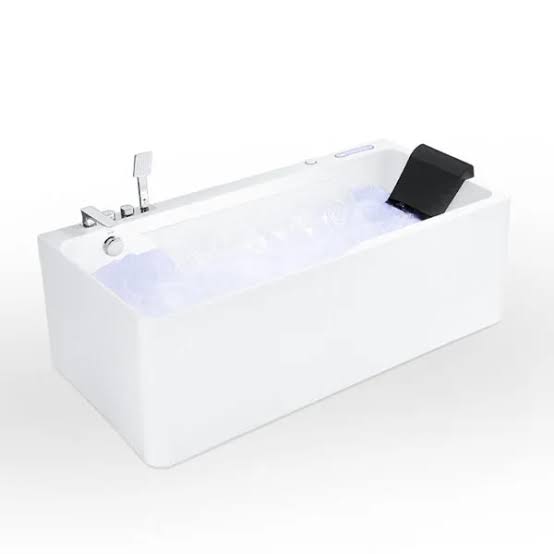
Quick Comparison
For seniors who want easier entry, a walk-in tub has a clear access advantage. Its low threshold means the user does not need to lift a leg over the full side of a traditional tub. Many models also include a seat, grab bars, and a hand shower.
A standard bathtub can still be a practical choice for someone who has good balance and can step over the tub wall safely. It is also simpler if the existing bathroom already has a suitable tub.
The main question is not which tub looks better. It is which bathing setup matches the user’s mobility, comfort, and daily routine.
Walk-In Tub vs Bathtub At a Glance
Here is the main difference in a simple format.
| Feature | Walk-In Tub | Standard Bathtub |
|---|---|---|
| Entry | Low door threshold | High side wall |
| Built-in seat | Usually | Usually no |
| Grab bars | Often included | Usually added separately |
| Soaking | Yes | Yes |
| Ease of entry | Easier for many users | Requires stepping over wall |
| Installation | More involved | Simpler if replacing like-for-like |
| Maintenance | Door seal and tub care | Standard tub cleaning |
| Best suited for | Easier-access bathing | Users comfortable with a standard tub |
Walk-In Tub: What Makes It Senior-Friendly
A walk-in tub is designed around easier access. Instead of climbing over the full tub wall, the user opens a watertight door and steps over a much lower threshold. Walk-in tubs also commonly include a built-in seat and handrails.
Ease of Use
The biggest advantage is the entry.
A traditional bathtub can have a wall around 18 to 24 inches high, depending on the model. Walk-in tubs use a much lower threshold. Some current models have thresholds around 3 to 7 inches.
That may make a major difference for someone who has trouble lifting a leg high or maintaining balance while stepping into a tub.
The built-in seat also means the user can bathe while seated instead of lowering down into the bottom of a standard tub.
Key Strengths
- Low step-in entry
- Built-in bathing seat
- Grab bars or handrails on many models
- Hand-held shower options
- Easier access for many users
- Some models offer fast-drain systems
- Optional air or water jets on many models
Potential Drawbacks
- Usually costs more than keeping a standard bathtub
- Installation can be more complex
- The door seal needs proper care
- The user normally enters before the tub is filled
- Filling and draining can add time to a bath
That last point is easy to overlook. A walk-in tub changes the normal bathing routine because the user must enter before filling and remain seated while the water drains.
Standard Bathtub: A Simple Traditional Option
A standard bathtub is familiar and widely available. It can work well for seniors who have enough balance, strength, and flexibility to step over the side safely.
It can also be easier to keep if the existing bathroom already has a bathtub in good condition.
Ease of Use
For a mobile user, a standard bathtub can be very simple.
There is no door to close before filling. There is also no special door seal to maintain. A standard tub can be paired with grab bars, a bath seat, or other accessories if extra support is needed.
The main challenge is entry and exit.
The user must lift a leg over the tub wall. That movement can be difficult for someone with reduced balance, limited flexibility, or difficulty standing on one leg.
Key Strengths
- Familiar design
- Simple operation
- No watertight door
- No special door seal
- Easy to pair with common bathroom accessories
- Often less expensive than a full walk-in tub installation
Potential Drawbacks
- Higher step-over entry
- Usually requires more balance
- May require bending or lowering into the tub
- Built-in seating is uncommon
- Extra safety equipment may need to be purchased separately
Which Is Easier for Seniors to Use?
For seniors who have difficulty stepping over a high tub wall, the walk-in tub is generally easier to enter.
Its low threshold changes the movement from lifting a leg over a large wall to stepping over a much smaller barrier. Built-in seating can also reduce the need to lower down into the bottom of the tub.
A standard bathtub may be easier for someone who has good balance and wants a familiar bathing setup.
So the better choice depends on the person.
If stepping over the tub wall is already becoming difficult, do not ignore that daily movement when choosing a bathtub.
Performance Comparison
Both options can provide a full bath and soaking experience. The bigger performance difference is how the bathing process works.
| Performance Area | Walk-In Tub | Standard Bathtub |
|---|---|---|
| Soaking | Excellent | Excellent |
| Seated bathing | Built in on many models | Usually requires an accessory |
| Entry | Low threshold | High step-over |
| Fill routine | User enters before filling | Can fill before entering |
| Drain routine | User usually waits inside | Easier to leave before draining |
| Shower use | Hand shower on many models | Shower can be installed |
Walk-in tubs can also include comfort features such as air jets, hydrotherapy jets, heated surfaces, and fast-drain systems. These features vary by model, so they should not be assumed on every walk-in tub.
Comfort, Accessibility, and Senior-Friendly Design
For accessibility, the walk-in tub has more purpose-built features.
A low threshold, built-in seat, handrails, textured surfaces, and reachable controls can make the bathing setup easier to manage. Current walk-in tub designs commonly focus on these features.
A standard bathtub can also become more accessible with the right accessories. A properly installed grab bar, bath seat, or hand-held shower can change how the tub is used.
Still, accessories do not remove the need to step over the tub wall.
Features Comparison
The most useful features are the ones that change daily use.
| Feature | Walk-In Tub | Standard Bathtub |
|---|---|---|
| Low entry | Yes | No |
| Built-in seat | Common | Uncommon |
| Handrails | Common | Usually separate |
| Textured floor | Common on accessible models | Model dependent |
| Hand shower | Common | Optional |
| Door seal | Required | Not applicable |
| Hydrotherapy | Available on some models | Usually not built in |
Price, Maintenance, and Long-Term Value
A standard bathtub usually has the simpler ownership setup. If the existing tub is still suitable, keeping it can avoid a major bathroom renovation.
A walk-in tub usually requires a larger investment because the tub itself has additional hardware and the installation may involve plumbing and bathroom changes. Current installation costs vary widely by model, bathroom, location, and work required, so a fixed price should not be assumed.
Maintenance also differs.
With a walk-in tub, pay attention to the door seal, drain, controls, and moving parts. With a standard tub, cleaning is more straightforward and there is no tub-door seal to maintain.
For long-term value, think about how the bathroom will be used for several years rather than only looking at the purchase price.
Who Should Choose a Walk-In Tub?
Choose a walk-in tub if:
- A high tub wall is difficult to step over.
- Seated bathing is more comfortable.
- A low entry is an important priority.
- Built-in grab bars are useful.
- The user wants to continue taking baths.
- The bathroom can accommodate the installation.
- The user is comfortable waiting for the tub to fill and drain.
Who Should Choose a Standard Bathtub?
Choose a standard bathtub if:
- The user can safely step over the tub wall.
- A familiar and simple design is preferred.
- The existing bathtub is still in good condition.
- A lower renovation cost is important.
- Built-in seating is not needed.
- The user wants to enter and leave without waiting for a tub to drain.
Walk-In Tub vs Bathtub — Final Verdict
Best for easier entry: Walk-in tub
Best for a traditional bathing setup: Standard bathtub
Best for built-in seating: Walk-in tub
Best for simple maintenance: Standard bathtub
Best for seniors who struggle with a high tub wall: Walk-in tub
There is no single choice that fits every senior. A walk-in tub offers more accessibility features, but a standard bathtub can remain practical for someone who can use it safely.
Scoring Summary
The scores below are based on the practical comparison criteria in this article, not laboratory testing.
| Category | Walk-In Tub | Standard Bathtub |
|---|---|---|
| Ease of Entry | 9/10 | 5/10 |
| Senior-Friendly Design | 9/10 | 6/10 |
| Bathing Comfort | 8/10 | 8/10 |
| Maintenance Simplicity | 6/10 | 9/10 |
| Installation Simplicity | 5/10 | 9/10 |
| Accessibility | 9/10 | 5/10 |
| Value for Different Users | 8/10 | 8/10 |
These scores are useful as a summary, but the right choice still depends on the user’s bathroom, mobility, bathing habits, and budget.
How We Evaluate Products
We compare bathing options using factors that matter during normal daily use.
These include:
- Ease of entry
- Accessibility
- Comfort
- Safety features
- Physical effort
- Maintenance
- Installation
- Long-term practicality
- Value
This comparison does not claim hands-on testing or laboratory testing.
Senior-Specific Buying Considerations
Before choosing either option, check the details that affect daily use.
Physical Effort
Think about the movements required to get in, sit down, stand up, and get out.
Controls
For a walk-in tub, check whether the controls are easy to reach and understand while seated.
Maintenance
Check whether the user or caregiver can clean the tub and maintain important parts such as seals and drains.
Space
Measure the bathroom before choosing a replacement tub. Walk-in tubs come in different sizes and may be designed to fit existing tub spaces, but dimensions vary.
Safety
Look for stable handholds, slip-resistant surfaces, a suitable seat, and an entry height that matches the user’s ability.
Common Buying Mistakes
Avoid these mistakes when comparing a walk-in tub with a standard bathtub:
- Choosing only by purchase price
- Ignoring the height of the tub wall
- Forgetting the bathroom’s available space
- Buying features that will rarely be used
- Ignoring door-seal maintenance
- Failing to check installation requirements
Safety
No bathtub is completely risk-free.
A walk-in tub can reduce the need to climb over a high tub wall, but the user still needs to step over its threshold and transfer onto the seat. A standard bathtub requires a higher step-over movement.
For someone with significant balance or mobility concerns, it is worth discussing the bathroom setup with an appropriate healthcare or accessibility professional before making a major renovation.
Frequently Asked Questions
Is a walk-in tub safer than a standard bathtub?
A walk-in tub can make entry easier because it replaces the high tub wall with a lower threshold. However, safe use still depends on the person’s abilities and the specific tub design.
Is a walk-in tub harder to maintain?
It can require more attention than a standard bathtub because it has a door, seal, and additional components. The exact maintenance needs vary by model.
Can a standard bathtub be made safer for seniors?
Yes. Grab bars, a bath seat, a hand-held shower, and other accessibility products can improve a standard bathtub setup. They do not, however, remove the need to step over the tub wall.
Do walk-in tubs take longer to use?
They can. The user generally enters before filling and remains inside while the tub drains. Fast-fill and fast-drain features are available on some models.
Are all walk-in tubs the same?
No. Threshold height, door design, seat size, controls, dimensions, drainage, and optional features can vary considerably between models.
Conclusion
The main difference between a walk-in tub and a standard bathtub is access. A walk-in tub is designed to make entry easier and usually adds a built-in seat and other accessibility features. A standard bathtub keeps the familiar design and can be simpler and less costly to maintain.
For a senior who can comfortably step over a traditional tub wall, a standard bathtub may still work well. For someone who finds that movement difficult, a walk-in tub may provide a more practical bathing setup. The best choice is the one that fits the user’s abilities, bathroom, budget, and everyday bathing routine.
