
AstroAI vs Ryobi Tire Inflator for Seniors Guide


Toilet Seat Bidet Attachment

Motion Sensor Night Lights

Long Handle Shoe Horn
AstroAI vs Ryobi tire inflator for seniors is a useful comparison if you want a cordless pump that can handle routine car-tire pressure checks without a large compressor. Both brands offer compact options, but their designs suit different users.
For this comparison, the AstroAI side refers to the AstroAI L4 cordless tire inflator, while the Ryobi side refers to the RYOBI ONE+ 18V High Pressure Digital Inflator PCL001B. Product versions and kits can differ, so check the exact package before buying.
Quick Comparison
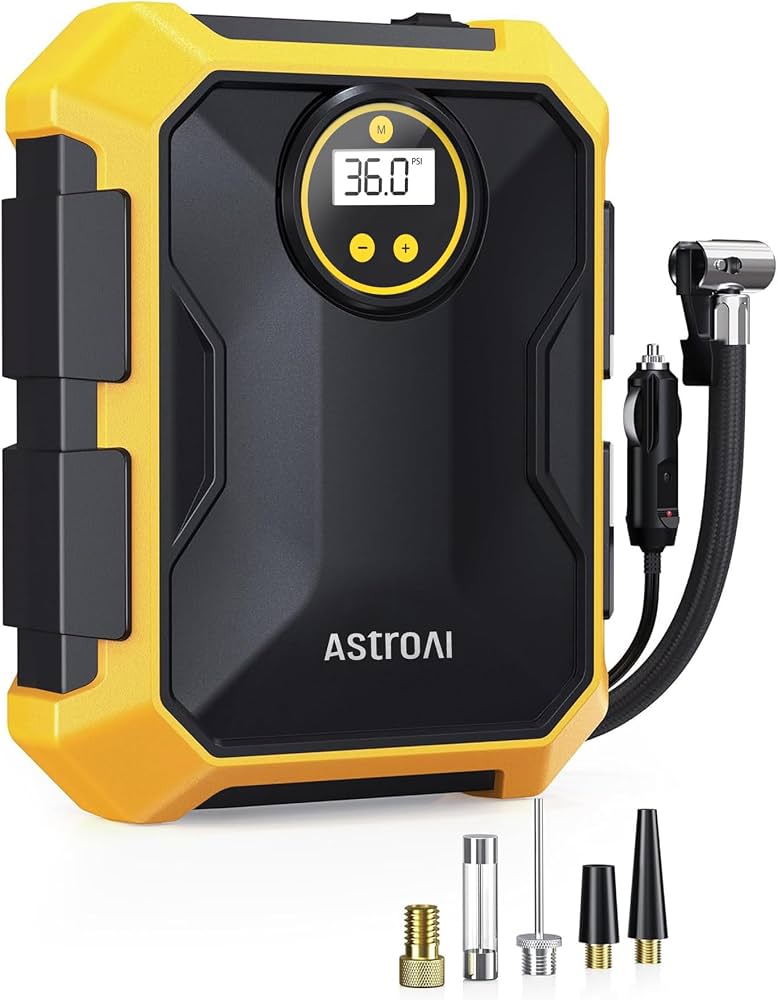
The AstroAI L4 is light and compact. It weighs about 1.1 pounds and offers up to 150 PSI with a 35 LPM airflow rating.
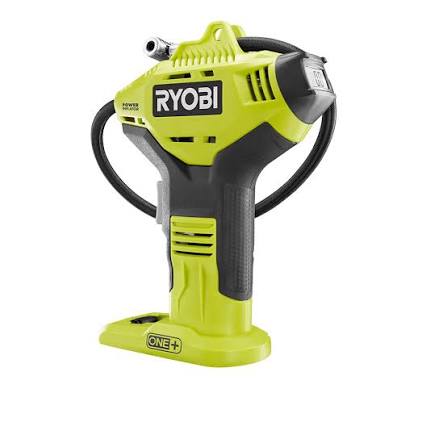
The Ryobi PCL001B offers up to 160 PSI, a digital gauge, automatic shut-off, and compatibility with the wider 18V ONE+ battery system.
For a senior who wants a small, light inflator, AstroAI has a clear practical appeal. For someone who already owns RYOBI 18V ONE+ batteries, the Ryobi can be a more convenient choice.
AstroAI vs Ryobi At a Glance
Here is the basic difference between the two representative models.
| Feature | AstroAI L4 | RYOBI PCL001B |
|---|---|---|
| Power | Rechargeable battery | 18V ONE+ battery |
| Max pressure | 150 PSI | 160 PSI |
| Airflow | 35 LPM | High-pressure inflator |
| Weight | About 1.1 lb | About 1.4 lb tool-only |
| Auto shut-off | Yes | Yes |
| Digital pressure display | Yes | Yes |
| Cordless | Yes | Yes |
| Best fit | Compact everyday use | ONE+ battery users |
The exact weight and package contents can vary by kit. The Ryobi tool-only version does not include a battery, while some kits include a battery and charger.
AstroAI L4 for Senior-Friendly Tire Care
The AstroAI L4 is designed as a small cordless inflator. Its compact body and low weight can make it easier to carry from a garage to a parked car.
Ease of Use
The L4 uses a rechargeable battery and offers automatic shut-off. That means the pump can stop when the selected pressure is reached.
For seniors who prefer a small tool that does not need to stay connected to a car outlet, this can be useful.
Its size is also a practical advantage. A lighter tool may be easier to hold or move around the car, especially when checking more than one tire.
Key Strengths
- Lightweight design
- Cordless operation
- 150 PSI maximum pressure
- 35 LPM airflow
- Automatic shut-off
- Compact size
- Easy to keep in a vehicle
Potential Drawbacks
- Battery charging is required
- Runtime depends on the battery
- A small cordless pump is not a replacement for a large shop compressor
- Exact features can vary between AstroAI models
AstroAI sells several tire inflators, including larger dual-motor and higher-capacity models. That makes it important to check the model number before comparing specifications.
RYOBI PCL001B for Senior-Friendly Tire Care
The RYOBI PCL001B is part of the 18V ONE+ system. It is made for high-pressure inflation and can reach up to 160 PSI. RYOBI also lists an LCD pressure gauge, automatic shut-off, and onboard accessory storage.
Ease of Use
The digital gauge helps users see the pressure while inflating. The automatic shut-off also supports hands-free operation after the desired pressure is selected.
Another advantage is the battery system. If you already use RYOBI ONE+ tools, the same battery platform can be used across many products. RYOBI says the ONE+ system includes more than 300 products.
Key Strengths
- Up to 160 PSI
- Digital pressure gauge
- Automatic shut-off
- Cordless operation
- Onboard accessory storage
- 24-inch high-pressure hose
- Works within the RYOBI ONE+ battery system
Potential Drawbacks
- Tool-only versions require a separate battery
- The battery adds weight and cost
- It may be less attractive if you do not own other RYOBI tools
- It is designed for high-pressure inflation rather than high-volume inflation
RYOBI specifically notes that the PCL001B is not intended for high-volume applications.
Which Is Easier for Seniors?
Ease of use depends partly on what the user already owns.
The AstroAI L4 has the advantage in portability. At about 1.1 pounds, it is lighter than the approximately 1.4-pound Ryobi tool-only version.
The Ryobi, however, has a strong advantage for people already using the ONE+ battery platform. There is less need to maintain a separate battery ecosystem.
A lighter inflator is not automatically the easier choice. Battery availability, controls, hose handling, and storage matter too.
For someone starting from scratch, AstroAI’s compact design may be appealing. For an existing RYOBI user, the PCL001B may fit more naturally into the garage.
Performance Comparison
Both models are designed for tire inflation, but their specifications are not identical.
The AstroAI L4 has a 150 PSI maximum pressure and a listed airflow capacity of 35 LPM.
The Ryobi reaches up to 160 PSI and is designed for car, bike, and other small tires, as well as sports balls.
| Performance Area | AstroAI L4 | RYOBI PCL001B |
|---|---|---|
| Maximum pressure | 150 PSI | 160 PSI |
| Airflow information | 35 LPM | Not listed on current product page |
| Car tires | Yes | Yes |
| Bike tires | Yes | Yes |
| Sports balls | Yes | Yes |
| Automatic shut-off | Yes | Yes |
For normal passenger-car tire maintenance, maximum PSI alone should not determine the choice. Most drivers need an inflator that can reliably reach the vehicle’s recommended tire pressure.
Comfort, Accessibility, and Senior-Friendly Design
The main comfort difference is size and battery setup.
AstroAI’s L4 is compact and light. That can help users who want something easy to carry and store.
The Ryobi is also portable, but its battery system can make the overall setup more substantial. In return, the user gets access to the ONE+ platform.
The digital displays on both types of products can also reduce guesswork. Still, users should read the vehicle manufacturer’s recommended tire pressure rather than choosing a pressure based on the inflator’s maximum rating.
Features Comparison
The useful differences are less about maximum PSI and more about how each tool fits into daily use.
| Feature | AstroAI L4 | RYOBI PCL001B |
|---|---|---|
| Digital controls | Yes | Yes |
| Automatic shut-off | Yes | Yes |
| Cordless use | Yes | Yes |
| Portability | Very compact | Compact |
| Battery system | Built-in rechargeable design | RYOBI 18V ONE+ |
| Accessory storage | Model dependent | On-board |
| Hose | Compact | 24 inches |
RYOBI lists the PCL001B with a 24-inch high-pressure hose and onboard accessory storage.
Price, Maintenance, and Long-Term Value
Price can change by model and kit, so comparing the tool-only price with a complete battery kit can give a misleading result.
RYOBI currently offers the PCL001B both as a tool-only option and with a 2Ah battery and charger.
AstroAI also sells several cordless models at different price points. The L4 is currently listed at $66.99 on AstroAI’s site, although promotions and package options can change.
The long-term value depends on your existing tools.
If you already have RYOBI ONE+ batteries, the PCL001B may reduce the need for another battery platform. If you do not own RYOBI tools, a complete AstroAI kit may be simpler.
Who Should Choose AstroAI?
Choose the AstroAI L4 if:
- You want a compact inflator.
- Low weight matters.
- You want a self-contained rechargeable option.
- You mainly need it for routine tire pressure maintenance.
- You want something easy to keep in a vehicle.
- You do not already own RYOBI ONE+ batteries.
Who Should Choose RYOBI?
Choose the RYOBI PCL001B if:
- You already own RYOBI ONE+ batteries.
- You want up to 160 PSI.
- You prefer the RYOBI battery ecosystem.
- You want onboard accessory storage.
- You like the digital gauge and automatic shut-off.
- You want one battery platform for several household tools.
AstroAI vs Ryobi — Final Verdict
The AstroAI L4 and RYOBI PCL001B are both practical cordless tire inflators, but they target slightly different ownership needs.
For a lightweight, compact setup: AstroAI L4 has the advantage on listed weight.
For existing RYOBI users: the PCL001B has a major ecosystem advantage because it uses the 18V ONE+ battery platform.
For pressure capability: Ryobi has a slightly higher listed maximum at 160 PSI, compared with 150 PSI for the AstroAI L4.
The better fit therefore depends less on the brand name and more on battery ownership, portability, and how often the inflator will be used.
Scoring Summary
Rather than treating these scores as laboratory measurements, they are a simple comparison based on the documented features above.
| Category | AstroAI L4 | RYOBI PCL001B |
|---|---|---|
| Portability | 9/10 | 8/10 |
| Ease of operation | 8/10 | 8/10 |
| Pressure capability | 8/10 | 9/10 |
| Battery convenience | 8/10 | 9/10 for ONE+ users |
| Storage | 9/10 | 8/10 |
| Everyday value | 8/10 | 8/10 |
These scores are comparative editorial judgments, not manufacturer ratings or independent laboratory test results.
How We Evaluate Products
This comparison focuses on practical factors that can matter during senior use.
We looked at:
- Ease of operation
- Portability
- Controls
- Pressure adjustment
- Automatic shut-off
- Battery setup
- Storage
- Maintenance
- Practical value
The comparison does not claim hands-on testing. Product specifications were checked against current manufacturer information and supporting retailer information.
Senior-Specific Buying Considerations
A few simple checks can make the choice easier.
Physical Effort
Consider whether the user can comfortably carry the inflator and hold the hose at the tire valve.
Controls
A clear digital display and simple pressure controls can reduce unnecessary steps.
Battery
Check whether the battery is included. This matters especially with the Ryobi tool-only version.
Storage
A compact inflator is easier to keep in a vehicle or garage without taking much space.
Setup
Look for an inflator that can be connected to the tire valve without excessive bending or awkward handling.
Common Buying Mistakes
Avoid these common mistakes:
- Comparing tool-only and full kits as if they cost the same.
- Choosing based only on maximum PSI.
- Forgetting to check whether a battery is included.
- Buying a high-pressure inflator for a high-volume application.
- Ignoring the size and weight of the complete setup.
- Forgetting to check the exact model number.
Safety
Tire inflation involves stored air pressure, so use the vehicle manufacturer’s recommended tire pressure rather than the inflator’s maximum PSI.
Do not assume that a higher maximum pressure means a better result. The goal is to reach the correct pressure safely.
Also check the valve connection before starting. A loose connection can cause air leakage and slow inflation. AstroAI’s documentation specifically advises ensuring a secure connection between the nozzle and valve stem.
Conclusion
AstroAI and RYOBI both offer useful cordless tire inflators for routine vehicle maintenance. The AstroAI L4 stands out for its compact, lightweight design, while the RYOBI PCL001B makes more sense for users already invested in the 18V ONE+ system.
For seniors, the most important choice is not simply which brand has the higher PSI. Consider weight, controls, battery setup, storage, and how comfortable the user is with the tool. Those details can make everyday tire maintenance much easier.