
Tile vs Pebblebee Bluetooth Tracker for Seniors: Which?


Non-Slip Slippers

Talking Clock

Automatic Pill Dispenser
Tile vs Pebblebee Bluetooth Tracker for Seniors is a useful comparison if you want a simple way to keep track of keys, bags, wallets, or other everyday items. Both brands offer Bluetooth trackers, but they take different approaches to phone compatibility, batteries, apps, and finding networks.
For seniors, the best choice often depends less on having the most features and more on how easy the tracker is to set up and maintain. Your phone type, battery preference, and how you plan to use the tracker can make a real difference.
Quick Comparison
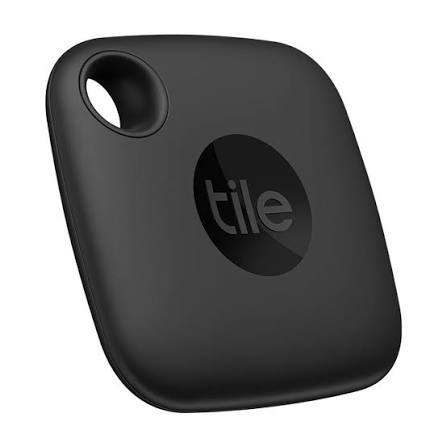
Tile is a familiar option with several tracker shapes, including the Tile Pro, Mate, Slim, and Sticker. Its 2024 lineup works with iPhone and Android through the Life360 app. Tile Pro offers up to 500 feet of Bluetooth range, a 110 dB ring, and a replaceable battery.
Pebblebee stands out for its newer universal approach. Current Clip, Card, and Tag models can work with either Apple Find My or Google Find Hub, depending on the model and setup. Some models also have rechargeable batteries and extra features through the Pebblebee app.
For seniors who want a replaceable battery and a loud tracker, Tile Pro has practical advantages. For someone who prefers recharging and wants Apple or Google network flexibility, a compatible Pebblebee model may be more convenient.

Tile vs Pebblebee At a Glance
The two brands are not a perfect one-to-one match because each has several models. The table below focuses on the features that matter most for everyday senior use.
| Feature | Tile | Pebblebee |
|---|---|---|
| Phone support | iOS and Android | iOS and Android on current universal models |
| Finding network | Tile/Life360 network | Apple Find My or Google Find Hub |
| Battery options | Replaceable or built-in, depending on model | Rechargeable on current models |
| Tile Pro range | Up to 500 ft | Clip 5 up to 500 ft |
| Loudness | Tile Pro up to 110 dB | Clip 5 up to 97 dB |
| Main advantage | Simple ecosystem and replaceable battery on Pro | Rechargeable and cross-platform network choice |
Pebblebee’s Clip 5, for example, has a stated Bluetooth range of up to 500 feet, weighs 10 grams, and has a rechargeable battery rated for up to 12 months.
Tile Offers a Familiar Everyday Experience
Tile has a broad range of tracker designs, so seniors can choose a model based on what they need to track. Tile Pro is designed for keys and larger items, while Tile Slim is made to fit into wallets and similar spaces.
Ease of Use
Tile trackers are designed around the Life360 app. Tile Pro can be set up by pressing the tracker button and following the instructions on the phone. It works with both iOS and Android.
That makes Tile a practical option for someone who wants one familiar system for tracking several belongings.
Key Strengths
- Tile Pro has up to 500 feet of stated Bluetooth range.
- The Pro has a loud 110 dB ring.
- Tile Pro uses a replaceable battery.
- Tile offers different shapes for keys, wallets, and other items.
- Tile works with both iPhone and Android.
- 2024 Tile models support SOS features through Life360.
Potential Drawbacks
- Battery type varies between Tile models.
- Some features are connected to Life360 membership options.
- Choosing between Pro, Mate, Slim, and Sticker adds another decision.
- The Tile system may be less appealing if you specifically want to use Apple’s Find My or Google’s Find Hub network.
Practical point: Tile makes the most sense when you want a familiar tracker ecosystem and do not mind choosing the model that fits your item.
Pebblebee Gives You More Battery Flexibility
Pebblebee has several current tracker designs, including Clip, Card, and Tag. Its newer universal models can connect to either Apple Find My or Google Find Hub, although a device can use only one tracking network at a time.
Ease of Use
Pebblebee devices require some attention during setup because the tracker should first be connected to Apple Find My or Google Find Hub before being added to the Pebblebee app. Pebblebee specifically warns that doing this in the wrong order can cause setup problems.
That extra step may not matter to a tech-comfortable user. However, someone who wants the simplest possible setup may prefer a more straightforward ecosystem.
Key Strengths
- Current universal models support Apple Find My or Google Find Hub.
- Many current models use rechargeable batteries.
- Pebblebee offers different shapes, including Clip, Card, and Tag.
- Clip 5 has up to 500 feet of stated Bluetooth range.
- Clip 5 has a rechargeable battery rated for up to 12 months.
- Some models provide additional features through the Pebblebee app.
Potential Drawbacks
- Setup requires choosing a tracking network.
- A Pebblebee tracker cannot use Apple Find My and Google Find Hub at the same time.
- Rechargeable batteries mean remembering to charge the tracker.
- Features can vary by model and generation.
Which Is Easier for Seniors to Use?
Ease of use depends heavily on the phone already being used.
For an iPhone user, a Pebblebee universal model that supports Apple Find My can fit naturally into the existing Apple ecosystem. Android users can use compatible Pebblebee models with Google Find Hub.
Tile takes a different route by using its own app and network while supporting both major phone platforms.
For someone who dislikes charging small devices, Tile Pro’s replaceable battery is a useful advantage. The 2024 Pro battery is designed to last about one year and can be replaced.
For someone who prefers not to buy replacement coin batteries, Pebblebee’s rechargeable design may be more convenient.
Performance Comparison
Performance depends on the exact model rather than the brand alone.
Tile Pro has a stated range of up to 500 feet and a 110 dB ring. Tile Mate and Slim have lower stated ranges, while Sticker has a shorter range again.
Pebblebee Clip 5 also lists up to 500 feet of Bluetooth range, with a 97 dB sound level and up to 12 months of battery life.
| Performance Area | Tile | Pebblebee |
|---|---|---|
| Maximum stated range | Up to 500 ft on Tile Pro | Up to 500 ft on Clip 5 |
| Loud local alert | 110 dB on Tile Pro | 97 dB on Clip 5 |
| Battery approach | Replaceable or sealed, depending on model | Rechargeable on current models |
| Network choice | Tile/Life360 ecosystem | Apple Find My or Google Find Hub |
These are manufacturer specifications. Real-world performance can vary with walls, interference, phone connectivity, and the surrounding environment.
Comfort, Accessibility, and Senior-Friendly Design
Small differences can matter when a tracker is attached to keys or carried every day.
Tile offers lightweight options. The 2024 Tile Mate weighs 8 grams, while Tile Pro weighs 12 grams. Tile Slim is designed specifically for wallets and is 2.5 mm thick.
Pebblebee also offers lightweight designs. Clip 5 weighs 10 grams, while its Clip format provides a built-in attachment point for keys and bags.
For seniors who have trouble remembering to charge devices, Tile Pro’s replaceable battery can be easier. For those who already have a regular charging routine, Pebblebee’s rechargeable approach may be just as practical.
Features Comparison
The biggest difference is not simply the tracker itself. It is the ecosystem behind it.
| Feature | Tile | Pebblebee |
|---|---|---|
| Phone finding | Supported | Supported on compatible models |
| Item finding | Yes | Yes |
| iPhone support | Yes | Yes on compatible models |
| Android support | Yes | Yes on compatible models |
| Rechargeable battery | Model dependent | Common on current models |
| Replaceable battery | Tile Pro | Generally rechargeable/non-removable |
| Extra app features | Life360 ecosystem | Pebblebee app features vary by model |
Pebblebee Clip 4 and Clip 5 can provide features such as Phone Finder, while Clip models also offer additional Pebblebee app functions.
Price, Maintenance, and Long-Term Value
Prices can change, so it is better to compare ownership features rather than rely on a temporary sale price.
Tile Pro is currently listed by Life360 at $34.99 for a one-pack in the U.S. The tracker has a replaceable battery, which can help extend its useful life without replacing the whole device when the battery runs down.
Pebblebee’s rechargeable models avoid regular coin-cell replacement. For example, Pebblebee says its Tag can last up to eight months per charge, while current Clip generations can reach up to 12 months depending on the model and usage.
The trade-off is simple:
- Tile Pro: replace the battery.
- Pebblebee: recharge the tracker.
- Both: check the exact model before buying because features differ.
Who Should Choose Tile?
- Choose Tile if you want a familiar tracking ecosystem.
- Choose Tile Pro if a loud alert matters.
- Choose Tile Pro if you prefer a replaceable battery.
- Choose Tile if you want different tracker shapes for different belongings.
- Choose Tile if you already use Life360.
Who Should Choose Pebblebee?
- Choose Pebblebee if rechargeable tracking is more convenient.
- Choose it if you want a current model that can work with Apple Find My or Google Find Hub.
- Choose a Clip if you mainly want to track keys or bags.
- Choose a Card-style model if a wallet-friendly shape matters.
- Choose Pebblebee if you like having additional device controls through its companion app.
Tile vs Pebblebee — Final Verdict
There is no single choice that fits every senior.
Best for a replaceable battery: Tile Pro
Best for a loud local alert: Tile Pro
Best for Apple/Google network flexibility: compatible Pebblebee universal models
Best for rechargeable tracking: Pebblebee
Best for different item-specific designs: Tile or Pebblebee, depending on the form factor needed
The key difference is the ecosystem. Tile uses its own tracking system through Tile/Life360, while current universal Pebblebee models can connect to Apple Find My or Google Find Hub.
Scoring Summary
Because Tile and Pebblebee each sell several models, giving the whole brand a single numerical score would create false precision. A Tile Pro and a Tile Sticker, for example, have very different range, size, and battery characteristics.
A model-specific comparison is more useful than pretending the brands themselves have fixed scores.
| Category | What Matters | Comparison |
|---|---|---|
| Ease of use | Phone ecosystem and setup | Depends on phone and model |
| Battery | Recharge vs replacement | Different approaches |
| Range | Bluetooth range | Comparable on flagship examples |
| Alert volume | Easy-to-hear sound | Tile Pro has the louder stated alert |
| Flexibility | Finding network | Pebblebee offers Apple/Google choice on universal models |
| Long-term use | Battery maintenance | Depends on recharge preference |
How We Evaluate Products
This comparison focuses on practical factors that can matter to older adults:
- Ease of setup
- Phone compatibility
- Everyday controls
- Battery maintenance
- Alert volume
- Physical size
- Tracking network
- Long-term practicality
- Value
- Features that may reduce everyday hassle
The comparison does not assume hands-on testing. Product specifications and manufacturer documentation were used for the technical details. Pebblebee’s documentation, for example, confirms that its current devices have model-specific battery, network, and setup requirements.
Senior-Specific Buying Considerations
Phone Compatibility
Start with the phone. An iPhone user and an Android user may have different reasons to choose one tracker over another.
Battery Maintenance
Think about which task is easier: replacing a coin battery once in a while or remembering to recharge the tracker.
Sound
A louder tracker can be useful when keys or another item is hidden nearby.
Size
Wallet users may prefer a thin card-style tracker, while keys usually work better with a clip or key-ring design.
Setup
If another family member will set up the tracker, the initial setup process may matter less. If the senior will manage it alone, simplicity becomes more important.
Common Buying Mistakes
- Buying a tracker without checking phone compatibility.
- Comparing brand names instead of specific models.
- Assuming every Tile or Pebblebee has the same battery life.
- Ignoring the need to recharge a rechargeable tracker.
- Choosing based only on Bluetooth range.
- Forgetting to consider the shape of the item being tracked.
Safety
Bluetooth trackers are designed primarily for locating belongings. They should not be treated as a substitute for a dedicated emergency or medical alert system.
Also remember that tracking technology depends on batteries, Bluetooth connections, phones, and finding networks. A tracker should not be the only safety measure for a person who requires reliable emergency monitoring.
Conclusion
Tile and Pebblebee both offer useful ways to keep track of everyday belongings, but they suit different preferences. Tile Pro is particularly practical for someone who wants a loud alert and a replaceable battery, while Pebblebee can be appealing to users who prefer rechargeable hardware and Apple Find My or Google Find Hub compatibility.
For seniors, the simplest choice is usually the one that fits the person’s existing phone and daily routine. Check the exact model before buying, because range, battery type, network support, and features can vary considerably between trackers.
