
Low Income Senior Housing Salt Lake City


Adaptive Eating Utensils

GPS Tracker for Elderly

Air Fryer for Easy Cooking
Finding low income senior housing in Salt Lake City can be challenging but not impossible. With the right resources and guidance, older adults can access safe, affordable homes tailored to their needs. This guide walks you through available options, how to qualify, and where to get help.
Key Takeaways
- Low income senior housing in Salt Lake City includes subsidized apartments, supportive living communities, and public housing programs.
- Eligibility is based on age (62+), income level, and sometimes disability status—typically requiring income at or below 50% of area median income.
- The Utah Housing Corporation (UHC) and HUD-funded properties are key sources for affordable senior housing options.
- Waiting lists are common; proactive registration and alternative locations like nearby cities can improve chances of placement.
- Additional support services such as transportation, meal delivery, and health care coordination may be available on-site.
- Nonprofit organizations and aging networks offer free assistance with applications and advocacy.
- Exploring both urban and suburban communities can open more doors to affordable senior housing solutions.
📑 Table of Contents
- Introduction: Finding Safe, Affordable Homes for Our Seniors
- Understanding Low Income Senior Housing Options in Salt Lake City
- How to Qualify for Low Income Senior Housing in Salt Lake City
- Top Low Income Senior Housing Communities in and Around Salt Lake City
- Navigating Waiting Lists and Increasing Your Chances
- Support Services Beyond Housing: What’s Included?
- Tips for Making the Most of Your New Home
- Conclusion: Hope Is Real—And Accessible
Introduction: Finding Safe, Affordable Homes for Our Seniors
Imagine turning 65 and realizing your retirement savings won’t cover rising rent and medical costs. For many older adults in Utah—especially in fast-growing cities like Salt Lake City—this reality is all too familiar. But here’s the good news: low income senior housing in Salt Lake City exists to help. Whether you’re a lifelong resident or recently moved to the Beehive State, knowing where to look and how to apply makes all the difference.
This comprehensive guide dives into every aspect of finding affordable senior housing in Salt Lake City. From understanding eligibility rules to navigating long waiting lists, we’ll walk you step by step. You’ll learn about government-backed programs, nonprofit support, and even lesser-known local resources. By the end, you’ll feel empowered—not overwhelmed—by the process.
Understanding Low Income Senior Housing Options in Salt Lake City
When people talk about low income senior housing in Salt Lake City, they usually mean one of two things: federally funded apartments or state-supported senior living communities. Both aim to provide safe, dignified homes without breaking the bank. Let’s break them down.
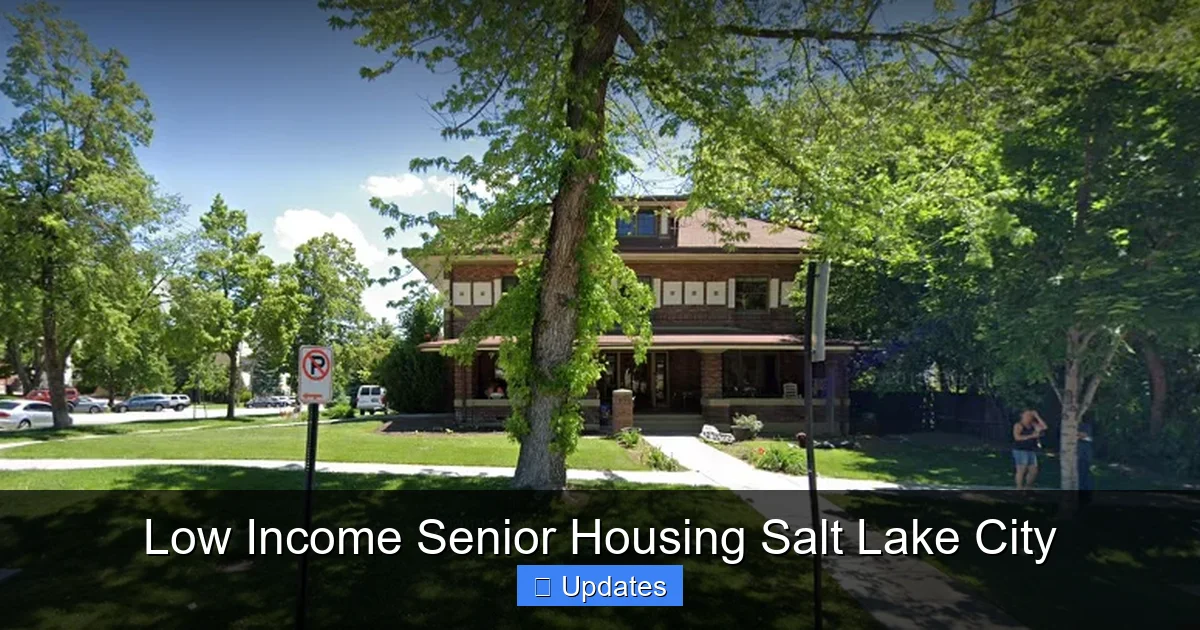
Visual guide about Low Income Senior Housing Salt Lake City
Image source: lowincometemporaryhousing.com
Public Housing and HUD Programs
The U.S. Department of Housing and Urban Development (HUD) funds thousands of affordable housing units across Utah. In Salt Lake County, these include developments managed by the Salt Lake City Housing Authority. Properties like Sunset Village or Rose Park Apartments often reserve units for seniors earning less than $40,000 annually—well under the county’s median income for retirees.
What makes HUD housing special? Tenants pay no more than 30% of their monthly income toward rent. That could mean paying only $150–$300 per month for a one-bedroom apartment—even in downtown Salt Lake City. Utilities may also be included, further easing budget strain.
Section 202 Supportive Housing for the Elderly
Another powerful option comes from HUD’s Section 202 program. These aren’t just apartments—they’re communities designed for older adults who need a little extra help staying independent. Units are scattered across neighborhoods like Sugar House and West Valley, with features like grab bars, emergency call systems, and weekly housekeeping.
Importantly, residents still pay reduced rent based on income. And because these complexes partner with local agencies, many offer on-site social workers, transportation vouchers, or even meal programs. It’s not just shelter—it’s holistic support.
How to Qualify for Low Income Senior Housing in Salt Lake City
You might wonder: “Do I even qualify?” The answer depends on several factors, but don’t assume you’re ineligible just because your Social Security check feels tight. Let’s clarify what matters most.
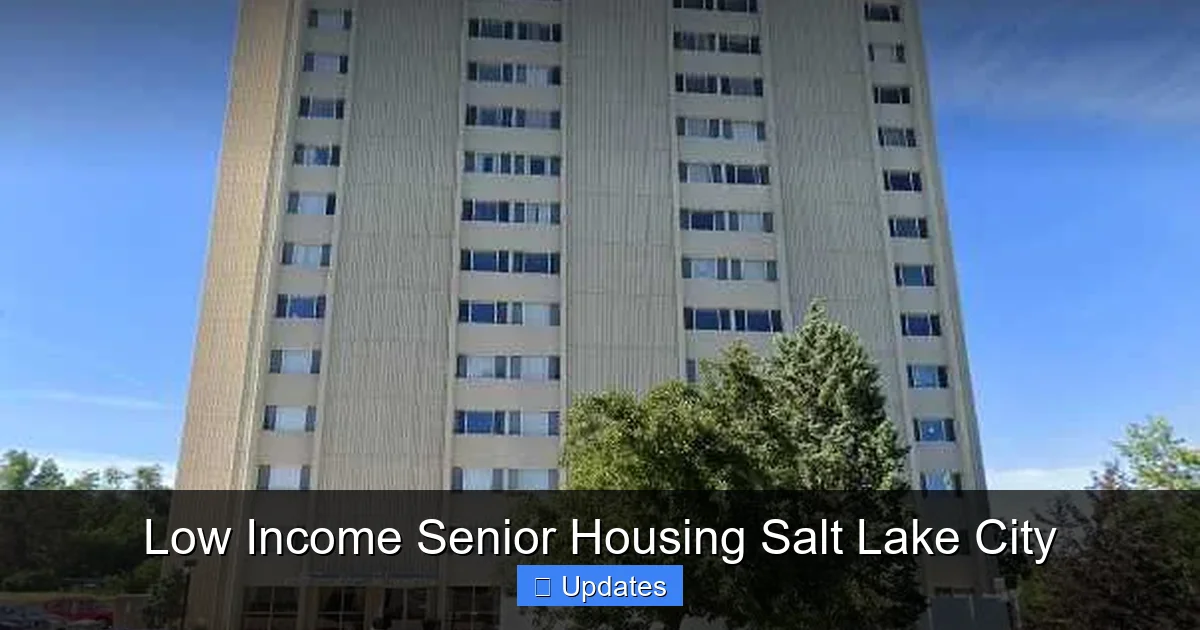
Visual guide about Low Income Senior Housing Salt Lake City
Image source: lowincomehousing.us
Age and Residency Requirements
Most low income senior housing programs require applicants to be at least 62 years old. Some exceptions exist for disabled individuals under 62, but those cases need documentation from a physician or VA letter.
Residency isn’t always strict—many programs welcome anyone legally living in Utah. However, priority is often given to long-term residents or those facing homelessness. If you’ve lived in Salt Lake City for over five years, mention that when applying!
Income Limits Explained
This is where confusion creeps in. There isn’t one single income cap—instead, thresholds vary by household size and specific property. As of 2024, here’s a rough guideline:
- One person: Up to $47,500/year
- Two people: Up to $54,300/year
- Three people: Up to $61,150/year
These numbers come from HUD’s Area Median Income (AMI) calculations for Salt Lake County. Remember—you don’t have to be *extremely* poor to qualify. Many working seniors make just enough to fall below 50% AMI.
Assets and Background Checks
Don’t panic if you own a car or have modest savings! Most programs count only certain assets—like retirement accounts or life insurance policies—and exclude primary homes or burial plots. A background check may screen out criminal history, but minor infractions rarely disqualify you outright.
Pro tip: Gather recent pay stubs, tax returns, and bank statements before applying. Clarity helps speed up approval.
Top Low Income Senior Housing Communities in and Around Salt Lake City
Now that you understand eligibility, let’s spotlight real places where seniors are actually moving in. Below are some standout options—some in the city, others in nearby suburbs offering quieter settings.
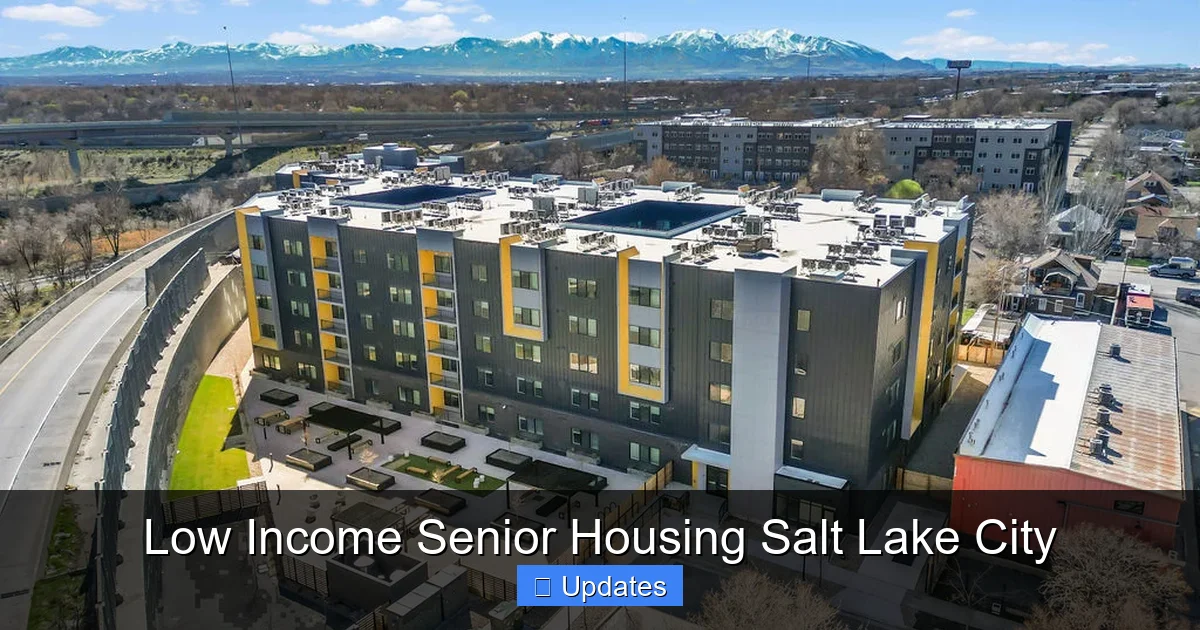
Visual guide about Low Income Senior Housing Salt Lake City
Image source: lowincomehousing.us
Sunset Village (Salt Lake City)
This HUD-managed complex sits near 900 South and 400 East—close to grocery stores, pharmacies, and public transit. All units are one-bedroom, designed for mobility-impaired residents. On-site laundry, community room, and monthly wellness clinics keep life simple and connected.
Riverside Commons (South Jordan)
Just south of Salt Lake City, this Section 202 community offers studio and one-bedroom units. Residents love the peaceful park-like setting and proximity to Jordan River Parkway trails. Weekly bingo nights and volunteer gardening projects foster friendships.
Canyon View Apartments (West Valley City)
A newer development with energy-efficient appliances and wheelchair-accessible layouts. Rent starts around $280/month for qualified seniors. Utilities (heat + water) are covered—a huge relief during harsh winters.
Parkside Manor (Murray)
Located off 5600 South, this nonprofit-run building provides not just housing but case management. Staff help connect tenants with Meals on Wheels, vision screenings, and legal aid. Ideal for those wanting extra hand-holding.
If none of these work for you, remember: Salt Lake City is part of a larger metro area. Expanding your search to Provo, Ogden, or even Boise (Idaho) can uncover hidden gems. We’ll discuss alternatives next.
Navigating Waiting Lists and Increasing Your Chances
Here’s the hard truth: low income senior housing in Salt Lake City has waiting lists. Some stretch over three years! But being strategic doesn’t guarantee instant placement—it increases your odds significantly.
Register Early and Often
Submit applications to multiple properties simultaneously. While overlap is discouraged (to avoid fraud), spreading requests means you’re in the queue everywhere possible. Update your info yearly—new units open up.
Consider Nearby Cities
Why limit yourself to Salt Lake County? Places like Spokane, WA or Meridian, ID have shorter waits and similar climates. Even within Utah, cities like St. George or Logan occasionally have vacancies.
Use “No Waiting List” Filters Wisely
Some states—like Missouri or Virginia—offer instant placements. Though distant, researching them can inspire tactics used locally. For example, some Salt Lake properties now accept “conditional applications” while on standby.
Partner With Advocacy Groups
Organizations like Utah Legal Aid or Senior and Disability Services help seniors bypass bureaucratic hurdles. They know which landlords prioritize quick moves-in and can advocate on your behalf.
Support Services Beyond Housing: What’s Included?
Affordable housing isn’t just walls and a roof. Many Salt Lake City senior communities bundle essential services to keep residents healthy and happy.
Transportation Assistance
Many complexes operate mini-buses to medical appointments or grocery stores. Others partner with Utah Transit Authority for discounted fare cards. Without reliable transport, isolation sets in fast—but these programs change everything.
Meal Programs and Nutrition Support
From congregate dining rooms to Meals on Wheels deliveries, nutritious food is within reach. Some buildings even host cooking classes focused on heart-healthy diets. Malnutrition among seniors is preventable—and these services help.
Mental Health and Social Activities
Boredom kills morale. Look for communities offering book clubs, art workshops, or faith-based gatherings. Regular interaction reduces depression risk and builds resilience.
Health Screenings and Medication Management
On-site nurses or visiting clinicians provide blood pressure checks, flu shots, and medication reviews. Chronic conditions like diabetes or hypertension become easier to manage when support walks next door.
Tips for Making the Most of Your New Home
Once approved, take charge of your new chapter. Here’s how to settle in smoothly:
- Visit before committing: Tour at different times of day. Is it quiet? Are neighbors friendly?
- Know your rights: Landlords must follow fair housing laws. Discrimination based on age, race, or disability is illegal.
- Build relationships: Introduce yourself to neighbors and staff. Community spirit multiplies joy.
- Stay informed: Attend tenant meetings. Suggest improvements—your voice matters.
- Keep records: Save copies of leases, income proofs, and correspondence. Paper trails protect you.
Also, explore local senior centers like Mountainland Applied Technology College’s Senior Center in Orem. They host events, computer labs, and counseling sessions—free to residents of participating housing projects.
Conclusion: Hope Is Real—And Accessible
Finding low income senior housing in Salt Lake City takes effort, yes—but it’s absolutely achievable. With persistence, knowledge, and community support, older adults can enjoy stable, dignified homes without sacrificing quality of life. Remember: you deserve safety, respect, and comfort in your golden years.
If you’re feeling stuck, start small. Call the Utah Housing Corporation at (801) 363-4700 or visit their website. Their counselors walk you through every step—no judgment, just guidance. And if Salt Lake City feels too competitive, broaden your horizons. Affordable senior housing exists far beyond city limits.
You’re not alone in this journey. Millions of seniors nationwide have secured affordable homes through programs like these. Now it’s your turn. Take that first call. Fill out that form. Believe in your right to belong somewhere warm, welcoming, and within reach.
Frequently Asked Questions
What age qualifies for low income senior housing in Salt Lake City?
Most programs require applicants to be at least 62 years old. Exceptions exist for disabled individuals under 62 with proper medical documentation.
How much money do I need to earn to qualify?
Your annual income should generally be at or below 50% of Salt Lake County’s Area Median Income—roughly $47,500 for one person or $54,300 for two people as of 2024.
Are there any housing options with no waiting list?
While rare in Salt Lake City, some distant locations like St. Charles, MO, or Virginia currently have instant placements. Researching “no waiting list” programs nationwide can inspire creative solutions.
Can I bring my pet to low income senior housing?
Many modern complexes allow small pets—especially service animals—with signed agreements. Policies vary, so ask during application.
Is transportation provided to medical appointments?
Yes! Many senior housing communities operate shuttles or partner with transit agencies for discounted fares. Check with each property directly.
What if I need help filling out the application?
Free assistance is available through Utah Legal Aid, Senior & Disability Services, and local aging networks. Don’t hesitate to request help—they’re here to support you.