
Low Income Senior Housing Spokane


Hearing Aid Cleaning Kit

Sudoku Puzzle Book

Portable Radio with Large Buttons
Finding affordable senior housing in Spokane on a fixed income is challenging but possible. This guide breaks down the types of subsidized and income-restricted housing available, outlines eligibility for programs like Section 8, and provides a step-by-step search strategy. You’ll learn about key resources, application timelines, and how to connect with local agencies that can help you secure a safe, affordable home.
Key Takeaways
- Multiple Housing Models: Spokane offers subsidized apartments (Section 8), income-restricted communities, and some non-profit options for qualifying seniors.
- Eligibility is Key: Primary requirements are age (typically 62+), very low income (often below 50% Area Median Income), and U.S. citizenship/eligible immigration status.
- Long Waitlists are Normal: For popular subsidized programs, wait times can be 1-3 years. Apply everywhere and get on multiple lists immediately.
- Documentation is Crucial: Gather proof of age, income (Social Security, pension), assets, and residency before starting any application.
- Local Navigators are Essential: Use free services like the Spokane Housing Authority and Aging & Long Term Care of Eastern Washington for personalized help.
- Beware of Scams: Never pay fees to apply for government-subsidized housing. Legitimate programs do not charge application fees.
- Explore All Assistance: Beyond rent subsidies, look into utility assistance (LIHEAP) and food programs to make a fixed income stretch further.
📑 Table of Contents
- Finding Your Affordable Home: A Guide to Low Income Senior Housing in Spokane
- Understanding the Landscape: Types of Low Income Senior Housing in Spokane
- Who Qualifies? Demystifying Eligibility for Spokane Senior Housing
- The Step-by-Step Application Journey: From Research to Move-In
- Financial Assistance Beyond Rent: Making Ends Meet
- Navigating the Search: Practical Tips and Local Spokane Resources
- Community and Support: Thriving in Your New Home
Finding Your Affordable Home: A Guide to Low Income Senior Housing in Spokane
Let’s talk honestly about a big worry for many of us as we get older: where to live on a fixed income. The cost of housing in Spokane, while more reasonable than some West Coast cities, still presents a steep challenge for seniors living solely on Social Security or a small pension. The thought of finding a safe, comfortable, and affordable place can feel overwhelming. But here’s the good news: Spokane has a dedicated network of resources and housing options designed specifically to help low-income seniors. This isn’t about substandard living; it’s about accessing community, stability, and peace of mind. Think of this guide as your friendly roadmap. We’ll walk through the different types of help available, who qualifies, and exactly how to start your search without getting lost in the paperwork.
Understanding the Landscape: Types of Low Income Senior Housing in Spokane
First, it’s important to know what “low income senior housing” actually means here. It’s not just one thing. It’s a spectrum of programs, each with its own rules. The two main categories you’ll encounter are government-subsidized housing and income-restricted private housing. Understanding the difference is your first step.
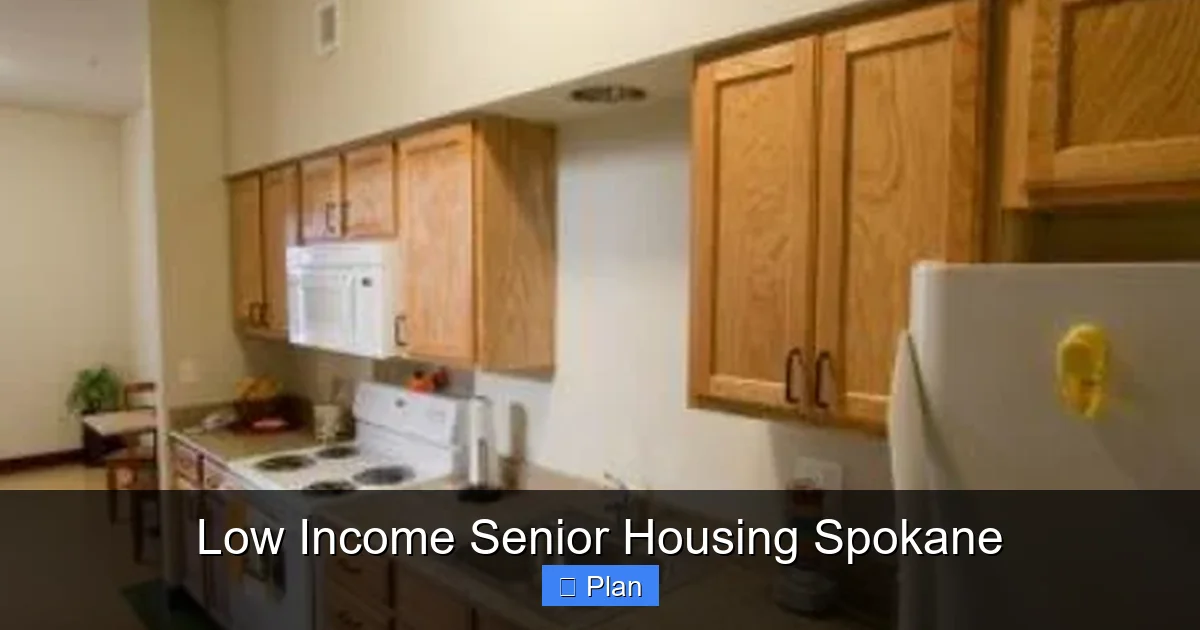
Visual guide about Low Income Senior Housing Spokane
Image source: lowincomehousing.us
Subsidized Housing: The Section 8 and Public Housing Model
This is the classic “low income” program. The most common is the Housing Choice Voucher Program (Section 8). With a voucher, you find your own apartment (that accepts the voucher) and the government pays a portion of the rent directly to the landlord. You pay about 30% of your adjusted gross income. The other model is Public Housing, where you live in an apartment owned and managed by the local housing authority. Both are managed locally by the Spokane Housing Authority (SHA). The huge benefit here is the deep, income-based subsidy that makes rent truly affordable. The major drawback? Waitlists. For the Section 8 voucher in Spokane, the wait can be years. Public housing waitlists are also long. But you must get on them.
Income-Restricted and Affordable Communities
Beyond pure government subsidies, there are apartments and communities built with specific financing that requires them to keep rents affordable for people at certain income levels (e.g., 50% or 60% of the Area Median Income). These are often called Low-Income Housing Tax Credit (LIHTC) properties. They are managed by private non-profits or for-profit companies but have strict rent caps. The application process is usually simpler and faster than Section 8, but you must meet the income limit. Rents are set, not based on a percentage of your income, so you need to ensure the fixed rent fits your budget. Many of these are beautiful, modern buildings designed for seniors 55+.
Non-Profit and Charitable Options
Organizations like the Salvation Army, Catholic Charities, and local church-affiliated groups sometimes operate small senior housing facilities or have rental assistance programs. These can be harder to find but are worth investigating. They often have additional supportive services or community connections. These are typically the most flexible but also the most limited in availability.
Who Qualifies? Demystifying Eligibility for Spokane Senior Housing
It’s time to talk numbers and rules. Don’t let this section intimidate you. While each program has specifics, the core eligibility pillars are surprisingly consistent across the board. Knowing these upfront saves you from applying for things you don’t qualify for.
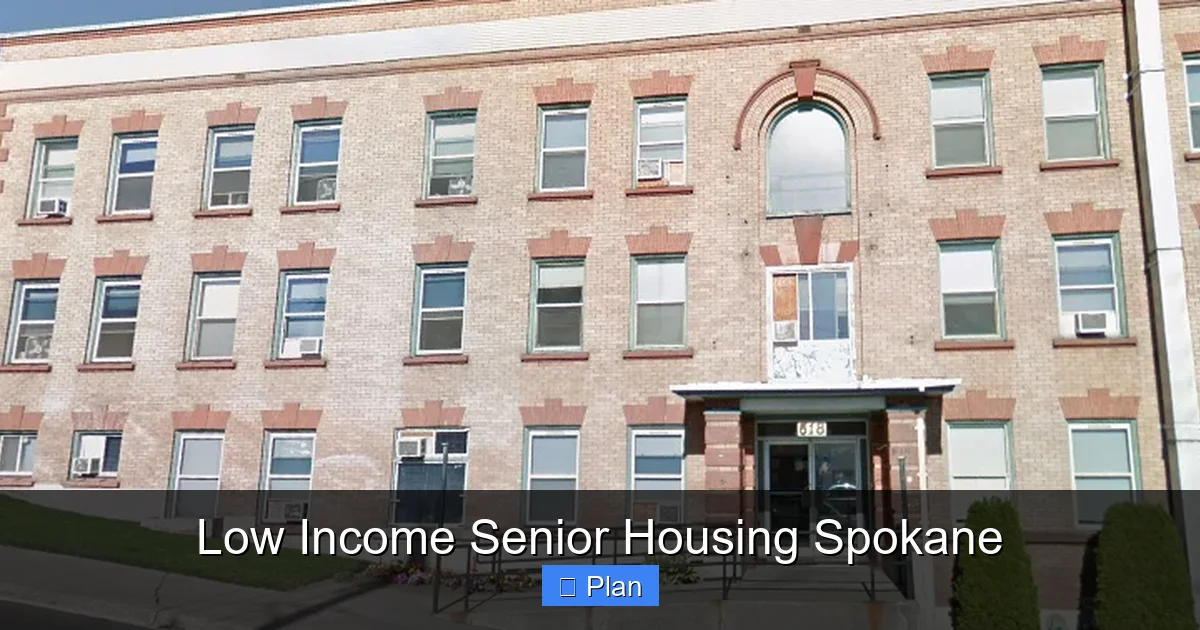
Visual guide about Low Income Senior Housing Spokane
Image source: lowincometemporaryhousing.com
Age and Household Requirements
The “senior” part is straightforward. For most senior-specific housing, you must be 62 years of age or older. Some “55+” communities have slightly different rules, but for subsidized programs, 62 is the standard. You can apply with a spouse or a live-in caregiver, but the primary applicant must meet the age requirement. If you are younger than 62 but have a disability, you may qualify for certain non-elderly disabled (NED) vouchers or units, but those are separate and often have their own long waits.
Income Limits: The 50% and 60% AMI Rules
This is the “low income” test. The government sets Area Median Income (AMI) limits for Spokane County each year. For 2024, the very low-income limit for one person is about $41,100. For subsidized programs like Section 8, you generally must have an income at or below 50% of AMI. For many income-restricted apartments (LIHTC), the limit is often 50% or 60% of AMI. A quick way to think: for a one-person household, your annual income likely needs to be under roughly $41,000 to $49,000 to be in the ballpark for most targeted senior housing. These limits adjust for household size (2-person, 3-person, etc.).
Citizenship and Background Checks
You must be a U.S. citizen or have eligible immigration status. All applicants must pass a background check, which includes criminal history. Certain felony convictions, especially those related to drugs or violence, can disqualify you from public housing and Section 8. Each housing authority has its own policies, so it’s important to be honest. For most seniors with clean records, this is a formality.
The Step-by-Step Application Journey: From Research to Move-In
Okay, you know the types and you think you qualify. Now what? The process is a marathon, not a sprint. Here is your phased action plan.

Visual guide about Low Income Senior Housing Spokane
Image source: assets.website-files.com
Phase 1: Research and List Building
Start by making a master list. First, go to the Spokane Housing Authority website. Find the page to apply for the Section 8 waitlist and the list of their owned public housing properties. Apply online if possible. Next, search for “Low Income Housing Tax Credit senior apartments Spokane.” Websites like AffordableHousingOnline.com or Socialserve.com are good aggregators. Call every property you find and ask: “Do you have income-restricted units for seniors? What is the current waitlist status? What documents do you need for an application?” Put every single one on your list, even if the wait seems long. Your goal is to get on multiple lists.
Phase 2: Document Assembly
Create a housing application binder. You will need copies of:
- Proof of Age: Driver’s license or state ID.
- Proof of Income: Most recent Social Security award letter, bank statements showing deposits, pension statements.
- Proof of Assets: Bank statements, statements from any stocks or bonds.
- Proof of Residency: Current lease or mortgage statement, utility bill.
- Birth Certificates for all household members.
Having these ready to go means you can complete an application the moment a waitlist opens.
Phase 3: Apply, Apply, Apply
When a waitlist opens, you must apply immediately. They can close in hours or days. Be meticulous filling out forms. An error can get you disqualified. For Section 8, the application is through the SHA. For income-restricted apartments, you apply directly with the property management company. Keep a spreadsheet tracking where you’ve applied, the date, your application number (if any), and a contact person. Follow up politely every 6 months to confirm your status and update your contact info.
Financial Assistance Beyond Rent: Making Ends Meet
Securing an affordable rent is the biggest hurdle, but it’s not the only one. Utilities, food, and medical costs on a fixed income are a constant juggle. Know these supplemental resources.
Utility Assistance Programs
The Low-Income Home Energy Assistance Program (LIHEAP) helps pay heating and cooling bills. In Spokane, this is administered by Community Action Partnership (CAP). There are also local “Project Share” type programs from utility companies like Avista that provide one-time assistance. Applying for these can free up $50-$200 a month in your budget.
Food and Nutrition Support
Don’t let pride stop you from getting food help. The Supplemental Nutrition Assistance Program (SNAP) is not just for younger families. Many eligible seniors are not enrolled. The Aging & Long Term Care of Eastern Washington (ALTC) can help with the application. They also run or connect seniors to congregate meal sites (often at senior centers) and home-delivered meals (Meals on Wheels). A hot, nutritious meal a day is a huge financial and social relief.
Property Tax Relief
If you own your home, Spokane County offers a Senior Citizen/Disabled Person Property Tax Exemption. It can exempt you from paying property taxes on a portion of your home’s value. You must be 61+ (or disabled), own and live in the home, and meet income limits. This can save hundreds or thousands annually.
Navigating the Search: Practical Tips and Local Spokane Resources
Here’s where we get into the real-world know-how. How do you actually find these places and make a good impression?
Partner with a Housing Navigator
This is the single best piece of advice. You do not have to do this alone. The Spokane Housing Authority has counselors. Aging & Long Term Care of Eastern Washington has case managers who specialize in senior housing. United Way of the Inland Northwest (dial 2-1-1) can connect you to programs. These professionals know the specific properties, the application quirks, and can sometimes help you prioritize. Tell them you are a low-income senior seeking housing.
Visit Properties and Ask the Right Questions
When you get a call that a unit is available, go see it! Check for safety (good lighting, handrails in bathrooms), quietness, and community feel. Ask the manager:
- “What is the exact income limit for this unit?”
- “Are utilities included? If not, what’s the average cost?”
- “What is the pet policy?”
- “Are there any fees for a parking space or storage?”
- “What supportive services are available on-site or through partnerships?”
For more on what to look for in a senior living community, including those with additional care, you might research senior housing 55 and older options to understand the broader spectrum of age-restricted living.
Be Prepared for a Long Wait and Have a Backup Plan
I cannot stress this enough. The wait for a Section 8 voucher or a specific income-restricted apartment in Spokane can be 1 to 3 years. During that time, your situation might change. Have a Plan B. Could you downsize to a smaller, cheaper market-rate apartment for a few years while you wait? Could a family member offer a room? Could you look at slightly farther neighborhoods like low-income senior places in other areas as a temporary step? Stability during the wait is crucial. Also, ensure your contact information with every housing authority and property is always current. A missed letter can mean losing your spot.
Community and Support: Thriving in Your New Home
Securing the apartment is the first victory. Thriving there is the next. Spokane is a senior-friendly city with many resources to combat isolation and promote wellness.
Connect with the Senior Center Network
The Spokane County Regional Transportation Council (through STA) offers reduced-fare bus passes for seniors, which is vital if you don’t drive. The city has several active Senior Centers (like the ones in the Sinto, Southside, and Northeast neighborhoods). These are hubs for free or low-cost lunches, social activities, exercise classes, and educational workshops. They are your instant community.
Health and Wellness Resources
Access to affordable healthcare is part of the housing equation. Look into Community Health Association of Spokane (CHAS) clinics for sliding-fee-scale medical care. Understanding your medical insurance for senior citizens options—like Medicare, Medicaid, and Medicare Advantage plans—is critical to managing health costs on a fixed income. A local ALTC counselor can also help you navigate long-term care options should your needs increase.
Safety and Security in Your Neighborhood
Feel safe in your home and neighborhood. Get to know your neighbors. The Spokane Police Department has a Senior Services unit that offers safety presentations and resources. Many senior housing properties have security features like controlled entry and well-lit common areas. When choosing between finalist apartments, trust your gut about the neighborhood’s safety and walkability.
Frequently Asked Questions
What is the income limit for low-income senior housing in Spokane?
Eligibility is based on a percentage of the Spokane Area Median Income (AMI). For most subsidized programs, you must earn at or below 50% of AMI. For 2024, that is approximately $41,100 for one person. Income-restricted apartments may use a 50% or 60% AMI limit. These limits increase with household size.
How long is the waitlist for Section 8 housing in Spokane?
The waitlist for the Housing Choice Voucher (Section 8) program managed by the Spokane Housing Authority is typically very long, often between 1 to 3 years. The waitlist for specific public housing apartments can also be lengthy. It is critical to apply as soon as the list opens and to get on multiple waitlists for different properties simultaneously.
Are there application fees for low-income senior housing?
No. Legitimate government-subsidized housing programs (Section 8, Public Housing) and most income-restricted apartments do not charge an application fee. Be extremely wary of any person or company asking for money to apply or to “guarantee” an apartment. This is a common scam.
Can I apply for low-income senior housing if I have a small savings account?
Yes, but it may affect your eligibility or rent amount. For Section 8, certain assets (like a primary residence) are not counted, but savings accounts and investments are. Having assets over $5,000 for an individual may generate “imputed income” from your assets, slightly increasing your portion of the rent. For income-restricted apartments, you simply must meet the maximum income limit, which includes income from assets. A housing counselor can help you understand how your specific assets are treated.
What if my income is slightly above the official limit?
You may not qualify for the deepest subsidies, but you should still explore options. Some properties have a small number of “market-rate” units alongside their affordable units. You could also look at traditional apartments that are simply older or in less central neighborhoods. Additionally, investigate utility and food assistance programs to make a market-rate rent more manageable. Always confirm the exact income limit with each property manager.
Where can I get free help with my application?
>Start with the Spokane Housing Authority. They have staff to answer questions about their programs. Next, contact Aging & Long Term Care of Eastern Washington (ALTC); they provide comprehensive senior services and housing counseling. Dialing 2-1-1 (United Way of the Inland Northwest) is another excellent resource to connect with local agencies that assist with housing searches and applications. Never pay for help with these applications.
