
Low Income Senior Housing in South Carolina


Bed Rails for Elderly Adults Safety, 380 LBS
5X Large Rechargeable Hands Free Magnifying Glass with Light
Drive Medical Shower Chair with Back
Finding safe, affordable housing is a top concern for many South Carolina seniors. Fortunately, the Palmetto State offers several state-funded and nonprofit programs designed specifically for low-income older adults. This guide walks you through everything you need to know—from eligibility requirements and application tips to specific communities in major cities like Charleston, Greenville, and Columbia. We’ll also explain how to access additional support services like transportation, meals, and healthcare coordination.
Finding reliable, affordable housing as a senior shouldn’t feel overwhelming—especially when you’re living on a fixed income. In South Carolina, thousands of older adults rely on specialized housing designed just for them: low income senior housing in South Carolina that balances affordability, safety, and community. Whether you’re relocating from another state or looking for a better fit closer to family, understanding your options is the first step toward peaceful, dignified retirement.
South Carolina has made significant strides in supporting its aging population. From coastal communities like Myrtle Beach to inland hubs like Columbia and Greenville, there are numerous public and private initiatives aimed at helping seniors maintain independence without financial strain. These aren’t just apartments—they’re homes where neighbors become friends, meals are served, and health concerns are addressed proactively. And while the process might seem complex at first glance, knowing what to expect can turn anxiety into confidence.
This comprehensive guide will walk you through every aspect of low income senior housing in South Carolina. You’ll learn about eligibility criteria, available programs, top-rated facilities, and practical tips for navigating applications. We’ll also highlight how additional services—like transportation, home care, and legal aid—can enhance your quality of life once you secure housing. By the end, you’ll feel empowered to make informed decisions that protect your well-being and preserve your autonomy.
Key Takeaways
- Multiple Programs Available: South Carolina provides both state-run and federally funded programs such as SC Housing Choice Vouchers (Section 8), HUD-assisted senior housing, and nonprofit-supported developments.
- Eligibility Based on Income & Age: Most low-income senior housing requires applicants to be at least 62 years old and have household income below 50% of the Area Median Income (AMI).
- Urban vs. Rural Access: Larger cities like Charleston, Greenville, and Myrtle Beach offer more options, but rural areas may require travel or alternative arrangements through local Area Agencies on Aging.
- Waitlists Are Common: Due to high demand, many programs operate waitlists—sometimes lasting years—so applying early is crucial.
- Additional Support Services: Many housing complexes include meal programs, transportation, wellness checks, and social activities tailored to seniors.
- Application Process Is Detailed: You’ll typically need proof of age, income, residency, and citizenship or legal status.
- Nonprofit Organizations Help Navigate Options: Groups like SC Housing Finance and AARP SC can provide personalized guidance and application assistance.
📑 Table of Contents
Understanding Low-Income Senior Housing in South Carolina
Low income senior housing refers to subsidized residential options specifically designed for adults aged 62 and older who meet strict income limits. Unlike general affordable housing, these properties prioritize accessibility features, social programming, and proximity to medical services—all critical for maintaining health and independence. In South Carolina, this concept encompasses everything from HUD-subsidized apartment buildings to faith-based cooperative living communities.
What sets South Carolina’s approach apart is its blend of federal funding, state grants, and nonprofit partnerships. For example, the U.S. Department of Housing and Urban Development (HUD) funds several senior-only developments under Section 811 Supportive Housing for Persons with Disabilities, even though they serve healthy seniors. Meanwhile, the South Carolina Housing Finance Agency (SCHFA) administers programs that reduce rent burdens for qualifying households. Nonprofits like the South Carolina Housing Coalition act as advocates and navigators, ensuring applicants aren’t left confused by paperwork.
Importantly, “low income” doesn’t mean “no income.” Most programs cap household earnings at 30–50% of the area median income. For a single person over 62 in Charleston, that might be around $2,800 per month; in rural Edgefield County, it could drop to $2,200. The key is consistency—your income must remain below that threshold throughout residency. Utilities and rent are often bundled into one affordable monthly payment, eliminating unexpected bills and simplifying budgeting.
Types of Low-Income Senior Housing Available
Not all senior housing looks the same. Depending on location, amenities, and funding sources, you’ll find several distinct models:
HUD-Assisted Properties: Funded by federal dollars, these include both project-based Section 8 buildings and Public Housing Authority (PHA) sites. Units come with rent subsidies based on your income, meaning you pay only 30% of what you earn toward rent and utilities. Examples include Charleston SC Senior Housing, which offers ocean-view units near medical centers.
SC Housing Choice Voucher Program: Also known as Section 8, this portable voucher allows you to choose any privately owned apartment that accepts vouchers—not just designated senior buildings. It’s ideal if you want flexibility but still need rent assistance.
Nonprofit-Developed Communities: Organizations like Habitat for Humanity or local churches build or rehab homes exclusively for low-income seniors. These often include gardens, communal dining, and volunteer maintenance crews. One standout is the Greenville SC Senior Housing, which pairs affordable units with on-site nurses and meal delivery.
Cooperative Living Models: Some communities operate as mutual housing associations, where residents collectively manage operations and share responsibilities. While less common, they foster tight-knit bonds and lower individual costs.
Each type has pros and cons. HUD-assisted properties offer stability and services but may have stricter rules. Vouchers give freedom but require landlord cooperation. Nonprofit models build community but might lack availability in certain regions.
Why Location Matters: Urban vs. Rural Considerations
Where you live affects your access to resources, healthcare, and social connections. Major cities like Charleston, Columbia, and Greenville cluster most low income senior housing in South Carolina due to higher population density and established nonprofits. Here, you’ll find pharmacies within walking distance, bus routes to hospitals, and volunteer-led exercise classes.
But rural counties—like Abbeville, Jasper, or Marlboro—are not left behind. The SC Office on Aging partners with local Area Agencies on Aging (AAAs) to connect seniors with scattered housing options. Sometimes, this means traveling up to an hour to reach the nearest facility, but many AAAs also arrange shared transportation or coordinate group moves.
If you’re considering relocation, research nearby towns thoroughly. Ask whether the housing includes meal programs, emergency call systems, or partnerships with clinics. Even small towns sometimes host innovative models—such as converted motels retrofitted for seniors with ADA-compliant bathrooms and kitchenettes.
Eligibility Requirements Explained
Visual guide about Low Income Senior Housing in South Carolina
Image source: i.pinimg.com
Before applying, confirm you meet basic qualifications. While specifics vary slightly between programs, core requirements include:
Age: Applicants must be at least 62 years old. Exceptions exist for disabled individuals under 62, but those cases are rare and require documentation.
Income Limits: Your gross monthly income (before taxes) must fall at or below 50% of your county’s Area Median Income. SCHFA publishes updated AMI figures annually—for instance, Richland County’s 50% threshold was $48,900 for a one-person household in 2023.
Citizenship/Legal Status: U.S. citizens and eligible non-citizens (e.g., green card holders with work authorization) qualify. Proof includes birth certificates, passports, or immigration documents.
Background Checks: Criminal history may disqualify applicants, especially for violent offenses or drug-related felonies. However, many programs consider rehabilitation and time passed since conviction.
Don’t assume you automatically qualify. Call ahead or visit the property manager’s office to discuss your situation. Staff often help clarify gray areas—like whether Social Security counts toward income or how to handle pension adjustments.
Documentation You’ll Need
Gather these items before starting applications:
– Photo ID (driver’s license or passport)
– Proof of age (birth certificate or naturalization papers)
– Recent pay stubs or benefit statements (Social Security, SSI, pension)
– Tax returns from the past two years
– Lease agreements or utility bills showing current address
– Medical records (if claiming disability exceptions)
Keep digital copies and physical originals ready. Mistakes delay processing, and incomplete packets get rejected outright. If English isn’t your first language, request bilingual assistance—many AAAs offer translation services.
Top Locations for Low-Income Senior Housing in South Carolina
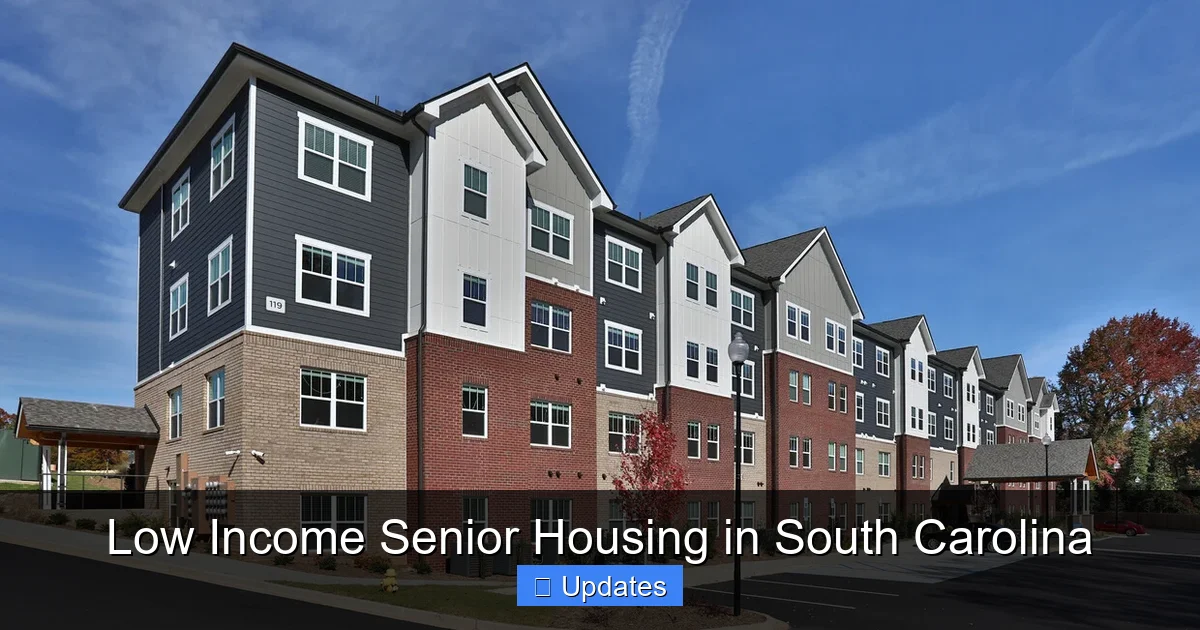
Visual guide about Low Income Senior Housing in South Carolina
Image source: s3.amazonaws.com
While statewide resources exist, some cities stand out for their concentration of quality, accessible housing. Below are highlights of what’s available in key regions:
Charleston & Coastal Areas
Charleston boasts a vibrant senior scene with modern complexes like Myrtle Beach SC Senior Housing. Though technically in Horry County, Myrtle Beach draws retirees nationwide thanks to its mild climate and beachfront access. Many buildings here include pools, libraries, and shuttle buses to downtown clinics.
In Charleston proper, look for HUD projects near Rutledge Avenue or Ashley Hall. These often partner with Trident Health System for on-call nursing staff. Pro tip: Attend a community meeting—it’s a great way to meet staff and residents while learning about waitlist status.
Columbia & Midlands Region
As the state capital, Columbia centralizes services. The Columbia Housing Authority runs several senior-friendly towers with 24/7 security, fitness rooms, and weekly bingo nights. Nearby, Richland County’s “Sunrise Villas” combines affordability with scenic river views.
For those preferring smaller settings, Blythewood offers quiet neighborhoods with shared gardens and pet-friendly policies. Transportation is limited, so car ownership or ride-sharing apps are essential.
Greenville & Upstate
Greenville shines with its mix of urban convenience and Southern charm. Greer SC Senior Housing exemplifies this—units are spacious, close to grocery stores, and connected via GRTA Xpress buses to downtown Greenville’s medical district.
The Upstate region also hosts faith-based cooperatives like Grace Place, where residents chip in for upkeep and organize potlucks. While fewer in number than HUD sites, these foster deep community ties.
Rural Opportunities
Small towns like Beaufort, Anderson, and Spartanburg have hidden gems. Beaufort’s historic district includes restored cottages with ADA upgrades and proximity to Sea Island Hospital. Anderson’s “Pine Grove Commons” serves as a hub for Meals on Wheels volunteers and AA meetings.
Remember: Rural listings may appear sparse online. Always call local AAAs—they maintain informal networks and know about unadvertised openings.
How to Apply: Step-by-Step Guidance
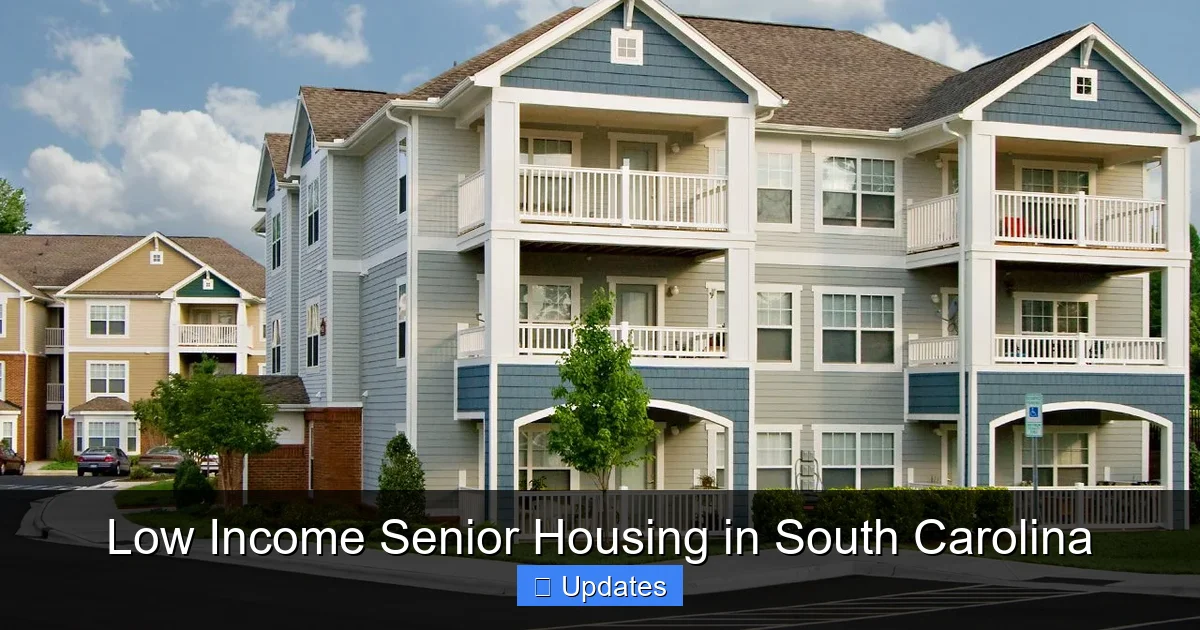
Visual guide about Low Income Senior Housing in South Carolina
Image source: lowincomehousing.us
The application process varies by program but generally follows these steps:
Step 1: Identify Eligible Programs
Start with SCHFA’s website or call their hotline (1-800-342-2737). They’ll match you to appropriate options based on income, location, and needs.
Step 2: Contact Property Managers
Reach out directly to housing managers. Ask about waitlist length, priority groups (e.g., veterans, widows), and required documents. Avoid third-party agencies charging fees—legitimate programs don’t ask for money upfront.
Step 3: Submit Complete Applications
Fill out forms meticulously. Double-check dates, signatures, and calculations. Attach all requested proofs. If stuck, visit your local AAA office—they often hold application workshops.
Step 4: Attend Interviews
Some properties require in-person or video interviews to assess compatibility and verify information. Dress neatly, bring extra IDs, and prepare to discuss your lifestyle preferences.
Step 5: Wait & Follow Up
Waitlists can take months or years. Stay engaged: update contact info, respond to inquiries promptly, and reapply periodically if no action occurs.
Common pitfalls include submitting incomplete forms, missing deadlines, or failing background checks due to overlooked charges. Being proactive minimizes delays.
Tips for Success
– Apply to Multiple Sites: Diversify your chances. Don’t put all eggs in one basket.
– Network Early: Talk to current residents—they know insider tips and can vouch for management.
– Leverage Local Resources: Libraries, senior centers, and faith groups often post bulletin boards with housing leads.
– Stay Organized: Use a spreadsheet to track applications, deadlines, and responses.
Beyond Housing: Additional Support Services
Affordable housing is just the beginning. True quality of life comes from integrated support systems. Fortunately, South Carolina connects seniors to a web of services:
Transportation: Many complexes partner with SC Transit or volunteer driver programs for doctor visits and grocery trips. Some even offer free shuttles during peak hours.
Meal Programs: On-site cafeterias or meal delivery (like Meals on Wheels) combat isolation and malnutrition. Nutritious lunches are often included in rent.
Healthcare Coordination: Nurses conduct wellness checks, medication reviews, and flu shot clinics. Partnerships with Prisma Health or MUSC ensure urgent issues get attention fast.
Legal Aid: Volunteer lawyers at Legal Services of South Carolina assist with tenant rights, estate planning, and Medicare appeals.
Social Activities: Bingo nights, book clubs, gardening groups—these reduce depression and cognitive decline. Expect themed parties and holiday celebrations!
These extras aren’t universal, so ask during tours. Prioritize communities with active programming.
Financial Planning Tips
Even with subsidized rent, seniors face other costs. Here’s how to stretch your budget:
– Enroll in SNAP (food stamps) if eligible—apply through DSS.
– Use LIHEAP for winter heating bills (call 1-866-646-3746).
– Join prescription discount cards like GoodRx.
– Set aside $20/month for emergency supplies (bandages, batteries).
Never hesitate to request hardship extensions. Managers understand medical emergencies and inflation pressures.
Final Thoughts: Your Path Forward
Navigating low income senior housing in South Carolina doesn’t have to be daunting. With persistence, patience, and the right resources, you can find a place that feels like home. Remember: you deserve comfort, safety, and connection—regardless of income level.
Start by reaching out to your local Area Agency on Aging. They’ll guide you through options tailored to your zip code and needs. Then, apply widely, stay organized, and lean on community networks. Celebrate small wins—each submitted form brings you closer to stability.
South Carolina’s commitment to its elders shows in every new development, every meal served, and every smile exchanged over bingo cards. As you explore your choices, trust that brighter days lie ahead. You’ve earned this peace of mind.
Frequently Asked Questions
What is the minimum age requirement for low income senior housing in South Carolina?
Applicants must be at least 62 years old. There are very few exceptions for younger disabled individuals, and those require extensive medical documentation and approval.
How long do waitlists typically last for low income senior housing in South Carolina?
Waitlists can range from several months to multiple years depending on location and program type. Urban areas like Charleston or Greenville often have longer waits than rural counties.
Can I use a Section 8 voucher to live anywhere in South Carolina?
Yes, the Housing Choice Voucher program (Section 8) is portable, meaning you can use it in any approved rental property across South Carolina—provided the landlord agrees to participate.
Are pets allowed in low income senior housing in South Carolina?
Many complexes allow small pets, especially service animals, but policies vary. Always ask during tours or when calling property managers about specific breed or size restrictions.
What happens if my income increases after moving in?
You must report changes within 30 days. If your income exceeds the limit, you may be asked to move or pay market-rate rent—but many managers work with residents facing temporary setbacks.
Do I need to have lived in South Carolina long-term to qualify?
No, residency isn’t always required for federal programs like HUD-assisted housing. However, some state-specific grants prioritize SC residents, so check program details carefully.