
Low Income Senior Housing in Charleston Sc

Electric Heating Pad

Automatic Can Opener

Tablet for Seniors
Finding low income senior housing in Charleston SC can be challenging but not impossible. Many programs and nonprofits offer subsidized apartments tailored for older adults on fixed incomes. With the right guidance, you can secure safe, comfortable, and affordable living spaces that support independence and dignity in your golden years.
Key Takeaways
- Affordable Options Exist: Charleston offers several HUD-funded and nonprofit senior housing complexes with rent based on income.
- Eligibility Matters: Most programs require applicants to be 62+, meet income limits, and pass background checks.
- Waitlists Are Common: Popular properties like Harbor House or The Villages at River Oaks often have long waiting periods—apply early.
- Amenities Help Independence: Many include meal services, transportation, social activities, and medical support.
- Local Resources Can Help: Agencies like Aging South Carolina provide free application assistance and case management.
- Pet Policies Vary: Some communities allow pets—crucial for emotional well-being and quality of life.
- Renewal Requirements: Income and residency status are reviewed regularly; staying compliant ensures continued occupancy.
Finding a place to call home shouldn’t depend on how much money you make. For thousands of seniors in Charleston, SC, aging gracefully means having access to safe, dignified, and affordable housing. Whether you’re a lifelong resident or recently moved to the Lowcountry, knowing where to look—and what to expect—can make all the difference. This guide walks you through everything you need to know about low income senior housing in Charleston SC, from eligibility rules to community perks and how to avoid common pitfalls.
Charleston is known for its historic charm, coastal beauty, and vibrant culture. But it’s also an expensive city, especially when it comes to housing. According to recent data, median rent for a one-bedroom apartment in Charleston exceeds $1,800—far beyond what many fixed-income seniors can afford. That’s why government-assisted and nonprofit senior housing plays such a vital role. These communities aren’t just buildings; they’re lifelines that preserve independence, reduce isolation, and ensure health and safety for older adults who might otherwise face homelessness or unsafe living conditions.
The good news? You don’t have to navigate this alone. There are more than two dozen low income senior housing options across Charleston County and nearby areas like Mount Pleasant and North Charleston. While some are fully subsidized by the U.S. Department of Housing and Urban Development (HUD), others partner with local charities or faith-based groups to keep costs down. What unites them all? A commitment to serving older adults with limited financial means while maintaining high standards of care and comfort.
Key Takeaways
- Understanding low income senior housing in charleston sc: Provides essential knowledge
📑 Table of Contents
- Types of Low Income Senior Housing in Charleston SC
- How to Qualify for Low Income Senior Housing in Charleston SC
- Top Low Income Senior Housing Communities in Charleston SC
- Application Tips & Avoiding Scams
- Benefits Beyond Rent Savings
- Resources to Help You Navigate the Process
- Final Thoughts: Your Right to Dignified Living
Types of Low Income Senior Housing in Charleston SC
Not all senior housing looks the same—or operates the same way. In Charleston, you’ll find three main categories of low income senior housing:
Public Housing Authority Units
Administered by the Charleston Housing Authority (CHA), these properties receive federal funding and set rents as a percentage of your monthly income (typically 30%). Examples include the John C. Calhoun II Apartments and the newly renovated Pine Street Commons. These units usually require proof of residency in Charleston County and adherence to strict income caps.
Section 202 & Section 8 Programs
Built specifically for seniors and people with disabilities, Section 202 developments like The Villages at River Oaks offer permanent supportive housing with on-site staff. Meanwhile, Section 8 vouchers allow you to use rental subsidies toward private-market apartments—though availability varies widely.
Nonprofit & Faith-Based Communities
Organizations such as Habitat for Humanity ReStore affiliates, Catholic Charities, and local churches often sponsor affordable senior housing. These may include co-housing models, congregate living with shared meals, or even tiny home villages designed for aging-in-place.
Each type has its own application process, wait times, and lifestyle expectations. Understanding these differences helps you choose what fits best.
How to Qualify for Low Income Senior Housing in Charleston SC
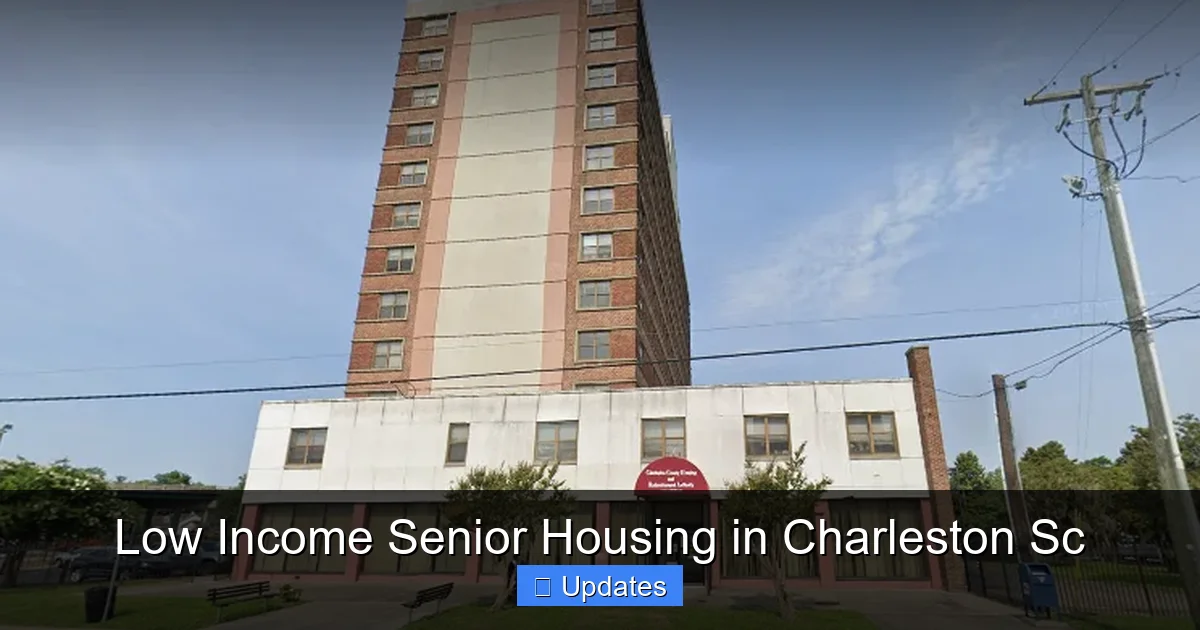
Visual guide about Low Income Senior Housing in Charleston Sc
Image source: lowincomehousing.us
Getting into any subsidized senior housing isn’t automatic. You’ll need to meet several criteria before applying:
Age Requirement: Almost all programs require residents to be at least 62 years old. Some exceptions exist for disabled individuals under 62, but documentation from a licensed physician or Social Security Disability Insurance (SSDI) award letter is required.
Income Limits: Your gross annual income must fall below area median levels set by HUD. For Charleston County in 2024, the limit is around $47,000 for a single person and $54,000 for a couple. Even if you have savings or investments, only your actual cash flow counts toward eligibility.
Criminal Background Checks: Like any landlord, housing authorities screen for criminal history. Felony convictions involving violence, drug distribution, or sex offenses typically disqualify applicants. Minor offenses (e.g., DUI) may be considered case-by-case.
Residency Proof: You must show you live in Charleston County or intend to relocate there. Utility bills, lease agreements, or voter registration cards work fine.
Don’t assume you don’t qualify just because you own a car or have modest retirement accounts. Many seniors are surprised to learn they still meet income thresholds!
Top Low Income Senior Housing Communities in Charleston SC

Visual guide about Low Income Senior Housing in Charleston Sc
Image source: lowincomehousing.us
While new developments pop up occasionally, most reliable options are established properties with proven track records. Here are five standout choices:
The Villages at River Oaks
Located near the Medical University of South Carolina (MUSC), this 200-unit complex offers studio and one-bedroom units with full kitchens, emergency call systems, and weekly housekeeping. It includes a dining room, library, and fitness center. Wait time: 18–24 months.
Harbor House
A beloved option since 1995, Harbor House provides 130 units of independent living with optional assisted care. Residents enjoy chef-prepared meals, scheduled transportation, and daily activities. Pet-friendly policy! Current waitlist: over 400 names.
Pine Street Commons
Recently renovated with ADA-compliant features, this CHA-managed property offers bright, modern apartments at ultra-low rents (as little as $125/month). Ideal for veterans or those needing mobility aids.
St. Francis Terrace
Sponsored by the Diocese of Charleston, this peaceful community welcomes Catholic and non-Catholic seniors alike. Features include chapel services, bingo nights, and partnerships with Meals on Wheels.
Summerville Place
Though technically in Dorchester County, many Charleston residents choose this gem due to lower crime rates and scenic surroundings. Offers both independent and memory care wings.
Always visit in person before applying. Pay attention to noise levels, elevator functionality, and neighbor friendliness—it makes a huge difference in day-to-day happiness.
Application Tips & Avoiding Scams
Visual guide about Low Income Senior Housing in Charleston Sc
Image source: lowincomehousing.us
Applying for low income senior housing can feel overwhelming, but preparation saves time and stress. Follow these steps:
Gather Documents Early: Bring photo ID, birth certificate, Social Security card, tax returns from the past two years, bank statements, and proof of income (pension stubs, VA benefits, etc.). Having everything ready speeds up processing.
Submit Multiple Applications: Don’t put all your eggs in one basket. Apply to 3–5 properties simultaneously. Prioritize those with shorter waitlists or priority points (e.g., for veterans or caregivers).
Work With a Case Manager: Free services from Aging South Carolina or the Charleston County Office on Aging can help complete forms correctly and advocate on your behalf. They also know which agencies fast-track applications.
Beware of Scammers: Never pay upfront fees to “secure” a spot. Legitimate housing authorities never ask for cash, gift cards, or wire transfers during screening. If someone pressures you urgently, report them to the Better Business Bureau or FTC.
Stay Organized: Keep copies of every form you submit, plus dates and contact info for follow-ups. Some programs update their websites monthly—check back often for status changes.
Remember: patience pays off. While waitlists stretch into years, staying active in the meantime builds connections and keeps your mind sharp.
Benefits Beyond Rent Savings
Yes, low cost is important—but so is quality of life. Well-designed senior housing does far more than save money. Consider these added advantages:
Social Connection: Loneliness affects nearly half of all adults over 65. Planned events like movie nights, gardening clubs, or book discussions combat isolation and improve mental health.
Health Monitoring: On-site nurses or wellness coordinators often conduct blood pressure checks, medication reviews, and flu shot clinics. Proximity to hospitals matters too—many complexes are within walking distance of primary care providers.
Transportation Access: Shuttle buses to grocery stores, pharmacies, and senior centers eliminate the hassle of driving. This becomes critical after vision declines or mobility issues arise.
Meal Programs: Nutritious, hot meals delivered daily or served cafeteria-style prevent skipped meals and malnutrition—common among isolated seniors.
Safety Features: Grab bars, non-slip flooring, and intercom systems reduce fall risks. Emergency response buttons give peace of mind whether you’re sleeping or showering.
In short, affordable housing isn’t just shelter—it’s a foundation for thriving later life.
Resources to Help You Navigate the Process
You don’t have to do this solo. Charleston has dedicated teams ready to assist:
Aging South Carolina – Call their Helpline at 1-866-656-0212 for personalized referrals, application coaching, and advocacy support.
Charleston County Office on Aging – Offers free workshops on housing rights, benefit enrollment, and fraud prevention.
South Carolina Commission for the Blind, Deaf, and Other Handicapped – Specializes in accessible housing options for disabled seniors.
Veterans Affairs Supportive Housing (VASH) – Provides priority placement for honorably discharged veterans with low income.
Also consider joining local senior centers like the YMCA’s Silver Sneakers program or the Charleston Parks Conservancy’s adult activity calendar. Networking with peers who’ve successfully navigated the system yields priceless advice.
Final Thoughts: Your Right to Dignified Living
Accessing low income senior housing in Charleston SC isn’t charity—it’s entitlement. Thanks to federal laws like the Fair Housing Act and the Housing Choice Voucher Program, older adults with limited means deserve safe, clean, and affordable homes. The challenges? Yes—waitlists, paperwork, and occasional bureaucratic delays. But solutions exist. By starting early, staying informed, and leaning on trusted helpers, you increase your chances dramatically.
And remember: your worth isn’t defined by income. Every senior deserves respect, comfort, and community—regardless of how much they earn. Whether you’re planning ahead or facing sudden financial hardship, take action today. Visit a property, call a caseworker, or simply ask a neighbor where they live. Knowledge is power, and compassion starts with understanding.
For additional insights into similar programs elsewhere—or if you’re considering relocating—you might explore our guides on low income senior housing in nearby cities like Myrtle Beach South Carolina or even broader trends across the Southeast. But for now, focus on Charleston: a city rich in history, warmth, and real opportunities for meaningful senior living.
Frequently Asked Questions
What is the average wait time for low income senior housing in Charleston SC?
Most popular properties have waitlists ranging from 12 to 24 months. Harbor House and The Villages at River Oaks consistently rank highest in demand. Applying to multiple sites simultaneously reduces risk.
Can I bring my pet to a low income senior housing community in Charleston?
Yes—but policies vary. Harbor House allows cats and small dogs. St. Francis Terrace permits birds and fish only. Always check breed/weight restrictions and pet deposits before applying.
Are utilities included in low income senior housing rent?
It depends on the property. Public housing (like Pine Street Commons) usually includes water/sewer but not electricity. Others charge separate utility bills. Ask during tours.
Do I need to be a U.S. citizen to apply?
No. Permanent residents (green card holders) and eligible non-citizens (with proper documentation) can qualify. Undocumented individuals are not eligible for HUD-funded units.
Can family members visit me in my senior housing?
Absolutely. Most communities encourage visitation and may host holiday gatherings or birthday parties. Check guest policies regarding overnight stays—some restrict to immediate family only.
What happens if my income increases above the limit?
You must report changes within 30 days. Rents will adjust upward, but you won’t be evicted unless you refuse to pay the new amount. Many seniors exceed limits slightly without issue.
