
Raw Food for Senior Dogs


Handheld Shower Head

Book Holder Stand

Reading Light for Bed
Raw food for senior dogs can support better mobility, digestion, and overall wellness in aging pets. However, it’s not a one-size-fits-all solution—your dog’s individual needs matter most. With proper planning and veterinary guidance, a balanced raw diet may help your senior companion thrive.
Key Takeaways
- Senior dogs have unique nutritional needs: As dogs age, their metabolism slows, and they may develop sensitivities or chronic conditions that require tailored nutrition.
- Raw diets can improve digestion and energy levels: High moisture content and unprocessed proteins may ease gastrointestinal issues common in older dogs.
- Joint and muscle support is key: Raw meals rich in omega-3s, glucosamine, and high-quality protein can help maintain mobility and reduce arthritis discomfort.
- Safety is non-negotiable: Improper handling of raw meat increases risks of bacterial contamination; always follow strict hygiene practices.
- Consult your vet before switching: Especially if your dog has kidney disease, diabetes, or other health concerns, professional advice ensures the diet supports—not harms—overall health.
- Start slow and monitor closely: A gradual transition allows you to assess tolerance and make adjustments based on stool quality, coat condition, and behavior.
📑 Table of Contents
- Why Consider Raw Food for Senior Dogs?
- The Unique Needs of Senior Dogs
- What Is Raw Food for Senior Dogs?
- Benefits of Raw Food for Senior Dogs
- How to Safely Introduce Raw Food to Senior Dogs
- Sample Raw Meal Plans for Senior Dogs
- When Raw Food Might Not Be Right
- Alternatives to Raw Feeding for Seniors
- Long-Term Care Tips for Senior Dogs on Raw Diets
- Conclusion: Is Raw Food Right for Your Senior Dog?
Why Consider Raw Food for Senior Dogs?
As our beloved dogs grow older, their bodies undergo noticeable changes. Joint stiffness sets in, energy dips, and digestive systems become less efficient. You might notice your once-active senior dog sleeping more, struggling to climb stairs, or even losing weight despite eating normally. These signs aren’t just part of “getting old”—they reflect real physiological shifts that demand thoughtful care.
One increasingly popular option gaining attention is raw food for senior dogs. Unlike commercial kibble, which often contains fillers, artificial preservatives, and highly processed ingredients, raw diets mimic what dogs evolved to eat: whole animal proteins, fresh fruits and vegetables, and natural fats. For many pet parents, this shift feels like giving their aging companions something closer to their ancestral diet—and the results can be remarkable.
But before diving headfirst into feeding bones and uncooked chicken, it’s important to understand both the potential benefits and the practical realities of raw feeding. This article walks you through everything you need to know—from why raw food matters for seniors to how to do it safely, sustainably, and effectively.
The Unique Needs of Senior Dogs

Visual guide about Raw Food for Senior Dogs
Image source: bellaandduke.com
Just like humans, senior dogs (typically 7+ years, depending on breed) enter a new phase of life where metabolism slows, organs age, and nutritional demands evolve. Their teeth may loosen, kidneys function less efficiently, and joints become more vulnerable to inflammation. These changes mean that what worked for your dog at age two might not work as well at age twelve.
Common Health Challenges in Older Dogs
Senior dogs often face several overlapping health issues:
- Arthritis and joint pain: Caused by cartilage wear, this leads to stiffness, limping, and reluctance to move.
- Dental problems: Gingivitis, tooth decay, and missing teeth can make chewing painful or impossible.
- Digestive sensitivity: Reduced stomach acid and slower gut motility increase risk of bloating, constipation, or diarrhea.
- Kidney decline: Common in aging canines, requiring lower phosphorus and controlled protein intake.
- Weight fluctuations: Some lose muscle mass while others gain fat due to reduced activity levels.
Nutritional Shifts with Age
To address these challenges, senior dog diets should emphasize:
- Higher digestible protein to preserve lean muscle mass
- Omega-3 fatty acids for anti-inflammatory effects
- Adequate fiber for healthy digestion
- Lower calories if weight management is needed
- Easily chewed or softened foods if dental issues exist
This is where raw food shines—when formulated correctly, it aligns closely with these evolving needs.
What Is Raw Food for Senior Dogs?
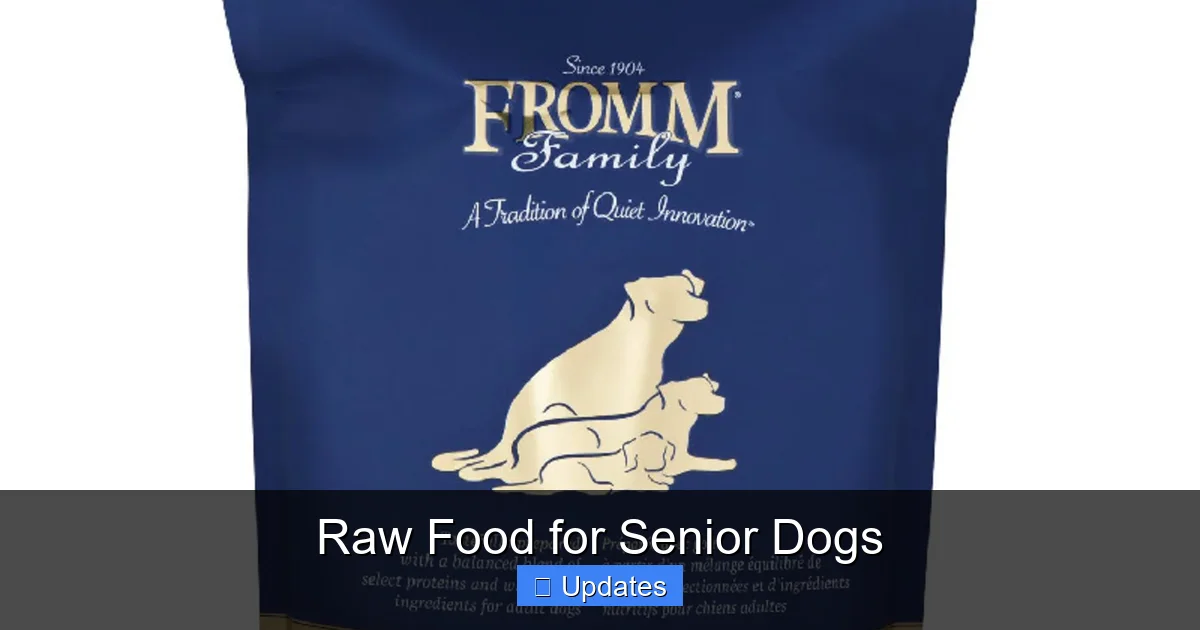
Visual guide about Raw Food for Senior Dogs
Image source: cdn.shoplightspeed.com
Raw dog food typically includes uncooked muscle meat, organ meats, bone (raw or cooked), vegetables, and sometimes supplements. While there are variations—BARF (Biologically Appropriate Raw Food), PREY MODEL diets—the core idea remains the same: provide minimally processed, nutrient-dense meals inspired by wild canine ancestors.
For senior dogs, however, not all raw recipes are equal. A good raw diet for an 11-year-old terrier with bad teeth will look different from one designed for a 14-year-old lab with kidney disease. Flexibility and customization are essential.
Types of Raw Diets for Seniors
- Traditional BARF: Includes raw meaty bones, organs, veggies, and supplements. Best for dogs with strong digestion and no major health issues.
- Cooked bone-in meals: Bones are steamed or roasted to soften them—ideal for dogs with dental problems who still crave crunch.
- Softened raw blends: Meat and organs are blended with broth or soaked veggies to create a paste-like texture for easy swallowing.
- PREY MODEL (PM): Mimics hunting—one large piece of meat per meal—but may be too bulky for seniors with appetite loss.
Important Note on Safety
While raw food offers benefits, it also carries risks if mishandled. Always use clean surfaces, separate cutting boards for meat and produce, and freeze raw packages immediately after purchase. Never thaw raw food at room temperature. And yes—you’ll want to wash your hands thoroughly afterward.
For more on safe handling, see our guide to homemade dog food for senior dogs.
Benefits of Raw Food for Senior Dogs
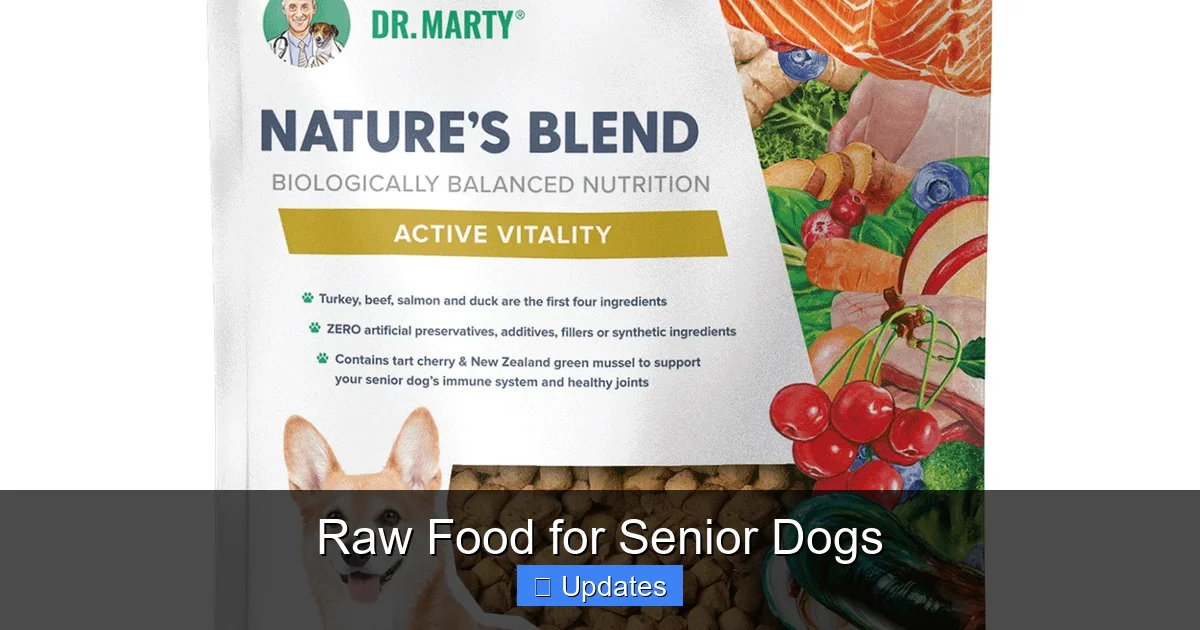
Visual guide about Raw Food for Senior Dogs
Image source: naturalpetwarehouse.com
Many owners report visible improvements after switching their senior dog to a thoughtfully prepared raw diet. While individual results vary, several consistent themes emerge:
Improved Digestion and Energy Levels
Raw foods are naturally higher in moisture than dry kibble, helping prevent dehydration and supporting kidney function. The absence of fillers like corn or soy means fewer digestive upsets. Many senior dogs experience softer stools, increased appetite, and even regained energy within weeks.
Healthier Skin and Shiny Coat
The natural balance of omega-6 and omega-3 fatty acids in fresh meats and fish promotes skin hydration and reduces flakiness. Owners often note thicker fur and fewer hot spots within 4–6 weeks.
Better Dental Health (When Done Right)
Chewing on raw bones helps scrape plaque off teeth—though this isn’t a substitute for professional cleanings. Still, many senior dogs with gum disease show improvement when allowed to chew safely under supervision.
Weight Management Support
Because raw meals are nutrient-dense yet calorie-controlled when portioned correctly, they’re excellent for maintaining ideal weight without sacrificing flavor or satisfaction.
Reduced Inflammation and Arthritis Symptoms
Supplements like salmon oil, flaxseed, and green-lipped mussel powder—common in raw diets—provide potent anti-inflammatory compounds that ease joint discomfort.
Of course, these benefits depend on using high-quality ingredients and avoiding overfeeding or unbalanced formulations. That’s why consulting a veterinary nutritionist is strongly recommended before making big dietary changes.
How to Safely Introduce Raw Food to Senior Dogs
Transitioning any dog—especially a senior—requires patience and observation. Sudden changes can cause stomach upset or refusal to eat altogether.
Step-by-Step Transition Plan
- Start with 10% raw: Mix a small amount of raw food with their current diet for 5–7 days.
- Increase gradually: After a week, bump up the raw portion to 25%, then 50%, and eventually 100% over 2–3 weeks.
- Monitor closely: Watch for loose stools, vomiting, or decreased appetite. Adjust pace if needed.
- Rotate proteins: Offer different meats (chicken, beef, lamb, turkey) every few days to avoid allergens and ensure variety.
- Add supplements wisely: Calcium, vitamin E, and probiotics should only be included under professional guidance.
Troubleshooting Common Issues
If your dog refuses the raw food:
- Try warming it slightly—warmth releases aroma and makes it smell more appealing.
- Hand-feed or mix with low-sodium broth.
- Offer favorite treats alongside to encourage interest.
- Slow down the transition.
- Add a digestive enzyme supplement temporarily.
- Ensure adequate hydration throughout the day.
- 6 oz raw chicken thighs (skinless)
- 1 tsp flaxseed oil
- ½ cup steamed carrots and green beans
- ¼ tsp crushed eggshell (for calcium)
- 4 oz raw beef liver
- 2 oz ground beef
- ½ cup mashed sweet potato (cooked)
- 1 tsp cod liver oil
- 8 oz turkey drumsticks (raw)
- 1 tbsp pumpkin puree (unsweetened)
- 1 tsp coconut oil (anti-inflammatory)
If digestion lags:
Remember: every dog is different. What works fast for one senior might take longer for another.
Sample Raw Meal Plans for Senior Dogs
Here’s a simple weekly plan designed for a 10-pound senior mix with mild arthritis. Always adjust portions based on body condition score and vet recommendations.
Monday: Chicken & Veggie Blend
Wednesday: Beef Organs & Sweet Potato
Friday: Turkey Bone Meal
These meals can be frozen in ice cube trays for convenience. Just thaw overnight in the fridge before serving.
For inspiration on mixing textures for picky seniors, check out our article on soft foods for senior dogs.
When Raw Food Might Not Be Right
Despite its popularity, raw feeding isn’t suitable for all senior dogs. Certain health conditions require careful consideration:
Chronic Kidney Disease
Dogs with kidney issues need low-phosphorus, moderate-protein diets. Raw meat is often too high in protein and minerals. Instead, focus on cooked, lean proteins and consult your vet about prescription renal formulas.
Severe Dental Pain
If your dog can’t chew at all, raw bones pose choking hazards. Opt for soft or liquid-based options instead.
Weakened Immune Systems
Dogs undergoing chemotherapy or with autoimmune diseases are more vulnerable to foodborne pathogens. Pasteurized or commercial raw products may be safer alternatives.
In these cases, working with a holistic veterinarian or certified veterinary nutritionist is crucial. They can help design a modified raw or homemade diet that respects your dog’s medical limits.
Alternatives to Raw Feeding for Seniors
Not every owner can manage raw prep daily—and that’s okay! There are excellent alternatives that still support senior wellness:
High-Quality Commercial Wet Food
Look for brands offering high-moisture, grain-free, protein-rich formulas. These provide similar hydration and palatability without raw handling.
Fresh-Cooked Homemade Meals
Cooked recipes allow full control over ingredients while eliminating pathogen risks. Pair them with supplements as needed. Our senior-specific recipes include balanced nutrition guides.
Freeze-Dried or Dehydrated Raw Options
These are pre-portioned, shelf-stable, and require only water rehydration—great for busy families. Brands like ZiwiPeak or Stella & Chewy’s offer senior-tailored lines.
Ultimately, the best diet is the one your dog enjoys and tolerates well. Consistency matters more than format.
Long-Term Care Tips for Senior Dogs on Raw Diets
Maintaining a raw diet long-term requires routine and attention to detail:
Regular Vet Checkups
Schedule biannual bloodwork to monitor kidney, liver, and thyroid function. Adjust protein or mineral intake based on results.
Hydration Matters
Even though raw food is moist, encourage extra water intake—especially if your dog eats kibble occasionally.
Storage Best Practices
Freeze raw meals in labeled containers. Thaw one day’s portion in the fridge each morning. Discard leftovers after 24 hours.
Track Progress
Keep a journal noting coat shine, stool quality, activity level, and mood. Share updates with your vet during visits.
With consistent care, many senior dogs flourish on well-managed raw diets—proving that age doesn’t have to mean decline.
Conclusion: Is Raw Food Right for Your Senior Dog?
Feeding your senior dog raw food isn’t just about trendy nutrition—it’s about honoring their changing biology with wholesome, species-appropriate meals. When properly balanced and introduced gradually, raw diets can boost energy, ease digestion, and support joint health in aging dogs.
But remember: safety comes first. Always handle raw ingredients carefully, prioritize veterinary oversight, and never rush the transition. And if raw feeding feels overwhelming, don’t hesitate to explore fresh-cooked alternatives or premium wet foods designed for seniors.
At the end of the day, your goal is simple: help your furry friend live their golden years comfortably and happily. Whether that means crunching on raw marrow bones or sipping warmed-up stew, choose what keeps them smiling.
Frequently Asked Questions
Can senior dogs eat raw food safely?
Yes, many senior dogs tolerate raw food well—especially when introduced gradually and handled hygienically. However, those with severe dental issues, kidney disease, or compromised immunity may need alternatives. Always consult your vet before starting.
How much raw food should a senior dog eat?
Portion sizes depend on weight, activity level, and metabolic rate. As a rough guide, aim for 2–3% of body weight daily. For example, an 18-pound senior needs about 0.36–0.54 pounds of raw food per day. Adjust based on body condition and vet advice.
Are raw diets better than kibble for senior dogs?
It depends. Raw diets often provide higher moisture, fewer fillers, and more bioavailable nutrients—beneficial for digestion and joint health. But kibble can be convenient and safe for dogs with specific health constraints. The best choice balances nutrition, safety, and your lifestyle.
How do I know if my senior dog likes raw food?
Watch for eager eating, soft stools, shiny coat, and stable weight. If your dog refuses meals or shows signs of discomfort (vomiting, lethargy), slow the transition or consider alternative formats like fresh-cooked or wet food.
Can I feed my senior dog only cooked raw food?
Cooked “raw” meals (where bones are softened by cooking) can be safe and appealing for dogs with dental problems. Just ensure bones are fully cooked to prevent splintering. Consult your vet to confirm this suits your dog’s health needs.
How often should I rotate proteins in a senior dog’s raw diet?
Rotate protein sources every 3–5 days to prevent allergies and ensure nutritional diversity. Include muscle meats, organ meats (liver, heart), and occasional seafood. Avoid overfeeding one type.