
Soft Foods for Senior Dogs


Easy Grip Kitchen Utensils

Orthopedic Pillow

Toilet Seat Bidet Attachment
As your dog ages, their chewing ability and digestion often change, making soft foods for senior dogs a smart choice. These moist, easy-to-eat meals help maintain nutrition while reducing strain on aging teeth and joints. Whether your dog has bad teeth or a sensitive stomach, soft food options can make mealtime more comfortable and enjoyable.
When your furry friend enters their golden years, you notice subtle changes—maybe they hesitate before jumping onto the couch, or they chew more slowly during meals. Senior dogs aren’t just getting older; their bodies are undergoing real physiological shifts that affect everything from mobility to appetite. One of the most impactful adjustments you can make is feeding them soft foods for senior dogs. These specially formulated meals offer comfort, nutrition, and ease during every bite.
Unlike traditional dry kibble, soft foods come in moist, tender textures that require less chewing. For dogs with arthritis, gum disease, or missing teeth, this difference can mean the world. But soft food isn’t just about convenience—it’s a thoughtful dietary strategy designed to meet the evolving needs of aging canines. In fact, many veterinarians recommend transitioning seniors to softer textures as part of a holistic wellness plan.
Whether you’re managing a dental condition or simply want to keep your pup eating happily, understanding why soft food matters—and how to choose the right kind—can transform mealtime from a struggle into something joyful again.
Key Takeaways
- Easier Digestion: Soft foods are gentler on aging digestive systems, helping with nutrient absorption and reducing bloating or gas.
- Dental Comfort: Moist textures reduce pressure on sore gums and loose teeth, especially helpful for dogs with dental issues or missing teeth.
- Nutrient-Dense Options: Many soft foods are packed with high-quality protein, omega-3s, and joint-supporting ingredients tailored for senior needs.
- Hydration Boost: Wet or soft diets increase daily water intake, which supports kidney function—a common concern in older dogs.
- Appetite Stimulation: The aroma and texture of soft foods often entice picky eaters who may otherwise lose interest in dry kibble.
- Weight Management: Portion-controlled soft meals help seniors maintain healthy weight without sacrificing flavor or satisfaction.
- Transition Tips: Always mix gradually when switching to soft food to avoid upset stomachs and monitor your dog’s reaction closely.
📑 Table of Contents
- Why Soft Foods Matter for Senior Dogs
- Top Benefits of Feeding Soft Foods to Senior Dogs
- Types of Soft Foods for Senior Dogs
- How to Choose the Best Soft Foods for Your Senior Dog
- Homemade Soft Food Recipes for Senior Dogs
- Common Mistakes to Avoid When Feeding Soft Foods
- When to Consult Your Veterinarian About Soft Foods
- Making Mealtime Joyful Again
Why Soft Foods Matter for Senior Dogs
As dogs age, their chewing strength naturally declines. This isn’t just about laziness—it’s due to wear and tear on teeth, weakened jaw muscles, and sometimes even oral pain from periodontal disease. Dry kibble, while nutritious, requires vigorous chewing that may become uncomfortable or impossible for some seniors.
Soft foods solve this problem without sacrificing nutritional value. Made with higher moisture content, these meals dissolve easily in the mouth, requiring minimal effort to consume. That means no more frustrated sniffing at the bowl or dropping pieces of kibble everywhere. Instead, your dog gets full satisfaction with every bite.
Beyond physical comfort, soft foods also play a role in hydration. Many senior dogs don’t drink enough water on their own, which can lead to urinary tract issues or kidney strain. Wet or blended diets contribute significantly to fluid intake, supporting vital organ function. Plus, the rich aroma of fresh or simmered meats makes meals far more enticing—especially for finicky eaters who might otherwise skip meals altogether.
Let’s be honest: nobody wants to watch their beloved companion suffer through painful chewing or lose weight because they’re not enjoying their food. Soft foods restore dignity and joy to mealtime, allowing your senior dog to eat with confidence and comfort.
Top Benefits of Feeding Soft Foods to Senior Dogs
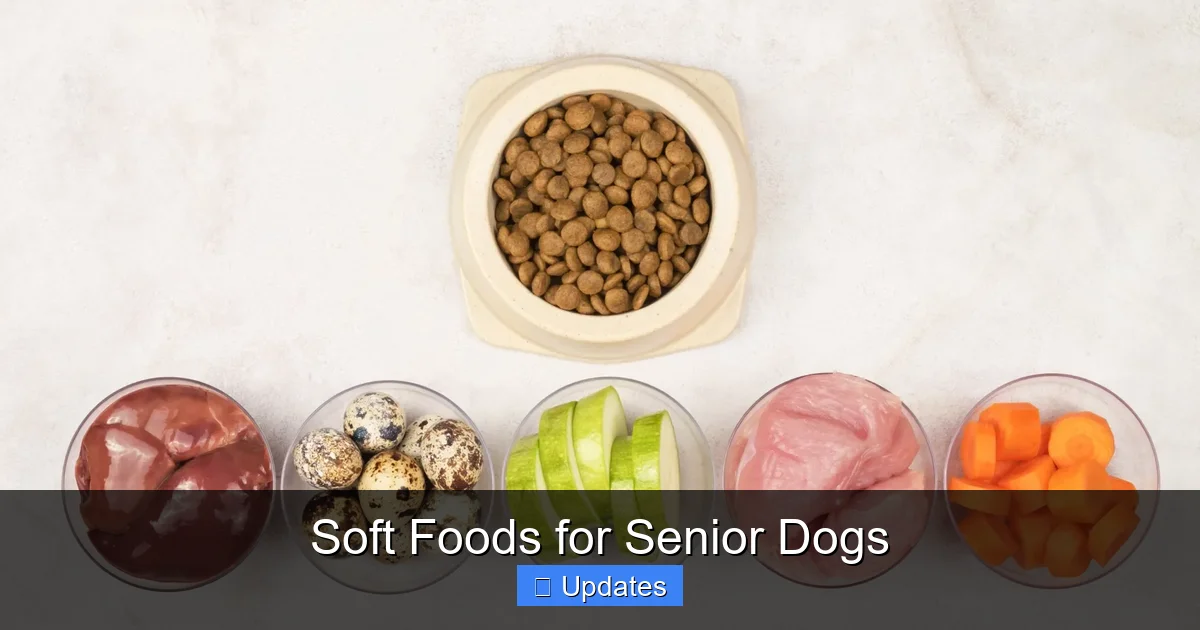
Visual guide about Soft Foods for Senior Dogs
Image source: blog.tryfi.com
Switching to soft food isn’t just a trend—it’s backed by real benefits that improve quality of life. Here’s what makes soft foods such a game-changer for aging pets:
Improved Digestibility
Senior dogs often have slower metabolisms and weaker enzyme production. Soft foods are easier to break down in the stomach and intestines, reducing the risk of indigestion, constipation, or diarrhea. Many commercial soft diets are pre-cooked or blended to perfection, ensuring nutrients are readily available.
Reduced Stress on Joints and Teeth
Hard kibble can cause micro-abrasions in sensitive gums or put extra strain on arthritic joints during eating. Soft foods eliminate this discomfort entirely. Dogs with dental implants or oral surgeries especially benefit from low-mastication diets that heal faster and hurt less.
Enhanced Nutrient Absorption
Because soft foods are already broken down, your dog’s body absorbs vitamins and minerals more efficiently. Ingredients like salmon oil, glucosamine, and antioxidants are particularly well-utilized when delivered in a digestible form.
Better Hydration Levels
Wet or stew-like textures contain 70–80% water compared to only 10% in dry kibble. This boost helps prevent dehydration, supports kidney health, and keeps skin supple—all common concerns in older dogs.
Increased Appetite Stimulation
The smell and taste of real meat, broth, and vegetables make soft foods irresistible. If your senior has lost interest in eating, adding warm water or low-sodium chicken broth can revive excitement around mealtime.
These advantages combine to create a healthier, happier dog—one who eats with ease and thrives on proper nutrition tailored to their needs.
Types of Soft Foods for Senior Dogs
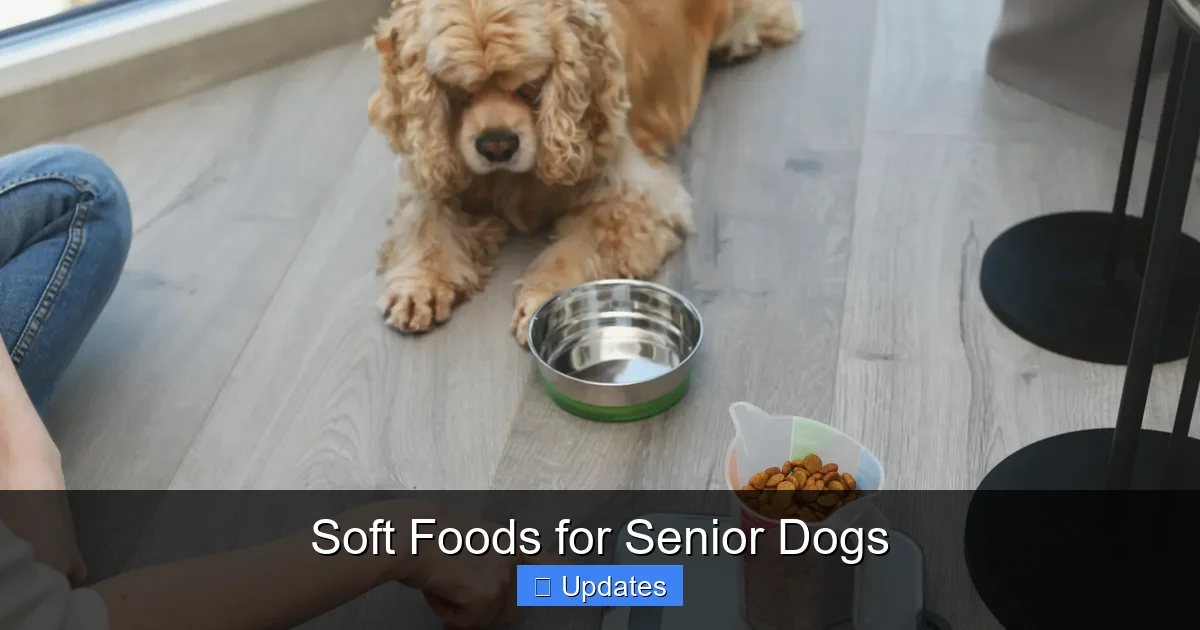
Visual guide about Soft Foods for Senior Dogs
Image source: blog.tryfi.com
Not all soft foods are created equal. Understanding the different forms available helps you pick the best fit for your pup’s lifestyle and health status.
Commercial Wet Dog Food
These are shelf-stable cans or pouches filled with savory stews, pâtés, or gravies. Brands like Blue Buffalo Senior Wet Food or Hill’s Science Diet Adult 7+ offer balanced formulas with added joint support. Look for products labeled “senior” or “mature adult,” which typically contain lower calories and more fiber to aid digestion.
Homemade Blended Meals
You can puree cooked chicken, sweet potato, carrots, and green beans in a food processor to create custom meals. Adding fish oil or bone broth enhances flavor and nutrition. Just ensure you consult your vet first—home-prepared diets must meet AAFCO standards to avoid deficiencies.
Paste-Based Diets
Some veterinary nutritionists recommend commercial pastes like Hills ID or Purina EN for dogs with severe dental issues. These thick, spoonable formulas deliver complete nutrition without any chewing required.
Soft-Moist Kibble Alternatives
Certain brands now offer softened kibble sold in resealable bags. Soaking standard dry food in warm water for 15 minutes turns it into a mash-like consistency ideal for seniors. This simple hack saves money while maintaining familiar flavors.
Each type has pros and cons depending on your dog’s specific situation. For example, canned food travels well but contains preservatives; homemade meals are fresher but time-intensive. The key is finding a balance between convenience and customization.
How to Choose the Best Soft Foods for Your Senior Dog
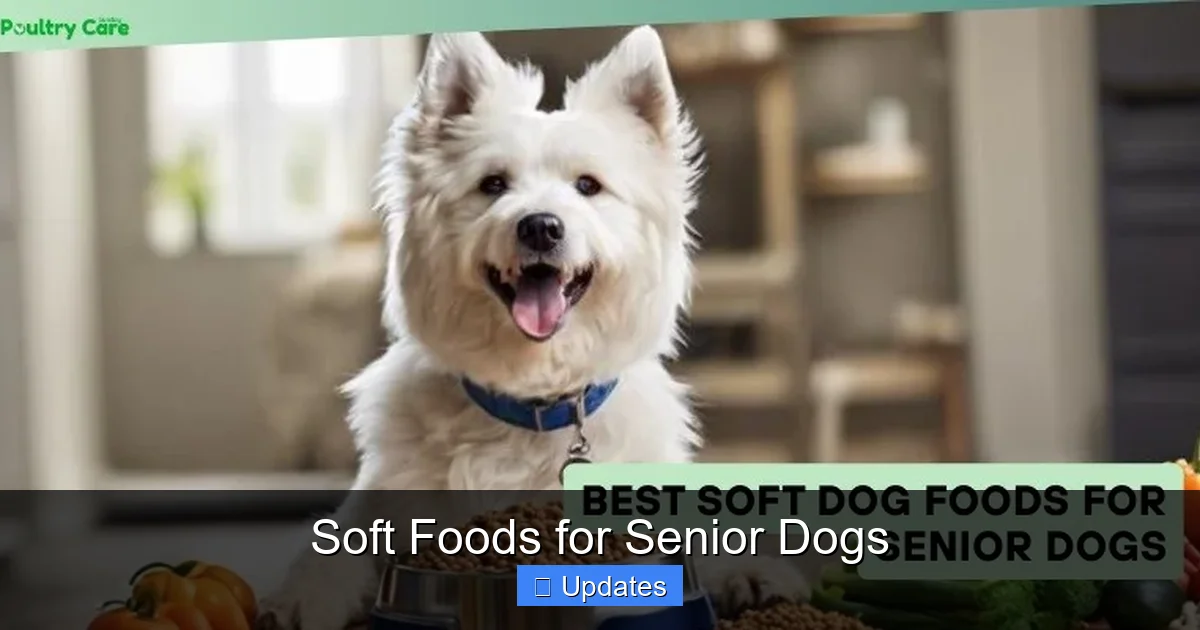
Visual guide about Soft Foods for Senior Dogs
Image source: poultrycaresunday.com
With so many options flooding the market, choosing the right soft food can feel overwhelming. Use these guidelines to narrow down your choices:
Check the Ingredient List
Avoid foods with excessive fillers like corn syrup, artificial colors, or vague terms such as “meat by-products.” Instead, prioritize meals featuring whole proteins (chicken, turkey), healthy fats (salmon oil), and recognizable veggies (pumpkin, spinach).
Look for Age-Appropriate Formulas
Not all wet foods are suitable for seniors. Opt for those specifically marketed for “mature adults” or “senior dogs,” which usually include taurine, L-carnitine, and omega fatty acids to support heart and brain health.
Consider Texture and Consistency
Some dogs prefer chunky broths with small bits of meat; others need smooth pâté. Test a few varieties to see what your dog enjoys most. Thicker consistencies stay in the mouth longer, aiding hydration.
Monitor Portion Sizes
Seniors burn fewer calories, so overfeeding leads to obesity and joint pain. Follow package guidelines and adjust based on your dog’s activity level. If you’re unsure, ask your vet for a personalized feeding schedule.
Introduce Gradually
Sudden changes cause stomach upset. Mix increasing amounts of new soft food with current diet over 7–10 days until fully transitioned. Watch for loose stools or refusal to eat, and backtrack if needed.
By paying attention to these details, you’ll find a soft food that keeps your senior dog nourished, hydrated, and eager to eat.
Homemade Soft Food Recipes for Senior Dogs
While commercial options are convenient, homemade soft meals give you full control over ingredients and portion sizes. Below are three vet-approved recipes perfect for seniors with sensitive stomachs or dental problems.
Chicken & Sweet Potato Puree
*Ingredients:*
– 1 lb boneless chicken breast (cooked)
– 1 large sweet potato (baked)
– ½ cup steamed carrots
– 1 tbsp olive oil
– 1 tsp fish oil
*Method:*
Boil chicken until tender, then shred. Bake sweet potato until soft. Steam carrots until mushy. Blend all ingredients until smooth. Serve lukewarm or at room temperature. Store in airtight containers for up to 3 days refrigerated.
Beef Broth Stew
*Ingredients:*
– 1 cup lean ground beef (cooked)
– 1 cup low-sodium beef broth
– ¼ cup mashed peas and green beans
– 1 tsp flaxseed meal
*Method:*
Brown beef in a pan, then add broth and simmer 20 minutes. Stir in vegetables and blend until creamy. Cool slightly before serving. Freeze portions in ice cube trays for easy defrosting.
Salmon & Quinoa Mash
*Ingredients:*
– 6 oz canned wild salmon (no bones)
– ½ cup cooked quinoa
– ¼ cup chopped zucchini
– 1 egg yolk (optional, for extra protein)
*Method:*
Flake salmon into small pieces. Cook quinoa per package instructions. Lightly steam zucchini. Combine all items and mash gently. Ideal for dogs needing omega-3 support.
Always introduce one recipe at a time and observe reactions. Avoid onions, garlic, grapes, raisins, and xylitol—toxic substances that can harm dogs regardless of age.
Common Mistakes to Avoid When Feeding Soft Foods
Even well-intentioned pet parents make errors when switching to soft diets. Steer clear of these pitfalls:
– **Over-reliance on treats:** While soft treats for senior dogs are great for training, they shouldn’t replace main meals. Too many calories lead to weight gain.
– **Ignoring dental care:** Soft food doesn’t clean teeth. Brush regularly or use vet-recommended chews to prevent plaque buildup.
– **Skipping vet checkups:** Regular dental exams catch problems early. If your dog resists eating, rule out underlying conditions like cancer or infections.
– **Using expired products:** Check expiration dates on canned or packaged soft foods. Mold or spoilage can cause illness.
– **Forgetting hydration:** Even with wet food, encourage drinking plain water. Dehydration defeats the purpose of moisture-rich meals.
By staying vigilant, you protect your senior’s health while maximizing the benefits of soft feeding.
When to Consult Your Veterinarian About Soft Foods
Soft foods aren’t always the answer—sometimes, underlying medical issues require specialized diets. Schedule an appointment if your dog shows signs of:
– Persistent vomiting or diarrhea after eating
– Sudden weight loss or gain
– Difficulty swallowing or drooling excessively
– Loss of appetite lasting more than 48 hours
– Oral swelling, bleeding, or foul breath
Your vet may recommend prescription soft foods like Royal Canin Senior or Hill’s Prescription Diet j/d. These are clinically tested to address conditions such as kidney disease, diabetes, or pancreatitis.
Also, discuss portion control and calorie needs. Overfeeding soft foods can accelerate obesity, counteracting their intended benefits. A professional assessment ensures your senior gets exactly what their body requires.
Remember: soft food is a tool, not a cure-all. Pair it with routine vet visits, gentle exercise, and plenty of love for the best results.
Making Mealtime Joyful Again
At the end of the day, feeding your senior dog should bring smiles—not stress. Soft foods remove barriers to eating, allowing your companion to enjoy meals without pain or frustration. Whether you choose store-bought pouches, homemade blends, or soaked kibble, the goal remains the same: nourish your dog with kindness and care.
Experiment with flavors, temperatures, and presentation. Some dogs prefer their food warm; others like it chilled. Add a sprinkle of freeze-dried liver for extra appeal. Most importantly, stay patient and consistent during transitions.
Your senior deserves every bit of comfort you can provide. With the right soft food choices, mealtimes become moments of connection, not conflict. And isn’t that what caring for our furry family members is really all about?
—
Frequently Asked Questions
Are soft foods good for senior dogs with bad teeth?
Absolutely. Soft foods eliminate the need for heavy chewing, making them ideal for dogs with dental pain, missing teeth, or recent oral surgery. They allow seniors to eat comfortably without aggravating existing issues.
Can I make soft food at home for my senior dog?
Yes, homemade soft meals using cooked meats, vegetables, and healthy fats are safe and nutritious—provided they meet your dog’s caloric and nutritional needs. Always consult your vet before starting a DIY diet.
How do I transition my senior dog to soft food?
Gradually mix increasing amounts of soft food with their current diet over 7–10 days. Start with a 25% replacement, then 50%, and finally 100%. Monitor stool consistency and appetite throughout the process.
Is wet food better than dry kibble for senior dogs?
Wet food offers superior hydration and easier digestion, which benefits most seniors. However, dry kibble can still work if softened with water or broth. The best approach depends on your dog’s individual needs.
Should I feed my senior dog soft treats every day?
Moderation is key. Soft treats for senior dogs are fine as occasional rewards, but they shouldn’t exceed 10% of total daily calories. Opt for low-fat, vet-approved options to avoid weight gain.
What ingredients should I avoid in soft foods for senior dogs?
Never use onions, garlic, chocolate, grapes, raisins, or artificial sweeteners like xylitol. These toxins can cause severe illness or death, even in small amounts.