
Low Income Senior Housing Palm Desert


Lightweight Aluminum Walker

Raised Toilet Seat

Portable Wheelchair
Finding low income senior housing in Palm Desert can provide peace of mind for older adults on fixed incomes. These communities offer more than just shelter—they deliver essential services, healthcare access, and social support. With rising costs and limited options, knowing where to look is key to securing dignified, affordable living.
Living in Palm Desert means enjoying year-round sunshine, scenic desert landscapes, and a vibrant senior-friendly community. But for many older adults, even the most beautiful retirement destination comes with a steep price tag. That’s where **low income senior housing in Palm Desert** becomes a lifeline.
Whether you’re retired on Social Security, receiving disability benefits, or managing chronic health conditions on a tight budget, finding affordable housing shouldn’t mean sacrificing comfort or care. Fortunately, Palm Desert and surrounding areas offer several pathways to secure, dignified, and supportive living environments designed specifically for seniors with limited financial resources.
In this guide, we’ll walk you through everything you need to know about accessing low income senior housing in Palm Desert—from eligibility rules and application tips to real-life examples and alternative solutions. By the end, you’ll feel confident navigating the system and finding a place that truly feels like home.
Key Takeaways
- Eligibility Requirements: Most low income senior housing programs require applicants to be 62 or older and meet strict income limits based on area median income (AMI).
- Financial Assistance Options: Programs like HUD Section 202 and LIHTC subsidies help cover rent for qualifying seniors, often reducing monthly costs to under $500.
- Location Benefits: Palm Desert offers mild weather, walkable neighborhoods, and nearby medical facilities—ideal for aging in place.
- Application Process: Waiting lists are common; starting early and gathering documents (ID, tax returns, proof of residency) speeds up approval.
- Support Services Included: Many complexes provide meals, transportation, wellness checks, and social activities tailored to seniors.
- Nonprofit & Government Partnerships: Local agencies like the Riverside County Housing Authority work with developers to expand affordable units.
- Alternative Options: If traditional housing is full, consider shared housing, assisted living rebates, or regional waitlist transfers.
📑 Table of Contents
- Understanding Low Income Senior Housing in Palm Desert
- Types of Low Income Senior Housing Available in Palm Desert
- How to Qualify for Low Income Senior Housing in Palm Desert
- The Application Process: Step-by-Step Guide
- Practical Tips for Finding Low Income Senior Housing in Palm Desert
- Cost Breakdown: What You’ll Actually Pay
- Life in Low Income Senior Housing: Real Experiences
- Alternatives When Traditional Housing Isn’t Available
Understanding Low Income Senior Housing in Palm Desert
The term “low income senior housing” refers to subsidized rental apartments built and operated for adults aged 62 and over who earn below a certain percentage of the local Area Median Income (AMI). In Palm Desert, as part of Riverside County, these programs are primarily funded by federal grants through the U.S. Department of Housing and Urban Development (HUD), state housing authorities, and nonprofit developers.
Unlike market-rate apartments or luxury retirement communities, low income senior housing prioritizes affordability, accessibility, and resident well-being. Units are typically one- or two-bedroom layouts with kitchenettes, private bathrooms, heating/cooling systems, and emergency call buttons. Many also include communal spaces for dining, recreation, and health services.
What makes Palm Desert particularly attractive? Its proximity to top-rated hospitals like Eisenhower Medical Center, its walkable downtown district, and its climate-controlled environment reduce stress on aging bodies. Plus, being in Southern California opens doors to cultural events, golf courses, and family visits from across the country.
However, demand far exceeds supply. There are currently only a handful of dedicated low income senior housing complexes in Palm Desert proper, with long waiting periods—sometimes over three years. This scarcity underscores why planning ahead and exploring all available avenues is so important.
Types of Low Income Senior Housing Available in Palm Desert
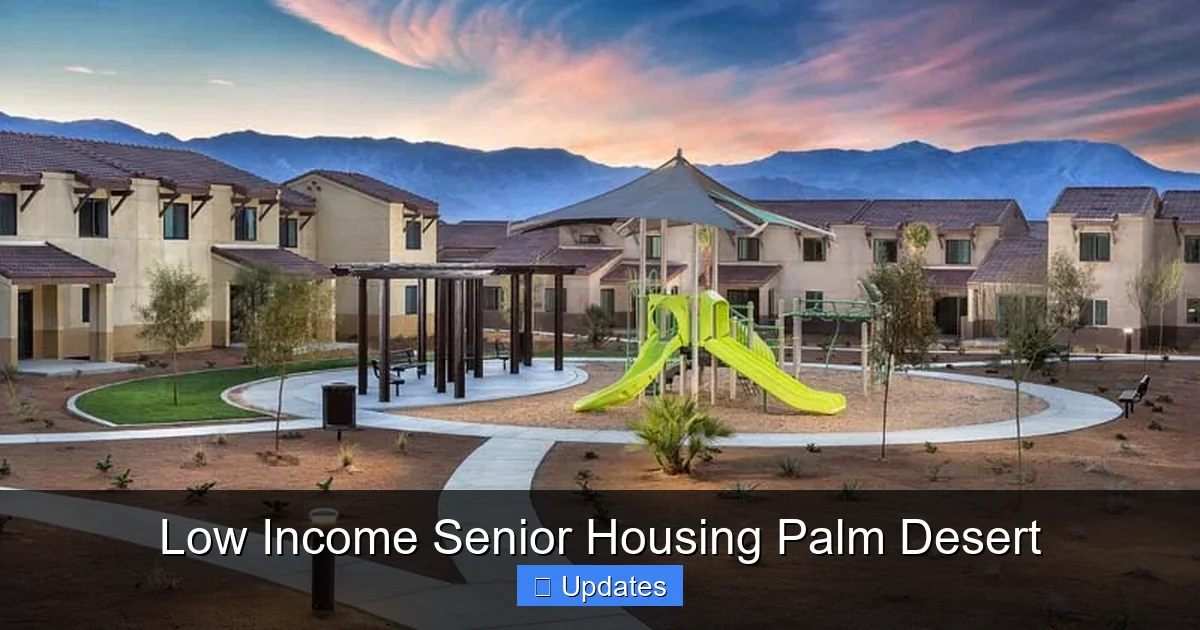
Visual guide about Low Income Senior Housing Palm Desert
Image source: lowincomehousing.us
Not all affordable senior housing looks the same. In Palm Desert, you’ll encounter several types of subsidized housing models, each with unique features:
1. HUD-Assisted Senior Apartments
Funded directly by HUD, these properties receive operating subsidies that allow owners to keep rents low. Residents pay 30% of their adjusted gross income toward rent, and the rest is covered by federal funds. Examples near Palm Desert include complexes managed by nonprofit groups like Senior Resource Alliance or Catholic Charities.
2. Project-Based Section 8 Vouchers for Seniors
While most Section 8 vouchers go to families, some are reserved for seniors. If you qualify, you can use your voucher at participating Palm Desert properties—though availability is rare and highly competitive.
3. Low-Income Housing Tax Credit (LIHTC) Properties
Developed using tax incentives, LIHTC projects make up the bulk of new affordable housing nationwide. In California, these are often called “workforce housing” but welcome seniors earning up to 50–60% AMI. One such option is The Palms at Desert Willow, which blends modern design with senior-focused amenities.
4. Congregate Housing with Supportive Services
Some complexes go beyond basic shelter by offering daily meals, housekeeping, transportation to medical appointments, and on-site nurses. These are ideal for those needing extra assistance but wanting to remain independent. While fewer exist in Palm Desert itself, nearby cities like Rancho Mirage or Palm Springs may have better options.
5. Shared Housing Cooperatives
If traditional apartments aren’t available, consider shared housing—a cost-effective alternative where two or more seniors split rent and utilities. Groups can form cooperatives through organizations like Co-Housing Network of Southern California, pooling resources while maintaining privacy.
Each type has its own application process, wait times, and service levels. Understanding your needs (e.g.,是否需要医疗支持?) will help narrow your search.
How to Qualify for Low Income Senior Housing in Palm Desert
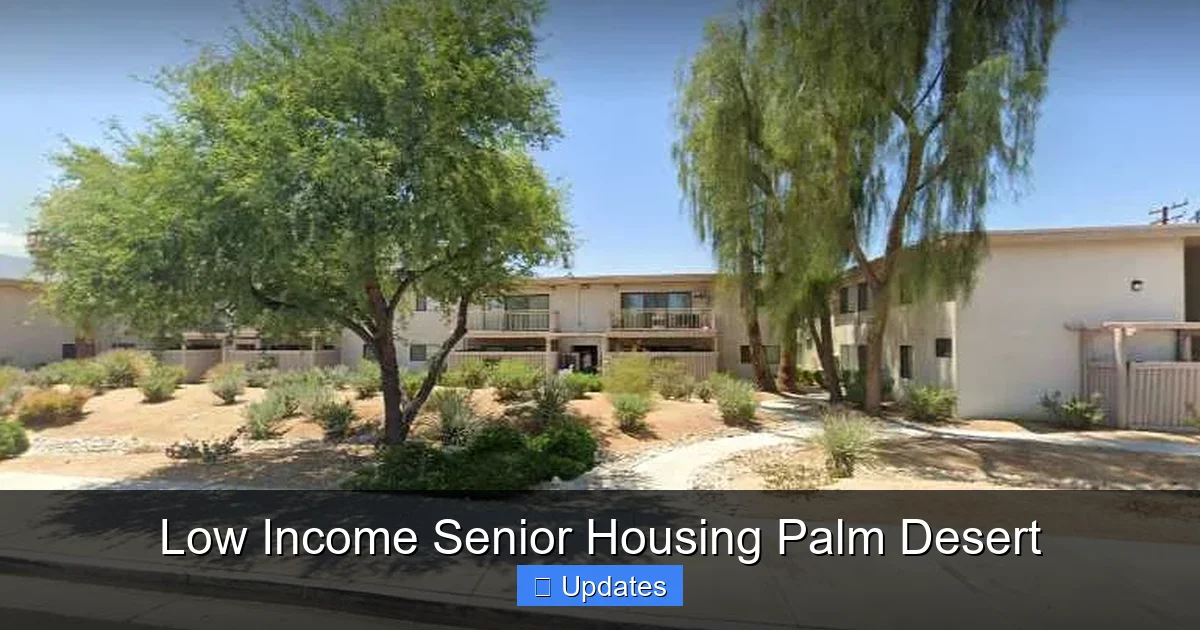
Visual guide about Low Income Senior Housing Palm Desert
Image source: lowincomehousing.us
Eligibility hinges on three main factors: age, income, and residency.
Age Requirement
All programs require applicants to be at least 62 years old. Some may accept younger residents with disabilities, but priority goes to those meeting the standard threshold.
Income Limits
For 2024, the maximum annual income for a single person in Palm Desert is around $47,000 (based on 50% AMI). A couple could earn up to $54,000. Documentation needed includes:
– Recent pay stubs or benefit statements (Social Security, SSI, pension)
– Tax return transcripts
– Bank statements showing consistent income
Note: Assets like savings accounts or investment portfolios count toward eligibility unless they’re retirement funds or life insurance policies.
Residency Proof
You must show intent to live in California long-term. Acceptable documents include:
– Driver’s license or ID card
– Utility bill dated within the last 90 days
– Lease agreement (if applicable)
Background Checks
Most landlords perform criminal background checks and verify landlord references. Past evictions or serious lease violations may disqualify you—but minor infractions won’t necessarily bar entry.
Pro tip: Contact the Riverside County Housing Authority early. They maintain centralized waitlists and notify applicants when units open.
The Application Process: Step-by-Step Guide
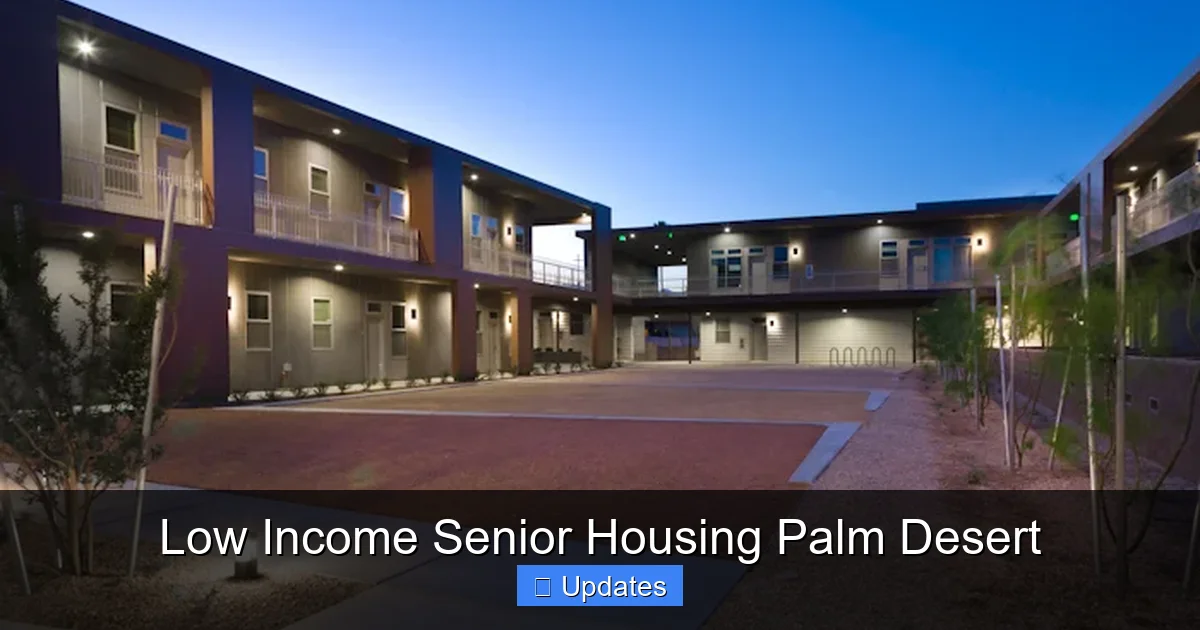
Visual guide about Low Income Senior Housing Palm Desert
Image source: lowincomehousing.us
Getting onto a waitlist isn’t instant. Follow these steps carefully:
Step 1: Gather Required Documents
Before applying, collect:
– Birth certificate or passport
– Social Security cards for all household members
– Two months of bank statements
– Current lease or mortgage statement
– Medical records (for disability-based exceptions)
Step 2: Submit Your Application
Applications are usually online or via mail. For Palm Desert-specific properties, visit:
– Local Habitat for Humanity affiliates
– Senior Resource Alliance
– Directly with property managers (e.g., Desert View Senior Apartments)
Step 3: Wait for Notification
Waitlist times vary from 6 months to 3+ years. You’ll receive an email or letter when your name reaches the top. Act quickly—you’ll have 72 hours to respond.
Step 4: Attend an Interview
Expect a brief interview covering your living situation, support needs, and emergency contacts. Be honest about challenges; staff are there to help, not judge.
Step 5: Sign the Lease & Move In
Final paperwork includes signing a lease agreeing to community rules (quiet hours, guest policies, etc.). Move-in fees (typically $100–$300) cover security deposits and first month’s rent.
Remember: If you miss any deadlines during the process, you lose your spot and must reapply.
Practical Tips for Finding Low Income Senior Housing in Palm Desert
Searching alone can be overwhelming. Try these strategies:
Start Early and Stay Organized
Create a binder or digital folder labeled “Palm Desert Housing.” Track:
– Application dates
– Waitlist numbers
– Contact info for agencies
– Document copies
Network with Community Centers
Places like the Palm Desert Senior Center host workshops on housing applications. Volunteers often know about hidden vacancies or fast-track opportunities.
Check Multiple Sources
Don’t rely on just one website. Cross-reference:
– HUD’s Housing Choice Voucher page
– California Housing Finance Agency (CHFA)
– Local newspapers’ classified ads
Consider Nearby Areas
If Palm Desert options are full, expand to:
– Cathedral City (closer to major highways)
– Indio (more agricultural workforce housing)
– Palm Springs (higher-end but occasionally has openings)
Ask About Fast-Track Waivers
Some agencies offer expedited processing for veterans, domestic violence survivors, or those facing homelessness.
Volunteer to Help Others Apply
Many seniors struggle with technology. Offering to assist neighbors with applications builds goodwill—and sometimes leads to referrals!
Cost Breakdown: What You’ll Actually Pay
Despite the term “low income,” costs still matter. Here’s a realistic picture:
| Expense Type | Typical Range |
|————–|—————|
| Monthly Rent | $200–$600 |
| Utilities (if not included) | $50–$150 |
| Meals (if congregate housing) | $15–$25/day |
| Transportation Passes | $20–$40/month |
Most residents spend less than $400 monthly on housing alone. Utilities are rarely included, so budget accordingly. Some properties bundle Wi-Fi or cable into rent—ask during tours.
Financing gaps? Check if your state offers utility assistance through CalCAP or LIHEAP.
Life in Low Income Senior Housing: Real Experiences
Meet Eleanor, 74, who moved into The Oasis at Desert Bloom last year after her fixed income couldn’t keep up with rising rents.
“I was terrified I’d end up in my car,” she says. “But here, I pay $380 a month including water. Nurses check in weekly, and there’s always someone to talk to. My arthritis acts up, but the shuttle runs to Eisenhower Medical twice a week—no more Uber bills!”
Then there’s James, 68, who joined a shared housing group through a local faith-based organization. “We split rent and cook together,” he explains. “It’s cheaper, healthier, and we don’t feel lonely. Plus, we take weekend trips to Joshua Tree!”
Stories like theirs highlight how **low income senior housing in Palm Desert** isn’t just about saving money—it’s about preserving dignity, connection, and independence.
Alternatives When Traditional Housing Isn’t Available
What if you’re stuck on a years-long waitlist?
1. Expand Your Geographic Search
Look into affordable options in neighboring counties. Sometimes commuting 30–45 minutes is worth it for stability.
2. Explore State-Specific Programs
California’s Homekey initiative converts hotels into permanent housing. New openings appear monthly—monitor CA Housing Search.
3. Consider Transitional Housing
Temporary shelters with case management can bridge gaps while you wait. Places like St. Vincent de Paul Society offer 6-month stays plus job training.
4. Leverage Family Support
If relatives live nearby, ask about co-signing or helping cover rent until you secure subsidized housing.
5. Advocate for Change
Join coalitions like California Coalition for Rural Housing. Policy shifts happen faster when voices unite.
—
Remember: Scams targeting desperate seniors are real. Never pay upfront fees to “guarantee” placement. Legitimate programs never charge application fees.
Frequently Asked Questions
What is the average wait time for low income senior housing in Palm Desert?
Waiting periods typically range from 18 months to over 3 years, depending on the property and income level. Starting your application as soon as possible increases your chances of securing a unit sooner.
Can I apply for low income senior housing if I have a roommate?
Yes, but both individuals must meet age requirements and be listed as household members on the application. Income and asset limits apply to the entire household, so adding a roommate may affect eligibility.
Are pets allowed in low income senior housing?
Pet policies vary by property. Many allow small dogs or cats with breed/size restrictions and require renters’ insurance. Always ask during the application process—some complexes even offer pet-friendly units!
Does low income senior housing in Palm Desert include meal services?
Not all do, but congregate housing models often provide breakfast and dinner. These meals are usually included in rent or sold à la carte. Check with individual properties for specific offerings.
Can I bring my adult child to live with me?
Generally no—most programs restrict occupancy to seniors only. Exceptions exist for disabled dependents, but you’ll need documentation proving the relationship and dependency.
Is transportation provided to medical appointments?
Many complexes partner with local transit agencies or volunteer networks for free/low-cost rides. Ask about scheduled shuttles or discounted passes when touring properties.