
Low Income Senior Housing in Douglasville Ga


Jar Opener for Weak Hands

Smart Doorbell Camera

Button Hook Dressing Aid
Finding low income senior housing in Douglasville, GA can be a game-changer for older adults on a fixed budget. These communities offer more than just a roof—they provide safety, community, and access to vital services. With rising living costs, many seniors struggle to afford quality housing, making subsidized options not just helpful, but essential. This guide walks you through everything you need to know: from eligibility rules to available properties, financial aid, and support services. Whether you’re planning ahead or facing an urgent need, we’ve got practical tips and real-world examples to help you navigate the process with confidence and peace of mind.
If you’re a senior living in or near Douglasville, Georgia, and worried about how to afford safe, comfortable housing, you’re not alone. Many older adults face mounting challenges—rising rent, medical expenses, and shrinking retirement funds—making it harder to maintain independence. That’s where low income senior housing in Douglasville, GA comes into play. These specially designed communities are built to meet the unique needs of older adults while keeping monthly costs manageable through government subsidies and nonprofit support.
But what exactly qualifies as “low income senior housing”? And how do you find a place that fits your lifestyle, budget, and health needs? In this comprehensive guide, we’ll walk you through every step—from understanding eligibility to touring available properties and accessing additional benefits. Whether you’re currently renting or thinking long-term, we want you to feel confident and informed.
Let’s start by exploring the types of housing available, then dive into how to qualify, where to look, and what resources can make all the difference.
Key Takeaways
- Douglasville offers several subsidized senior housing options through federal and state programs like Section 202 and HUD-assisted units.
- Eligibility is based on income and age (62+), with preferences often given to very low-income households.
- Waiting lists are common, so it’s wise to apply early and stay informed about openings.
- Additional support services such as meal delivery, transportation, and health screenings may be available on-site.
- Local nonprofits and agencies like Cobb County Office on Aging can help with applications and referrals.
- Pet-friendly policies and accessibility features are increasingly common in modern senior housing designs.
- Exploring nearby cities like Atlanta or Marietta can expand your search if Douglasville options are limited.
📑 Table of Contents
- What Is Low Income Senior Housing?
- Types of Low Income Senior Housing in Douglasville, GA
- How to Qualify for Low Income Senior Housing in Douglasville, GA
- Understanding Waiting Lists and Application Tips
- Available Low Income Senior Housing Options in Douglasville and Surrounding Areas
- Financial Assistance Beyond Rent Subsidies
- Accessing Support Services and Community Resources
- Tips for Choosing the Right Community
- Planning Ahead: Why Early Research Matters
- Conclusion: You Deserve Dignified, Affordable Housing
What Is Low Income Senior Housing?
Low income senior housing refers to residential communities specifically designed for adults aged 62 and older who meet strict income guidelines. These properties are typically funded through partnerships between the U.S. Department of Housing and Urban Development (HUD), private developers, and nonprofit organizations. The goal is to ensure that older adults don’t have to choose between paying rent, buying groceries, or covering medical bills.
Unlike standard apartments, these communities often include extra amenities tailored to aging in place—such as grab bars in bathrooms, emergency call systems, wheelchair accessibility, and communal dining areas. Some even offer on-site healthcare coordination or wellness programs.
In Douglasville, GA, you’ll find a mix of independent living, assisted living, and supportive housing models. While some residents live completely independently, others receive help with daily tasks like meal preparation, medication management, or transportation. All share one thing in common: affordability rooted in income-based subsidies.
Types of Low Income Senior Housing in Douglasville, GA
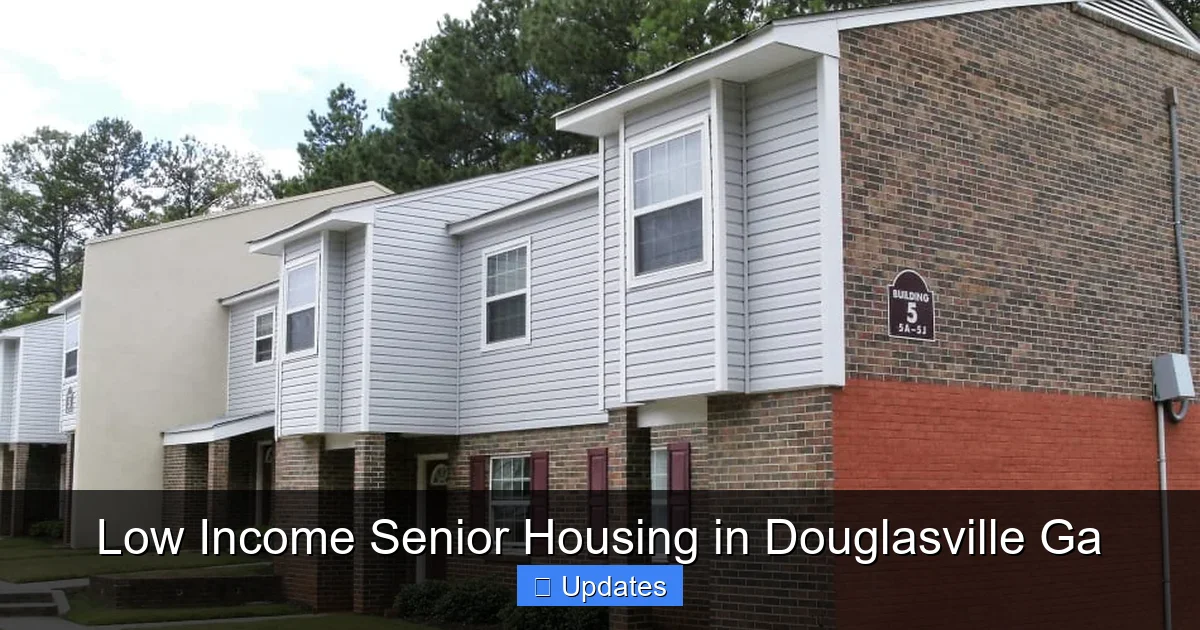
Visual guide about Low Income Senior Housing in Douglasville Ga
Image source: lowincomehousing.us
Douglasville doesn’t have a massive concentration of large-scale senior housing developments like major metropolitan areas, but there are meaningful options available. Here’s a breakdown of the main types you might encounter:
Independent Living Communities
These are ideal for active seniors who still manage their own lives but want the security of being in a peer-only environment. Units usually include one- or two-bedroom layouts with kitchenettes, and residents pay monthly rent that covers utilities, maintenance, and some social activities. Many of these are part of larger HUD-funded projects.
Assisted Living Facilities (ALFs)
For those needing a bit more help with daily activities—like bathing, dressing, or managing medications—assisted living may be the right fit. Staff are on-site during waking hours to provide support, and meals are often included. These facilities sometimes operate under HUD Section 202 agreements, which cap rents based on income.
Supportive Housing Programs
Some properties combine affordable housing with wraparound services such as case management, mental health counseling, or chronic disease education. These are especially valuable for seniors dealing with mobility issues, cognitive decline, or chronic conditions like diabetes or heart disease.
Nonprofit and Faith-Based Developments
Organizations like Habitat for Humanity or local churches may sponsor small-scale senior homes. While less common in Douglasville, they do exist and often prioritize veterans or individuals with disabilities.
It’s worth noting that while Douglasville itself has limited inventory compared to Atlanta, neighboring counties like Cobb and Fulton offer expanded choices—and many seniors successfully relocate short distances for better opportunities.
How to Qualify for Low Income Senior Housing in Douglasville, GA
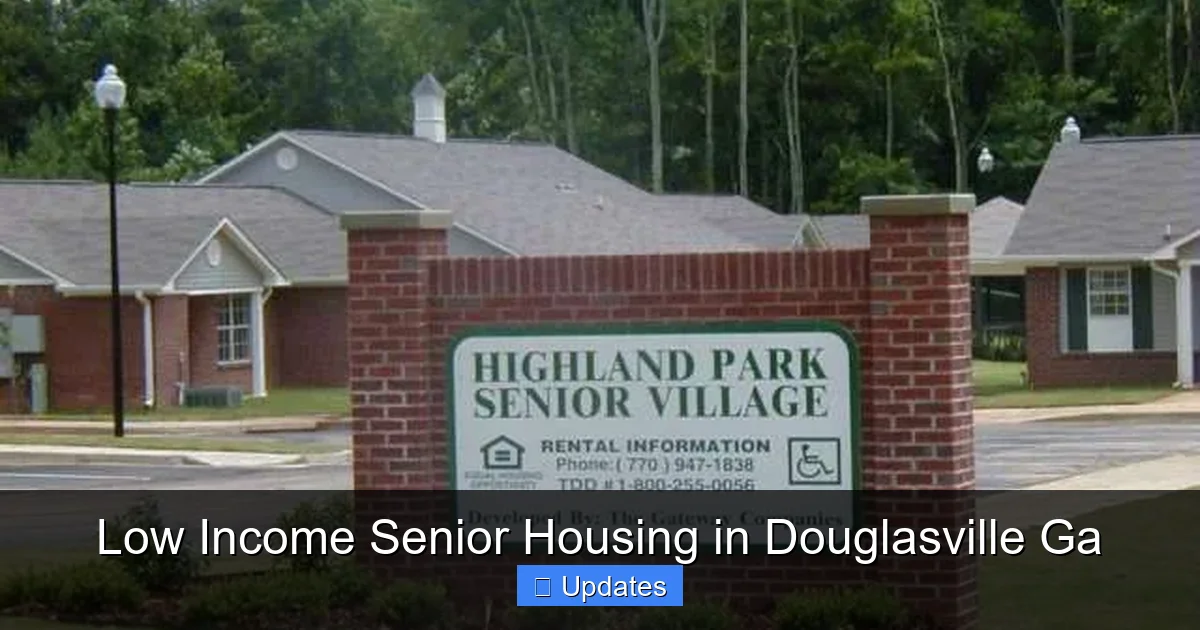
Visual guide about Low Income Senior Housing in Douglasville Ga
Image source: lowincomehousing.us
The good news? You don’t need perfect credit or a high-paying job to qualify. Instead, eligibility hinges on two main factors: age and income.
Most programs require applicants to be at least 62 years old. Some exceptions exist for younger adults with qualifying disabilities, but the majority of units are reserved for older adults.
Income limits vary by program and household size. For example, under HUD guidelines, a single person must earn no more than 50% of the area median income (AMI) to qualify for “very low income” status. In Douglasville, that’s roughly $38,000 per year for one person (as of 2024 estimates). Larger households have slightly higher thresholds.
To apply, you’ll typically need:
– Proof of age (birth certificate or driver’s license)
– Recent tax returns or Social Security statements showing income
– Bank statements (if self-employed)
– Documentation of any disability or medical condition (for priority consideration)
Once your application is submitted, it gets placed on a waiting list—which brings us to our next point…
Understanding Waiting Lists and Application Tips
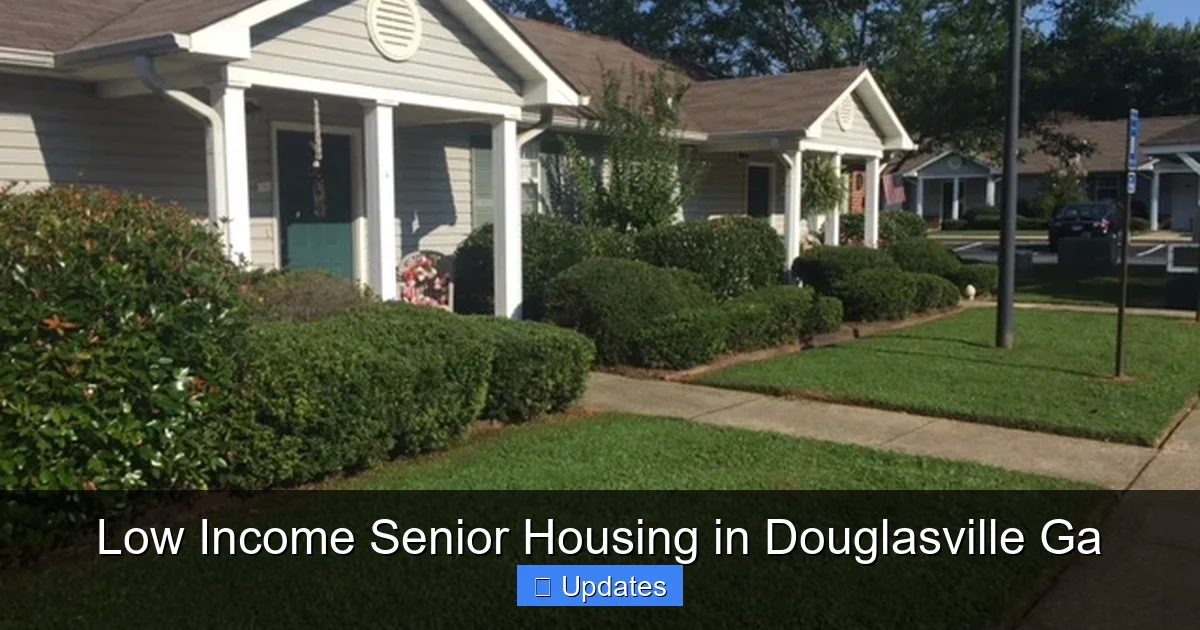
Visual guide about Low Income Senior Housing in Douglasville Ga
Image source: s3.amazonaws.com
Unfortunately, demand for low income senior housing in Douglasville, GA often outstrips supply. Waiting times can range from six months to several years, depending on availability and how urgently you need assistance.
So what can you do while you wait? Start now! Don’t assume you’ll get a unit “when it’s your turn.” Many applicants never follow up after submitting paperwork, missing out on sudden vacancies.
Here are three smart strategies:
1. **Apply to multiple properties**: Even if one seems like the perfect match, submit applications everywhere you’d accept.
2. **Stay engaged**: Call monthly to check your status. Ask if anyone has moved out recently.
3. **Be flexible**: Consider smaller units, shared housing, or nearby locations outside Douglasville proper.
Also, keep an eye out for special admissions windows. Some nonprofits reserve spots for veterans, survivors of domestic violence, or people exiting nursing homes.
Pro tip: Partner with local aging services. The Cobb County Office on Aging maintains an updated list of available units and can fast-track eligible applicants.
Available Low Income Senior Housing Options in Douglasville and Surrounding Areas
While Douglasville doesn’t boast a dense cluster of senior housing complexes, here are some verified options you should explore:
Heritage Park at Douglas Village
Located just east of downtown, this 60-unit HUD-subsidized development offers one- and two-bedroom apartments for seniors 62+. Rent is calculated as 30% of gross monthly income, ensuring affordability. On-site services include weekly housekeeping, group exercise classes, and transportation to medical appointments.
Cobb County Housing Authority – Senior Residences
Through its partnership with HUD, Cobb County manages several scattered-site senior apartments across the county, including parts of Douglasville. Units feature energy-efficient appliances, emergency alert systems, and community gardens. Priority goes to elderly residents with incomes below 60% AMI.
Atlanta Regional Commission’s Choice Neighborhood Initiative
Though technically in Atlanta, this program occasionally opens units in adjacent Douglasville neighborhoods. It focuses on revitalizing aging public housing and adding supportive services like job training and nutrition education.
Faith-Based Opportunities (FBO)
Groups like Episcopal Community Services operate small congregate housing sites. They emphasize spiritual support alongside physical care, offering chapel services, Bible studies, and volunteer-led companionship programs.
Remember: Availability changes frequently. Always confirm current occupancy before visiting.
Financial Assistance Beyond Rent Subsidies
Rent help is only part of the picture. Many seniors discover that accessing additional financial aid makes a huge difference in overall stability.
Supplemental Nutrition Assistance Program (SNAP)
If food costs worry you, SNAP can stretch your grocery budget significantly. Douglasville residents 60+ can apply online or at the Cobb County Department of Family and Children Services.
Home Energy Assistance Program (HEAP)
HEAP helps cover winter heating bills. Eligibility is income-based, and the application window usually opens in October each year.
Veterans Aid and Attendance Benefits
If you served in the military, you may qualify for extra pension payments to offset housing costs. Contact the Georgia Department of Veterans Service for details.
Property Tax Relief for Seniors
Georgia law allows homeowners 62+ to freeze their property tax assessment at age 62—preventing spikes when values rise. Apply through your county tax assessor’s office.
Combining these supports with low income senior housing creates a strong foundation for financial peace of mind.
Accessing Support Services and Community Resources
Living in affordable senior housing isn’t just about shelter—it’s about thriving. Fortunately, Douglasville and Cobb County offer robust networks to help you stay healthy, connected, and independent.
Transportation Options
Many housing providers partner with CobbLinc for discounted senior transit passes. Ride-share vouchers are also available through the Area Agency on Aging.
Meal Delivery Programs
Meals on Wheels delivers hot lunches five days a week to homebound seniors. Volunteers also check in on your well-being.
Health Screenings and Clinics
Free flu shots, blood pressure checks, and vision tests are offered quarterly at local community centers.
Social Activities
From bingo nights to gardening clubs, most properties host regular events designed to reduce isolation.
Don’t hesitate to ask staff about available resources—they’re trained to connect you with everything from legal aid to hair styling services.
Tips for Choosing the Right Community
With so many factors at play, choosing where to live can feel overwhelming. Use this checklist to guide your decision:
– Visit at different times of day to gauge noise levels and neighbor interactions
– Ask about pet policies—many welcome small dogs or cats
– Confirm emergency response protocols and staff-to-resident ratios
– Check proximity to pharmacies, hospitals, and family members
– Review lease terms carefully; some prohibit subletting or renovations
Talk to current residents whenever possible. Their honest feedback often reveals details not listed online.
And remember: It’s okay to tour multiple places before deciding. Your comfort and safety matter most.
Planning Ahead: Why Early Research Matters
You might think, “I’m fine for now—why worry about housing later?” But delaying research leads to rushed decisions, missed opportunities, and unnecessary stress. By learning about low income senior housing in Douglasville, GA today, you give yourself time to compare options, gather documents, and possibly relocate sooner rather than later.
Plus, new funding rounds happen periodically—and those who applied early are far more likely to secure a spot.
Consider setting calendar reminders every quarter to re-evaluate your situation. Needs change over time, and staying proactive keeps you ahead of the curve.
Conclusion: You Deserve Dignified, Affordable Housing
No one should have to sacrifice safety, dignity, or comfort simply because they’re living on a fixed income. Thanks to dedicated programs and compassionate organizations, affordable senior housing exists right here in Douglasville—and beyond.
Whether you’re seeking independence, companionship, or hands-on care, there’s a path forward. Start by reaching out to Cobb County’s aging services team, touring available properties, and applying early. With persistence and support, you can build a stable, fulfilling chapter in your life—without breaking the bank.
This isn’t just about finding a place to sleep. It’s about finding a place to belong, grow, and thrive. And that makes all the difference.
Frequently Asked Questions
What age qualifies for low income senior housing in Douglasville, GA?
Applicants must generally be 62 years or older. Some programs may consider younger individuals with qualifying disabilities. Age verification is required during application.
Are pets allowed in low income senior housing?
Many modern properties allow small pets—especially cats and dogs under 25 pounds. Policies vary by building, so always ask during tours. Some even offer pet care workshops or outdoor green spaces.
How long do waiting lists take for senior housing?
Wait times range from 6 months to 3+ years depending on availability and demand. Staying engaged with property managers and applying to multiple locations increases your chances of faster placement.
Can I visit properties before moving in?
Yes! Most offer open houses or scheduled tours. Bring a friend or family member for support, and prepare a list of questions about amenities, rules, and resident satisfaction.
Is there help with utilities in these housing programs?
Utilities are often included in rent for HUD-subsidized units. However, some newer developments charge separately, so clarify billing details upfront to avoid surprises.
What if my income increases after moving in?
Rent adjustments are rare but possible if your income rises significantly. Programs typically reassess annually, and you’ll only pay what you can afford based on current earnings.
