
Low Income Senior Housing Hot Springs Arkansas


Memory Foam Seat Cushion

Orthopedic Sandals

Bedside Commode Chair
Finding low income senior housing in Hot Springs, Arkansas can be a lifeline for older adults on fixed budgets. With programs like Section 202 Supportive Housing and state-funded options, seniors gain access to safe, affordable, and supportive living environments. This guide walks you through everything you need—from eligibility rules to application tips and community resources—so you or your loved one can make informed decisions about housing that fits both needs and means.
Key Takeaways
- Affordable Options Exist: Hot Springs offers several subsidized senior housing programs designed specifically for low-income residents aged 62 and older.
- Eligibility Matters: Income limits, age requirements, and residency status all play key roles in qualifying for these housing programs.
- Support Services Included: Many facilities provide meals, transportation, healthcare coordination, and social activities as part of the package.
- Application Process Can Be Lengthy: Waiting lists are common, so starting early and staying proactive increases your chances of securing a spot.
- Local Resources Help: Organizations like the Area Agency on Aging and United Way offer guidance and referrals to available housing.
- Homeownership Alternatives: Programs like reverse mortgages may allow seniors to stay in their own homes while accessing funds for maintenance or care.
- Quality Varies by Facility: Always visit multiple properties, ask about resident satisfaction, and verify amenities before applying.
Living on a fixed income as a senior can be tough—especially when rising costs eat into essentials like food, medicine, and shelter. For many older adults in Arkansas, finding truly affordable housing isn’t just convenient; it’s essential to maintaining independence and dignity. In cities like Hot Springs, Arkansas, where retirees often flock for its natural hot springs and slower pace of life, there’s growing demand for low-income senior housing that doesn’t compromise comfort or safety.
But here’s the good news: you don’t have to navigate this alone. Whether you’re looking for an apartment, a retirement community, or even help staying in your current home, there are real options tailored to seniors with limited financial resources. From federally funded projects to local nonprofit partnerships, Arkansas has built-in systems to support its aging population. The challenge? Knowing where to look, how to qualify, and what to expect during the application process.
That’s exactly why we put together this complete guide to low income senior housing in Hot Springs, Arkansas. We’ll walk you through every step—what programs exist, who qualifies, how long waits might be, and where to get personalized help. By the end, you’ll feel confident about your next steps toward secure, affordable, and supportive senior housing.
Key Takeaways
- Understanding low income senior housing hot springs arkansas: Provides essential knowledge
📑 Table of Contents
Understanding Low Income Senior Housing in Hot Springs
When we talk about “low income senior housing,” we’re usually referring to government-subsidized or non-profit-run residences designed specifically for adults aged 62 and up. These aren’t just cheaper apartments—they’re built with seniors’ needs in mind. That means things like grab bars in bathrooms, emergency call systems, accessible entrances, and proximity to medical services.
In Hot Springs, the landscape includes both independent living communities and assisted living facilities (though true assisted living is more expensive). Most affordable options fall under two main categories:
– **Publicly Funded Housing**: Operated by HUD (U.S. Department of Housing and Urban Development) or state agencies.
– **Nonprofit & Faith-Based Communities**: Run by charities or religious organizations offering sliding-scale rents.
What makes Hot Springs unique is its blend of natural beauty and community-focused services. Many facilities take advantage of the city’s mild climate and scenic surroundings to offer outdoor recreation, wellness programs, and even therapeutic spa-like amenities at reduced rates. Plus, because it’s not a major metropolitan hub like Little Rock or Fayetteville, overhead costs tend to be lower—which translates into more affordable rent for residents.
However, affordability alone doesn’t tell the whole story. You also want safety, cleanliness, staff responsiveness, and a sense of belonging. That’s why researching each property thoroughly matters so much.
Types of Affordable Senior Housing Available
Not all senior housing looks the same—and neither should your choices. Here’s a quick breakdown of what’s typically offered in Hot Springs:
**Independent Living Communities**: Ideal if you’re active and don’t need daily help with bathing or medication. Rent covers utilities, meals (sometimes), housekeeping, and access to communal spaces like libraries or game rooms.
**Assisted Living Facilities**: For those needing occasional assistance with daily tasks. These cost more than independent living but less than nursing homes. Subsidies may cover part of the expense.
**HUD-Section 202 Projects**: Federally funded developments with strict income caps. Residents pay 30% of their adjusted gross income toward rent, regardless of market rate.
**Rural Development Housing**: Administered by USDA, this program helps rural seniors access safe, decent housing—even if they don’t live in officially designated rural zones.
Each type comes with different rules, wait times, and benefits. Some require proof of Arkansas residency; others prioritize veterans or disabled individuals.
Who Qualifies for Low Income Senior Housing?
Eligibility hinges on three main factors: income level, household size, and sometimes disability status. Let’s break them down.
**Income Limits**: HUD sets annual thresholds based on family size. For example, in 2024, a one-person household in Hot Springs must earn **no more than $38,750** to qualify for most subsidized units. Two people? The cap jumps to around $44,250. These numbers adjust yearly for inflation.
**Age Requirement**: Generally, applicants must be **at least 62 years old**. Some exceptions exist for younger adults with disabilities.
**Residency**: You usually need to prove you’ve lived in Arkansas for a certain period—often six months—to apply for state-specific programs.
It’s important to note that “low income” doesn’t mean destitute. Even someone making $20,000/year could qualify, depending on household composition and program rules. But exceeding the income limit disqualifies you—even by $1.
Also, assets count! While primary savings accounts aren’t always included, things like second cars, vacation homes, or investment portfolios can affect eligibility. Again, each program handles this differently, so check specifics upfront.
Top Low Income Senior Housing Options in Hot Springs, AR
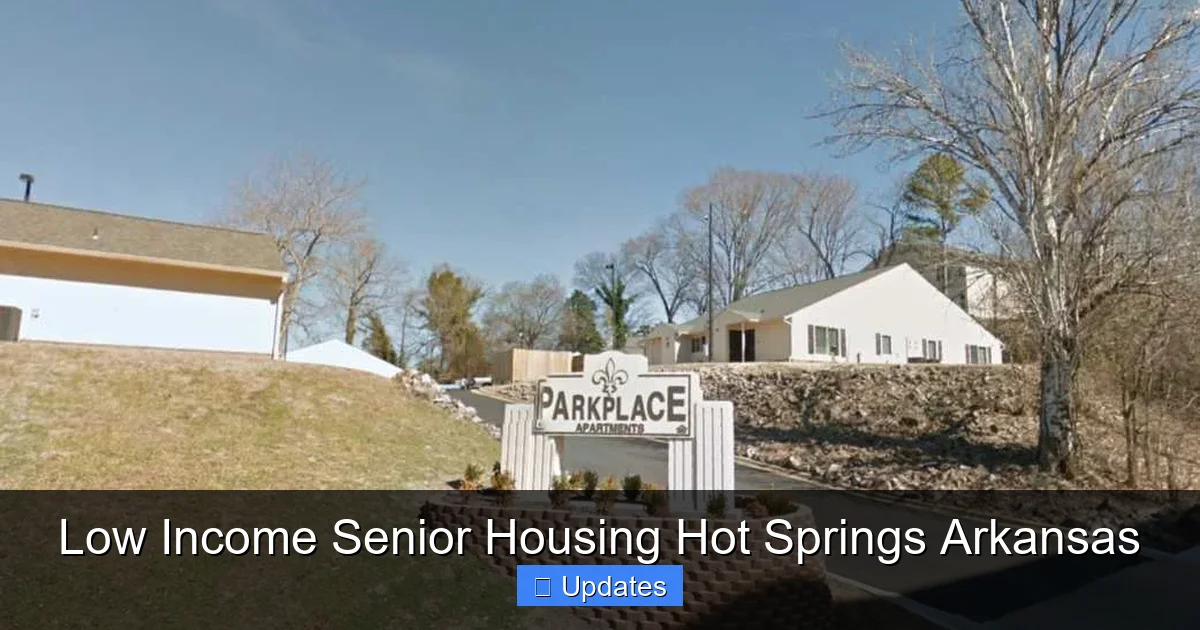
Visual guide about Low Income Senior Housing Hot Springs Arkansas
Image source: publichousing.com
Now let’s spotlight some actual places where you might find affordable senior housing in Hot Springs. Keep in mind that availability changes frequently, and many have waiting lists—but knowing your options gives you a head start.
**The Lodge at Hot Springs (Affordable Wing)**
This upscale resort-style complex recently added a dedicated senior wing with subsidized units for qualified applicants. Amenities include heated indoor pools, fitness classes, and shuttle service to downtown clinics. Contact their housing coordinator directly—they work with local agencies to match eligible seniors.
**Arkansas Valley Retirement Center**
A faith-based nonprofit offering studio and one-bedroom units. Rent starts as low as $450/month for approved applicants. Meals, transportation, and weekly bingo nights are included. Wait time averages 8–12 months, so apply soon.
**Pine Ridge Apartments (HUD Project)**
One of the oldest subsidized complexes in Garland County. Managed by a private firm under HUD oversight, Pine Ridge serves low-income seniors with incomes below 50% of area median. Residents enjoy community gardens, on-site laundry, and monthly health fairs.
**United Methodist Retirement Community**
Located near Bathhouse Row, this facility partners with the Area Agency on Aging to reserve spots for Arkansans over 60 earning under 80% AMI. Special discounts apply for veterans.
These are just a few examples. Other possibilities include mobile home parks with senior-only sections and shared-housing cooperatives. Don’t overlook smaller, lesser-known nonprofits—they often have shorter waitlists and warmer atmospheres.
How to Apply for Low Income Senior Housing
The application process varies slightly by provider, but here’s a general roadmap:
1. **Gather Documents**: Social Security statements, tax returns, bank statements, lease agreements (if applicable), and proof of Arkansas residency.
2. **Submit Application**: Either online, by mail, or in person. Some sites require notarized forms.
3. **Attend Interview**: Expect a brief meeting to discuss your situation and confirm eligibility.
4. **Wait List Placement**: Most places put you on a queue. Ask how long the average wait is.
5. **Unit Assignment**: Once a vacancy opens, they’ll assign you based on date applied, income level, and any priority status (e.g., veteran, disabled).
Pro tip: Apply to multiple places simultaneously. Competition is fierce, and having backups improves your odds.
Tips for a Successful Application
– **Start Early**: Waiting lists can stretch 1–3 years. Don’t delay.
– **Stay Organized**: Keep copies of everything—applications, IDs, income proofs.
– **Follow Up Regularly**: Call or email every 2–3 weeks to check status.
– **Seek Help**: Local nonprofits like Senior Advocacy Groups can assist with paperwork and appeals.
– **Be Honest**: Misrepresenting income or assets leads to eviction and bans from future programs.
Remember, persistence pays off. Many seniors finally secure housing after applying repeatedly over several years.
Additional Resources for Seniors in Hot Springs
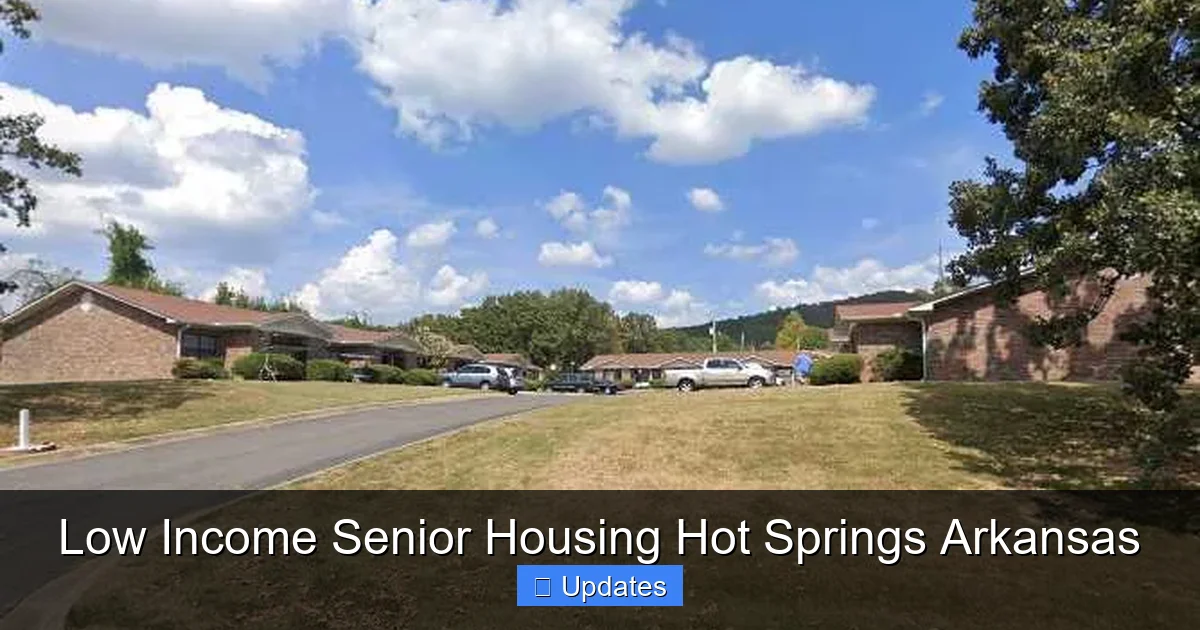
Visual guide about Low Income Senior Housing Hot Springs Arkansas
Image source: lowincomehousing.us
Beyond housing itself, Hot Springs offers a network of support services that complement affordable living. These resources reduce stress and enhance quality of life.
**Area Agency on Aging (AAA)**
Located at 1200 Central Ave., Suite 100, the AAA provides free counseling, case management, and referral services. They know which housing programs have openings and can help you prepare strong applications. Call (501) 680-7490 or visit arkansasaaa.org.
**United Way of Garland County**
Offers utility assistance, food pantries, and transportation vouchers. Their 2-1-1 helpline connects seniors to local aid. Dial 211 or text your zip code to 898211.
**Arkansas Department of Human Services (DHS)**
Manages Medicaid waivers that cover home modifications, meal delivery, and personal care aides. Eligible seniors can receive up to 30 hours/week of in-home support.
**Garland County Senior Center**
Hosts daily activities, exercise classes, and nutrition programs. Free lunches served Monday–Friday. Located at 1100 Central Ave.
**Legal Aid of Arkansas**
Provides pro-bono legal help with landlord-tenant disputes, benefit claims, and estate planning. Schedule appointments via legalaidofar.org.
These organizations operate independently but often collaborate on housing initiatives. Building relationships with them early can open doors later.
Financial Planning Tips for Seniors on Fixed Incomes
Even with subsidized housing, managing money wisely saves thousands over time. Consider these strategies:
– **Maximize Benefits**: Apply for SSI, SNAP (food stamps), and Medicare Savings Programs if eligible.
– **Downsize Belongings**: Sell unused items online or at consignment shops. Funds can go toward moving expenses or emergency savings.
– **Refinance Reverse Mortgage**: If you own your home outright, a HELOC or reverse mortgage lets you tap equity without selling.
– **Budget for Utilities**: Use energy-efficient bulbs, unplug idle devices, and set thermostats smartly to cut bills.
– **Avoid Scams**: Never give personal info to unsolicited callers claiming to represent housing authorities.
Small actions add up. One senior we spoke with saved $1,200 annually by switching to a cheaper cell plan and canceling cable.
Common Challenges and How to Overcome Them
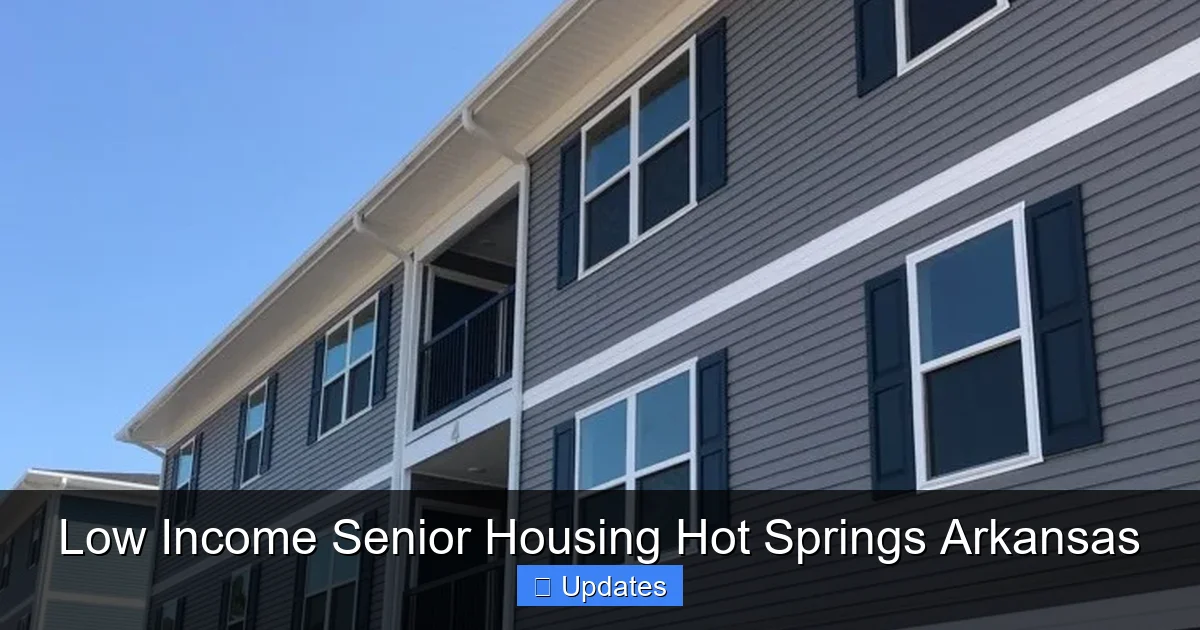
Visual guide about Low Income Senior Housing Hot Springs Arkansas
Image source: s3.amazonaws.com
Despite all the support available, navigating low income senior housing isn’t always smooth sailing. Here are real hurdles many face—and solutions.
**Long Waiting Lists**
Solution: Apply broadly. Also, consider relocating temporarily if you’re flexible. Some families move to nearby towns like Hot Springs Village just to access better waitlist positions.
**Strict Income Rules**
Solution: Look into “income averaging” programs that spread high-earning years across multiple years to meet caps.
**Lack of Transportation**
Solution: Many housing complexes arrange group shuttles. Otherwise, volunteer driver networks like Volunteer Drivers of Arkansas offer free rides to medical appointments.
**Isolation**
Solution: Join senior centers, faith groups, or hobby clubs. Many subsidized housing communities host regular events to combat loneliness.
**Language Barriers**
Solution: Spanish-speaking caseworkers are available through DHS. Translation apps help bridge gaps too.
Don’t let these obstacles discourage you. Every challenge has a workaround—and someone out there wants to help.
Real Stories: Seniors Who Found Affordable Housing
Meet Gladys, 72, a retired school teacher living on Social Security and a modest pension. After her husband passed away, she worried about affording rent alone. Through the AAA, she learned about Pine Ridge Apartments and applied immediately. Sixteen months later, she moved in. “I cried when I saw my new kitchen,” she says. “It’s clean, quiet, and the neighbors are kind.”
Then there’s Robert, 68, a Vietnam veteran struggling with mobility. He initially tried assisted living but couldn’t afford it. A VA counselor directed him to United Methodist Retirement Community, which reserved a unit for vets. Now, he enjoys bingo night and has a wheelchair-accessible bathroom installed at no extra cost.
Stories like theirs prove that with patience and persistence, affordable senior housing is within reach.
Conclusion: Your Path Forward
Finding low income senior housing in Hot Springs, Arkansas requires effort—but it’s absolutely worth it. You deserve a safe, dignified place to call home, surrounded by people who care. Whether you choose a bustling community with daily activities or a quiet studio tucked away in the hills, the right fit will change your life for the better.
Start today. Gather your documents, list your priorities (accessibility? proximity to doctors?), and reach out to the AAA or United Way. Even calling one number feels like progress.
And remember: you’re not alone. Thousands of Arkansans have walked this path before you—and succeeded. With the right information and a little courage, you can too.
For more state-specific guides—like low income senior housing Arkansas under $500 or how to qualify for low income senior housing—check out our full library. We update these resources regularly to reflect new programs and policies.
Your future self will thank you for taking action now.
Frequently Asked Questions
What is the income limit for low income senior housing in Hot Springs, AR?
The income limit depends on household size and program rules. For most HUD-subsidized units, a single senior must earn under $38,750 annually (as of 2024). Larger households face higher caps. Always verify current thresholds with individual providers.
Are pets allowed in low income senior housing?
Many facilities welcome small pets like cats or dogs, though size or breed restrictions may apply. Service animals are always permitted. Contact specific communities before applying to confirm their pet policy.
Can I apply if I already own my home?
Yes! Owning a home doesn’t automatically disqualify you. However, asset limits vary by program. Some allow significant equity, while others cap total holdings. Speak with a housing counselor to explore options like reverse mortgages that let you stay in your home.
Do these housing options include meals?
Some do—especially nonprofit or faith-based communities. Others only cover utilities. When touring, ask explicitly about meal inclusion and pricing for extras.
How long do waiting lists typically last?
Wait times range from 3 months to over 2 years, depending on demand and location. Smaller facilities often have shorter queues than large HUD projects. Applying early significantly improves your chances.
Where can I get help filling out applications?
Free assistance is available through the Area Agency on Aging (call (501) 680-7490), United Way (dial 211), or Legal Aid of Arkansas. They’ll review forms, explain deadlines, and advocate on your behalf.