
Senior Housing in Cincinnati Ohio


Bed Rails for Elderly Adults Safety, 380 LBS

Drive Medical Shower Chair with Back

Apple AirTag (2nd Generation) - 4 Pack
Finding the right senior housing in Cincinnati, Ohio, can make a big difference in comfort, safety, and quality of life. Whether you’re looking for affordable options, luxury amenities, or low-income support, Cincinnati offers diverse communities designed for active adults, those needing assistance, and individuals managing health conditions. From historic neighborhoods like Over-the-Rhine to peaceful suburbs such as Mason, this guide walks you through everything you need to know—from types of housing to financial aid and local resources.
Key Takeaways
- Cincinnati offers a wide range of senior housing options: From independent living to skilled nursing and memory care facilities across the city and surrounding suburbs.
- Affordability is available through government programs: Programs like Section 8, HUD, and Ohio’s Medicaid waiver help lower costs for eligible residents.
- Location matters: Popular areas include Hyde Park, Anderson Township, West Chester, and downtown Cincinnati, each offering unique lifestyle benefits.
- Modern amenities are standard: Most communities provide meal services, transportation, fitness centers, social activities, and on-site medical care.
- Memory care units are widely available: Specialized dementia and Alzheimer’s care centers are found throughout Hamilton County and nearby counties.
- Family involvement is encouraged: Many communities offer family support groups, respite stays, and virtual tours to ease the transition process.
- Application processes vary by facility: Expect background checks, income verification, medical assessments, and sometimes waiting lists.
Cincinnati, Ohio, is more than just a vibrant city known for its chili and riverfront views—it’s also becoming a top destination for retirees seeking high-quality, accessible, and compassionate senior housing. With a growing population of aging adults and an expanding network of age-friendly communities, finding the perfect place to call home as a senior is now easier than ever. Whether you’re downsizing from your longtime family house or seeking a supportive community after a health change, Cincinnati provides options that balance independence, care, and comfort.
The city’s blend of urban convenience and suburban tranquility makes it ideal for seniors who want easy access to healthcare, cultural events, shopping, and nature—all while enjoying modern living spaces designed with older adults in mind. Plus, with strong local support systems, transportation services, and nonprofit organizations dedicated to elder care, you’re never far from help when you need it.
In this comprehensive guide, we’ll explore the different types of senior housing available in Cincinnati, highlight some of the best communities, discuss financing options including low-income programs, and share tips on how to choose the right fit for your lifestyle and budget. By the end, you’ll feel confident navigating the options and making informed decisions about your next chapter.
Key Takeaways
- Understanding senior housing in cincinnati ohio: Provides essential knowledge
📑 Table of Contents
- Types of Senior Housing in Cincinnati
- Top Neighborhoods for Senior Housing in Cincinnati
- Financial Options & Low-Income Assistance
- Amenities & Lifestyle Features to Look For
- How to Choose the Right Senior Housing Community
- Resources & Support Organizations in Cincinnati
- Future Trends in Cincinnati Senior Housing
- Conclusion: Finding Your Golden Home in Cincinnati
Types of Senior Housing in Cincinnati
Senior housing isn’t one-size-fits-all—especially in a city as dynamic as Cincinnati. Residents have access to several distinct types of senior living arrangements, each catering to different levels of independence, health needs, and personal preferences. Understanding these categories will help you narrow down what suits you best.
Independent Living Communities
These are ideal for active seniors who still live independently but prefer not to handle chores, cooking, or home maintenance. Independent living communities (often called “active adult” or “55+” communities) offer spacious apartments or cottages with optional meal plans, housekeeping, and organized social events. In Cincinnati, places like The Village at Marietta Street or The Woods of Mt. Washington fall into this category. These communities foster friendships and engagement without requiring any daily medical oversight.
Assisted Living Facilities
When daily tasks become challenging—like bathing, dressing, medication management, or meal preparation—assisted living becomes a practical solution. These facilities provide personalized care in a residential setting. Staff members assist with activities of daily living (ADLs), monitor health, and coordinate with doctors. In Hamilton County alone, there are over 40 licensed assisted living providers, many located near major hospitals like UC Health or Christ Hospital. Examples include The Enclave at Woodlands and Arden Courts of Cincinnati.
Memory Care Units
For individuals living with Alzheimer’s disease, dementia, or other forms of cognitive decline, memory care units offer specialized environments. These secure neighborhoods feature structured routines, sensory stimulation, trained staff, and therapeutic activities designed to reduce confusion and agitation. Memory care wings are often attached to larger assisted living campuses or stand-alone facilities. In Cincinnati, options like Brookdale Deer Park and The Gardens at St. Elizabeth provide expert care in comfortable, homelike settings.
Continuing Care Retirement Communities (CCRCs)
CCRCs are full-service retirement villages where residents can start in independent living and seamlessly transition to assisted living or skilled nursing if their needs change. This model offers peace of mind knowing all levels of care are available on one campus. While fewer in number due to higher upfront costs, CCRCs like The Village at Good Samaritan in Cincinnati do exist and attract seniors seeking long-term security.
Skilled Nursing Facilities (Nursing Homes)
Also known as long-term care or rehab centers, these facilities provide 24/7 medical supervision and rehabilitation services. They’re suitable for post-surgery recovery, chronic illness management, or end-of-life care. Skilled nursing homes differ from assisted living because they require licensed nurses and therapists. In Cincinnati, institutions like The Laurels of Mt. Healthy and Hospice of Cincinnati offer both short-term rehab and long-term custodial care.
Each type comes with varying costs, staffing ratios, and amenity packages. When touring potential communities, ask about staff-to-resident ratios, emergency response systems, and whether the facility accepts Medicare or Medicaid.
Top Neighborhoods for Senior Housing in Cincinnati
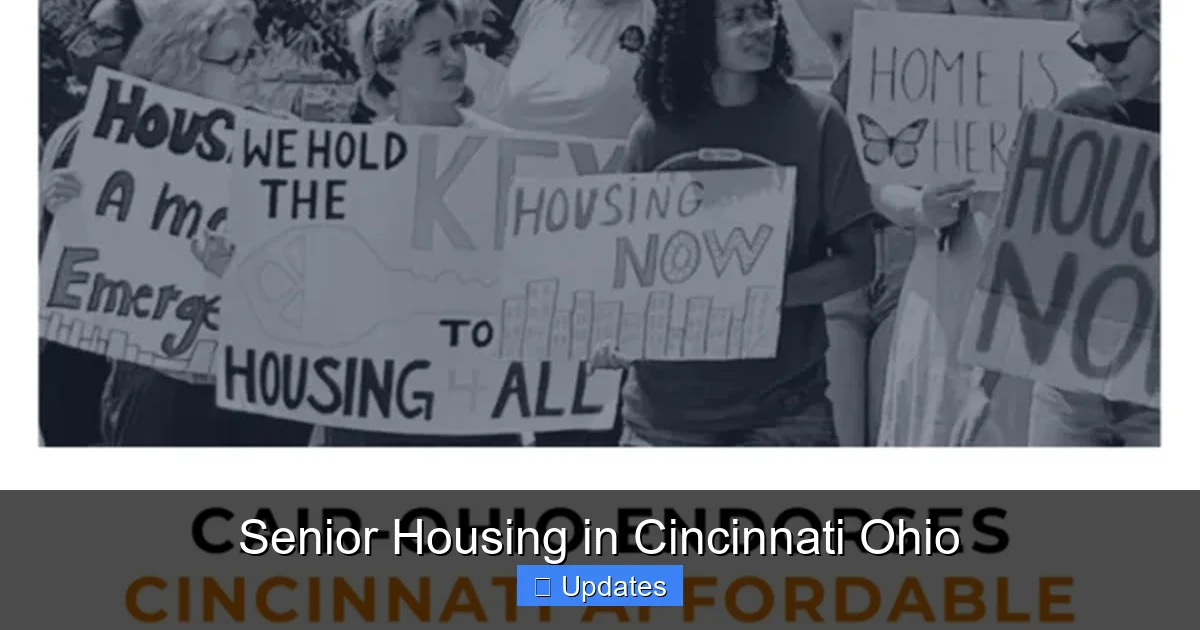
Visual guide about Senior Housing in Cincinnati Ohio
Image source: cair-ohio.com
Not every part of Cincinnati is created equal when it comes to senior-friendly living. Some neighborhoods stand out for walkability, proximity to medical centers, affordability, or quiet surroundings. Here are some of the most popular areas for seniors:
Downtown & Over-the-Rhine
If you love being at the heart of the action, downtown Cincinnati and Over-the-Rhine offer walkable streets, public transit, and easy access to museums, restaurants, and entertainment venues. However, noise and crowds may not suit everyone. That said, luxury high-rise condos with senior-friendly features (like elevators, grab bars, and concierge services) are popping up here. For example, The Pinnacle at Liberty Center includes studios and one-bedrooms tailored for older adults.
Hyde Park
Known for tree-lined streets, excellent schools, and a relaxed vibe, Hyde Park is beloved by empty-nesters and retirees. It’s close to hospitals like Mercy Health West Hospital and offers charming shops and cafes. Several upscale independent living communities dot this neighborhood, such as The Villages of Mount Washington, which blends elegance with accessibility.
Anderson Township & West Chester
Just outside Cincinnati proper, Anderson Township and West Chester offer suburban serenity with top-tier healthcare nearby. Hospitals like Mercy Health Anderson Hospital serve the area well, and the region has seen rapid growth in senior housing developments. Affordable options like The Lodge at Anderson Commons provide assisted living at reasonable rates, while luxury choices like The Villages at Mount Washington extend into this region too.
Mount Washington
This historic hillside neighborhood combines small-town charm with urban convenience. It’s home to several mid-range senior communities that emphasize community spirit and outdoor recreation. The Woods of Mt. Washington, for instance, sits near scenic hiking trails and offers ranch-style homes for couples or individuals.
Norwood & Price Hill
For those seeking more affordable options within the city limits, Norwood and Price Hill have quietly developed solid reputations for welcoming senior housing. While not as flashy as downtown or Hyde Park, these neighborhoods offer lower rents, strong community ties, and easy bus access to medical facilities. Low-income programs often cluster here due to higher concentrations of fixed-income households.
Choosing a neighborhood isn’t just about geography—it affects your social life, healthcare access, and overall sense of belonging. Spend time in each area if possible, talk to current residents, and consider visiting during typical weekday hours to get a real feel for the pace of life.
Financial Options & Low-Income Assistance
Visual guide about Senior Housing in Cincinnati Ohio
Image source: publicaffordablehousing.com
One of the biggest concerns for seniors considering new housing is cost. Fortunately, Cincinnati—and Ohio broadly—offers multiple avenues to make senior housing more affordable, especially for those on fixed incomes like Social Security or pensions.
Section 8 Housing Choice Voucher Program
Administered by the U.S. Department of Housing and Urban Development (HUD), Section 8 allows low-income seniors to rent privately owned apartments or condos using vouchers. Eligibility is based on household size and income (typically below 50% of area median income). In Hamilton County, applicants may face waiting lists, so it’s wise to apply early. Local housing authorities can connect you with landlords accepting vouchers, many of whom manage senior-specific properties.
Ohio Housing Finance Agency (OHFA) Programs
OHFA offers subsidized housing for seniors through its Supportive Housing for the Elderly program. These units often include utilities, meals, and transportation. Income limits apply, and availability varies by location. Contact OHFA directly or visit local senior centers to learn about upcoming openings.
Medicaid Waivers & Home- and Community-Based Services (HCBS)
Ohio’s PASSPORT Waiver provides in-home care, adult day services, and respite care for seniors who might otherwise go into a nursing home. It covers things like personal care attendants, meal delivery, and transportation—effectively reducing the need for expensive institutional care. To qualify, you must be 60+, require nursing home-level care, and meet financial criteria. Applications go through your county Department of Job and Family Services.
Nonprofit & Religious Organization Support
Many faith-based groups and nonprofits operate low-cost senior housing or offer rental assistance grants. For example, Catholic Charities of Southwest Ohio runs affordable apartment complexes in Cincinnati, while organizations like the United Way distribute emergency housing funds. Don’t hesitate to reach out—these resources are often underutilized simply because people don’t know they exist.
Tax Credits & Deductions
Seniors may also benefit from federal and state tax credits related to housing expenses, property taxes, or medical costs incurred at a senior facility. Consult a tax advisor familiar with elder law to maximize deductions.
Navigating these programs can feel overwhelming, but local Area Agencies on Aging (AAA) are invaluable allies. In Cincinnati, the Southwestern Ohio AAA (SWO AAA) helps seniors find housing, apply for waivers, and access utility assistance. Their website lists current wait times, eligibility checklists, and application portals.
Amenities & Lifestyle Features to Look For
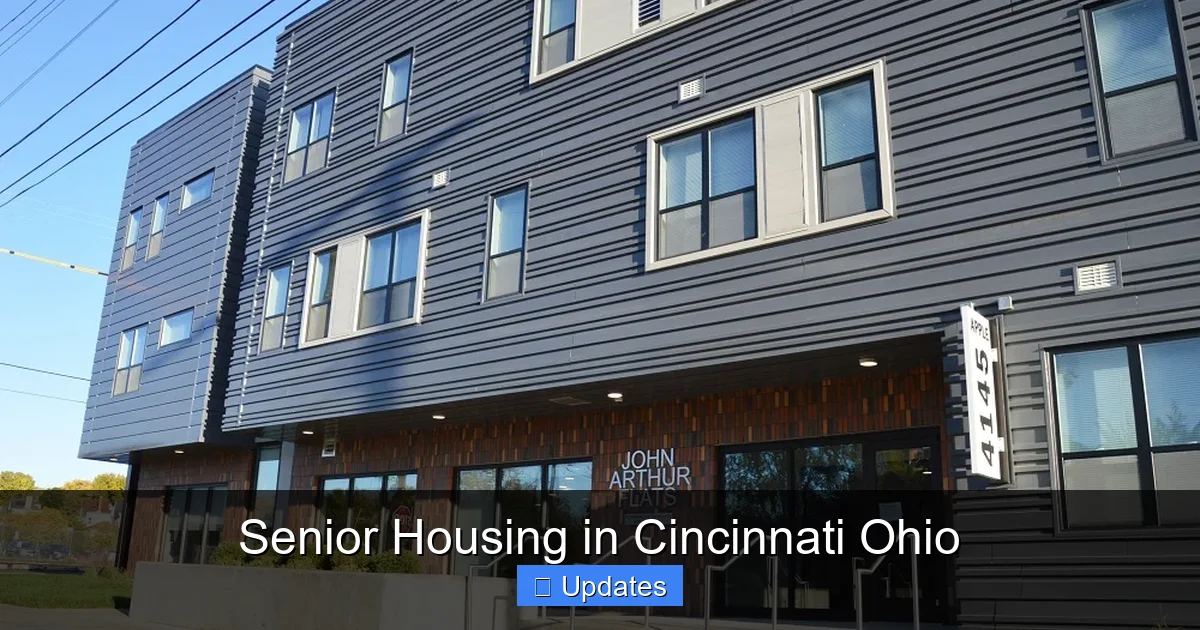
Visual guide about Senior Housing in Cincinnati Ohio
Image source: cdnassets.hw.net
Beyond basic shelter, today’s senior housing communities compete on quality of life. Residents expect more than just a roof—they want enriching experiences, safety, and convenience. When evaluating options, pay attention to these key amenities:
Meal Services & Dining Options
Most communities include three meals per day in their base rate, prepared by in-house chefs. Look for flexible dining hours, dietary accommodations (diabetic, gluten-free, etc.), and communal eating spaces that encourage socialization. Some even offer room service or grab-and-go breakfasts for night owls.
Transportation & Mobility Support
Reliable transportation is critical. Ideal communities provide scheduled shuttles to grocery stores, pharmacies, doctor appointments, and cultural events. Others partner with ride-share services or have partnerships with public transit. Wheelchair accessibility, handrails, non-slip flooring, and emergency call buttons should be standard.
Healthcare Coordination
On-site clinics, nurse practitioners, physical therapy rooms, and medication management services add tremendous value. Especially important for memory care or chronic condition management, integrated healthcare reduces hospital visits and improves outcomes.
Social & Recreational Activities
Bingo nights, book clubs, art classes, gardening plots, and movie screenings keep minds sharp and bodies moving. Outdoor spaces—patios, walking paths, pet parks—are equally vital. Seasonal events like holiday parties or trips to Kings Island or the Cincinnati Zoo show how engaged a community truly is.
Technology & Communication Tools
Smart thermostats, video doorbells, telehealth platforms, and resident portals let families stay connected remotely. During the pandemic, communities with robust tech infrastructure fared better in maintaining safety and morale.
Don’t overlook hidden gems: libraries onsite, beauty salons, woodshops, or even dog-walking stations. These details signal a commitment to holistic wellness.
How to Choose the Right Senior Housing Community
Making this decision is deeply personal—and emotional. You’re not just picking a building; you’re choosing where you’ll spend your golden years. Follow this step-by-step approach to ensure clarity and confidence.
Start With Your Needs Assessment
List your priorities: Do you need help with medications? Are mobility issues a concern? Would you miss church or weekly bridge games? Be honest about what you can and cannot manage alone. Share this list with family members and your doctor.
Tour Multiple Communities
Never rely on websites alone. Schedule visits during different times of day—morning coffee hours, evening dinner, weekend afternoons. Watch how staff interact with residents. Notice cleanliness, noise levels, and whether people look engaged or isolated.
Ask the Hard Questions
– What happens if I fall ill suddenly?
– Can I bring my pet?
– Is smoking allowed inside or outside?
– How are conflicts between residents handled?
– What’s included in the monthly fee vs. extra charges?
Talk to Current Residents
They’ll give you unfiltered insights. Ask about billing surprises, staff responsiveness, and whether they’d move back in. Resident councils often host open forums where you can speak directly.
Review Contracts Carefully
Understand cancellation policies, refund rules, and liability clauses. If you’re downsizing, clarify whether your former home will be sold before you move.
Involve Your Family
Even if you’re independent, having trusted loved ones weigh in prevents regrets. Consider hosting a “family meeting” where everyone shares observations.
Finally, trust your gut. If something feels off—whether it’s the lighting in the hallway or the tone of the leasing agent—keep looking. The right community should feel like coming home.
Resources & Support Organizations in Cincinnati
You don’t have to navigate this journey alone. Cincinnati boasts a robust ecosystem of agencies, nonprofits, and volunteers ready to assist seniors and their families.
Southwestern Ohio Area Agency on Aging (SWO AAA)
As the primary gateway for aging services, SWO AAA offers free counseling, housing referrals, caregiver support, and benefit screenings. Their helpline (1-866-662-2727) connects callers with local resources. Website: swoaaa.org
United Way of Greater Cincinnati
Through its 211 hotline, United Way provides instant access to housing assistance, food banks, utility aid, and legal aid. Simply dial 211 or text your ZIP code to 898-211.
Cincinnati Health Department – Senior Services
Offers wellness checks, immunization clinics, and chronic disease management programs tailored for older adults. Walk-ins welcome.
Jewish Family and Children’s Services (JFCS)
Provides counseling, case management, and subsidized housing placements. Serves Orthodox and non-Orthodox Jewish populations, as well as general clients.
St. Vincent de Paul Society
A Catholic charity that operates thrift stores, food pantries, and emergency rental assistance. Volunteers often visit seniors’ homes to assess needs.
These organizations frequently collaborate on initiatives like “Home Alone” safety programs, fall prevention workshops, and intergenerational mentorship projects. Bookmark their websites and save their phone numbers—you might need them sooner than you think.
Future Trends in Cincinnati Senior Housing
The landscape of senior housing in Cincinnati is evolving rapidly. Demographic shifts, technological advances, and changing consumer expectations are reshaping how communities design spaces and deliver services.
Smaller, Boutique-Style Communities
Gone are the days of large, impersonal nursing homes. Now, developers favor intimate-scale buildings with fewer than 50 units—think boutique hotels for seniors. These models promote closer relationships between residents and staff, reduce isolation, and allow for more customized care plans.
Intergenerational Living
Some newer communities incorporate preschools or college student wings, creating natural cross-generational bonds. Shared kitchens, game rooms, and storytelling sessions help break down age barriers and combat loneliness among youth and elders alike.
Sustainability & Green Design
Energy-efficient appliances, solar panels, rainwater harvesting, and native landscaping are increasingly common. Not only do these features lower utility bills, but they also create healthier indoor air quality—a boon for respiratory conditions common in older adults.
Virtual Reality & Telehealth Integration
Facilities are investing in VR headsets for immersive travel experiences, meditation sessions, or family reunions across states. Telehealth kiosks enable real-time consultations with specialists without leaving the building.
Pet-Friendly Policies Expanding
Recognizing that companionship animals improve mental health, more communities now allow dogs and cats—even offering dog-walking services or pet grooming stations.
Keep an eye on emerging trends through local news outlets like Cincinnati.com or community bulletin boards. Early adopters often enjoy first-mover advantages.
Conclusion: Finding Your Golden Home in Cincinnati
Senior housing in Cincinnati Ohio isn’t just about finding a place to live—it’s about crafting a lifestyle filled with dignity, connection, and purpose. With such a rich variety of communities, financial supports, and supportive networks, Cincinnati stands out as a welcoming city for aging gracefully. Whether you dream of a bustling downtown loft, a quiet suburban retreat, or a supportive memory care suite, opportunities abound.
Take your time, ask questions, involve your loved ones, and remember: this transition is a celebration of all you’ve accomplished. Let Cincinnati become your next great adventure.
If you’re exploring low-income options, check out Low Income Senior Housing Cincinnati Ohio for current listings and application tips. For broader Ohio guidance, our Ohio Senior Housing Low Income article covers statewide programs and eligibility rules. And if you’re relocating from another state, compare Cincinnati to similar cities like Senior Apartments In Parma Ohio to see what works best for your situation.
—
Frequently Asked Questions
What types of senior housing are available in Cincinnati?
Cincinnati offers independent living, assisted living, memory care, continuing care retirement communities (CCRCs), and skilled nursing facilities. Each caters to different levels of independence and medical support needs.
Are there low-income senior housing options in Cincinnati?
Yes, programs like Section 8 vouchers, Ohio Housing Finance Agency subsidies, Medicaid waivers, and nonprofit grants help make senior housing affordable for qualifying seniors.
How much does senior housing cost in Cincinnati?
Costs vary widely—independent living averages $2,500–$4,000/month, while assisted living ranges from $4,000–$6,000/month. Luxury communities and memory care tend toward the higher end.
Can I bring my pet to a senior housing community in Cincinnati?
Many modern communities welcome pets, though policies differ. Some restrict breeds or sizes, and additional deposits or fees may apply.
Is public transportation accessible for seniors in Cincinnati?
The Metro Ride provides paratransit services for disabled seniors, and regular buses have wheelchair lifts. Most senior housing communities also offer shuttle services.
How do I apply for senior housing in Cincinnati?
Contact individual communities for tours and applications. You’ll typically need identification, proof of income, medical records, and possibly a background check. Local AAAs can assist with paperwork.